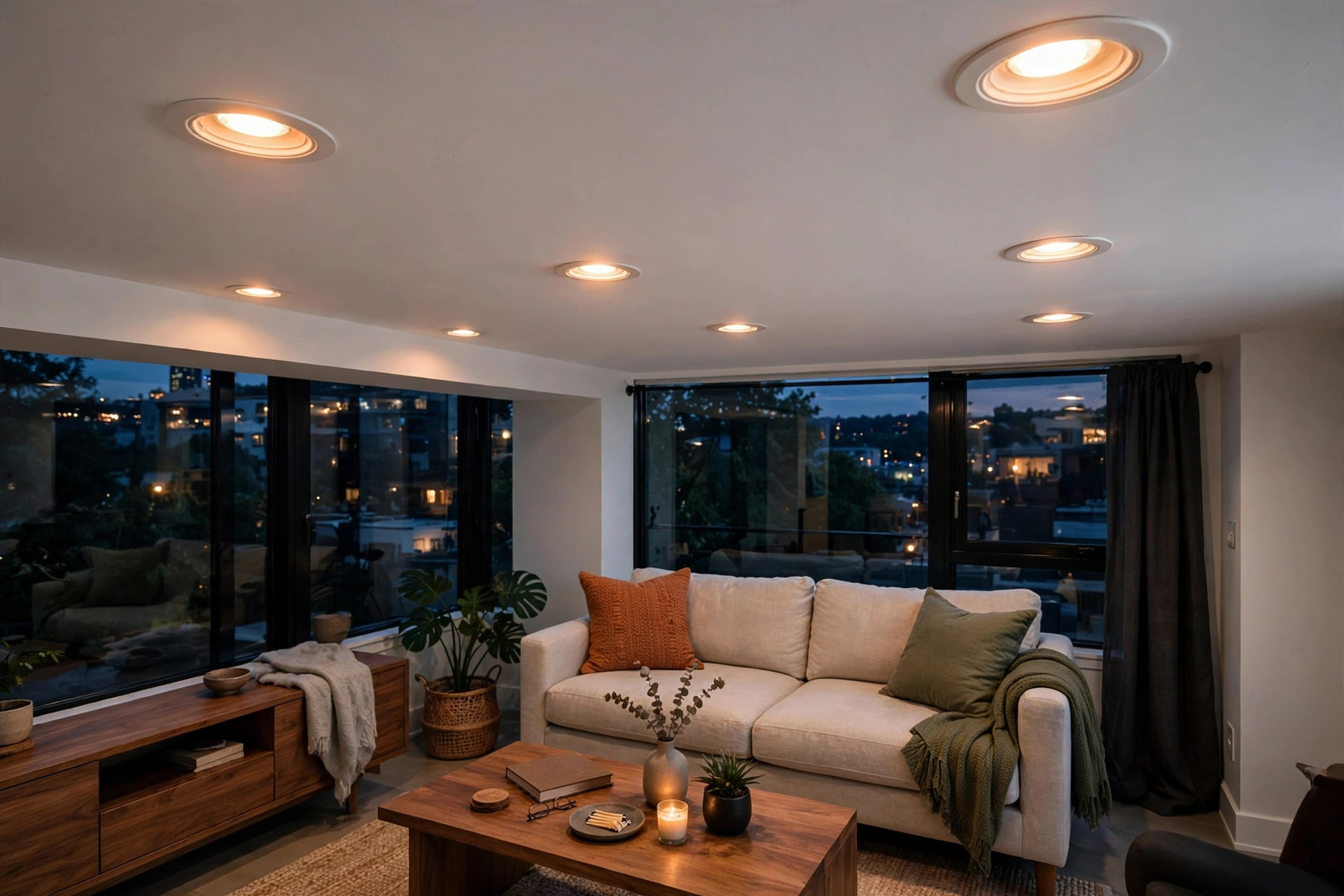

Finding the best smart bulbs for recessed lighting usa shoppers can trust is easier than it looks. Most American homes built after 1990 have recessed lights in the kitchen, the living room, or the hallway. These can lights are plain to the eye, but they decide how a room feels. A good smart bulb turns that plain fixture into a tool. It changes color. It dims. It follows a schedule. It works with a voice assistant. This guide walks through the whole choice, step by step, in plain terms.
Why It Matters
Recessed lighting is the workhorse of the modern American home. It sits flat in the ceiling. It does not clutter the room. It throws clean light straight down onto counters, tables, and floors. But a standard bulb wastes that promise. It only knows on and off.
A smart bulb does far more. You can lower the light for a movie night. You can raise it to full bright for cleaning. You can set the porch cans to turn on at dusk. You can wake to a slow sunrise glow in the bedroom. For families with recessed lights in five or six rooms, the small gain adds up fast. One home security hub or one smart home starter kit can control them all. As more homes add connected gear, lighting is often the first room-by-room upgrade owners make. Reviews and test data from places such as CNET and Consumer Reports show that buyers keep ranking smart lighting among the most used features in the house.
There is a money angle too. Smart bulbs are LEDs. They sip power compared with old incandescent cans. A single 65-watt recessed bulb replaced by a 9-watt smart LED cuts that socket’s draw by about 85 percent. Multiply by twelve cans in a kitchen and the savings show on the next bill. The U.S. Department of Energy notes on Energy Star pages that LED lighting is now the standard for efficient homes.
What to Look For: Best Smart Bulbs for Recessed Lighting Usa
Start with the socket size. Most recessed cans in the United States take a medium base, the standard E26 screw. The bulb shape matters more. Standard recessed housings of four, five, or six inches usually call for a BR30 bulb. Smaller four-inch housings often take a PAR20. Six-inch cans can take either a BR30 or an A19, though the A19 sits deeper and throws a wider cone.
Size and Fit
Open one can and look at the old bulb. The letters on it tell the shape. BR30 is the common pick for five- and six-inch housings. It has a bulged reflector neck that aims light downward. PAR20 is narrower and fits four-inch cans. If the can already has a trim ring with its own integrated LED, a screw-in smart bulb may not fit at all. Measure the inside depth before you order.
Brightness
Brightness is measured in lumens, not watts. For a kitchen work area, look for 650 to 900 lumens per bulb. For hallways and living rooms, 450 to 650 is often enough. Most smart BR30 bulbs sell in the 700-lumen range, which matches the old 65-watt floods people grew up with.
Color and Temperature
Decide between white-only bulbs and full-color bulbs. White-only models tune from warm 2700K to daylight 5000K. They cost less and do the daily job well. Full-color models add millions of hues for holidays, parties, and accent light. Read the box for color rendering index, or CRI. A CRI of 90 or above makes skin and food look natural. Cheaper bulbs at 80 CRI can make a kitchen look flat.
App and Voice Control
Every smart bulb needs an app for setup. After that, most owners use voice or routines. Check which platform you run at home. Google Home users will like bulbs that pair through Google Store smart home pages. Amazon Alexa and Apple HomeKit have their own lists. Many new bulbs use Wi-Fi and need no hub. Some use Zigbee or Thread and do need one. If you already own a hub from a smart home starter kit, check its bulb list before buying.
Dimming Without Flicker
This is the trap. Recessed cans often sit on wall dimmer switches. Many smart bulbs hate old dimmers. The result is flicker or buzz. The safe setup is one of two: keep the wall dimmer at full and dim through the app, or replace the old dimmer with a smart-dimmer made for LED loads. Test one bulb first before you buy a whole case.
Types and Options
Smart bulbs for recessed cans come in three main shapes.
Smart BR30 bulbs. The standard choice. They screw into five- and six-inch cans and fill the trim neatly. Most brands offer a white-tunable version and a color version. This is where most buyers should start.
Smart PAR20 bulbs. Built for four-inch housings and tight soffits. They throw a narrower beam, which suits accent lighting over a fireplace or a reading chair.
Smart retrofit downlight kits. These replace the whole trim ring with a sealed LED module that has smart controls built in. They look the cleanest. They also cost the most per fixture. They are a good pick for a full remodel where the old trims are yellowed or dated.
A fourth option exists: a smart wall switch that controls plain LED recessed bulbs. It is not a smart bulb at all, but it gives app and voice control to every can on the circuit at once. For a hallway with six cans, one switch can cost less than six bulbs.
Match the type to the room. Kitchens and baths want bright white-tunable BR30s. Living rooms and bedrooms suit full-color models for mood. Porch and soffit cans need bulbs rated for damp locations.
Cost and Price
Prices move, but the pattern is stable. A single white-tunable smart BR30 bulb usually sells between 10 and 20 dollars. A full-color BR30 runs 15 to 35 dollars. Four-packs cut the per-bulb price. A smart retrofit downlight kit runs 30 to 60 dollars per fixture.
Do the math for the room. Ten color BR30 bulbs at 20 dollars each is 200 dollars. That sounds steep until you compare it with one electrician visit to rewire dimmers, which often costs more. Check for utility rebates too. Many American power companies still rebate efficient lighting through programs linked on Energy Star pages.
Watch the hidden costs. A bulb that needs a hub adds 30 to 60 dollars if you do not own one. A smart dimmer switch adds 25 to 45 dollars. Plan the whole room, not just the bulb price.
Care and Upkeep
Smart bulbs need little care, but a few habits keep them working for years.
Keep the firmware updated. Makers push updates that fix bugs and close security gaps. The app usually prompts you. Do not ignore it for months.
Do not seal the bulb in an airtight can if the box says it needs airflow. Heat is the enemy of LED life. Most smart BR30s are rated for enclosed fixtures, but check the fine print. A bulb that dies in eighteen months often died of heat, not of a bad chip.
Clean the trim rings twice a year. Dust cuts light output. A damp cloth is enough. Turn the power off at the breaker first.
If a bulb drops off the network, power-cycle the fixture before you reset the whole app. Nine times out of ten, one off-on cycle brings it back. If the whole house of bulbs drops at once, the router is the problem, not the bulbs.
Pair lighting upgrades with the rest of the home. A smart dehumidifier and smart plugs share the same Wi-Fi, so give bulbs a strong signal. A weak router in the basement means flickering connections in the upstairs cans.
Safety
Recessed cans and heat have a long history. Old housings can run hot, and insulation around them was once a fire risk. Modern IC-rated housings are made for direct contact with insulation. Check the label inside the can before you touch anything. The U.S. Consumer Product Safety Commission keeps guidance on recessed lighting and fire safe practice.
Three rules cover most of the risk. First, never exceed the wattage printed on the can label. Smart LEDs draw far less than old bulbs, so this is easy to honor. Second, keep insulation and stored boxes away from non-IC cans. Third, turn off the breaker, not just the wall switch, before you change a trim or a retrofit kit.
For outdoor cans under eaves, buy bulbs rated for damp or wet locations. Water and electricity do not mix, and a porch can sees rain spray. A bulb with the wrong rating can fail fast and trip the circuit.
Smart bulbs also touch home network safety. Change the default password on the lighting app. Keep the app and the hub firmware current. Security researchers and reviewers at PCMag and The Verge have long warned that cheap no-name bulbs can be the weak point in a home network. Stick to known brands, and read the privacy policy once before you connect thirty bulbs to it.
Frequently Asked Questions
Do smart bulbs work in old recessed cans? Yes, in most cases. Any standard E26 screw-in smart bulb fits a normal can. The problem is old dimmer switches, which cause flicker. Keep the wall dimmer at full or swap it for an LED-rated smart dimmer.
Which shape do I need, BR30 or PAR20? Measure the housing. Six-inch and five-inch cans take BR30. Four-inch cans take PAR20. If you are unsure, pull the old bulb and read the shape printed on it.
Do I need a hub? Many Wi-Fi bulbs need no hub. Zigbee and Thread bulbs usually do. Check the box and match it to the system you already own, such as Alexa, Google Home, or Apple HomeKit.
Can smart recessed bulbs go outside? Only if the box says damp or wet rated. Standard indoor bulbs fail fast under eaves where rain and cold reach them.
Will smart bulbs raise my power bill? No. They are LEDs and use a fraction of the power of old recessed floods. The radio inside adds only a tiny standby draw, well under one watt per bulb.
How long do they last? Most makers rate smart LED bulbs at 15,000 to 25,000 hours. In a room used four hours a day, that is ten years or more. Heat and poor airflow cut that life short, so keep cans ventilated as the maker directs.
A Short Final Word
The best smart bulbs for recessed lighting usa homes buy this year are not the fanciest ones. They are the ones that fit the can, dim without flicker, and talk to the system already in the house. Measure first. Test one bulb on the room’s dimmer. Then buy the rest of the case with confidence. A ceiling full of steady, tunable light changes how a home feels every single evening, and it does it for less power than the old floods ever did. For the wider picture of a connected home, it also helps to look at trusted names in home security such as Ring, SimpliSafe, and ADT, since lighting schedules and security routines often run side by side.
References
ADT. (n.d.). Home security and automation. https://www.adt.com CNET. (n.d.). Technology news and reviews. https://www.cnet.com Consumer Reports. (n.d.). Product reviews and ratings. https://www.consumerreports.org ENERGY STAR. (n.d.). Energy efficient products. https://www.energystar.gov Google Store. (n.d.). Smart home devices. https://store.google.com PCMag. (n.d.). Technology product reviews. https://www.pcmag.com Ring. (n.d.). Smart home security devices. https://www.ring.com SimpliSafe. (n.d.). Home security systems. https://www.simplisafe.com The Verge. (n.d.). Technology news and reviews. https://www.theverge.com U.S. Consumer Product Safety Commission. (n.d.). Product safety information. https://www.cpsc.gov
Was this guide helpful?

About David Wilson
The My Garden US editorial team writes practical, in-depth home and garden guides for American homeowners — tested advice, no fluff.
You May Also Like
Smart Mailbox Sensor Reviews 2026 USA: Best Picks for Every Home
May 21, 2026 0 views
Best Smart Oil Tank Gauge Reviews USA: A Homeowner Guide
January 12, 2026 0 views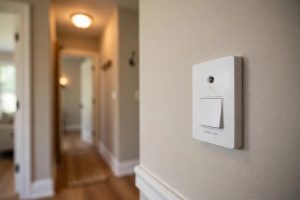
Best Motion Sensor Light Switch Reviews USA: A Plain Guide for Homeowners
July 18, 2026 0 views