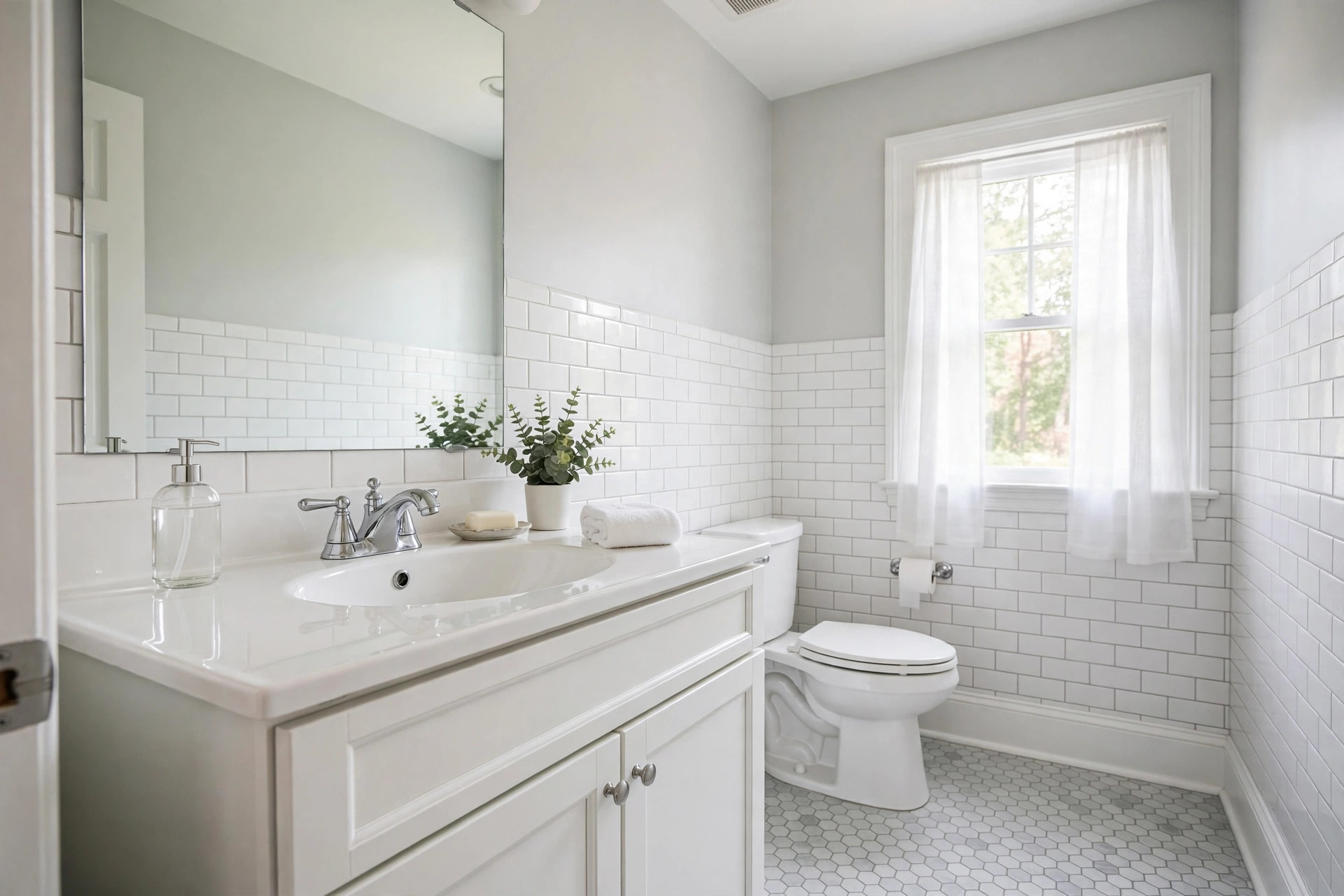

Few home problems are as unpleasant as a sewer gas smell in bathroom drains that will not go away. You catch a whiff of rotten eggs, light a candle, and the smell returns. This guide covers sewer gas smell in bathroom solutions USA homeowners use every day, from five-minute fixes to repairs that need a professional. The steps are plain and ordered. The goal is simple: a bathroom that smells like nothing at all.
Why a Sewer Gas Smell in the Bathroom Matters
A sewer gas odor is more than an annoyance. Sewer gas is a mix of gases that rise from drains and sewer lines. The most common one is hydrogen sulfide, which smells like rotten eggs. Small amounts are mostly a comfort problem. Long exposure to larger amounts can cause headaches, nausea, and dizziness. In rare cases, very high levels can be dangerous.
The smell also spreads. Air moves through a house, so a drain problem in one bathroom can make a hallway or bedroom smell too. Guests notice. Family members complain.
The good news is that most causes are simple. Many sewer gas smell in bathroom solutions USA plumbers recommend take less than an hour and cost little. A dry drain trap, a loose toilet seal, or a blocked vent are the usual suspects. Bigger problems, like a cracked sewer line, are far less common. Check the simple things first.
Homeowners can learn a lot from plumbing guides on This Old House, which covers common drain problems in plain language. The Environmental Protection Agency also explains how indoor air problems connect to plumbing and ventilation.
What Causes the Smell: The Five Usual Suspects: Sewer Gas Smell in Bathroom Solutions Usa
1. A Dry Drain Trap
Every drain has a curved section of pipe called a trap. It holds a small amount of water that blocks sewer gas from rising into the room. If a drain goes unused for weeks, the water evaporates and the seal breaks. This is the most common cause in guest bathrooms and floor drains. The fix is as simple as pouring water down the drain.
2. A Worn Wax Ring Under the Toilet
The toilet sits on a wax ring that seals the base to the floor flange. Over time the wax dries, cracks, or shifts. Then gas escapes around the toilet base. You may also see water seep at the base after a flush. Replacing the ring is a common repair that many handy homeowners do themselves. Fixture makers like Kohler and Moen publish guides on toilet parts and how they work.
3. A Blocked or Missing Vent Pipe
Plumbing vents run up through the roof. They let air into the drain system so water flows smoothly and gas vents outside. A vent blocked by leaves, a nest, or ice can pull water out of traps. In some older homes the vent was never installed right. A plumber can check the roof vents in minutes.
4. Biofilm and Buildup in Drains
Soap scum, hair, and toothpaste build up into a slimy layer called biofilm inside drains. Bacteria in that layer release gases that smell like sewage. The drain itself is fine, but the gunk inside it stinks. Regular cleaning prevents this.
5. A Cracked or Broken Drain Line
This is the least common cause. A crack in a drain pipe under the floor or inside a wall lets gas escape where it should not. You may smell gas even when traps are full and the toilet seal is good. Damp spots on floors or walls are a warning sign. This repair always needs a professional with a camera to find the break.
Related sewer problems show similar warning signs. Learning the signs of a clogged main sewer line helps you tell a small bathroom problem from a larger one in the main drain.
How to Find the Source of the Smell
Do not replace parts until you know where the gas comes from. Work through these steps in order.
First, use your nose. Close the bathroom door for an hour, then open it and step inside. Is the smell stronger near the toilet, the sink, the shower, or the floor drain? Smell each drain one at a time.
Second, check every trap. Run water in the sink for thirty seconds. Run the shower for a minute. Flush the toilet. Pour two cups of water into any floor drain. Wait a few hours. If the smell is gone, the cause was a dry trap.
Third, look at the toilet. Check for wobble by pressing each side. A rocking toilet has a damaged seal. Look for water or stains at the base. Do not caulk around the toilet to trap the smell. Caulking can hide a leak and let water damage the floor.
Fourth, check the sink overflow. Gunk collects inside the overflow channel and smells terrible. Clean it with a small brush and hot soapy water. Also clean under the drain stopper, where hair and soap collect.
Fifth, think about the vent. If the smell comes and goes, or drains gurgle when water runs, a blocked vent is likely. This is a job for a plumber, who clears the vent from the roof.
If you are unsure about any step, guides at Delta Faucet and Family Handyman walk through basic bathroom drain care with pictures. And if the job grows beyond DIY, knowing how to find a reliable plumber saves time and money.
Types of Solutions: From Easiest to Hardest
Sewer gas smell in bathroom solutions USA homeowners choose fall into three groups. Start with the easy ones.
No-Cost and Low-Cost Fixes
Refill the traps. Pour two to four cups of water into every drain, including floor drains. For rarely used drains, add a tablespoon of mineral oil after the water. The oil slows evaporation and keeps the seal working for months.
Clean the drains. Remove the sink stopper and pull out hair and soap. Pour a pot of hot (not boiling) water down the drain, followed by a cup of baking soda, then a cup of white vinegar. Let it fizz for fifteen minutes, then flush with more hot water. Do this once a month.
Clean the overflow and toilet base. Scrub the sink overflow hole with a bottle brush. Wipe the floor around the toilet base with disinfectant. Sometimes the smell is surface grime, not a plumbing failure.
Tighten a loose toilet. If the toilet wobbles, tighten the closet bolts at the base gently. Do not overtighten or the porcelain can crack. If the smell stays, the wax ring needs replacement.
Retailers like The Home Depot stock drain brushes, closet bolts, and wax rings, so these repairs can start the same day.
Mid-Level Repairs
Replace the wax ring. The ring itself costs under ten dollars. A plumber usually charges one hundred fifty to three hundred dollars for the full job. Handy homeowners can do it in about an hour: turn off the water, drain the tank and bowl, unbolt the toilet, scrape off the old wax, set the new ring, and reset the toilet.
Clear the vent stack. A plumber can snake a blocked vent from the roof for one hundred to two hundred fifty dollars. In cold climates, insulating the vent pipe in the attic prevents ice blockages.
Install an air admittance valve. In some homes this valve under a sink lets air into the drain line without a full roof vent. Valves cost ten to twenty dollars. Check local codes first, since not every area allows them.
Water odor issues are sometimes confused with sewer gas. Treatment products from companies like Aquasana help with whole-house water odor problems.
Professional Repairs
Repair a broken drain line. A small accessible repair might cost five hundred dollars. A broken line under a concrete slab can cost several thousand. A sewer camera inspection usually runs one hundred to three hundred dollars and shows exactly where the break is. Reviews at Consumer Reports help you compare plumbing services before you hire.
Reroute or add venting. Homes with bad original venting may need new vent pipes through walls or the roof. This is construction work for a licensed plumber. Get two or three quotes first. Project guides at Bob Vila give realistic cost ranges for these bigger jobs.
Cost and Price Guide
Here is what sewer gas smell in bathroom solutions USA homeowners typically pay.
| Repair | Typical cost | |—|—| | Refilling traps and cleaning drains (DIY) | $0 to $10 | | Wax ring (part only) | $5 to $15 | | Toilet reset with new wax ring (plumber) | $150 to $300 | | Vent stack clearing | $100 to $250 | | Air admittance valve (part) | $10 to $20 | | Sewer camera inspection | $100 to $300 | | Broken drain line repair | $500 to $3,000+ |
Most homeowners spend nothing or under fifty dollars. The plumber’s visit is the real cost driver, with hourly rates often seventy-five to one hundred fifty dollars. Emergency calls cost more. Try every DIY step first, then call a plumber once with a clear description of what you already tried.
Care and Upkeep: Keeping the Smell Away
Prevention is simple. Run water in every drain at least once a month, especially in guest and basement bathrooms that sit unused. Set a monthly reminder on your phone.
Clean drains monthly with hot water, baking soda, and vinegar. Avoid harsh chemical drain cleaners for routine use. They can damage pipes and harm septic systems.
Check the toilet base twice a year. Press each side gently. If it rocks, fix it before the seal fails fully.
Keep roof vents clear. After storms, look up at the vent pipes from the ground. If debris is packed around one, have it cleared. Never climb a steep or icy roof yourself.
Watch for gurgling. A drain that gurgles when water runs elsewhere means the vent system is struggling. Address it early, before traps lose their water seal.
Safety: What to Know Before You Start
If the smell is very strong, sudden, and fills the whole house, leave and call your gas utility or a plumber at once. A strong rotten egg smell can also come from a natural gas leak, since utilities add a similar odor to natural gas on purpose. When in doubt, treat it as urgent.
Never mix drain cleaners. Never mix bleach with ammonia or vinegar. These combinations release toxic fumes. Use one product at a time, follow the label, and ventilate the bathroom.
Ventilate while you work. Open a window or run the exhaust fan when cleaning drains or working on the toilet seal.
Wear gloves when handling old wax rings and drain gunk, and wash your hands well after. Know your limits. Lifting a toilet, working on a roof, or opening walls are jobs for a licensed plumber.
Frequently Asked Questions
Why does my bathroom smell like rotten eggs only sometimes?
An on-and-off smell usually points to a trap that loses its water seal or a vent problem tied to weather. Wind can push gas back down a vent. Check the least-used drain first, since its trap dries out fastest.
Is sewer gas in the bathroom dangerous?
In small amounts it is mainly a nuisance. Ongoing exposure to higher levels can cause headaches, nausea, and dizziness. Fix the source promptly rather than covering the smell with air fresheners.
Will pouring bleach down the drain fix the smell?
Bleach may help with biofilm odor for a short time. It will not fix a dry trap, a bad wax ring, or a vent problem. Never mix bleach with other cleaners. For most drain odors, hot water, baking soda, and vinegar work as well and are gentler on pipes.
How do I know if the wax ring is the problem?
The smell is strongest at the floor around the toilet base. The toilet may rock. You might see water or staining at the base after flushing. If traps are full and other drains are clean, the wax ring is the likely suspect.
Can a clogged vent cause sewer gas smell in only one bathroom?
Yes. If that bathroom’s fixtures share a blocked vent, only those fixtures are affected. Gurgling drains in that bathroom are a strong clue. A plumber can confirm with a look at the vent on the roof.
How much does a plumber charge to fix a sewer gas smell?
A simple visit may cost seventy-five to one hundred fifty dollars. A toilet reset with a new wax ring runs one hundred fifty to three hundred dollars. Vent or drain line repairs cost more. Get the price in writing before work begins.
A Final Word
A sewer gas smell in the bathroom feels like a big problem, but the answer is usually small. Pour water in the drains. Clean the gunk. Check the toilet seal. Most homeowners solve it in an afternoon without calling anyone. These sewer gas smell in bathroom solutions USA families have used for decades still work because plumbing has not changed much: water seals block gas, vents let pipes breathe, and seals wear out over time. Work through the steps in order, respect the safety cautions, and call a professional when the job is bigger than a wrench and a wax ring. Your bathroom will smell like nothing at all, which is exactly how a bathroom should smell.
References
Aquasana. (n.d.). Water filtration systems. https://www.aquasana.com Bob Vila. (n.d.). Home improvement advice. https://www.bobvila.com Consumer Reports. (n.d.). Product reviews and ratings. https://www.consumerreports.org Delta Faucet. (n.d.). Kitchen and bathroom faucets. https://www.deltafaucet.com Family Handyman. (n.d.). DIY home repair and maintenance. https://www.familyhandyman.com Kohler. (n.d.). Bathroom and kitchen fixtures. https://www.kohler.com Moen. (n.d.). Faucets and plumbing fixtures. https://www.moen.com The Home Depot. (n.d.). Home improvement products. https://www.homedepot.com This Old House. (n.d.). Home renovation guidance. https://www.thisoldhouse.com U.S. Environmental Protection Agency. (n.d.). Protecting human health and the environment. https://www.epa.gov
Was this guide helpful?

About Sarah Mitchell
The My Garden US editorial team writes practical, in-depth home and garden guides for American homeowners — tested advice, no fluff.
You May Also Like
Best Pull Down Kitchen Faucet 2026 USA: A Complete Buying Guide
March 8, 2026 0 views
Lead in Drinking Water Filter Reviews USA: What Tests, Types, and Brands to Trust
February 25, 2026 0 views
Tankless vs Tank Water Heater Cost Comparison: What You Will Really Pay
May 28, 2026 0 views