
The septic inspection cost when buying home usa buyers face is one of the small bills that can save a large fortune. A septic system sits out of sight under the yard. It treats all the wastewater a house makes. When it works, no one thinks of it. When it fails, the bill can reach five figures. An inspection before closing tells you which of these two futures you are buying. This guide explains what the check costs, what it covers, and how to use the findings at the closing table.
Why a Septic Inspection Matters Before You Buy
A home with public sewer sends its wastewater to a city plant. A home with a septic system treats it on the lot. The system has two parts. The tank holds the waste and lets solids settle. The drain field, also called the leach field, lets the liquid soak into the soil. Both parts wear out over time. Tanks last twenty to forty years. Drain fields often last less.
A failing system shows few signs at first. Drains may run a little slow. The yard may stay wet in one spot. There may be a faint odor near the tank. Many sellers never notice. Some do notice and say nothing. A trained inspector looks past the surface. He or she opens the tank, checks the baffles, measures the sludge, and tests the drain field.
Lenders take this seriously. The FHA and the VA often require a working septic system before they fund a loan. Some states go further. Massachusetts, for example, requires a system check at the time of sale under its Title 5 rules. Other states leave it to the buyer. Even where no law forces the issue, a smart buyer orders the check anyway. The cost of the septic inspection cost when buying home usa buyers budget for is tiny next to the price of a new drain field.
A septic check also guards your health. A broken system can send bacteria into the well water on the same lot. It can send runoff into nearby streams. The U.S. Environmental Protection Agency publishes clear guidance on how on-site systems protect water quality. That guidance is worth reading before you sign.
What the Inspection Covers: Septic Inspection Cost When Buying Home Usa
Not every check is the same. Ask the inspector what level of service you will get. A basic check takes one to two hours. A full check can take half a day.
The Tank
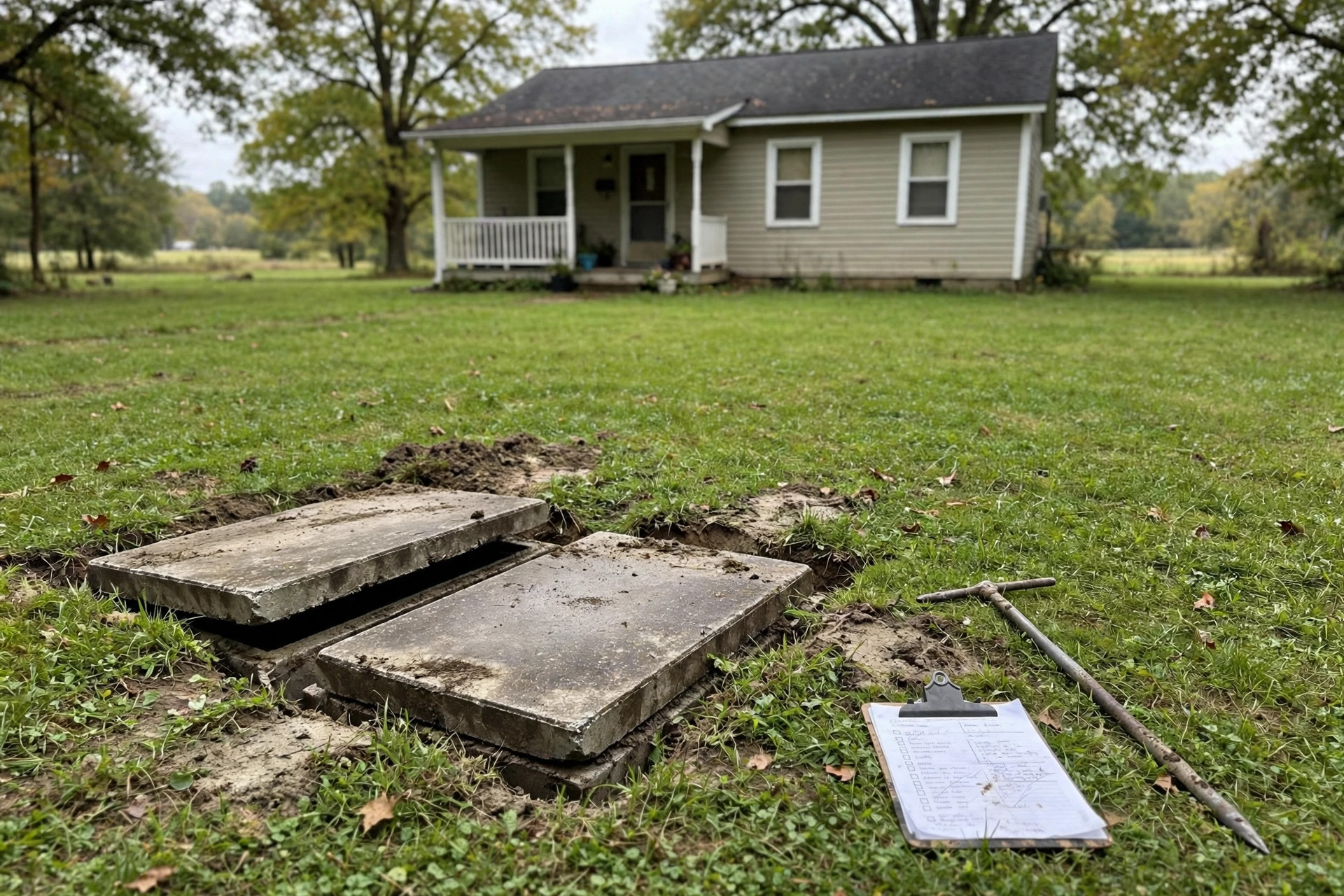
The inspector finds the tank and opens its lids. Some tanks are buried deep, and digging takes time. The inspector measures the sludge and scum layers. A tank that is due for pumping still can be sound. The inspector checks the walls for cracks. The inspector checks the inlet and outlet baffles, the small walls that keep solids from leaving the tank. Broken baffles let solids flow into the drain field. That shortens the life of the whole system.
The Drain Field
The inspector walks the drain field. Soft ground, standing water, or a strong odor point to trouble. In a full check, the inspector may probe the soil with a rod. In some states, inspectors run a dye test. They flush a colored dye through the drains and watch for it to surface in the yard. A good drain field keeps the dye underground.
The Flow Test
The inspector may run water through the house for a period. This is called a hydraulic load test. It shows whether the system can take a normal day of use. A system that backs up under load needs repair.
Paperwork and Permits
A good inspector pulls the county records. The records show when the system was installed, how big it is, and whether permits exist. A system with no permit can cause trouble when you later sell. The records also show the pumping history. If you wonder how often to pump septic tank usa guide advice applies, the records often answer it for that house.
How Much a Septic Inspection Costs
Now the central question. The septic inspection cost when buying home usa buyers pay usually falls between 300 and 600 dollars. That is the range for a standard check in most states. Simple markets see fees near 250 dollars. High-cost states such as Massachusetts, New York, and parts of California often see fees from 500 to 900 dollars.
Several things move the price:
– Depth of the tank. A tank buried six feet down takes longer to find and open. Some inspectors charge extra for digging. – Size of the system. A four-bedroom system takes longer to check than a two-bedroom one. – Type of system. A plain gravity system is quick to check. An aerobic treatment unit or a mound system takes longer and costs more, often 600 to 1,000 dollars. – Add-on tests. A dye test may add 100 to 200 dollars. A camera check of the lines may add 200 to 400 dollars. – Pumping during the check. Many inspectors ask that the tank be pumped at the time of the check. Pumping costs 300 to 500 dollars on its own. Some buyers split this cost with the seller. – Travel. Rural counties with few inspectors may carry a trip fee.
Some counties keep their own fee schedules. Ask two or three licensed inspectors for written quotes before you choose. A written quote should list the tests, the time on site, and the report format.
Cost and Price of What Comes After
The check itself is cheap. The repairs it may find are not. A new pump or a new baffle can run 500 to 1,500 dollars. A full drain field replacement often runs 5,000 to 20,000 dollars. A full system replacement for a family home can run 10,000 to 30,000 dollars. If you need context on bigger bills, the septic system installation cost for 3 bedroom range gives a fair picture of new-build pricing. The septic drain field repair cost near me guide covers the middle ground between a small fix and a full rebuild.
This is why the inspection fee is money well spent. A 400-dollar check that finds a 12,000-dollar drain field gives you real leverage. You can ask the seller to fix it, ask for a price cut, or walk away.
Types of Septic Inspections
Buyers meet a few different check types. Knowing the names helps you order the right one.
Visual check. The inspector walks the yard, looks at the tank area, and flushes the toilets. This is the weakest check. It finds only clear failures. It is not enough for a home purchase.
Functional check. The inspector opens the tank, checks the water levels, runs the fixtures, and watches for backups. This is the common pre-sale check in most states.
Full or comprehensive check. This adds soil probing, a load test, a camera look at the lines, and a review of county records. Some states call this a transfer inspection. It is the best choice when the system is old or the seller has no records.
State-mandated check. A few states have their own forms and rules. In Massachusetts, only a state-approved inspector may sign the Title 5 form. Ask your real estate agent whether your state has such a rule. Do not skip it. A lender may refuse the loan without the form.
Always hire an inspector who is licensed in your state. Ask for proof of license. Ask how many septic checks he or she does each year. A general home inspector is not the same as a septic specialist. The plumbing fixtures inside the house matter too. Simple guides on choosing quality faucets and fixtures or durable toilet and bath fixtures can help you judge the indoor side during your walk-through.
How to Choose an Inspector
Choose with care. This person stands between you and a very large bill.
1. Ask for a state license. Most states license septic inspectors. Check the license number with the state board. 2. Ask about insurance. A working inspector should carry liability insurance. 3. Get a written scope. The quote should list every test. Verbal promises mean little at the closing table. 4. Ask for a sample report. A good report has photos, measurements, and clear findings. A thin report is a red flag. 5. Check timing. Reports should arrive within two to three days. Closings wait for no one. 6. Keep distance from the seller’s inspector. The inspector should work for you, not for the seller. Pay the fee yourself.
Large retailers and trade groups can point you to local pros. The project guides at The Home Depot explain what to ask a contractor, and the how-to library at This Old House covers septic basics in plain terms. The repair guides at Family Handyman are also useful for judging small fixes the report may list.
Care and Upkeep After You Buy
Once the house is yours, the system is yours to keep. Septic care is simple but not optional.
Pump on schedule. Most tanks need pumping every three to five years. A large family may need it sooner. A small household may stretch it a bit. The pumping record is the first thing the next buyer will ask for. Keep every receipt.
Watch what goes down the drain. Grease, wipes, coffee grounds, and harsh chemicals harm the tank. Even products marked flushable can clog the baffles. Use a light hand with bleach. An enzyme product can help the bacteria that digest waste. Read honest enzyme drain cleaner reviews for septic usa style feedback before you buy additives, and keep expectations modest.
Protect the drain field. Never drive over it. Never build on it. Keep trees with deep roots away from it. Divert roof water away from the field so the soil does not flood.
Test the well water. Many septic homes also use well water. Test the water once a year for bacteria and nitrates. A failing septic system often shows up in the well first. A good water filtration setup at the tap adds a layer of safety, and plain plumbing maintenance guides help you catch small leaks before they load the system.
Keep records. File every pump receipt, every repair bill, and the original inspection report. A thick file raises the home’s value when you sell.
Safety Notes for the Inspection Day
Septic tanks hold gases that can harm or kill. Methane and hydrogen sulfide collect under the lids. Never open a tank yourself. Never climb into a tank for any reason. Stand back while the inspector works. Keep children and pets away from open lids.
The inspector should vent the tank before leaning over it. If you smell a strong rotten-egg odor, move upwind and tell the inspector. These rules sound strict. They exist because tanks have caused deaths when handled with carelessness.
Frequently Asked Questions
Who pays for the septic inspection when buying a home? Custom varies by state. In most deals, the buyer pays, because the buyer orders the check. Some buyers ask the seller to pay as part of the contract talks. FHA and VA loans do not set the payer. Put it in writing either way.
How long does a septic inspection take? A standard check takes one to two hours on site. A full check with a load test and soil probing can take three to four hours. The written report usually follows in two to three days.
Can I buy a house that fails the septic inspection? Yes, but do it with open eyes. Get repair quotes from two contractors. Ask the seller for a credit or a repair before closing. Some lenders will hold the loan until the repair is done. If the seller refuses and the bill is large, walking away is often the wise move.
What if the seller has no septic records? This is common with older homes. The county health department may hold the original permit. The inspector can still check the system as found. Missing records are not a deal killer, but they raise the risk. Price that risk into your offer.
Does a septic inspection include pumping the tank? Usually not. Pumping is a separate service with a separate fee. Many inspectors want the tank pumped during the check so they can see the walls and baffles. Ask who pays for the pumping before the day arrives.
How often should the system be checked after I move in? Have a pro look at the system every three years. Pump the tank every three to five years. Watch for slow drains and wet spots between visits. Catching a small problem early is always cheaper than fixing a failed field.
A Short Final Word
The septic inspection cost when buying home usa buyers pay is small, plain, and predictable. The cost of skipping the check is none of those things. Order the check early in the contract period. Hire a licensed specialist. Read the report with care. Then use what you learn to shape the deal. A sound septic system lets you enjoy the home for decades. A failing one should be the seller’s bill, not yours. A few hundred dollars now buys the knowledge to tell the difference.
References
Aquasana. (n.d.). Water filtration systems. https://www.aquasana.com Delta Faucet. (n.d.). Kitchen and bathroom faucets. https://www.deltafaucet.com Family Handyman. (n.d.). DIY home repair and maintenance. https://www.familyhandyman.com Kohler. (n.d.). Bathroom and kitchen fixtures. https://www.kohler.com Moen. (n.d.). Faucets and plumbing fixtures. https://www.moen.com The Home Depot. (n.d.). Home improvement products. https://www.homedepot.com This Old House. (n.d.). Home renovation guidance. https://www.thisoldhouse.com U.S. Environmental Protection Agency. (n.d.). Protecting human health and the environment. https://www.epa.gov
Was this guide helpful?

About Michael Thompson
The My Garden US editorial team writes practical, in-depth home and garden guides for American homeowners — tested advice, no fluff.
You May Also Like
Best 50 Gallon Gas Water Heater Reviews USA: A Complete Buying Guide
April 8, 2026 0 views
Well Water Testing Near Me Cost 2026: What Homeowners Pay
April 13, 2026 0 views
Best Widespread Bathroom Faucet Reviews USA
July 1, 2026 0 views