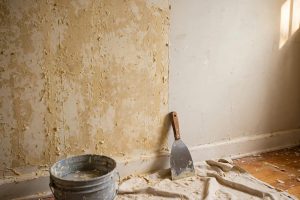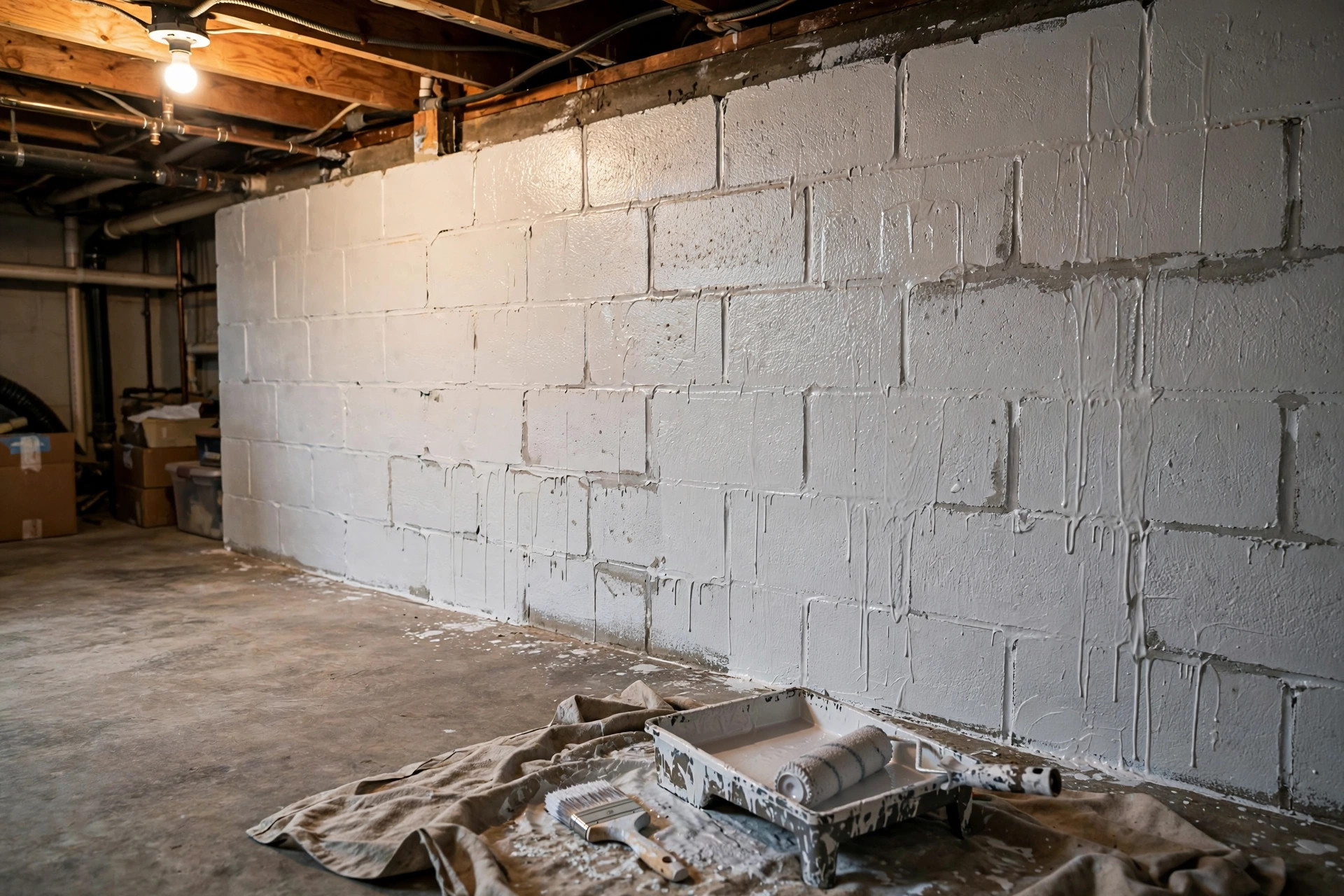

Many American homeowners find damp spots on their basement walls. The wall may feel wet to the touch. A white powder may grow along the concrete blocks. The room may smell musty after heavy rain. A can of foundation waterproofing paint seems like a simple fix. The reviews in the United States are wide and mixed. Some paints earn praise for stopping seepage. Others earn complaints for peeling within a year. This guide gathers what buyers and experts say about the main brands and types. It explains how to choose, how to apply, and what limits the paint has. It also answers common questions about cost and care.
Why Foundation Waterproofing Paint Matters
A foundation wall sits below the soil line. Rain and ground water press against it all year. Small cracks and pores let water through. Over time the dampness feeds mold. It ruins stored goods. It weakens mortar. In cold states, water trapped in the concrete can freeze and crack the block. A coat of waterproofing paint forms a barrier on the inside face of the wall. It is not the same as regular paint. It is thicker. It is made to bridge hairline cracks. Many types carry a masonry or elastomeric base that flexes as the wall moves a little.
Buyers in the reviews often say they turned to this paint after a wet spring. Their goal was to stop seepage before it caused harm. The paint will not fix a wall that bows or a crack wider than a pencil line. For small dampness and hairline cracks, the reviews show fair results. The key is honest use. The paint is one tool in a dry basement plan. It works best with good drainage outside and dry air inside.
What to Look for When You Read the Reviews: Foundation Waterproofing Paint Reviews Usa
Not every can on the shelf is the same. The reviews point to several points that matter.
Coverage per gallon. Most products cover about 75 to 125 square feet per coat. Rough block walls drink more paint than smooth poured walls. Plan for two coats at least. Buyers who bought one coat too few often report thin spots that leaked again.
Crack bridging. Look for paints that claim to bridge hairline cracks. Elastomeric formulas do this best. Reviews praise them for walls with many fine cracks.
Mold resistance. Basements stay damp. A coating that resists mildew growth keeps the finish clean longer. Many reviewers in humid states rate this point high.
Vapor barrier strength. Some paints are rated to hold back water under pressure. Others only resist damp vapor. Read the label. Products that claim to resist 10 to 15 pounds per square inch of water pressure are meant for active seepage.
Ease of use. Thick coatings need a brush or a heavy roller. Some reviews note that the paint dries fast and is hard to spread. A product that goes on well saves time and gives a more even seal.
Smell and safety. Many basement coatings give off strong fumes while wet. Reviews from families with kids note that low odor formulas are worth the price. Open windows and run a fan during the work.
Types of Foundation Waterproofing Paint
The market holds three main types. The reviews treat each one in a different way.
Latex and Acrylic Masonry Paint
This is the most common type. It looks and feels like thick house paint. It seals pores and small cracks. It dries fast and cleans up with water. Reviewers say it works well for walls that are only a little damp. It is also the cheapest type. The weak point is pressure. Heavy seepage can push behind it and lift the film. For this reason many pros call it damp proofing, not true waterproofing.
Elastomeric Coatings
Elastomeric coatings stretch as the wall moves. They can cover cracks up to about one sixteenth of an inch. They build a thick rubber-like film. Reviews often praise them for older block walls with many fine cracks. They cost more than latex types. They also need more skill to apply. The film must be thick to work. Thin spots fail first.
Hydraulic and Cement-Based Coatings
These come as a powder that mixes with water. They form a hard shell on the concrete. Many brands claim to stop water under pressure. Reviews from the northern states like them for below grade walls. They are heavy to mix and apply. The finish looks rough and gray. Most buyers top it with a finish coat if the wall will show.
Brand Reviews: What Buyers Report
No single brand wins every review. The notes below sum up common buyer reports across the United States.
Drylok. This is the most reviewed brand in the American market. Buyers praise its thick body and its ability to stop light seepage. Many say two coats turned a damp wall dry. The main complaint is peeling on walls with strong water pressure. Some reviewers also note that the finish chips if the wall was not cleaned well. The Home Depot site carries it in most stores, and buyers there rate its ease of use high.
Behr Masonry Paint. Buyers like the price and the wide color range. It is easy to roll on. Reviews say it holds up well on walls with only vapor dampness. It scores lower for active leaks. Several reviewers report that it needs three coats on rough block to get full cover. The Behr site lists full data sheets for each masonry product.
UGL and Masonry Sealers. Less known brands get steady praise from do-it-yourself buyers. They report good bond on clean block. The reviews are fewer, so the record is thin. Buyers advise reading the label for pressure ratings before use.
Sherwin Williams Products. Pro painters in the reviews speak well of the pro-grade masonry lines from Sherwin-Williams. The paint costs more per gallon. Reviewers say the film builds well and holds color. Many pros buy it when they want a finish that also looks good in a finished basement.
Benjamin Moore Masonry Lines. Homeowners who want a fine finish often pick Benjamin Moore. Reviews praise the smooth look and low spatter. For heavy seepage, reviewers say the cement-based types do better than the latex lines.
Across all brands, one pattern stands out. Buyers who cleaned the wall well report good results. Buyers who painted over dust, old paint, or active leaks report failure. The prep work matters more than the brand name.
How to Apply for Best Results
Good results start with prep. Brush off loose paint and dirt with a stiff brush. Wash the wall with a masonry cleaner. Rinse and let the wall dry. Fill cracks wider than a hairline with a masonry crack filler. Let the filler cure as the label says.
Stir the paint well. Thick coatings need a stiff brush or a three quarter inch nap roller. Work the paint into the pores of the block. Do not spread it thin to save money. Most brands call for two coats. Let the first coat dry fully before the second. Check the label for the wait time. It is often four to six hours.
Vent the room while you work. Wear a mask and gloves. Keep kids and pets out until the smell fades. Many reviewers say they wish they had bought more paint before they started. Measure your wall first. Multiply length by height. Divide by the coverage on the can. Add ten percent for rough block.
For more paint buying guides, see our reviews of concrete stain for patio reviews usa and limewash brick fireplace kit reviews usa. If you are also planning exterior work, our black exterior house paint ideas usa roundup may help.
Cost and Price Ranges
Prices in 2026 run about 35 to 60 dollars per gallon for most masonry waterproofing paints. Elastomeric coatings run 50 to 80 dollars per gallon. A five gallon pail of cement-based coating runs 40 to 70 dollars. For a 100 foot long basement wall that is 8 feet high, two coats need about 16 to 20 gallons on block. That puts paint cost near 600 to 1,200 dollars. Brushes, rollers, cleaner, and crack filler add 100 to 200 dollars more.
Hiring a pro changes the math. Contractors often charge 3 to 7 dollars per square foot for prep and two coats. A full basement can cost 2,500 to 5,000 dollars. Reviews from buyers who hired pros say the finish looked better and lasted longer. Those who did the work themselves saved money but spent two to three weekends on the job.
Care and Upkeep
A coated wall needs little care. Check the walls each spring after heavy rain. Look for new damp spots or blisters in the film. Small blisters can be scraped and touched up with the same product. Keep gutters clean so water flows away from the foundation. Grade the soil so it slopes away from the house. Run a dehumidifier in the basement to keep humidity below 50 percent. The paint lasts longer in dry air.
Most reviews say a good two coat job lasts five to ten years on an inside wall. Sunlight is not an issue below grade. The main enemy is water pressure from outside. If seepage grows worse over time, the cause may be a failed drain tile or a high water table. In that case no paint will hold. The fix is outside drainage work, not more paint.
Safety Points
Masonry coatings are safe when used with care. Read the label before you open the can. Many products warn against use on walls with active flowing water. The paint will not bond to a wet surface. Some cement-based products are harsh on skin. Wear gloves and eye cover. Keep the room vented. Store leftovers out of reach of kids. Do not pour wash water into storm drains. Let solids settle and dispose of them with the trash as local rules say.
FAQ
Does waterproofing paint stop a leaking basement? It can stop light seepage and damp spots on the inside wall. It will not stop a strong leak or a wall with structural cracks. Fix the water source first.
How long does the coating last? Most buyers report five to ten years indoors. Walls with rising water pressure may fail sooner. Good prep and two full coats extend the life.
Can I paint over old waterproofing paint? Yes, if the old coat is sound. Scrape loose spots. Clean the wall. Prime bare patches if the label calls for it. Do not paint over active leaks.
Is it safe to use with kids in the house? The wet paint gives off fumes. Keep kids out of the basement until the coat is dry and the room is aired. Most products are safe once fully cured.
One coat or two? Two coats. Almost every review that reports failure used one thin coat. The second coat seals pinholes the first coat missed.
Does it work on exterior foundation walls? Some products are rated for exterior use. Check the label. Exterior walls face sun, freeze, and soil pressure. Many pros prefer exterior grade membranes for that job.
Final Word
Foundation waterproofing paint earns a fair place in basement care. The reviews show it works when the wall is clean, the seepage is light, and two full coats go on. It fails when buyers expect it to fix deep drainage problems. Pick a product rated for your water level. Prep the wall well. Keep gutters and grade in good shape. With those steps, a coated wall can stay dry for years.
For deeper how-to advice on masonry prep and finishes, the guides at This Old House and Bob Vila are worth a read. Buyer tests at Lowe’s and review roundups at The Spruce and HGTV add more real world reports.
References
Behr. (n.d.). Paints, primers, and stains. https://www.behr.com Benjamin Moore. (n.d.). Paints and stains. https://www.benjaminmoore.com Bob Vila. (n.d.). Home improvement advice. https://www.bobvila.com HGTV. (n.d.). Home and garden ideas. https://www.hgtv.com Lowe’s. (n.d.). Home improvement products. https://www.lowes.com Sherwin-Williams. (n.d.). Paints and coatings. https://www.sherwin-williams.com The Home Depot. (n.d.). Home improvement products. https://www.homedepot.com The Spruce. (n.d.). Home and garden advice. https://www.thespruce.com This Old House. (n.d.). Home renovation guidance. https://www.thisoldhouse.com
Was this guide helpful?

About Robert Taylor
The My Garden US editorial team writes practical, in-depth home and garden guides for American homeowners — tested advice, no fluff.
You May Also Like
Mildew Resistant Bathroom Paint Reviews USA
May 27, 2026 0 views
Best Paint for Metal Fence USA: A Practical Guide for Homeowners
January 10, 2026 0 views
Painted Tile Backsplash Pros Cons: What American Homeowners Should Know
April 12, 2026 0 views