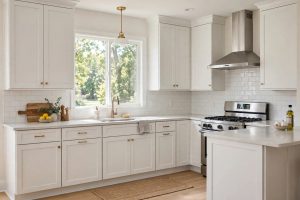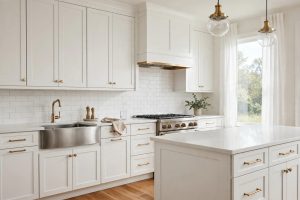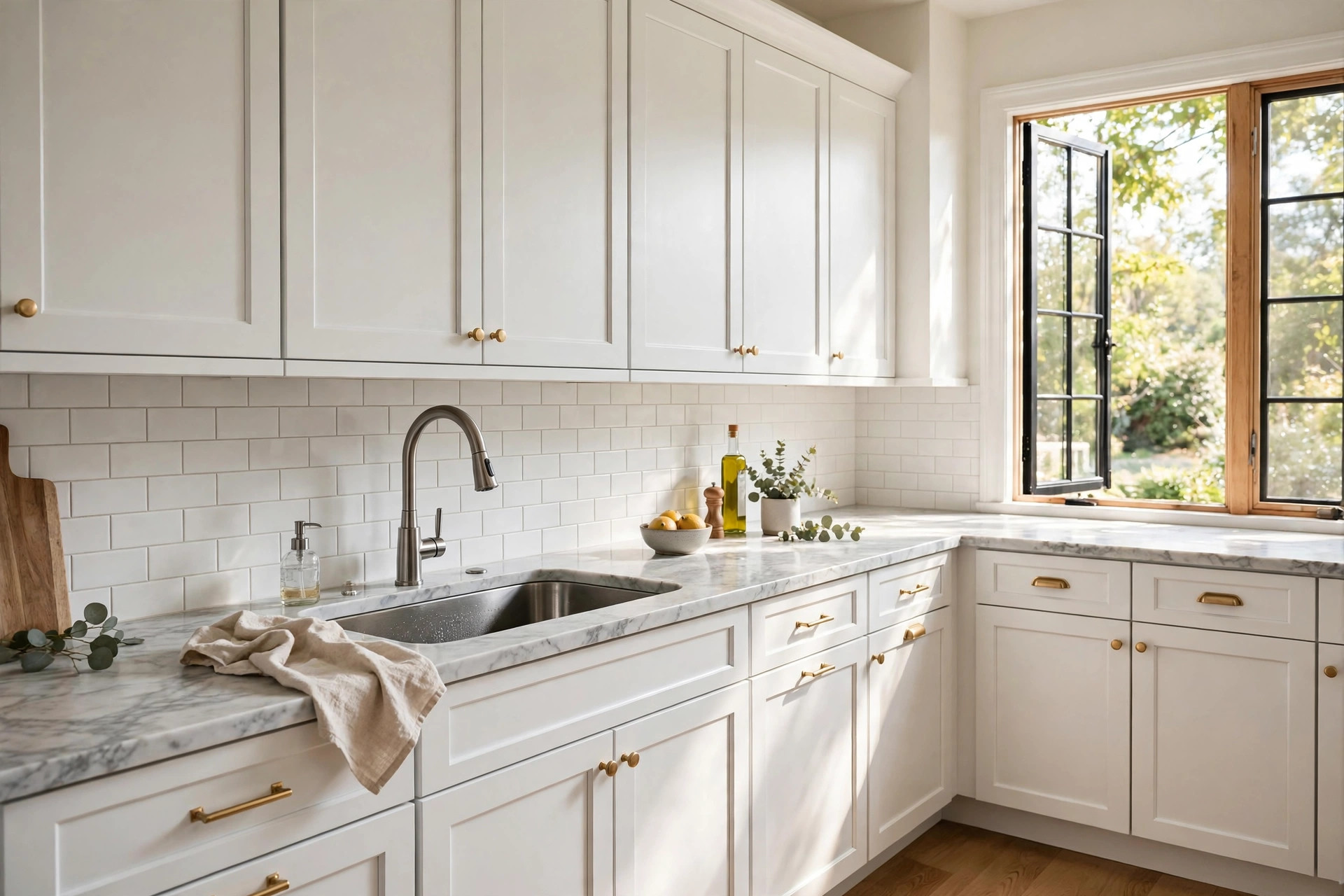
When you search for spray painting kitchen cabinets cost near me, you are asking one simple question. What will it cost to give my kitchen cabinets a new finish without tearing them out? The answer depends on the size of your kitchen, the paint you choose, and whether you hire a professional or do the work yourself. This guide walks through the numbers in plain terms. It also shows what good work looks like, so you can judge a fair price when you see one.
Why It Matters
Kitchen cabinets are the largest painted surface in most kitchens. A full replacement can cost ten times more than a new finish. Spray painting gives old cabinets a smooth, factory-like look that a brush and roller cannot match. It is a smart middle path between living with tired wood and paying for brand new cabinet boxes.
A good spray finish hides the brush marks and roller lines that show on so many do-it-yourself jobs. The paint goes on in a thin, even coat. It settles into a flat, hard shell. The doors look like they came from a cabinet shop.
There is another reason to consider spray painting kitchen cabinets. Cost control. A set of new custom cabinets for a medium kitchen can run well into five figures. A professional spray job usually costs a fraction of that. When you compare spray painting kitchen cabinets cost near me with replacement quotes, the difference is often striking.
How to Choose: What to Look for in a Painter: Spray Painting Kitchen Cabinets Cost near Me
Finding the right painter matters more than finding the lowest price. A cheap job that peels in a year is no bargain. Here is what to ask before you hire anyone.
Ask About Their Process
A real cabinet finisher follows a clear set of steps. They remove the doors and drawer fronts. They label each one so it goes back in the right spot. They clean the grease off every surface, because kitchen grease will ruin paint adhesion if it stays. They sand, fill, and prime. Then they spray two or more finish coats in a controlled space.
If a painter says they can brush the job in one day with no prep, walk away. Prep is where the quality lives. It should take longer than the actual spraying.
Ask About Their Paint
Cabinet paint is not wall paint. Good finishers use paints made for trim and cabinets, such as urethane enamel or alkyd blends. You can read about cabinet-grade paints from makers like Sherwin-Williams, Behr, and Benjamin Moore. If the painter plans to use plain latex wall paint on your cabinets, that is a warning sign. It will not hold up to daily use.
Check Reviews and Photos
Look for painters who show close-up photos of cabinet work, not just walls. Read recent reviews. Pay attention to comments about prep work, clean lines, and how the finish looks a year later. If you are comparing an interior house painters near me reviews search, filter for crews with real cabinet experience.
Ask About the Workspace
Professionals spray doors and drawer fronts off site in a shop or in a sealed area of your home. Cabinet boxes get masked and sprayed in place. Good painters build plastic barriers to keep overspray off your floors, counters, and appliances. Ask how they will protect the rest of your kitchen.
Types of Paint and Finish Options
Not all paints behave the same on cabinet wood. Here are the main types you will hear about.
Urethane Enamel
This is the standard for quality cabinet work today. It goes on smooth, dries hard, and resists scuffs and grease. Many finishers prefer it for spray jobs. It costs more per gallon than basic paint, but it lasts far longer.
Alkyd and Oil-Based Paint
Older cabinet jobs often used oil-based alkyds. They level beautifully and give a glass-like finish. The downsides are real: strong fumes, slow drying, and yellowing over time on white paint. Some shops still use alkyd primers under modern topcoats.
Lacquer
Some cabinet shops spray lacquer. It dries fast and hard, and pros love the finish. But lacquer needs special spray equipment and careful ventilation. It is not a common choice for in-home work. If you are reading a kitchen cabinet refinishing service cost usa comparison, note whether the shop uses lacquer or enamel, since the two differ in price and durability.
Water-Based Acrylic Enamel
Newer water-based acrylic enamels try to give the hardness of oil without the fumes. Quality has improved a great deal over the past decade. They are a good choice when you want low odor and quick re-entry into your kitchen. For help choosing, the guides at The Spruce and Bob Vila compare cabinet paints in plain language.
Sheen Choices
Most cabinet jobs use satin or semi-gloss. Satin hides small flaws and looks modern. Semi-gloss is a bit shinier and wipes down easily. Flat paint has no place on cabinets. It marks too easily and is hard to clean.
Cost and Price: What Spray Painting Kitchen Cabinets Costs Near You
This is the section most readers come for. Let us break the numbers down.
Professional Spray Job
In most parts of the United States, a professional spray paint job on kitchen cabinets costs between 3,000 and 10,000 dollars. A small kitchen with ten to fifteen doors might run 2,500 to 4,000 dollars. A large kitchen with forty doors and many drawer fronts can reach 8,000 to 12,000 dollars or more.
Some painters charge per door and drawer front. Common rates run 100 to 200 dollars per door and 75 to 150 dollars per drawer front, including the cabinet boxes in the total. Others price by the linear foot of cabinetry, often 150 to 350 dollars per linear foot. Both methods are fair as long as the painter explains what the price covers.
Big city markets cost more than small towns. Prices also rise when the cabinets need heavy repair: deep scratches, water damage, or old finish that must be stripped. Ask what counts as extra before you agree to a quote.
What the Price Should Include
A full-service quote should cover:
– Removal, labeling, and rehanging of all doors and drawers – Deep cleaning and degreasing of all surfaces – Sanding, filling, and caulking – Primer coat, usually oil or shellac based – Two or more finish coats of cabinet-grade paint – New hardware holes or new hinges if requested – Masking and protection of your kitchen
If a quote is far below the local range, ask what is missing. Missing prep is the usual answer.
Do-It-Yourself Cost
Doing it yourself cuts the price sharply. A homeowner can spray kitchen cabinets for 300 to 800 dollars in materials: a decent HVLP sprayer or paint sprayer rental, primer, cabinet paint, sandpaper, masking, and cleaning supplies. Stores like The Home Depot and Lowe’s carry rental sprayers and cabinet-grade paints.
The trade is time and skill. A DIY job takes several long days. The finish quality depends on your patience with prep and your steady hand with the sprayer. Many first-timers get good results on the third or fourth door, which is why pros suggest practicing on a closet door or a piece of scrap wood first.
Brush and Roll Versus Spray
Some painters brush and roll cabinets to cut cost. This method can save a few hundred dollars. But it cannot match the smooth finish of a spray job. If you want that factory look, pay for the spray work. If the budget is tight and you can live with light texture, a careful brush job with the best paint for kitchen cabinets can still look good.
How to Compare Quotes
Get at least three written quotes. Make sure each one lists the paint brand, the number of coats, the prep steps, and the timeline. A quote that only says “paint kitchen cabinets: 3,500 dollars” tells you nothing. Ask for details in writing before you sign.
Care and Upkeep After the Paint Dries
Fresh cabinet paint is soft for the first few weeks. It may feel dry to the touch in hours, but full hardness takes up to thirty days. Treat your cabinets gently during that first month. Do not scrub them. Do not hang damp dish towels on the doors. Let the finish cure.
Once cured, a sprayed enamel finish is easy to care for. Wipe doors with a soft cloth and mild dish soap. Avoid harsh scouring pads. Clean grease near the stove often, since built-up grease dulls the paint over time.
Chips happen. Keep a small jar of the exact paint and sheen for touch-ups. A dab with a fine artist brush on a small chip is nearly invisible on a sprayed finish. For larger damage, sand the spot lightly, prime it, and blend in the topcoat.
Every five to ten years, the high-touch areas may need a refresh. Handles, the area around the trash pull-out, and the doors near the stove wear first. A pro can touch up just those spots for a small fee.
Safety: Paint, Fumes, and Spray Work
Spray painting puts fine mist into the air. This is the one area where you should not cut corners.
Ventilation
Whether you hire a pro or do it yourself, the spray area needs fresh air flow. Pros often spray doors in a shop for this reason. For in-home work on cabinet boxes, painters should set up fans and vent fumes outside. Stay out of the room during spraying and for some hours after, as directed.
Respirators
Dust masks are not enough for spray painting. A respirator rated for organic vapors is the right tool. Pros wear them. If you do the job yourself, buy one and wear it every time you spray, even with water-based paint. The safety resources at CPSC offer general guidance on paint product safety, and paint makers publish safety data sheets for every product.
Lead Paint in Older Homes
Homes built before 1978 may have lead paint under the old finish. Sanding lead paint is dangerous and is covered by federal rules. If your kitchen is that old, hire a painter certified in lead-safe work practices. Do not sand old cabinet paint without knowing what is in it. This Old House has covered lead-safe renovation practices for many years, and their archives are a good reference.
Around Children and Pets
Keep children and pets away from the work area during painting and drying. Paint fumes irritate small lungs. Wet paint tempts curious fingers. Most pros ask that you plan for the kitchen to be off limits for a day or two.
Frequently Asked Questions
How long does a professional spray job take?
Most kitchen cabinet spray jobs take three to five working days. Day one is usually removal and cleaning. Days two and three are prep and priming. Day four is the finish coats. Day five is rehanging and touch-up. Larger kitchens take longer. Ask your painter for a written schedule.
Can you spray paint over stained or varnished cabinets?
Yes. This is one of the most common jobs in cabinet finishing. The old finish must be cleaned and sanded so the primer can grip. A stain-blocking primer keeps the old color from bleeding through. The key is prep, not the old color. White and light colors cover dark wood just fine with the right primer.
Will spray paint hold up on kitchen cabinets?
A proper spray job with cabinet-grade enamel holds up very well. It resists daily wiping, steam from cooking, and light bumps. It will not last forever. Expect seven to ten years of good looks in a busy kitchen before high-touch spots need attention. Cheap paint with weak prep may fail in one or two years.
Should I remove the doors or spray them in place?
Remove them. Every professional removes doors and drawer fronts for spray work. Spraying in place leaves an uneven finish and risks overspray on hinges. The cabinet boxes are sprayed in place with careful masking. This is standard practice.
How much can I save by doing it myself?
A DIY spray job can save 2,000 to 7,000 dollars compared with hiring a pro, depending on kitchen size. The cost is your time and the risk of a rough finish. If you enjoy detail work and can spare a long weekend plus a few evenings, DIY is a fair choice. If not, hire it out.
Is it worth spray painting cabinets before selling a house?
Often yes. Fresh, neutral cabinets photograph well and make a kitchen look newer for a modest cost. White, light gray, and warm greige are safe colors for resale. Bold colors can narrow your buyer pool. If the cabinets are in poor shape, a paint job may not hide real damage. Be honest about what the paint can and cannot fix.
A Final Word
When you type spray painting kitchen cabinets cost near me into a search box, you want a number you can trust. The honest answer is a range, not a single figure. For most kitchens, a quality professional job lands between 3,000 and 10,000 dollars. DIY lands between 300 and 800 dollars in materials. The right choice depends on your budget, your time, and the finish you want.
Spend the most care on the parts you cannot see in a quote: the prep work, the primer, and the paint quality. Those are what separate a five-year finish from a ten-year finish. Ask painters to spell them out in writing. Compare three quotes. Check reviews and photos of real cabinet work. If you do it yourself, practice first and respect the safety rules.
Cabinets take a beating every day. A smooth, hard sprayed finish is one of the best values in home improvement. With good paint and honest work, your kitchen can look brand new for a fraction of replacement cost. The guides at HGTV show what a fresh cabinet finish can do for a whole room, and that may be the push you need to start.
References
Behr. (n.d.). Paints, primers, and stains. https://www.behr.com Benjamin Moore. (n.d.). Paints and stains. https://www.benjaminmoore.com Bob Vila. (n.d.). Home improvement advice. https://www.bobvila.com HGTV. (n.d.). Home and garden ideas. https://www.hgtv.com Lowe’s. (n.d.). Home improvement products. https://www.lowes.com Sherwin-Williams. (n.d.). Paints and coatings. https://www.sherwin-williams.com The Home Depot. (n.d.). Home improvement products. https://www.homedepot.com The Spruce. (n.d.). Home and garden advice. https://www.thespruce.com This Old House. (n.d.). Home renovation guidance. https://www.thisoldhouse.com U.S. Consumer Product Safety Commission. (n.d.). Product safety information. https://www.cpsc.gov
Was this guide helpful?

About Sarah Mitchell
The My Garden US editorial team writes practical, in-depth home and garden guides for American homeowners — tested advice, no fluff.