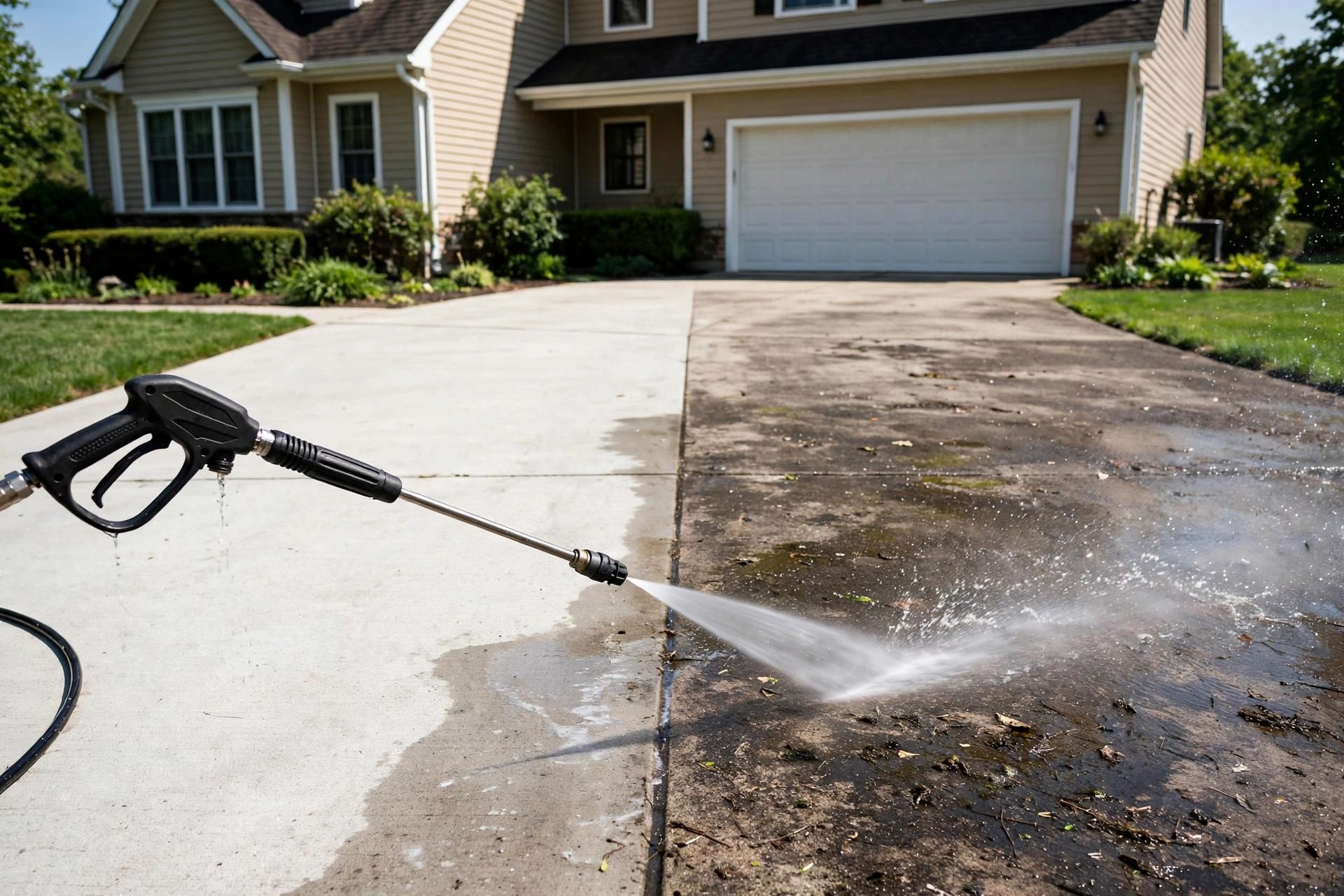

Every American home collects dirt over time. Rain, dust, pollen, and mildew settle on siding, driveways, decks, and fences. The grime builds slowly, and one day the house looks dull and tired. This pressure washing service companies cost guide USA explains what professional pressure washing costs, what changes the price, and how to hire a company you can trust. Read it before you call for quotes, and you will know exactly what to ask and what to pay.
Why Hiring a Pressure Washing Company Matters
A pressure washer blasts water at high force. It removes years of dirt in minutes. That sounds simple, but the wrong pressure can strip paint, gouge wood, crack mortar, and push water behind siding. Many homeowners learn this the hard way after renting a machine. A trained crew knows which surfaces can take full force and which need a soft wash.
Professional companies also carry the right tools. They use commercial machines, rotary wands, surface cleaners, and safe detergents. A rental unit from the store is weaker and harder to control. The crew can also finish a full house in a few hours, while a beginner may spend a whole weekend and still miss spots.
There is also the matter of safety. High-pressure water can cut skin. Ladders plus wet surfaces make falls likely. The EPA’s outdoor water-use guidance notes that wash water can carry oil, soap, and paint chips into storm drains, so a good company plans for runoff and follows local rules. Hiring a licensed crew shifts these risks away from you.
How to Choose a Pressure Washing Service Company: Pressure Washing Service Companies Cost Guide Usa
Not every company with a truck and a hose does good work. Use these checks before you sign anything.
Ask About Licenses and Insurance
A serious company holds a business license and general liability insurance. Ask for proof. Insurance matters because a broken window or damaged siding should be the company’s bill, not yours. If the crew uses employees rather than day labor, ask about workers’ compensation coverage as well.
Ask About Their Method and Equipment
Good companies match the method to the surface. Hard concrete can take high pressure. Wood decks and vinyl siding often need a soft wash, which uses lower pressure with detergents. Ask how they will treat your specific surfaces. Vague answers are a warning sign.
Ask if they bring their own water or use yours. Most crews can do either. Ask what detergents they use, especially if you have pets, plants, or a garden near the wash area. The Consumer Reports pressure washer guide explains the difference between electric and gas machines, which helps you judge whether a company’s equipment fits the job size.
Read Reviews and Ask for References
Look at reviews on several sites, not just the company’s own page. Pay attention to comments about punctuality, care for landscaping, and cleanup after the job. Ask the company for two or three recent references you can call. A crew that stands behind its work will give them gladly.
Get the Quote in Writing
A written quote should list each area to be cleaned, the method, the detergents, and the total price. It should state whether the price is flat or hourly. It should also note how the company handles damage claims. Verbal promises mean little when something goes wrong. Pairing your pressure wash with window cleaning service companies is a common bundle that can lower the price of each service.
Types of Pressure Washing Services
Companies offer several services. Prices vary by area and by job size.
House Siding Washing
Siding is the most common job. Crews wash vinyl, brick, stucco, or fiber cement. Most use a soft wash method with detergent, then rinse at low pressure. This kills mildew at the root so it does not return quickly. Knowing the house siding washing cost ahead of time helps you compare quotes fairly.
Driveway and Walkway Cleaning
Concrete and pavers take high pressure. Crews often use a surface cleaner, a round spinning head that cleans evenly and avoids streaks. Oil stains may need a degreaser and a second pass. Driveway cleaning service prices often run lower per square foot than house washing because the work goes faster.
Deck and Fence Washing
Wood needs care. Too much pressure raises splinters and scars the boards. A careful crew uses moderate pressure along the grain, then may brighten the wood with an oxalic acid treatment. Composite decking needs even lower pressure. Ask if the quote includes a wood brightener or sealer.
Roof Soft Washing
Some companies wash roofs with very low pressure and a detergent that kills algae. Never let anyone blast a shingle roof with high pressure. It strips the granules that protect the shingles. A soft wash is the only safe choice.
Commercial and Fleet Washing
Businesses hire crews for storefronts, sidewalks, parking lots, and truck fleets. These jobs are priced by square foot or by contract. Homeowners do not need this tier, but it shows the range of the trade.
Pressure Washing Cost and Price Guide
Prices change by region, but national patterns are steady. The figures below reflect common 2025 and 2026 rates across the United States.
National Average Cost
Most homeowners pay between $200 and $450 for a standard house wash. A small job, such as a front porch or a short walkway, can run $100 to $175. Large jobs, such as a full house plus driveway and deck, can reach $500 to $800 or more. Looking up current residential pressure washing prices in your zip code gives the clearest picture.
Cost by Job Type
House siding, one to two stories, often costs $250 to $500. Driveways usually run $100 to $250 for a standard two-car driveway. Decks run $150 to $350 depending on size and wood condition. Fences run $150 to $400. Roof soft washing runs $250 to $600. Gutter exteriors can be added for $50 to $150. Many homeowners who wash the siding also book commercial grade gutter cleaning tools or a gutter service in the same visit.
What Changes the Price
Several factors push a quote up or down.
Size of the area. Bigger areas take more time and water. Some companies price by square foot, often $0.15 to $0.40 per square foot for house washing.
Condition of the surface. Heavy mildew, moss, oil stains, or graffiti need detergents and extra passes. A lightly dusty house costs less than a shaded north wall covered in algae.
Height and access. Two-story homes need ladders or longer wands. Steep hillsides, tight gates, and far water sources add labor.
Local labor rates. Prices run higher on the coasts and in large cities. Rural areas and the South often cost less.
Minimum charges. Most companies set a minimum, often around $150, because travel and setup cost the same for small jobs.
Flat Rate Versus Hourly
Most residential jobs are flat rate. You agree on a price before work starts. Some companies charge hourly, often $60 to $100 per hour per worker, for odd jobs. Flat rates are easier to compare. Ask what happens if the job runs long. A flat quote should stay flat unless you add work.
Care and Upkeep After a Wash
A good wash lasts one to three years. Shade, trees, and humidity shorten that span. You can stretch it with simple habits.
Trim branches that touch the house. Shade and trapped moisture feed mildew. Keep gutters clean so dirty overflow does not streak the siding. Rinse dusty areas with a garden hose once a season. This takes minutes and delays the next deep wash.
Watch for mildew’s return on the north side and under eaves. Catching it early means a light rinse fixes it. Waiting until the whole wall is green means another full job. If mildew returns fast, ask the company which detergent they used. Some budget crews skip the mildewcide to save money. A mild wash once a year on shaded walls stops the cycle and keeps the home bright between full services.
Seal concrete every few years after washing. Sealer keeps oil and water from soaking in, so stains lift easier next time. For wood decks, plan on resealing every two to three years. Clean gutters and downspouts each fall so overflow does not stain fresh siding. When gutters overflow with mold and rot, the underlying issue may need mold remediation services rather than a simple wash.
Safety Notes for Homeowners
Even when a company does the work, you should know the basics.
Stay clear of the spray path. The crew should rope off work zones. Keep children and pets inside until the crew leaves. The detergent mist can irritate eyes and lungs.
Cover or move plants near the wash zone. A careful crew pre-wets and covers landscaping, then rinses plants after. Mention prized shrubs before work starts.
Check electrical fixtures. Outdoor outlets, lights, and doorbells should be covered or avoided. Tell the crew about any loose siding, cracked windows, or soft wood. Honesty prevents damage.
Never let anyone pressure wash near open windows or attic vents. Water forced inside causes mold. The This Old House exterior care guides and the Family Handyman cleaning library both warn that improper washing causes more harm than the dirt ever did.
Frequently Asked Questions
How much does it cost to pressure wash a house in the USA?
A typical one to two story home costs $250 to $500. Small homes can cost less, and large or heavily soiled homes can cost more. Most companies quote flat rates after seeing the property or photos of it.
Should I rent a machine or hire a company?
Renting costs $40 to $100 per day plus detergent and your time. It suits small jobs like a short walkway. Hiring suits house siding, roofs, and large decks, where wrong pressure causes costly damage. For most homes, the crew’s skill is worth the price.
How often should a house be pressure washed?
Every one to three years is the common rule. Homes in humid, shaded, or coastal areas need it more often. If you see green or black streaks, it is time.
Does pressure washing damage siding or paint?
It can if done wrong. High pressure strips paint and forces water behind vinyl siding. A soft wash with detergent is safe for most siding. Ask the company which method they plan to use on your walls.
Do I need to be home during the service?
No, as long as the crew can reach all areas and the water spigot. Many homeowners leave for the day. Ask the company to call or text before and after the job so you know it is done.
What should I do before the crew arrives?
Close all windows and doors. Move patio furniture, grills, and potted plants away from walls. Cover outdoor outlets. Note any loose siding or broken seals and tell the crew leader.
Can pressure washing remove oil stains from concrete?
Fresh oil lifts well with a degreaser and a hot water pass. Old, deep stains may lighten but not vanish fully. Set your hopes by asking the company to test one small spot before you commit to the full job.
A Short Final Word
Pressure washing is one of the cheapest ways to refresh a home. The job is fast, the results are plain to see, and the cost is modest beside most home repairs. The key is hiring right. Get written quotes from two or three companies. Ask about method, insurance, and detergents. Pick the crew that answers clearly, not just the lowest bid. A careful wash protects your home and keeps it looking new for years. Keep the written quote and the company’s number on file, so the next wash is a simple call instead of a fresh search.
For more background, see Good Housekeeping, The Spruce, and Bob Vila. See also Target for further detail.
References
Bob Vila. (n.d.). Home improvement advice. https://www.bobvila.com Consumer Reports. (n.d.). Product reviews and ratings. https://www.consumerreports.org Family Handyman. (n.d.). DIY home repair and maintenance. https://www.familyhandyman.com Good Housekeeping. (n.d.). Product reviews and home advice. https://www.goodhousekeeping.com Target. (n.d.). Retail store. https://www.target.com The Spruce. (n.d.). Home and garden advice. https://www.thespruce.com This Old House. (n.d.). Home renovation guidance. https://www.thisoldhouse.com U.S. Environmental Protection Agency. (n.d.). Protecting human health and the environment. https://www.epa.gov
Was this guide helpful?

About Lisa Anderson
The My Garden US editorial team writes practical, in-depth home and garden guides for American homeowners — tested advice, no fluff.
You May Also Like

Window Cleaning Robots Reviews and Buying Guide
July 18, 2026 0 views
Eco Friendly Cleaning Supplies: Reviews and Buying Guide
April 19, 2026 0 views
Professional Grade Tile Grout Cleaning Machines for Sale: A Practical Buyer’s Guide
May 19, 2026 0 views