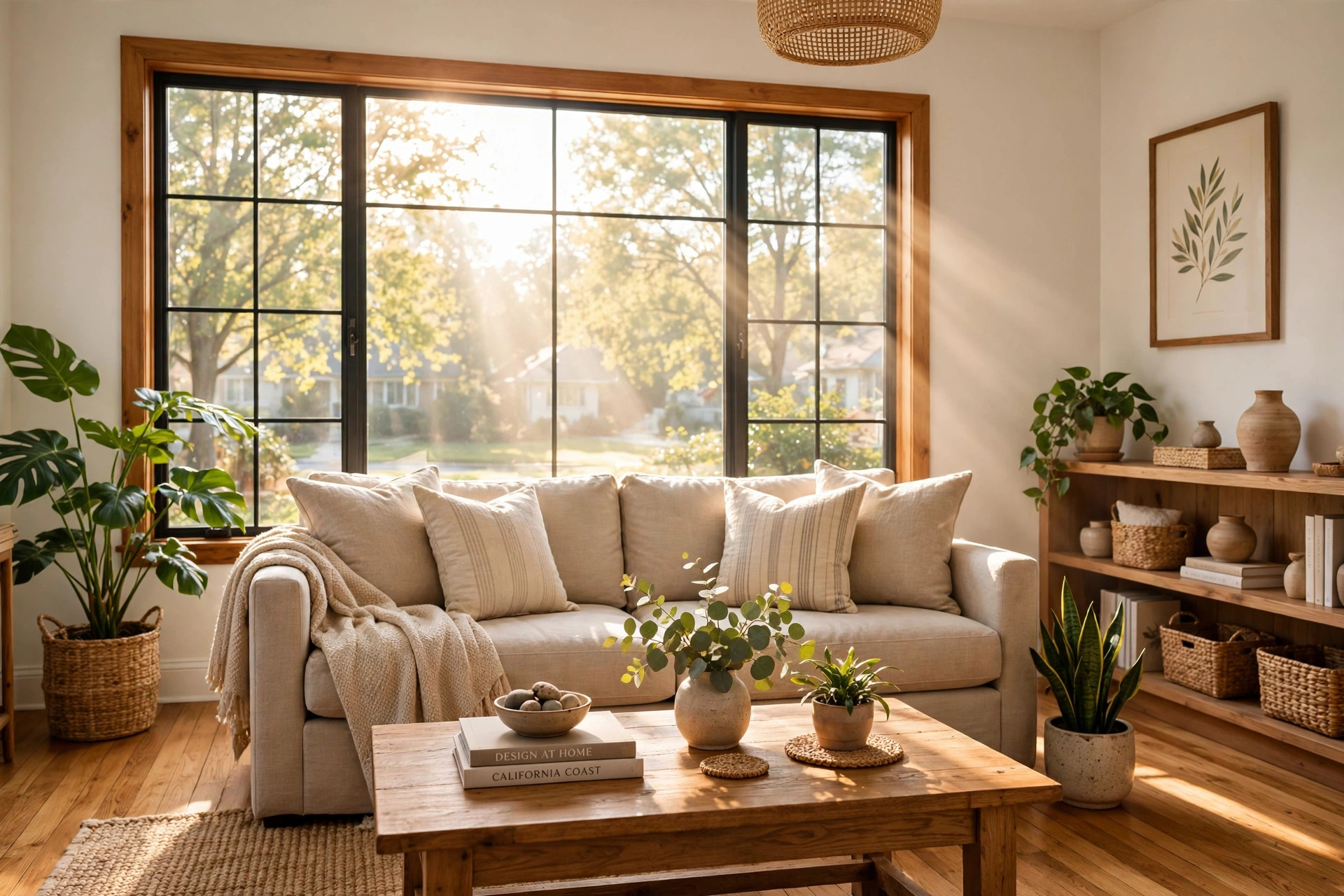

The search for warm white paint colors benjamin moore usa starts the same way for many people. They want walls that look clean and bright but still feel warm. They do not want a cold blue white. They do not want a dark cream either. They want the middle ground, a soft white that glows in daylight and stays gentle at night.
Warm white is one of the most useful paint colors a home can have. It works in small rooms and large ones. It suits modern homes and old farmhouses. It pairs with wood floors, white trim, stone, and fabric. And Benjamin Moore makes some of the finest warm whites sold in the United States.
This guide explains what warm white means, how to pick the right shade, which Benjamin Moore colors designers reach for most often, what paint costs, and how to keep warm white walls looking fresh for years.
Why Warm White Walls Matter
A pure bright white can look sharp in a photograph but cold in a real room. Warm white solves this problem. It keeps the light and airy feeling of white while adding a soft touch of yellow, cream, or even a hint of pink underneath. The result feels calm and welcoming.
Warm white walls also make decorating easier. They sit well beside warm wood floors, brass fixtures, leather chairs, and natural linen. They do not fight with other colors. A warm white room can hold a navy sofa, a green plant, or a red rug without any clash. That flexibility is one reason painters and designers in the USA keep recommending warm whites year after year.
Light plays a big role too. Warm whites reflect daylight in a kind way. A north facing room that feels gray and flat can look softer with a warm white. A south facing room that gets strong sun will look golden and bright.
How to Choose the Right Warm White: Warm White Paint Colors Benjamin Moore Usa
Choosing paint from a small color chip is the most common mistake. A warm white that looks perfect on a one inch square can look very different across a whole wall. The steps below help you choose with confidence.
Understand Undertones
Every white paint has an undertone, a faint color hiding beneath the white. Warm whites usually lean toward yellow, cream, beige, or sometimes a soft pink or green. White Dove, for example, has a soft warm undertone that reads creamy in most light. Swiss Coffee leans a little more toward cream and tan.
Undertones matter because they show up next to other colors. A warm white next to gray carpet may suddenly look yellow. The same white next to oak floors may look just right. Always judge a warm white beside the fixed colors in your room, the floor, the trim, and the furniture.
If you are unsure about undertones, an online paint color consultation service can help you compare shades before you buy a single gallon.
Test the Color in Your Own Light
Buy sample pots, not just paper chips. Paint large test squares, at least two feet by two feet, on two different walls. Look at them in the morning, at noon, and at night under your lamps. Live with the samples for two or three days.
Pay attention to the direction your windows face. North light is cool and gray, so it pulls out the warmth in a warm white. South light is strong and golden, so it deepens warm shades. East light is bright in the morning and soft later. West light turns warm and orange in the late afternoon. A color that sings in a south facing kitchen may look dull in a north facing bedroom.
Painting guides on Bob Vila and This Old House both stress the same rule: never pick a white from a store shelf alone. The store lights lie. Your home tells the truth.
The Best Known Warm Whites by Benjamin Moore
Benjamin Moore sells dozens of whites, and a good share of them are warm. The five below are the ones designers, painters, and homeowners in the USA name most often.
White Dove (OC-17). This is the most loved warm white Benjamin Moore makes. It is soft and creamy without turning yellow. It works on walls, trim, ceilings, and cabinets. Many painters call it the safe choice because it flatters almost every room. In bright rooms it stays warm and gentle. In dim rooms it holds its glow.
Simply White (OC-117). This shade is a touch crisper than White Dove. It still reads warm, but it has a cleaner edge. It suits modern kitchens and trim work, and it pairs well with cool colors like gray stone or black hardware.
Swiss Coffee (OC-45). This is a deeper, cozier warm white. It leans toward cream and works beautifully in bedrooms and living rooms where you want a soft wrap of color. It can look a little dark in rooms with little light, so test it well before you commit.
Cloud White (OC-130). A soft white with just a breath of warmth. It is a favorite for trim and ceilings because it looks clean but never icy.
Linen White (OC-146). A pale, traditional warm white with a hint of yellow. It suits classic and country style homes. It can look golden in strong sunlight, so it is best in rooms where you want a clearly warm, old house feeling.
You can browse the full range of whites on the Benjamin Moore website, where each color page shows the light reflectance value and suggested pairings. Competing makers such as Sherwin-Williams and Behr also publish warm white lines worth comparing side by side.
If you are weighing whites more broadly, our guide to the best white paint for interior walls compares warm and cool options room by room.
Warm Whites Room by Room
Not every warm white suits every room. The light, the size, and the use of the room all matter.
Living rooms. Living rooms take the most light and the most eyes. White Dove and Swiss Coffee are strong picks here. They keep the room bright while adding warmth that suits sofas, books, and wood. If you plan an accent wall with painted color in the living room, a warm white on the other three walls lets the accent wall shine without competition.
Bedrooms. Bedrooms want calm. Swiss Coffee and Linen White bring a soft, restful glow that suits morning and evening light. Keep the sheen low, flat or eggshell, so the walls do not shine under bedside lamps.
Kitchens. Kitchens need paint that can be wiped clean, so pick an eggshell or satin finish. Simply White and Cloud White are popular on kitchen walls and cabinets. They stand up well beside stainless steel, marble, and butcher block. Warm white cabinets look timeless and hide small marks better than stark white.
Bathrooms. Bathrooms are small and often damp. A warm white like Cloud White brightens the space without the harsh look of a cool white. Use a finish made for moisture, such as satin or semi gloss, and make sure the fan vents steam outside.
Hallways and trim. Warm whites make hallways feel open and clean. Cloud White and White Dove are both fine choices for trim, doors, and ceilings throughout the house. Using one trim color in every room ties the whole home together.
Home and garden sites such as The Spruce and HGTV publish room by room paint guides with photographs that show how warm whites behave in real homes.
Cost and Price
Warm white paint costs the same as any other color from the same product line. The price depends on the quality of the paint, not the shade.
Benjamin Moore sells several interior lines. Their contractor grade line is the most affordable. Their mid range lines, such as Ben and Regal Select, cost more but cover better and resist scuffs. Their top line, Aura, is the most expensive but offers the richest color and the best durability. Most homeowners in the USA pay roughly between fifty and ninety dollars for a gallon of Benjamin Moore interior paint, depending on the line and the store.
Sample pots are a small extra cost, usually a few dollars each, and they are worth every cent. A one gallon can covers about three hundred fifty to four hundred square feet with one coat. Most warm whites need two coats for full, even coverage, especially over a darker old color.
Hiring a painter adds labor cost. Professional painters in the USA often charge between two and six dollars per square foot of wall space, or a few hundred dollars per room, depending on the region and the amount of prep work. Good prep, filling holes, sanding, and priming, costs extra but makes the final job last much longer.
Big home improvement stores such as Lowe’s and The Home Depot stock Benjamin Moore and rival brands, and their websites list current prices and bulk deals.
Care and Upkeep
Warm white walls show marks a little more than dark walls, but they are easy to keep clean with the right habits.
Dust walls once or twice a year with a dry microfiber cloth or a vacuum brush. For small marks, wipe gently with a damp sponge and a drop of mild dish soap. Do not scrub hard, or you may polish the paint and leave a shiny spot.
Keep a small jar of leftover paint from each room. Label it with the room name, the color name, and the date. Touch up scuffs and nail holes with a small brush, feathering the edges so the repair blends in. Touch ups work best within the first year or two, before the wall paint has aged and shifted in tone.
Warm whites can yellow very slowly over many years, especially oil based paints near heat. Modern water based acrylic paints resist yellowing far better. If a room starts to look dingy after five to eight years, a fresh coat brings back the original glow. Repainting a room in the same warm white is one of the simplest and cheapest ways to renew a home.
Safety
Paint is safe when used with care, but a few rules matter.
Open windows and run a fan while you paint. Benjamin Moore makes low odor and low VOC formulas, often labeled Green Promise, which are a good choice for bedrooms and nurseries.
If your home was built before 1978, the old paint may contain lead. Do not sand or scrape old paint without testing first. Lead dust is dangerous, above all for children and pregnant women. Hire a certified lead safe contractor for any work that disturbs old paint. Government guidance on lead safety is clear and worth reading before any renovation.
Keep paint cans closed and out of reach of children and pets. Store leftover paint in a cool, dry place where it cannot freeze. Dispose of old paint through your town’s household hazardous waste program, never by pouring it down a drain.
Frequently Asked Questions
What is the most popular warm white by Benjamin Moore? White Dove is the clear favorite. Painters, designers, and homeowners in the USA name it more than any other warm white. It is soft, creamy, and flexible enough for walls, trim, and cabinets in almost any style of home.
Is White Dove too yellow? In most rooms, no. White Dove has a warm undertone, but it reads as a soft creamy white, not yellow. It can look a touch warmer in strong southern sun or under warm yellow bulbs. If you fear yellow, test Simply White or Cloud White beside it and compare.
Should I pick a warm white or a cool white? It depends on your light and your finishes. Warm whites suit rooms with warm wood, cream carpet, brass, and golden light. Cool whites suit rooms with gray floors, chrome, and cool northern light. When in doubt, warm white is the safer and more forgiving choice for most American homes.
Can I use the same warm white on walls, trim, and ceiling? Yes, and many designers do exactly that. Using one warm white everywhere creates a calm, seamless look. To add a little shape to the room, use a flat finish on the ceiling, eggshell on the walls, and satin or semi gloss on the trim. The same color then shows three slightly different faces.
How many coats of warm white paint do I need? Plan on two coats. The first coat covers the old color. The second coat gives full, even warmth and depth. Over a very dark old color, a coat of primer first saves paint and gives a truer final shade.
Does warm white paint cost more than other colors? No. The shade does not change the price. You pay for the paint line and the finish, not the color. A gallon of White Dove costs the same as a gallon of any other color in the same Benjamin Moore line.
A Final Word
Warm white is a quiet color, but it does loud work in a home. It brightens dark corners. It warms cold light. It lets your furniture, art, and wood floors take the stage. And few paint makers do warm white as well as Benjamin Moore does.
Start with White Dove, Simply White, or Cloud White. Test them in your own light. Give the samples two or three days. The right warm white will make the room feel finished, the way a good lamp or a soft rug does. It is a small choice that you will enjoy every day for years.
References
Behr. (n.d.). Paints, primers, and stains. https://www.behr.com Benjamin Moore. (n.d.). Paints and stains. https://www.benjaminmoore.com Bob Vila. (n.d.). Home improvement advice. https://www.bobvila.com HGTV. (n.d.). Home and garden ideas. https://www.hgtv.com Lowe’s. (n.d.). Home improvement products. https://www.lowes.com Sherwin-Williams. (n.d.). Paints and coatings. https://www.sherwin-williams.com The Home Depot. (n.d.). Home improvement products. https://www.homedepot.com The Spruce. (n.d.). Home and garden advice. https://www.thespruce.com This Old House. (n.d.). Home renovation guidance. https://www.thisoldhouse.com
Was this guide helpful?

About David Wilson
The My Garden US editorial team writes practical, in-depth home and garden guides for American homeowners — tested advice, no fluff.
You May Also Like

Best Paint for Garage Walls USA: A Plain Guide to Durable Choices
September 26, 2026 0 views
Antimicrobial Wall Paint for Kitchens USA: A Plain Buyer’s Guide
July 19, 2026 0 views
Driveway Sealer Buying Guide for USA Homes
May 18, 2026 0 views