---
Table of Contents
Table of Contents
- Small Kids Room Feel Bigger: 1. Paint It Light
- 2. Let the Light In
- 3. Choose Low, Leggy Furniture
- 4. Go Vertical With Storage
- 5. Pick Furniture That Does Double Duty
- 6. Keep the Floor Visible
- 7. Use One Calm Color Story
- 8. Layer the Lighting
- 9. Clear the Clutter Regularly
- Layout Tips That Add Space
- A One-Day Makeover Plan
- What to Avoid
- References
A small kids room does not have to feel small. With the right colors, light, furniture, and layout, even a tiny bedroom can feel open, calm, and roomy. The tricks are simple. They cost little, and most can be done in a weekend. Here is how to make a small kids room feel bigger without knocking down a single wall. This guide covers small kids room feel bigger in plain steps.
The core idea is visual space. A room feels bigger when light moves freely, when the floor stays visible, and when the eye is not stopped by clutter or dark, heavy shapes. Every tip below serves that idea.
Small Kids Room Feel Bigger: 1. Paint It Light
When it comes to small kids room feel bigger, getting the details right makes all the difference.
Many homeowners find that small kids room feel bigger is easier than they expected once they know the basics.
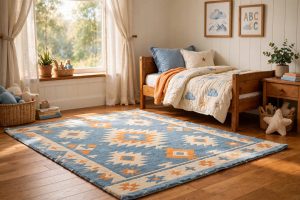
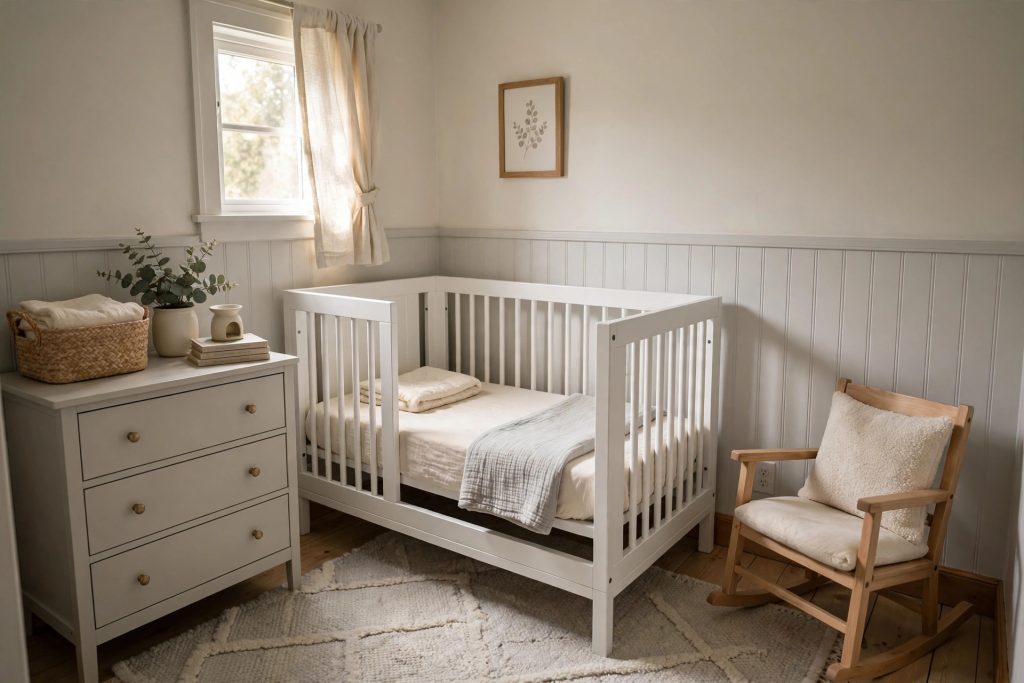
Light colors reflect light and push walls visually outward. Soft whites, pale sage, light sky blue, and warm sand all make a small room feel larger. You do not need stark white. A soft tint with a little warmth feels cozy without closing the room in.
Keep the ceiling white or a touch lighter than the walls. Painting the ceiling the same light color as the walls blurs the line where wall meets ceiling, which adds a sense of height. One accent wall in a soft color is fine, but keep the other walls light so the room stays airy. For a healthy paint choice, our best paint for garage walls guide covers durable low-odor options, and the EPA's indoor air quality guide explains why low-emission paints matter in small, closed rooms.
2. Let the Light In
Many homeowners find that small kids room feel bigger is easier than they expected once they know the basics.
The key to small kids room feel bigger is choosing the right approach for your space and budget.
Natural light is the cheapest room enlarger there is. Keep windows clear. Use simple curtains or shades that pull fully aside by day. Heavy drapes that cover half the window steal both light and the sense of space.
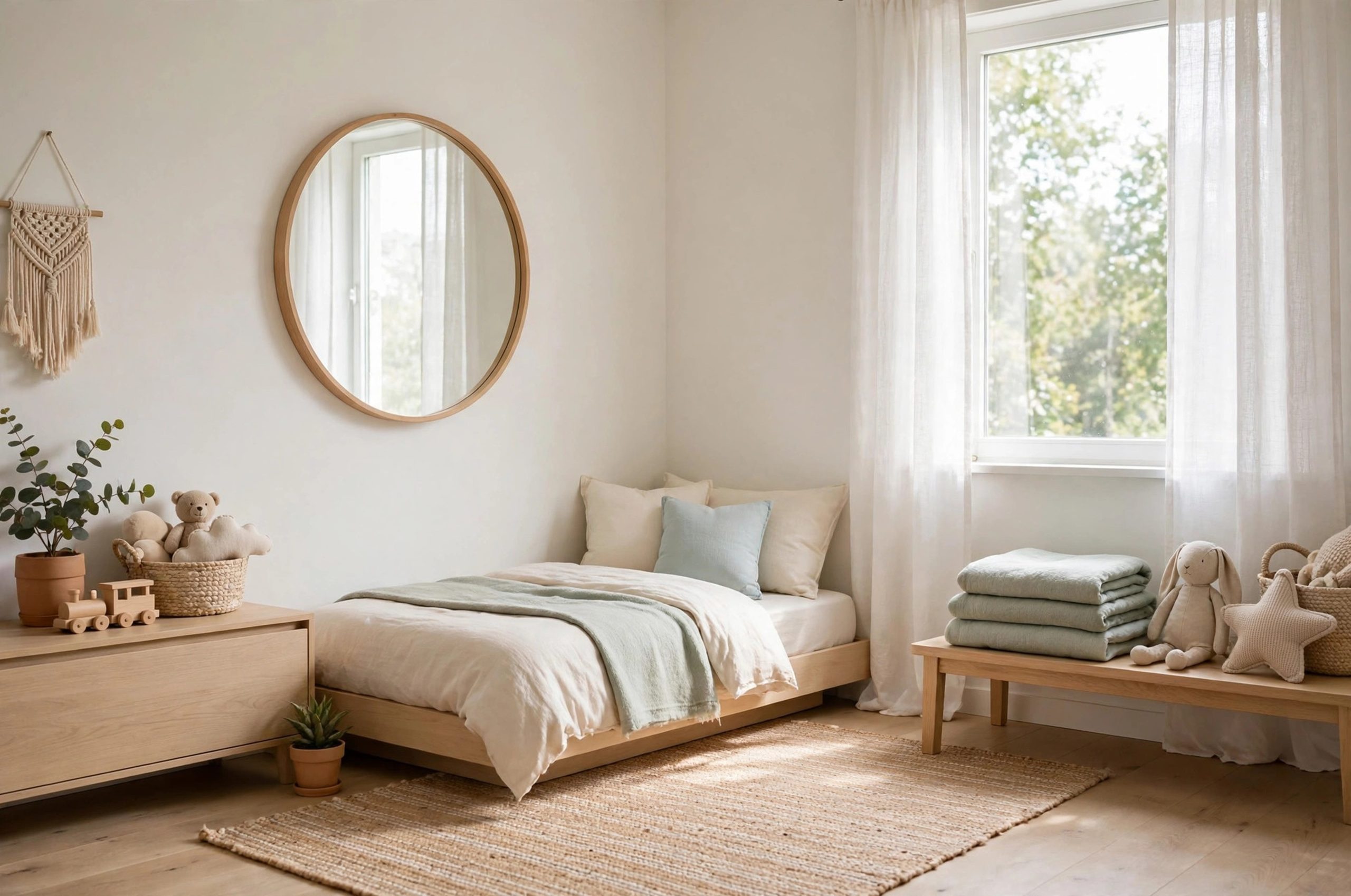
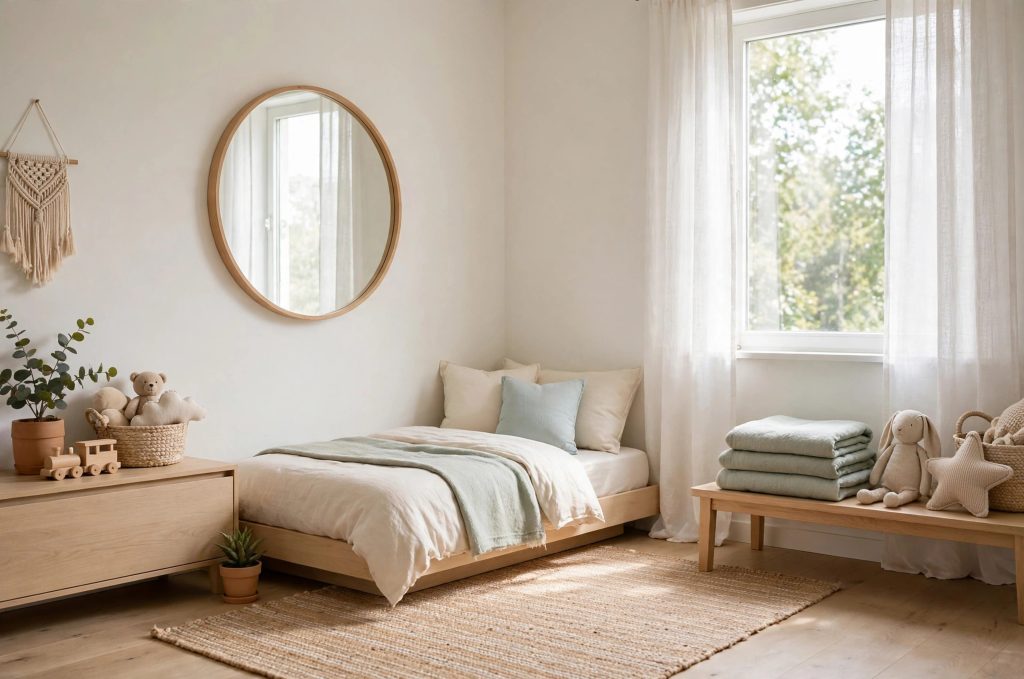
Add a mirror across from or beside the window to bounce daylight deeper into the room. A mirror does not need to be big. Even a medium mirror on the wall opposite the window doubles the light and the view. The HAR shared bedroom guide lists mirrors as one of the simplest ways to expand a tight room visually.
3. Choose Low, Leggy Furniture
The key to small kids room feel bigger is choosing the right approach for your space and budget.
With a little planning, small kids room feel bigger can fit even a busy schedule.
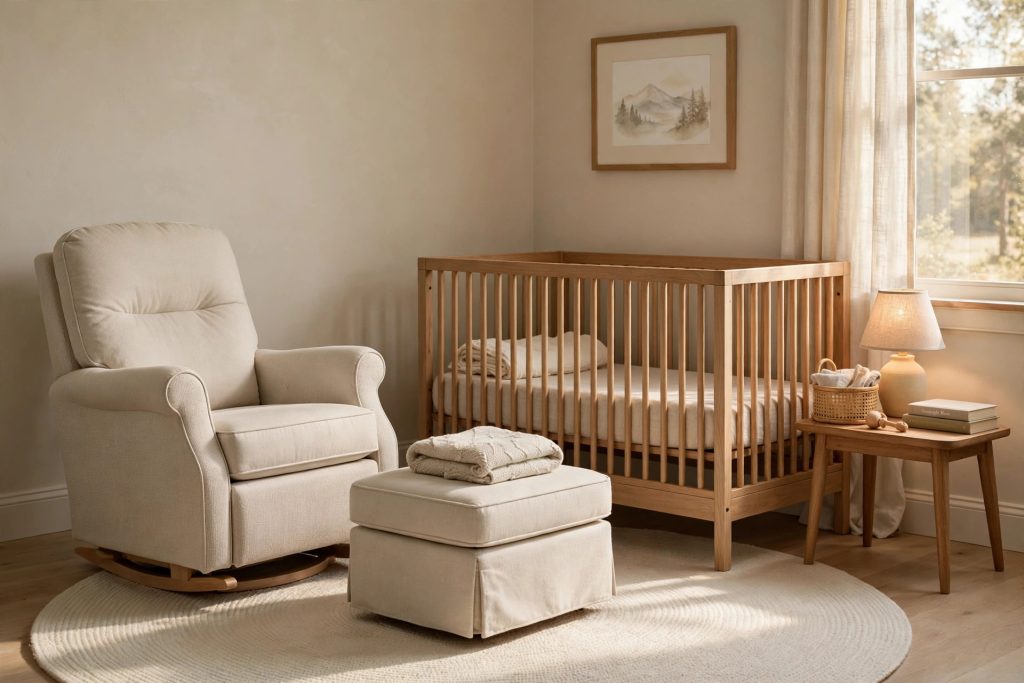
Furniture that sits on visible legs lets the eye travel underneath it, which reads as more floor space. A bed on legs, a dresser with tapered feet, and a small desk on slim legs all help. Avoid bulky pieces that sit flat on the floor and block the view of the floor.
Keep furniture low where you can. A low bed or platform bed leaves more wall visible above it, which makes the ceiling feel higher. Tall, heavy pieces should go against the shortest wall or into a corner so they do not block sight lines from the door.
4. Go Vertical With Storage
With a little planning, small kids room feel bigger can fit even a busy schedule.
Before you start, it helps to understand how small kids room feel bigger works in real homes.
Small rooms run out of floor fast, so use the walls. Floating shelves, tall narrow bookcases, wall-mounted organizers, and hooks pull storage up and off the floor. A narrow bookcase for small corners or a wall-mounted nursery bookshelf adds storage without stealing a single square foot of floor.
Anchor every tall piece to the wall. In a small room, kids climb whatever is there, and a tipping bookcase in a tight space is dangerous. The Anchor It! campaign shows how quick this step is, and Safe Kids Worldwide lists it among the top home safety moves.
5. Pick Furniture That Does Double Duty
Before you start, it helps to understand how small kids room feel bigger works in real homes.
A good plan for small kids room feel bigger saves time, money, and frustration.
Every piece in a small room should earn its footprint:
- A bed with built-in drawers replaces a dresser.
- A storage ottoman holds toys and works as a seat.
- A desk with shelves above it skips the need for a separate bookcase.
- A trundle bed hides the second mattress by day.
Multi-use pieces cut the furniture count, and fewer pieces mean more visible floor. The BlogPro small bedroom storage guide recommends bunk beds with storage drawers and room dividers that double as shelving for exactly this reason.
6. Keep the Floor Visible
A good plan for small kids room feel bigger saves time, money, and frustration.
The more floor you can see, the bigger the room feels. Tuck storage under the bed, hang things on walls and doors, and resist lining every wall with furniture. Leave one stretch of open floor for play. A low-pile rug in a light color defines the play zone without swallowing the space, and it is easier to clean.
Rotate toys instead of displaying them all. Keep a small set out and store the rest in a closet or under the bed. Fewer visible toys means less visual clutter, and the stored toys feel new again when they rotate back in. Our kids bookshelf corner unit for small bedrooms keeps books tidy and off the floor.
7. Use One Calm Color Story
For most people, small kids room feel bigger comes down to a few smart choices.
Too many colors and patterns chop a small room into busy pieces. Pick one calm base color and one or two accents, then repeat them in bedding, bins, and art. Matching the furniture color to the wall color is a classic designer trick. When the bed and dresser blend with the walls, they visually recede.
Let the child pick the accents. A favorite color in the bedding, a poster, or a few bins gives personality without overwhelming the space. Removable decals add fun and peel off clean when tastes change.
8. Layer the Lighting
If you are new to small kids room feel bigger, start with the simplest option and build from there.
One harsh ceiling light flattens a room. Layered light adds depth:
- A ceiling light or flush mount for general brightness.
- A small desk or clip lamp for reading and homework.
- A warm night light for bedtime comfort.
Wall-mounted sconces or clip lights free up nightstand space, which matters when every inch counts. Keep bulbs warm in tone for evenings so the room feels cozy, not clinical. The Cubby shared kids room ideas from real parents show how layered, warm lighting makes even tight rooms feel welcoming.
9. Clear the Clutter Regularly
When it comes to small kids room feel bigger, getting the details right makes all the difference.
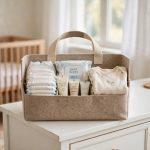
No design trick beats less stuff. Small rooms show clutter fast. Do a quick reset each evening: toys in bins, clothes in drawers, floor clear. Once a season, sort with your child and donate what is outgrown. The Extra Space Storage shared room guide suggests canvas totes and fabric bins for easy daily cleanup, since soft storage is light, safe, and simple for kids to use.
A good rule: about two-thirds closed storage, one-third open display. Closed bins hide the chaos. A few open shelves show favorite books and toys. The room stays calm, and the child still sees their treasures.
Layout Tips That Add Space
Many homeowners find that small kids room feel bigger is easier than they expected once they know the basics.
- Place the bed along the longest wall to keep the center open.
- Keep the path from the door clear. The first thing you see sets the feeling of the room.
- Use the corners. Corner shelves, a corner desk, or a corner bookcase turn dead space into storage.
- Hang curtains high and wide. Mounting the rod near the ceiling and extending it past the window frame makes the window look larger.
- Skip the oversized. A rug that is too big or art that is too small throws off the scale. One medium rug and one good-size piece of art beat a scatter of small items.
The Singapore shared bedroom design guide adds that defining zones with rugs, light, and color keeps even small shared rooms feeling intentional instead of cramped.
A One-Day Makeover Plan
You can make a small room feel bigger in a single day. Here is a simple order of work:
1. Morning: clear and sort. Pull everything out. Sort toys, clothes, and books into keep, donate, and relocate piles with your child. 2. Midday: paint or refresh. If you are painting, one light coat over the walls changes the whole feeling. If not, wash the walls and touch up scuffs. 3. Afternoon: place furniture. Put the bed on the longest wall, add vertical storage, and anchor tall pieces to the wall. 4. Evening: style simply. Hang one mirror, lay one rug, and put out a small set of toys and books. Add the child's chosen accents last.
Stand in the doorway when you finish. If your eye moves easily across the room to the window, you did it right. Small tweaks, like raising the curtain rod or swapping a bulky dresser for under-bed bins, add up fast. The room will not gain a single square foot, but it will feel like it did.
What to Avoid
- Dark, heavy curtains that eat light.
- Bulky furniture that blocks the floor view.
- Too many small decorations that create visual noise.
- Storing everything in sight. Hide most of it.
- Pushing the bed under the window if it blocks light and air.
Small rooms reward simple choices. Light walls, clear floors, and furniture that works hard will make the room feel twice its size. With these steps, small kids room feel bigger stays simple and safe.
References
- U.S. Environmental Protection Agency. (n.d.). Care for your air: A guide to indoor air quality. https://www.epa.gov/indoor-air-quality-iaq/care-your-air-guide-indoor-air-quality
- HAR.com. (n.d.). Shared bedrooms for siblings: Storage and layout hacks. https://www.har.com/ri/4360/shared-bedroom-hacks-for-siblings
- BlogPro. (n.d.). Adding storage to a small kids bedroom: A complete guide. http://blogpro.co.uk/adding-storage-to-a-small-kids-bedroom/
- Singapore HDB Renovation. (n.d.). Shared bedrooms for siblings: Expert design tips to create harmony at home. https://singaporehdbrenovation.com/shared-bedrooms-for-siblings-expert-design-tips-to-create-harmony-at-home/
- Cubby. (n.d.). 14 creative shared kids' room ideas and solutions from parents. https://www.cubbyathome.com/design-ideas-for-shared-kids-rooms-80003500
- Extra Space Storage. (n.d.). 16 shared room ideas for your kids bedroom. https://www.extraspace.com/blog/home-organization/baby-toddler-shared-room-ideas/
- U.S. Consumer Product Safety Commission. (n.d.). Anchor It! Secure your TVs and furniture. http://www.anchorit.gov/
- Safe Kids Worldwide. (n.d.). TV and furniture tip-over prevention tips. https://www.safekids.org/tip/tv-and-furniture-tip-over-prevention-tips
Was this guide helpful?

About My Garden US
The My Garden US editorial team writes practical, in-depth home and garden guides for American homeowners — tested advice, no fluff.
You May Also Like
Best Nursery Curtains for Light Blocking Naps
August 11, 2026 4 views
Nursery Glider Slipcover for Easy Washing: A Complete Guide
April 26, 2026 3 views
Best Kids Storage Bench for Entryway Mudroom: A Practical Buying Guide
August 21, 2026 4 views