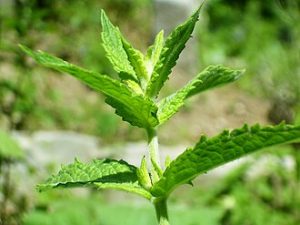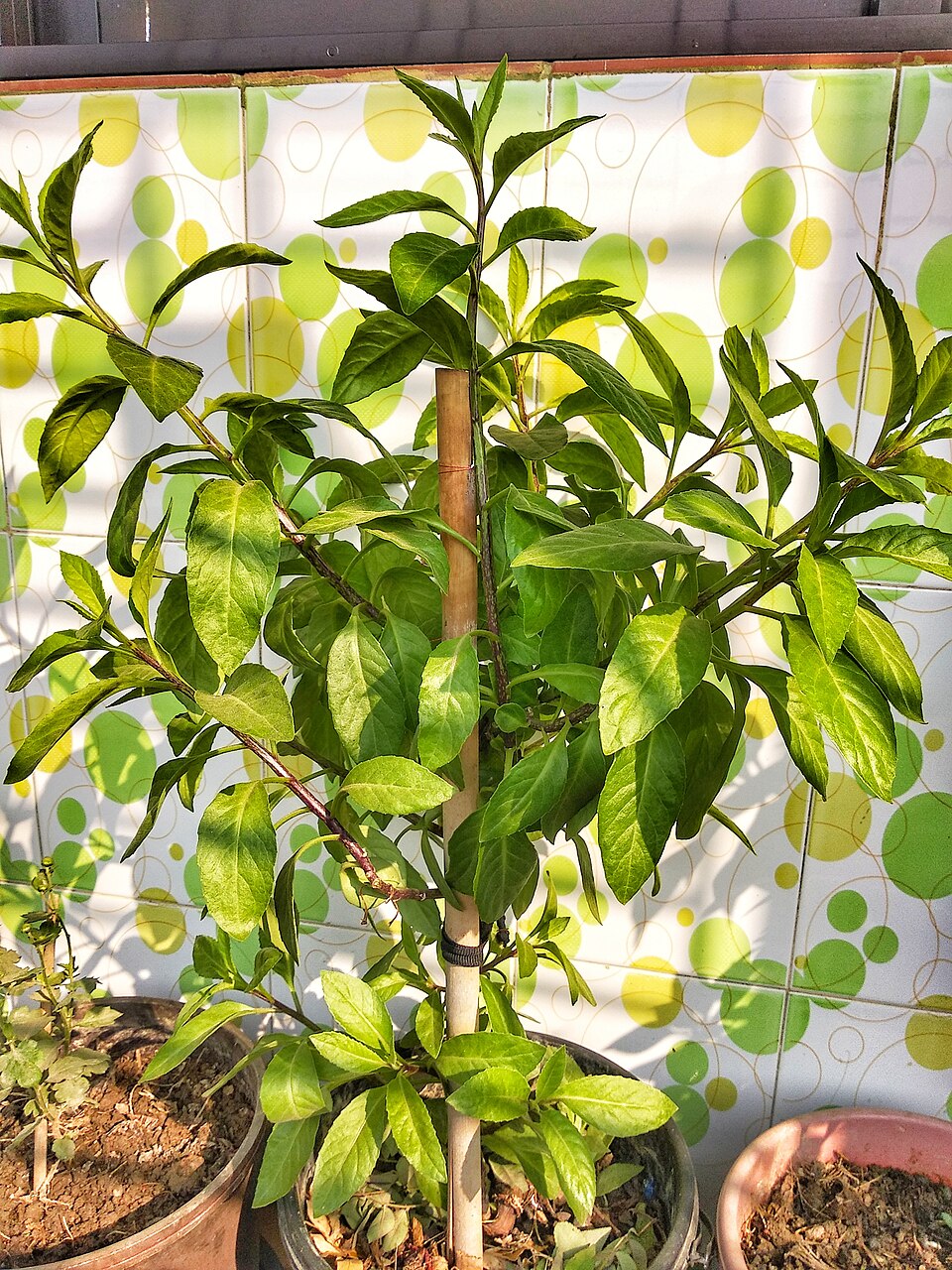
Longevity spinach is the plant you buy once and never buy again. A single cutting roots in days, grows into a sprawling leafy plant within weeks, and supplies endless more cuttings for friends, neighbors, and next year's garden. The leaves are mild and versatile, good raw or cooked. Gardeners learning how to grow longevity spinach discover one of the easiest greens in existence.
Table of Contents
Table of Contents
Despite the name, it is not a true spinach. It is a tropical perennial, grown as a summer annual where winters are cold, that shrugs off heat which makes real spinach bolt. When your spring spinach has gone to seed and the summer garden feels empty of greens, longevity spinach is just hitting its stride.

Photo: Wikimedia Commons
Quick facts: Sun: part shade to full sun. Soil: rich, moist, well-drained. Water: regular watering. Space plants 12 inches apart. Days to first harvest: 60 to 90. Tender perennial in zones 9 to 11; grow as a summer annual elsewhere.
Choosing a Variety and Getting Started
When it comes to how to grow longevity spinach, getting the details right makes all the difference.
Many homeowners find that how to grow longevity spinach is easier than they expected once they know the basics.
Longevity spinach starts from cuttings, full stop. Stems root in water or moist soil within days, with no special equipment. A friend's prunings, a farmers market bunch with fresh stems, or a mail-order starter plant all work. There are no varieties to choose between; healthy green stems are the only requirement.
Because it roots so freely, your first plant is really a cutting factory. Pot up a mother plant early, and by planting time you can have a dozen rooted starts. Before the season begins, check your USDA zone planting dates on the planting calendar so your warm-season timing is set.
If you have grown spinach in spring and Swiss chard through summer, longevity spinach slots into the same kitchen role with even less fuss. Kale growers will recognize the steady-harvest habit.
When and How to Plant
Many homeowners find that how to grow longevity spinach is easier than they expected once they know the basics.
The key to how to grow longevity spinach is choosing the right approach for your space and budget.
Plant out after frost risk has passed, about the time you would set out warm-season crops. Longevity spinach is a tender perennial, so cold soil and chilly nights stall it. In colder zones, start cuttings indoors about six weeks before your last spring frost, and transplant the rooted plants out about three weeks after the last frost, once the weather has truly warmed.
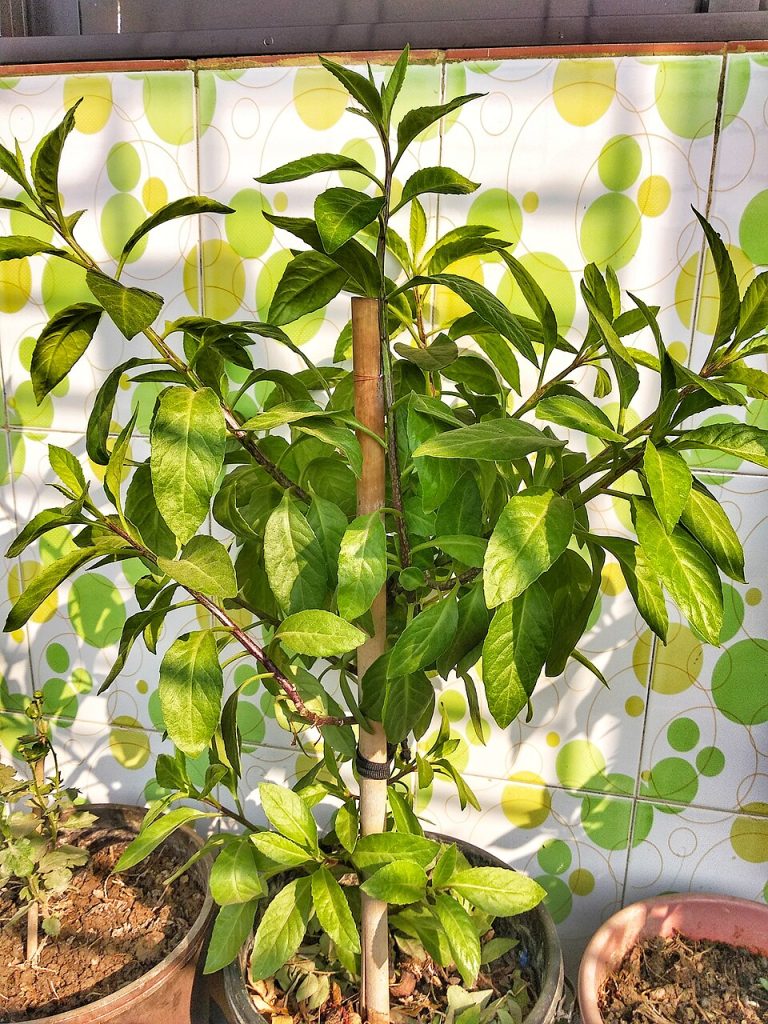
Set plants 12 to 18 inches apart in the garden, or tuck them into large containers. They sprawl rather than climb, rooting where stems touch moist soil, which means a planting can quietly expand on its own. Give them room to spread, or be ready to redirect wandering stems. Water the new plants in well.
The Old Farmer's Almanac planting calendar helps you time the move outdoors for your area. There is no prize for planting early with this crop; warmth is everything.
Soil and Sun
The key to how to grow longevity spinach is choosing the right approach for your space and budget.
With a little planning, how to grow longevity spinach can fit even a busy schedule.
Longevity spinach grows in part shade to full sun. In hot climates, part shade gives the tenderest leaves and the least stress. In cooler regions, full sun pushes faster growth. It is adaptable, which is part of its charm. The soil should be rich, moist, and well drained.
Dig compost into the bed before planting. Like most leafy crops, longevity spinach produces the best leaves when it never goes hungry or thirsty. A humusy, moisture-holding soil is ideal. Heavy clay benefits from compost and a raised bed; pure sand needs extra organic matter to hold water. The Clemson Home & Garden Information Center offers clear guidance on building this kind of fertile garden soil.
You can find its botanical background under Gynura procumbens in the USDA PLANTS Database. Gardeners in warm states can also consult UF IFAS Gardening Solutions for tropical green growing tips.
Watering and Feeding
With a little planning, how to grow longevity spinach can fit even a busy schedule.
Before you start, it helps to understand how how to grow longevity spinach works in real homes.
Water regularly. Longevity spinach grows fast in warmth, and fast growth needs steady water. Letting the plants wilt repeatedly toughens the leaves and slows production. A deep watering a couple of times a week, plus mulch to hold moisture, keeps the leaves tender.
Feed lightly with compost. A compost mulch around the plants feeds them slowly all season and doubles as moisture insurance. Liquid feed occasionally if container plants look pale, but in-ground plants in compost-rich soil rarely need more. The University of Minnesota Extension describes the same gentle feeding approach for leafy vegetables.
Care Through the Season
Before you start, it helps to understand how how to grow longevity spinach works in real homes.
A good plan for how to grow longevity spinach saves time, money, and frustration.
Pinch the growing tips often. This is the golden rule. Unpinched plants get leggy, with long bare stems and leaves only at the ends. Pinched plants branch, stay compact, and produce far more tender leaves. Fortunately, the pinching is the harvest: every tip you snip is food.
Few pests bother longevity spinach. Slugs might nibble low leaves in damp weather, so keep the bed tidy and mulch with something coarse. Otherwise the plant's vigor carries it through. It fills in quickly in warm weather, covering bare ground and shading out weeds.
Before frost, take cuttings indoors. A few stems in water on a bright windowsill root within days and grow slowly through winter, giving you starter plants for spring. One mother plant truly does supply endless cuttings. Share them freely; every gardener who tries longevity spinach wants to grow it.
Harvest
A good plan for how to grow longevity spinach saves time, money, and frustration.
For most people, how to grow longevity spinach comes down to a few smart choices.
Harvest outer leaves and shoot tips continuously for salads or cooking. The flavor is mild, slightly earthy, inoffensive in the best way: it blends into any dish. Use it raw in salads, wilted into pasta, or simmered in soups.
Never strip a plant bare. Leave at least a third of the foliage so the plant recovers quickly and keeps producing. A good rhythm is to harvest from each plant once a week, taking the outer leaves and pinching the tips. The plant barely notices and keeps growing.
Because the leaves are tender, use them soon after picking. They keep a few days in the refrigerator in a bag, but like most homegrown greens, they are best the day they are picked.
Longevity Spinach in the Kitchen
For most people, how to grow longevity spinach comes down to a few smart choices.
If you are new to how to grow longevity spinach, start with the simplest option and build from there.
The flavor is mild in the best way: green, fresh, and inoffensive, a background green that takes on the character of whatever you cook it with. That mildness makes it one of the most useful greens in the kitchen. Use the young leaves and tips raw in salads, where they add body without bitterness. Wilt them into pasta at the last minute, stir them into soups, or saute a big pile with garlic and olive oil until just collapsed. They cook down like spinach but hold their shape a little better.
Because the plant produces so freely, you can afford to be generous. Harvest a colander full for a family stir-fry without worrying about stripping the plant; it grows back fast in warm weather. The stems are tender enough to eat when young, so do not bother stripping leaves from stems on the shoot tips. Just rinse, chop coarsely, and cook.
Longevity spinach also works in dishes where you want greens to disappear: chopped fine into meatloaf or dumpling filling, blended into green smoothies, or layered into lasagna. Children who pick visible greens out of food often accept it when it is chopped small and mixed in. Use harvested leaves the same day for the best texture; they keep a few days in a bag in the refrigerator but soften with time.
One more pleasure of this plant is sharing it. Because cuttings root in days, you can hand a neighbor a glass of water with stems in it and give them a perennial supply of greens. Gardeners who receive longevity spinach cuttings almost always become growers themselves, and a street full of shared cuttings is a fine thing.
Growing Longevity Spinach in Containers
If you are new to how to grow longevity spinach, start with the simplest option and build from there.
When it comes to how to grow longevity spinach, getting the details right makes all the difference.
Longevity spinach is a natural for pots. A single plant in a large container on a sunny patio gives you a steady supply of greens steps from the kitchen, and the sprawling stems cascade over the rim attractively. Use a pot at least a foot wide with good drainage, filled with a rich potting mix. Water container plants more often than in-ground ones; pots dry out fast in summer heat.
The container approach has a bonus: bringing the plant indoors for winter is easy. Before frost, carry the pot inside to a bright window and keep watering lightly. Growth slows, but the plant survives, and you can take fresh cuttings in late winter to start the next season's plants. One potted mother plant, overwintered indoors year after year, becomes the source of endless starts for the garden and for friends.
Pinch container plants even more aggressively than in-ground ones. Pots restrict root growth, which keeps the plant naturally compact, but regular tip-pinching still produces the bushiest growth and the most tender leaves.
Troubleshooting
When it comes to how to grow longevity spinach, getting the details right makes all the difference.
Many homeowners find that how to grow longevity spinach is easier than they expected once they know the basics.
Plants get leggy and sparse. Not enough pinching. Cut the stems back hard, and they will branch from lower nodes. Then pinch regularly.
Leaves are small and tough. Drought stress or poor soil. Water deeply and mulch, and side dress with compost. Tender leaves need steady moisture.
Slugs chew holes in low leaves. Water in the morning, keep mulch from piling against stems, and pick off slugs in the evening. Damage is usually minor.
Cuttings fail indoors over winter. They need bright light and warmth. A sunny windowsill works; a dark corner does not. Take fresh cuttings in late summer so they are well rooted before the short days arrive.
Longevity spinach is the gift that keeps on giving: one plant, endless cuttings, steady greens all summer. For a purple-leafed cousin with the same easy habits, try Okinawa spinach alongside it. More on easy-care edibles can be found in the Missouri Botanical Garden's plant finder, and background on leafy crops is available through the USDA National Agricultural Library.
References
Many homeowners find that how to grow longevity spinach is easier than they expected once they know the basics.
The key to how to grow longevity spinach is choosing the right approach for your space and budget.
UF IFAS Gardening Solutions. (n.d.). Growing greens in Florida gardens. https://gardeningsolutions.ifas.ufl.edu/
Old Farmer's Almanac. (n.d.). Growing vegetables in home gardens. https://www.almanac.com/
Clemson Cooperative Extension. (n.d.). Home & Garden Information Center. https://hgic.clemson.edu/
University of Minnesota Extension. (n.d.). Growing leafy greens in home gardens. https://extension.umn.edu/
Was this guide helpful?

About My Garden US
The My Garden US editorial team writes practical, in-depth home and garden guides for American homeowners — tested advice, no fluff.