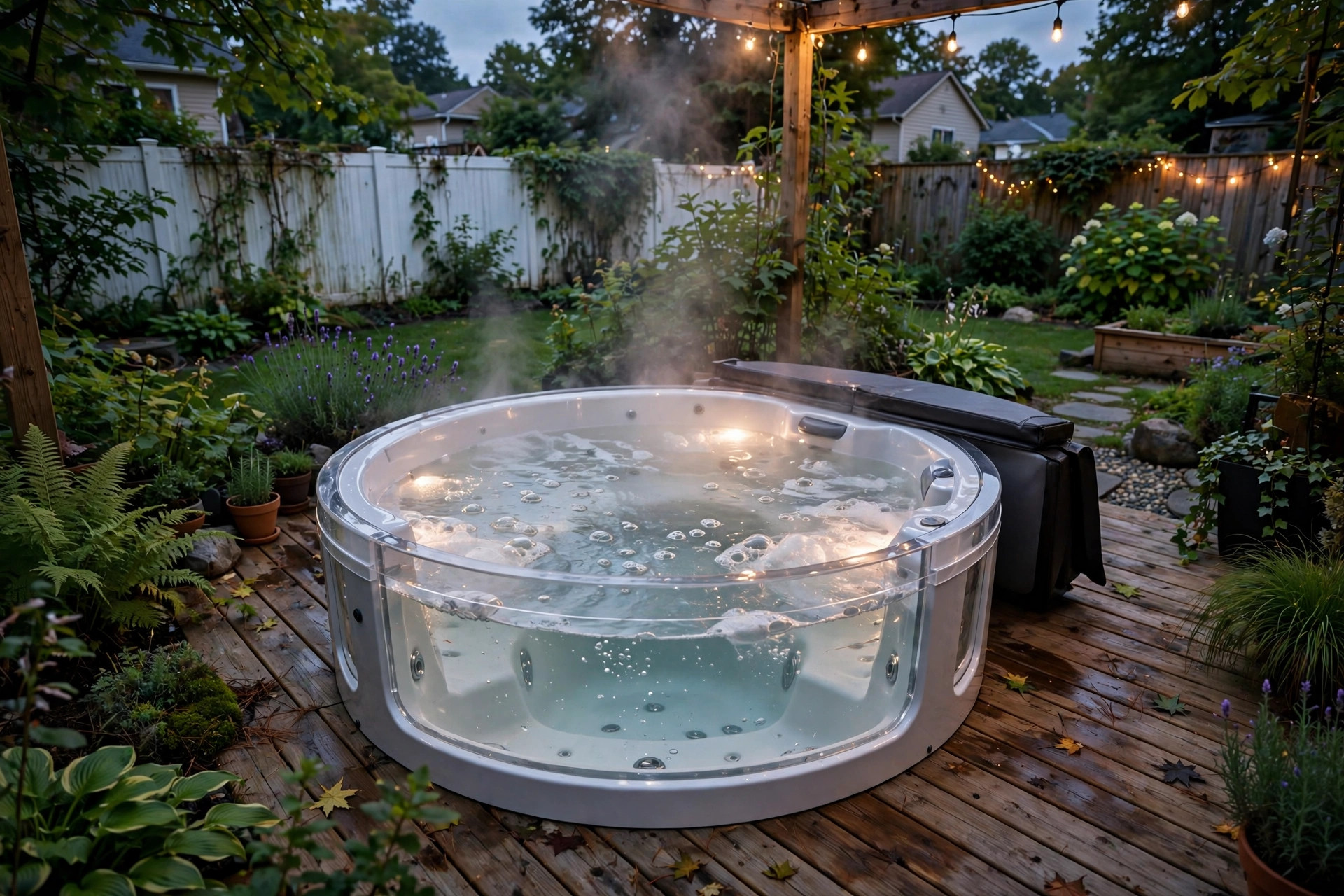
Many people with sore joints look for the best hot tub for arthritis relief. Warm water can loosen stiff knees, backs, and hands. A good spa makes it easy to soak for twenty minutes each day without a trip to a clinic or a gym. This guide explains what matters most when you shop for a hot tub that soothes arthritis pain. You will learn which features count, which types fit your home, what prices to expect, and how to keep the water safe and clean.
Why Warm Water Helps Arthritis
Doctors have long known that heat calms aching joints. Warm water does two things at once. First, it raises the heat of muscles and tissue around the joint. Second, the water lifts part of your body weight. Less weight on the knees and hips means less pain when you sit and move.
The Arthritis Foundation notes that warm water therapy is one of the oldest aids for joint pain (Arthritis Foundation). Soaking in a hot tub at about 100 to 104 degrees can ease morning stiffness. Many people find that a daily soak helps them move more freely through the day.
Heat also relaxes tight muscles. When muscles relax, they pull less on sore joints. The result is a gentler feeling in the back, neck, and shoulders. A hot tub adds moving water to this heat. Jets push water against sore spots and give a soft massage.
If you have arthritis, talk with your doctor before you buy. Most people with osteoarthritis or rheumatoid arthritis can use a hot tub safely. But heat is not right for every case. Some kinds of joint swelling get worse with heat. Your doctor can tell you what water heat is safe for you. Bring a list of your medicines to that talk. Certain drugs and heat do not mix well, and your doctor can point out any risk.
What to Look for in a Hot Tub for Arthritis Relief: Best Hot Tub for Arthritis Relief
Not every hot tub helps sore joints the same way. Some features make a big difference for people with arthritis.
Deep, Comfortable Seats
Look for a spa with deep seats and a lounge seat. A lounge seat lets you lean back and lift your feet. This takes pressure off the lower back and the knees. Wide seats also help. They let you shift your weight without feeling crowded.
Some models offer seats at different depths. This is useful when two people of different heights share the tub. Each person can sit with the water at the right level over the shoulders.
Strong, Adjustable Jets
Jets are the heart of arthritis relief. Strong jets can massage the back, neck, and legs. Look for jets that you can aim and turn up or down. A good hot tub lets you move the jet stream to the exact spot that hurts.
Count the number of jets, but also check their kind. Wide fan jets spread water over the back. Small deep-tissue jets focus on one sore point. A mix of both gives you more choices.
Easy Entry and Exit
Getting in and out of a hot tub can be hard with stiff knees. Low step-in height helps a great deal. Many brands add built-in steps or handrails. Some tubs have a wider door or a seat at the edge that you can sit on and swing your legs over.
If you have poor balance, add a handrail that bolts to the deck. Non-slip steps also help. These small items make daily use far safer.
Good Insulation and Heat Control
A steady water heat is key for joint relief. Poor insulation lets the water cool fast in winter. That means the heater works hard and the soak feels less warm. Full-foam insulation holds heat well and cuts power bills.
Look for simple, large controls. Stiff fingers may have trouble with tiny buttons. A control panel with big buttons or a touch screen is easier to use.
Water Cleanliness System
Clean water protects your skin and lungs. Some tubs use an ozone or mineral system to cut down on chemicals. These systems do not replace all chemicals, but they help. Clean water matters more for people with arthritis because many of them soak every day.
Types of Hot Tubs for Arthritis Relief
There are three main types to choose from. Each has its good points and its limits.
Acrylic Hot Tubs
Acrylic spas are the most common kind sold in America. They have a hard shell, deep seats, and strong jets. Most models fit four to seven people. They plug into a 220-volt line and heat fast.
These tubs are the best choice for serious daily use. The jets are strong, the seats are deep, and the heat stays steady. They cost more, but they last ten to twenty years with good care.
Inflatable Hot Tubs
Inflatable tubs use air walls instead of a hard shell. They cost far less and can move from place to place. For those curious about a lighter option, a best inflatable hot tub for couples shows how smaller models compare.
The weak point is jet power. Inflatable tubs usually have weaker jets and thinner walls. They lose heat faster in cold air. They may still help mild joint pain, but they are not as good for daily therapy as an acrylic spa.
Wood-Fired and Plug-and-Play Tubs
Wood-fired tubs use a stove to heat the water. They fit well in country yards, but they take time to heat. Plug-and-play models use a normal wall outlet. They are easy to set up, but they heat slowly and may not hold heat in winter.
For buyers in cold states, a guide to the best hot tub for cold climates explains how insulation and heater size affect winter use.
Cost and Price of Arthritis-Friendly Hot Tubs
Prices vary widely. An inflatable hot tub can cost between three hundred and one thousand dollars. An acrylic spa for four to six people usually costs between seven thousand and fifteen thousand dollars. Large luxury models can reach twenty thousand dollars or more.
The tub itself is only part of the cost. Plan for these extras:
– Electrical work. A 220-volt hookup by an electrician often costs five hundred to two thousand dollars. – A base. A concrete pad or a strong deck is needed to hold the weight. A full tub can weigh three to five thousand pounds. – Delivery and setup. Many dealers include this, but some charge extra. – Chemicals and filters. Expect to spend two hundred to five hundred dollars each year. – Power. A well-insulated tub adds about twenty to fifty dollars to the monthly power bill.
Used hot tubs can save money, but they carry risk. An old pump or heater can cost a lot to fix. If you buy used, have a spa technician check the tub before you pay.
Retailers such as Home Depot list a wide range of models and prices. Brand sites like Hot Spring and Bullfrog Spas show the top of the market with detailed specs on jets and seats.
Care and Upkeep
Daily soaks need clean, balanced water. A guide on how to maintain hot tub water chemistry walks through the weekly routine. Here are the basics.
Test the water two or three times a week. Keep the sanitizer level in the safe range. Too little sanitizer lets germs grow. Too much irritates the skin and the eyes. Rinse the filter once a week and deep clean it once a month.
Change the water every three to four months. Fresh water feels better and needs fewer chemicals. Wipe the shell with a soft cloth when the tub is empty. Never use harsh cleaners, which can harm the shell and the plumbing.
Keep a cover on the tub when it is not in use. A good cover holds in heat and keeps out dirt and leaves. Replace the cover when it gets waterlogged or cracked. A worn cover lets heat escape and raises power bills.
Sites like Swim University and Leslie’s offer clear guides on test kits, filters, and chemicals for beginners.
Safety Tips for Arthritis Users
Hot tubs are safe when used with care. The CPSC warns that hot water can cause dizziness and fainting, so follow these rules.
Keep the water at or below 104 degrees. Many people with arthritis prefer 100 to 102 degrees. Hotter water can raise blood pressure and cause lightheadedness. Soak for fifteen to twenty minutes at a time. Drink a glass of water before and after your soak.
Never soak alone if you have balance trouble. Keep a phone nearby. Enter and exit slowly. Wet steps are slick, so wear water shoes with grip if you feel unsure on your feet.
Do not mix a hot tub with alcohol or with some pain drugs. Alcohol widens blood vessels and can make you dizzy in hot water. Ask your doctor if your medicine is safe with heat.
If you feel dizzy, nauseous, or very tired, get out at once. Cool down slowly and drink water. People with heart disease should ask their doctor before using a hot tub at all.
FAQ
What is the best water heat for arthritis in a hot tub?
Most people find 100 to 104 degrees best. Start at 100 degrees and see how your joints feel. Higher heat may feel good at first, but it can make you dizzy. Talk with your doctor about the right heat for your case.
How long should I soak for joint pain?
Fifteen to twenty minutes is enough for most people. Longer soaks can dry the skin and lower blood pressure. If you are new to hot tubs, start with ten minutes and work up.
Are hot tubs good for rheumatoid arthritis?
Warm water can ease the stiffness of rheumatoid arthritis for many people. But heat is not right during a flare when joints are hot and swollen. Ask your doctor when soaking is safe and when you should skip it.
Which hot tub brand is best for arthritis?
No single brand wins for everyone. Look at the seats, the jets, and the entry height rather than the name on the side. Brands like Hot Spring and Bullfrog make models with strong therapy jets and lounge seats, and independent review sites can help you compare models side by side.
Can a hot tub replace my arthritis medicine?
No. A hot tub is an aid, not a cure. It can ease pain and stiffness, but it does not fix the joint damage of arthritis. Keep taking your medicine as your doctor directs.
Is an inflatable hot tub good enough for joint pain?
It can help with mild pain. The warm water still loosens stiff joints. But inflatable tubs have weaker jets and lose heat faster. For daily therapy, an acrylic spa works better.
A Short Final Word
The best hot tub for arthritis relief is the one you will use every day. Pick a tub with deep seats, strong adjustable jets, and easy entry. Keep the heat near 100 to 102 degrees and the water clean and fresh. Use it for short, regular daily soaks and listen to your body. With the right spa and good habits, warm water can become one of the simplest and steadiest aids in your fight against joint pain. For broad buying advice and model comparisons, The Spruce covers hot tubs in depth, and health sources like the CDC and Mayo Clinic explain the safe use of heat therapy for chronic conditions.
References
Arthritis Foundation. (n.d.). Arthritis information and resources. https://www.arthritis.org Bullfrog Spas. (n.d.). Hot tubs and spas. https://www.bullfrogspas.com Centers for Disease Control and Prevention. (n.d.). Cleaning and disinfecting your home. https://www.cdc.gov Hot Spring Spas. (n.d.). Hot tubs and spas. https://www.hotspring.com Leslie’s Pool Supplies. (n.d.). Pool supplies and equipment. https://www.lesliespool.com Mayo Clinic. (n.d.). Diseases and conditions. https://www.mayoclinic.org Swim University. (n.d.). Pool and hot tub care guides. https://www.swimuniversity.com The Home Depot. (n.d.). Home improvement products. https://www.homedepot.com The Spruce. (n.d.). Home and garden advice. https://www.thespruce.com U.S. Consumer Product Safety Commission. (n.d.). Product safety information. https://www.cpsc.gov
Was this guide helpful?

About James Carter
The My Garden US editorial team writes practical, in-depth home and garden guides for American homeowners — tested advice, no fluff.