

Photo: Wikimedia Commons
Few flowers pay back so fast for so little work. Sweet alyssum goes from a pinch of dust-fine seed to a fragrant carpet of tiny blooms in under two months, edging beds and softening the feet of roses with almost no help from you. It is the classic filler plant: cheap, fast, sweet-smelling, and kind to the beneficial insects your garden needs.
Flowers earn their keep in ways beyond beauty: they feed pollinators, shelter beneficial insects, and many cut beautifully for the house. This one is a proven performer in American gardens, chosen because it actually thrives across a wide range of climates without coddling. Follow the steps below — planting, feeding, deadheading, and seasonal care — and it will reward you with months of bloom.
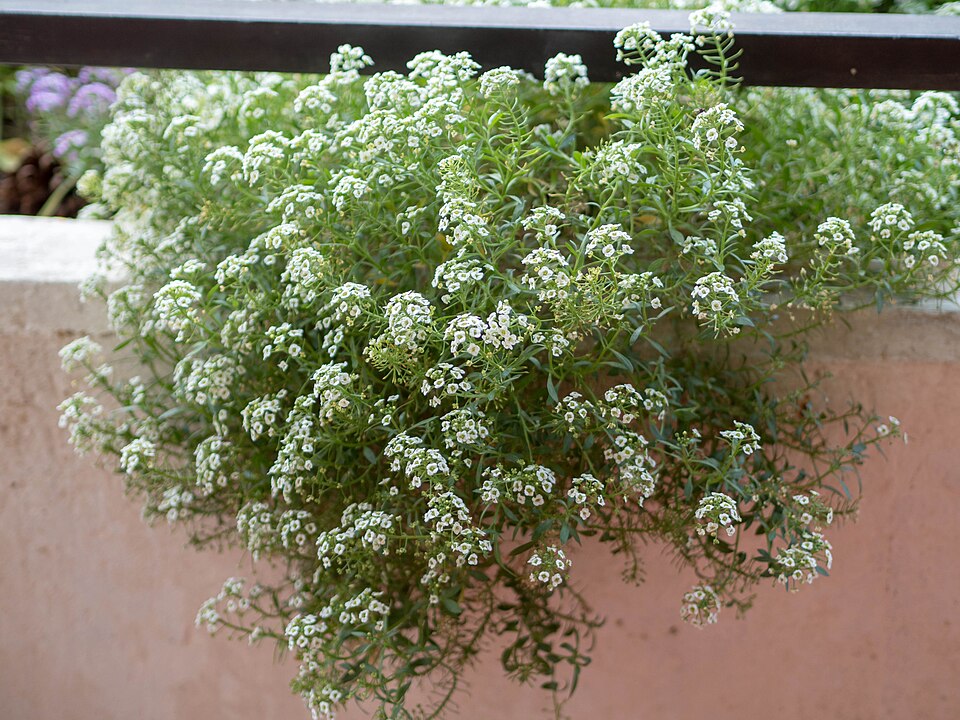
Sweet alyssum is a low, honey-scented edging plant grown easily from seed sown directly or from inexpensive transplants. Surface-sow the tiny seeds, since they need light, and thin to about 6 inches apart in full sun to part shade. It prefers cool weather and blooms best in spring and fall, sulking through intense heat.
At a Glance
- Plant: Sweet Alyssum (Lobularia maritima)
- Type: Flower
- Sun: Full sun to part shade
- Soil: Average, well-drained soil
- Water: Even moisture
- Spacing: 8 inches
- Planting depth: Sow the seed barely covered, about a tenth of an inch deep — it needs light to germinate
- Time to maturity: 45 to 60 days
- USDA zones: 3–11
Getting Started: Picking the Right Variety
Flower varieties are mostly about color, size, and bloom time — pick what makes you happy, but read the fine print. Check whether the variety behaves as an annual, biennial, or perennial in your zone, since that decides whether you replant yearly. Taller types may need staking or a spot at the back of the border; compact types suit containers and edging. If disease troubles this plant in your area, resistant varieties are worth seeking out — they look better with far less work.
Botanically this is Lobularia maritima, and how you start it shapes the whole season. Sow directly in the garden once all danger of spring frost has passed. Buy healthy, stocky starts — leggy, root-bound plants never fully recover. Cross-check your frost dates against the Almanac’s planting calendar before you sow.
When and How to Plant
Timing is the skill that separates good results from disappointing ones, and it all hangs on your frost dates, not the calendar on the wall. Sow directly in the garden once all danger of spring frost has passed. For a fall crop, sow about eight weeks before your first fall frost.
Sow the seed barely covered, about a tenth of an inch deep — it needs light to germinate. Space plants about 8 inches apart. From sowing to bloom takes roughly 45 to 60 days. Firm the soil gently around seeds or roots and water everything in well — that first watering settles soil against the roots and starts growth off right.
To pin down the right week for your zip code, check your USDA zone planting dates on our planting calendar. It lists indoor sowing, transplanting, and direct sowing windows for hundreds of plants by zone, so you can plan the whole season in one sitting.
Sowing Directly Outdoors
Sow directly in the garden once all danger of spring frost has passed. Rake the bed smooth, sow at the depth noted above, and keep the seedbed evenly moist until seedlings are up — a light mulch of straw or a floating row cover holds moisture and foils birds. Thin seedlings to their final spacing on time; crowded seedlings compete, stretch, and never quite recover.
Planting for a Fall Crop
Count back about eight weeks from your first fall frost and sow then. Fall crops often outperform spring ones — cooler weather, fewer pests, and sweeter flavor. Keep the seedbed watered through late-summer heat, and be ready with row cover if an early cold snap threatens young plants. The Lady Bird Johnson Wildflower Center database is the go-to reference for native plant culture. UF/IFAS Gardening Solutions covers growing basics that apply well beyond Florida.
Soil and Sun
Sweet Alyssum wants full sun to part shade. Give it the sunniest spot you can, though it tolerates some afternoon shade — in hot regions that shade is a blessing.
For soil, give it average, well-drained soil. Work compost into the planting area to give flowers a good start, but avoid overdoing nitrogen-rich fertilizers, which grow leaves at the expense of blooms. A 2- to 3-inch layer of mulch after planting keeps roots cool, holds moisture, and cuts weeding — just keep mulch a few inches back from stems to prevent rot.
Zone-wise, it is at home in USDA zones 3 through 11. If you are at the warm edge of that range, afternoon shade and deep mulch help; at the cold edge, a sheltered microclimate near a south-facing wall can make the difference. The Missouri Botanical Garden plant profiles are excellent for checking mature size and culture. You can confirm the native range and growing conditions in the USDA PLANTS Database.
Watering and Feeding
Plan your watering around this: even moisture. Mulch is your best friend here — it holds moisture in the root zone and keeps watering even between rains.
Feed flowers lightly: too much nitrogen gives you a jungle of leaves and few blooms. A single application of balanced fertilizer or compost in spring is enough for most, with a mid-season boost only for heavy, long-blooming types. Deadheading plus consistent water does more for flower production than any fertilizer. For pest and disease identification, Clemson’s Home and Garden Information Center is one of the best free resources available. Clemson Cooperative Extension has solid fact sheets on planting and care.
Care Through the Season
Shear the plants back by a third after the first heavy bloom and they will rebloom instead of going to seed. Water during hot spells to keep them alive through summer, and let some plants self-sow for free replacements. It has few pest problems, though flea beetles may nibble seedlings in some regions.
A few grower tips specific to sweet alyssum: Fragrant low edging that blooms fast from seed. Shear back mid-summer for a fresh fall flush. Consistent deadheading and a mid-season haircut keep most flowers blooming far longer than neglect will.
Deadheading — snipping off spent blooms — is the single highest-return chore in the flower garden; it keeps plants blooming instead of setting seed. Stake tall growers before they flop, not after. Cut the whole plant back by a third in midsummer if it gets leggy, and leave seed heads standing in fall for birds and winter interest unless you want to limit self-sowing. Gardenia.net offers clear, gardener-written growing guides for this plant.
Harvest
There is no real harvest, but the flowers are edible with a mild, sweet flavor for garnishing salads and desserts. The main reward is the sweet fragrance drifting across the garden. Pro tip: tuck alyssum under taller plants like roses and vegetables, where its tiny flowers attract hoverflies and other beneficial insects that eat aphids.
Cut flowers in the cool of the morning when blooms are just opening, and plunge stems immediately into deep water. Most cut flowers last a week with fresh water every couple of days and a recut of the stems. Leave the last blooms of the season to set seed — for self-sowers, that is next year’s free plants. The University of Minnesota Extension publishes detailed, research-based growing guides for home gardeners.
A Season With Sweet Alyssum
Spring is planting time: set out transplants after frost, sow hardy annuals early, and mulch new beds before weeds wake up. Summer belongs to deadheading — a weekly round with the snips keeps the show going for months — plus watering through dry spells and staking anything that leans. In fall, plant spring-blooming perennials, leave seed heads for the birds, and let self-sowers drop their seed. Winter is for dreaming over catalogs and ordering seed early. A flower garden managed by the season looks after itself far more than most beginners expect.
Troubleshooting
Cool-season lover; melts in extreme heat of zones 12-13. In practical terms, match the plant to your climate before you buy — fighting a plant’s nature is a losing game, while choosing one suited to your zone makes everything else easy.
Why did it stop blooming? Usually spent flowers left to set seed (deadhead!), too much shade, or excess nitrogen. Why is the foliage white and dusty? Powdery mildew — improve air flow, water at the base, and choose resistant varieties next time. Why did it flop over? Too much shade, too much fertilizer, or a variety too tall for the spot — stake it now, move or divide it later.
Every garden has a learning curve, and this plant is a forgiving teacher. Start small, follow the steps above, and adjust based on what you see — your own patch will teach you the rest faster than any guide. The Old Farmer’s Almanac offers practical, beginner-friendly growing advice for this crop.
Keep Exploring
If you enjoyed this guide, keep going with our guide to growing marigold, our guide to growing sunflower, our guide to growing zinnia — and check your USDA zone planting dates on our planting calendar to plan what goes in next.
References
Lady Bird Johnson Wildflower Center. (n.d.). Native plant database. https://www.wildflower.org/plants/
Missouri Botanical Garden. (n.d.). Plant finder. https://www.missouribotanicalgarden.org/
Clemson University Cooperative Extension. (n.d.). Home & garden information center. https://hgic.clemson.edu/
Gardenia.net. (n.d.). Growing sweet alyssum in home gardens. https://www.gardenia.net/
Was this guide helpful?

About My Garden US
The My Garden US editorial team writes practical, in-depth home and garden guides for American homeowners — tested advice, no fluff.
You May Also Like
Garlic Bulbs Planting Deals Near Me: How to Find Seed Garlic at a Good Price
April 22, 2026 0 views
Snake Plants Indoor Deals Near Me: A Simple Buying Guide
May 23, 2026 0 views
Snake Plants Indoor: A Practical Guide for American Homes
March 11, 2026 0 views