Table of Contents
Table of Contents
- Choosing a Variety
- When and How to Plant
- Timing your sowing
- Spacing, depth, and days to harvest
- Soil and Sun
- Light needs
- Building good soil
- Watering and Feeding
- Watering routine
- Feeding
- Care Through the Season
- Companions and Placement
- Harvest
- Troubleshooting
- Through the Seasons
- Spring
- Summer
- Fall and Winter
- Quick Answers
- Using the Harvest
- Keep Growing
- References
Photo: Wikimedia Commons
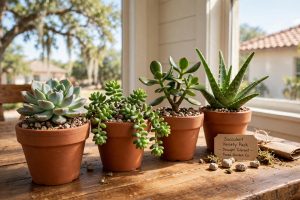
Aloe vera is the houseplant that earns its keep - a handsome succulent whose leaves yield the soothing gel everyone reaches for after too much sun. It is nearly indestructible as long as you obey its one commandment: do not overwater. In warm zones it lives outdoors year-round; everywhere else it is the classic sunny-windowsill plant that summers on the patio. Learning how to grow aloe vera is mostly about drainage and restraint with the watering can. The USDA PLANTS entry for Aloe vera confirms its frost-tender succulent nature. This guide covers potting mix, the soak-and-dry watering rhythm, pups, light, and harvesting gel. For a quick botanical overview, see the USDA PLANTS entry for Aloe vera.
Choosing a Variety
When it comes to how to grow aloe vera, getting the details right makes all the difference.

Many homeowners find that how to grow aloe vera is easier than they expected once they know the basics.
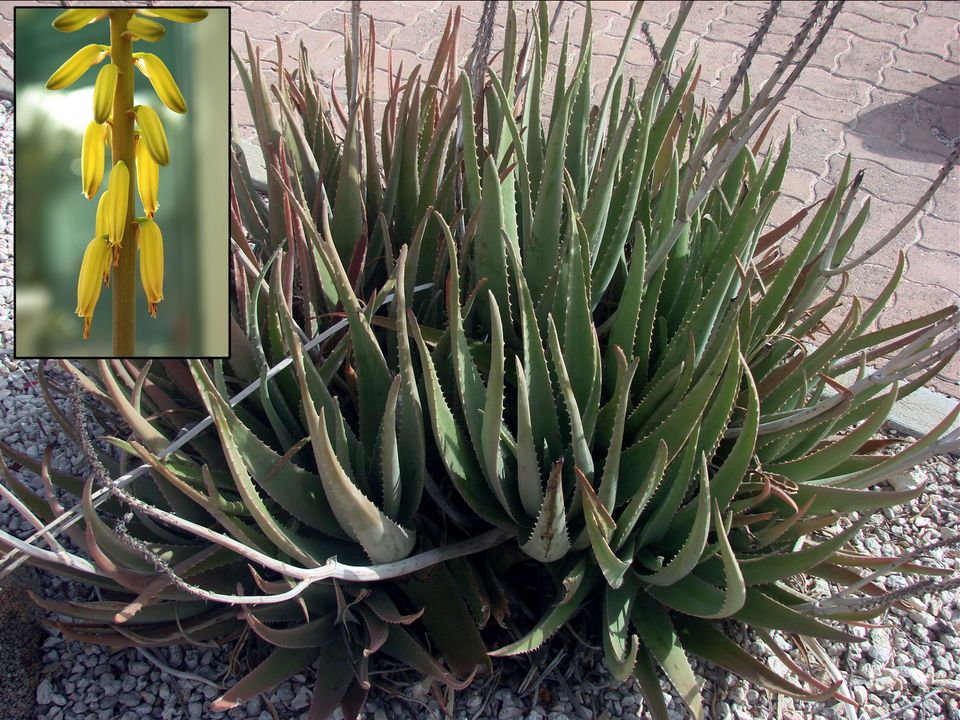
True Aloe vera (Aloe barbadensis) is the medicinal species - buy a labeled plant, since many spotted aloes look similar young. The Old Farmer's Almanac guide to aloe vera notes it propagates freely from offsets, so one plant becomes many. Choose a sturdy plant with firm, upright leaves; avoid soft or brown-based specimens. In zones 9 to 11, plant in the ground in sharply drained soil; everywhere else, grow in a pot with drainage holes that moves indoors for winter. A six-inch pot suits a young plant; repot as the rosette outgrows it.
When and How to Plant
Many homeowners find that how to grow aloe vera is easier than they expected once they know the basics.
The key to how to grow aloe vera is choosing the right approach for your space and budget.
Timing your sowing
Aloe Vera is almost always planted from nursery stock, bare-root plants, or divisions rather than seed. Set plants out around your last spring frost, about a week after it, when the soil is workable and warming. Plant at the same depth the plant grew in its pot, firm the soil gently, and water it in well.
Spacing, depth, and days to harvest
The first season is mostly about roots and establishment; the real payoff begins in the second season, so plant with patience.
The day you plant matters less than the week after: keep new plants watered and mulched while roots knit into the surrounding soil. An overcast planting day gives them the gentlest possible start.
Frost-date charts from a ZIP-code planting calendar help if you are new to reading your zone.
Soil and Sun
The key to how to grow aloe vera is choosing the right approach for your space and budget.
With a little planning, how to grow aloe vera can fit even a busy schedule.
Light needs
It fruits and flowers best in full sun, yet handles part shade better than most of its kin.
Building good soil
The soil recipe is simple: sandy, fast-draining cactus mix. A generous digging-in of compost at planting time fixes most imperfect soils.
Hardy in zones 9 through 11, it fits most of the country. If you garden at the cold edge of the range, a sheltered microclimate near a wall buys you a few degrees of safety.
Mulch after planting with two to three inches of straw, shredded leaves, or bark. Mulch holds moisture, smothers weeds, and feeds the soil as it breaks down - it is the single easiest upgrade to any planting.
Soil testing labs listed through the University of Minnesota Extension can confirm your pH before you plant.
Watering and Feeding
With a little planning, how to grow aloe vera can fit even a busy schedule.
Before you start, it helps to understand how how to grow aloe vera works in real homes.
Watering routine
Keep the soil evenly moist but not soggy. An inch of water a week, from rain or the hose, is the usual target.
Feeding
Almost no fertilizer needed; a weak cactus feed once a year is plenty. Go light on fertilizer. Compost worked in at planting plus a mid-season mulch feeding will carry it; overfeeding causes more problems than it solves.
Let the plants tell you when they are thirsty: dull, grayish leaves and soil dry an inch down mean water now. A deep weekly soaking grows deeper roots than daily sprinkles ever will.
Irrigation basics from Clemson's Home & Garden Information Center apply to all of these schedules.
Care Through the Season
Before you start, it helps to understand how how to grow aloe vera works in real homes.
A good plan for how to grow aloe vera saves time, money, and frustration.
Through the season, water deeply but infrequently, letting the soil dry completely between waterings - overwatering rots the fleshy roots, the number one killer. In winter indoors, water barely at all. Give bright light with some direct sun; a south or west window is ideal, and pale stretched leaves mean it wants more light. It needs almost no fertilizer - a weak cactus feed once a year suffices. Watch for mealybugs hiding at the leaf bases; dab them with alcohol. Remove pups when the pot gets crowded, and move pots outdoors only once nights stay above 50°F. UF/IFAS Gardening Solutions has succulent care notes for Florida growers keeping aloe outdoors.
Companions and Placement
A good plan for how to grow aloe vera saves time, money, and frustration.
For most people, how to grow aloe vera comes down to a few smart choices.
Site aloe vera near the door with Lavender, Rosemary, and Thyme, and the whole bed becomes a cook's garden. Herbs ask little: sun, sharp drainage, and frequent snipping, which keeps them compact and flavorful. A few flowering herbs left standing will hum with bees all summer. Contain the runners and deadhead the self-sowers, or the herb bed becomes a mint-and-lemon-balm jungle within two seasons. Mulch with gravel or straw to keep leaves clean, and divide crowded perennials in spring to keep them vigorous.
Harvest
For most people, how to grow aloe vera comes down to a few smart choices.
If you are new to how to grow aloe vera, start with the simplest option and build from there.
Harvest outer leaves by cutting them at the base once they are several inches long, always leaving the central growing rosette intact - the plant keeps producing from the center. Let a cut leaf sit upright for a few minutes so the bitter yellow sap drains before you use the gel; the Missouri Botanical Garden plant finder notes this latex layer separately from the clear gel. Slit the leaf, scoop the gel, and use promptly or refrigerate briefly. Never take more than a third of the leaves at once; the plant needs its solar panels.
Troubleshooting
If you are new to how to grow aloe vera, start with the simplest option and build from there.
When it comes to how to grow aloe vera, getting the details right makes all the difference.
Mushy, translucent leaves mean overwatering and rot - unpot, cut away rot, let the plant dry, and repot in grittier mix. Brown leaf tips usually mean too much direct hot sun after a dim winter; acclimate gradually. The USDA National Agricultural Library carries succulent production guides for persistent issues. Tall, pale, floppy growth is low light; move to a brighter spot. If the plant will not pup, it may be too young or too comfortable - slight root crowding encourages offsets. Frost damage outdoors is fatal to leaves; in marginal zones, bring pots in before the first cold snap.
Through the Seasons
When it comes to how to grow aloe vera, getting the details right makes all the difference.
Spring
Spring wakes the herb garden. Cut back dead top growth, divide crowded perennials, and top-dress with compost. Set out new plants after the last frost, and protect tender types if a late cold snap threatens. This is the season to plant, divide, and renew - every herb bed benefits from a spring edit.
Summer
Summer is harvest season: cut herbs often, because regular harvesting keeps plants compact and productive. Water through dry spells, deadhead to prevent unwanted self-sowing, and watch for aphids on tender new growth. Dry or freeze the surplus - summer's abundance becomes winter's tea and seasoning.
Fall and Winter
In fall, take a final harvest before hard frost, then mulch tender perennials and pot up anything coming indoors. Leave some seed heads standing for the birds. Clean the bed, sharpen tools, and store dried herbs in sealed jars away from light - properly dried, they keep their character for months.
Quick Answers
How long until I can harvest aloe vera?
The first season is about establishment; expect the real harvest to begin in the second season. Perennials reward patience.
Where will aloe vera grow?
Zones 9 through 11. Inside that range it is hardy and reliable; outside it, grow as an annual or in containers.
Does aloe vera need full sun?
Full sun to part shade. A little afternoon shade is welcome where summers run hot.
What spacing does aloe vera need?
About 18 inches apart. Crowding stunts plants and invites disease, so give each one its room - the harvest is bigger, not smaller, for the space.
Using the Harvest
The clear gel soothes minor sunburn and kitchen burns - slit a leaf, scoop the gel, and apply fresh; it is the reason most people grow the plant. Let cut leaves drain their bitter yellow sap first. Beyond first aid, aloe is a handsome, nearly indestructible houseplant that asks only for light and restraint with water. Pot up the pups and give them away; everyone wants an aloe on the windowsill. A mature plant on a sunny sill is both medicine cabinet and decoration, and it thrives on the neglect busy people provide. Browse more plant profiles at Gardenia.net's plant profiles for ideas.
Keep Growing
How to grow aloe vera: gritty fast-draining mix, bright light, water deeply then ignore until dry, harvest outer leaves. Neglect, applied correctly, is the whole technique. For planting dates, check your USDA zone planting dates and pair it with other sun-loving easy herbs - our guides to how to grow lavender, how to grow rosemary, and how to grow thyme share the sunny sill.
References
- Old Farmer's Almanac. (n.d.). Growing aloe vera in home gardens. https://www.almanac.com/
- U.S. Department of Agriculture. (n.d.). Aloe Vera (Aloe vera) plant profile. https://plants.usda.gov/home
- Clemson University Cooperative Extension. (n.d.). Home & Garden Information Center. https://hgic.clemson.edu/
- Gardenia.net. (n.d.). Aloe Vera plant profile. https://www.gardenia.net/
Was this guide helpful?

About My Garden US
The My Garden US editorial team writes practical, in-depth home and garden guides for American homeowners — tested advice, no fluff.