
When it comes to how to grow statice, getting the details right makes all the difference.
Table of Contents
Table of Contents
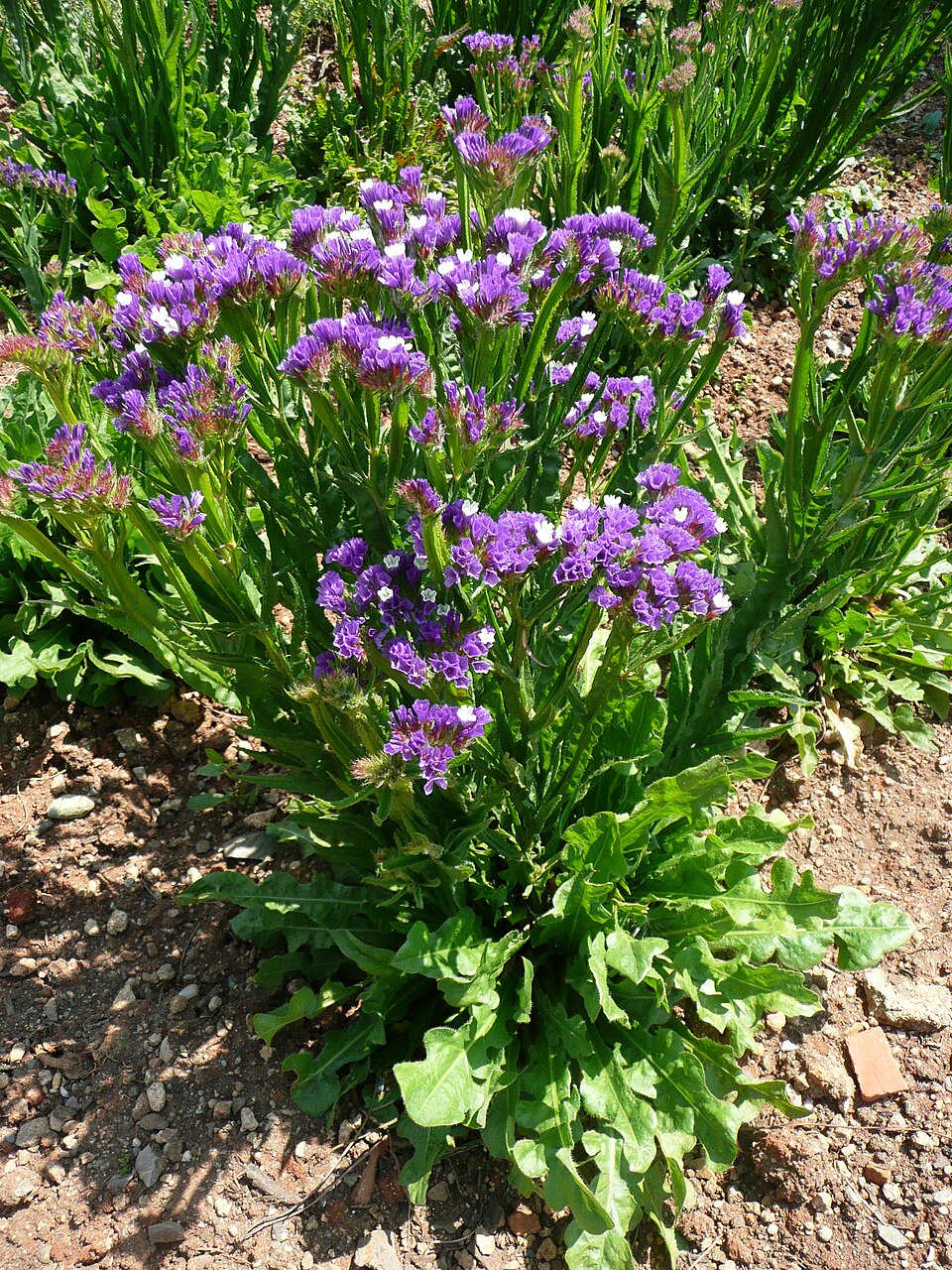
Photo: Wikimedia Commons
Statice earns its place in two gardens at once: the cutting garden for fresh bouquets and the drying rack for winter arrangements. The papery calyx holds color better than almost any other dried flower, and the stiff stems need no wiring. Florists buy it by the bunch, but a home patch produces more than a household can use. It tolerates poor soil and salt air, asking only for sun and drainage in return.
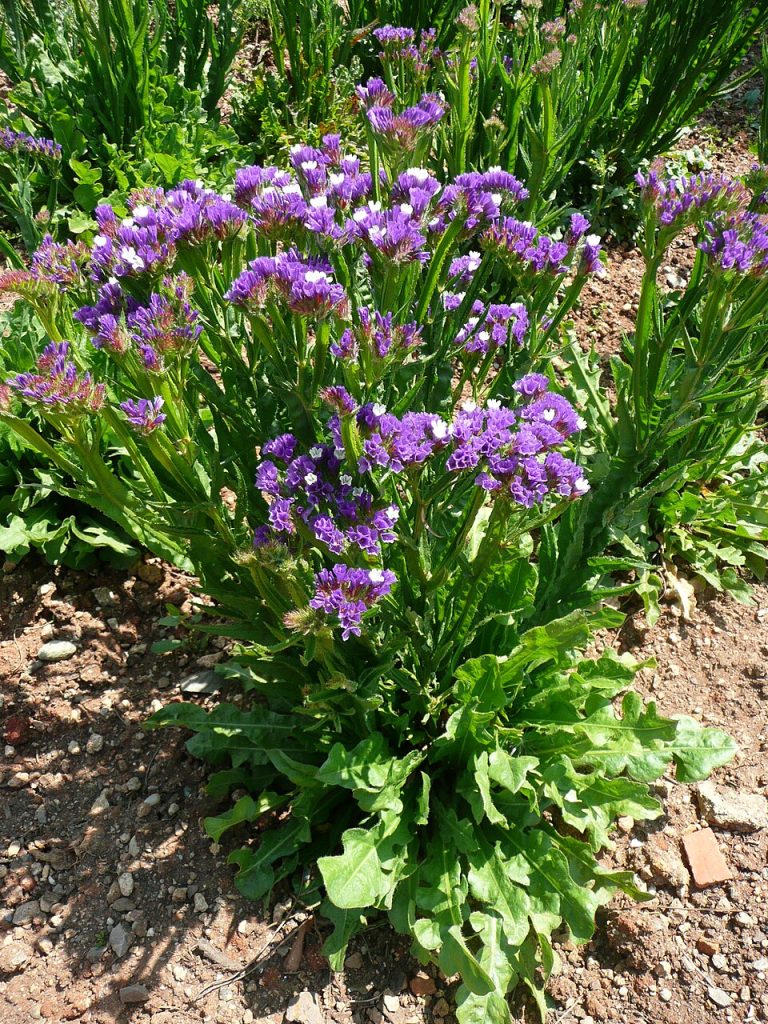
Statice looks like a flower, but the color you see is not the flower at all. The showy papery part is the calyx, a dry bract that keeps its color long after the tiny true flower inside has faded. That quirk makes statice one of the best dried flowers in existence: the color is built to last. Fresh or dried, the stiff stems and vivid clusters fill bouquets for months. Learning how to grow statice is easy, with one rule to respect: the taproot hates disturbance, so handle transplants gently.
The plant is Limonium sinuatum, grown as an annual in zones 2 through 11. It tolerates salt and poor soil, which makes it a natural for coastal gardens. The USDA PLANTS Database lists the species and its sea-lavender relatives.
Getting Started
When it comes to how to grow statice, getting the details right makes all the difference.

Many homeowners find that how to grow statice is easier than they expected once they know the basics.
Start seeds indoors about eight weeks before your last spring frost. Use individual pots, because the taproot resents disturbance and seedlings sulk when their roots are torn. Sow a quarter inch deep and keep the pots warm. Germination takes a week or two.
Transplant carefully after all danger of frost has passed. Slide the whole root ball out of the pot and set it in the hole without breaking it apart. Space plants 12 inches apart. Water them in well. Direct sowing is possible once the soil warms, about a week after the last frost, but indoor-started plants bloom earlier.
Choose a spot with full sun and sandy, well-drained soil. Statice tolerates poor soil better than rich soil; lean ground grows sturdier stems. The Old Farmer's Almanac seed-starting guides cover the individual-pot technique that taprooted annuals need.
When and How to Plant
Many homeowners find that how to grow statice is easier than they expected once they know the basics.
The key to how to grow statice is choosing the right approach for your space and budget.
Move transplants out about a week after your last spring frost, when the soil has warmed. Cold, wet soil at planting time invites rot in the taproot. If spring runs cold and damp, wait a few extra days. Statice forgives a late start better than a cold, soggy one.
In mild-winter regions, fall sowing gives early spring blooms, but most gardeners plant in spring and cut all summer. One sowing gives months of cutting; the more you cut, the more it blooms. Check your frost window on the Old Farmer's Almanac planting calendar or confirm USDA zone planting dates.
Soil and Sun
The key to how to grow statice is choosing the right approach for your space and budget.
With a little planning, how to grow statice can fit even a busy schedule.
Full sun and sandy, well-drained soil. Statice wants the sunniest, sharpest-draining spot you have. It tolerates salt spray and poor, sandy ground where fussier flowers fail. Heavy clay is the enemy; in clay soil, plant in a raised bed amended with sand.
Do not overfeed. Lean soil produces sturdier stems than rich soil. A light composting at planting is plenty, and many gardeners skip fertilizer entirely. Overfed statice grows soft and flops. The University of Minnesota Extension annual guides make the same case for lean culture in cutting flowers.
Pair it with other everlastings. Strawflower and gomphrena share the sun and drainage needs and dry just as beautifully.
Watering and Feeding
With a little planning, how to grow statice can fit even a busy schedule.
Before you start, it helps to understand how how to grow statice works in real homes.
Water moderately. Statice dislikes soggy soil and wet foliage. Let the top inch dry between waterings, and always water at the base. Overhead watering invites botrytis gray mold, the fuzzy gray rot that attacks stems and flowers in humid weather.
Feed sparingly or not at all. In average garden soil, statice needs no fertilizer. Pale, weak plants in truly poor sand respond to one light feeding, but restraint is the rule. The Clemson Home & Garden Information Center notes that drought-tolerant annuals generally want less feeding than gardeners expect.
Mulch lightly with gravel or coarse sand rather than organic mulch. It keeps soil off the low foliage and reflects heat, which statice enjoys.
Care Through the Season
Before you start, it helps to understand how how to grow statice works in real homes.
A good plan for how to grow statice saves time, money, and frustration.
Stake tall stems in windy spots. The flower clusters catch wind, and a toppled plant makes crooked stems. A few twiggy branches or a grow-through support keeps them upright.
Cut stems for fresh bouquets freely. Cutting encourages more buds, so the vase and the garden both benefit. Deadhead spent stems you do not cut. Space plants for airflow; crowded, humid plantings invite gray mold. Remove any moldy stems promptly and get them off the property.
Watch for botrytis in humid weather. It shows as gray fuzz on dying flowers and stems. Prevention is airflow, base watering, and morning sun. There is no good cure once it spreads, so remove affected parts early. Clemson Cooperative Extension describes gray mold controls for home gardens.
Harvest
A good plan for how to grow statice saves time, money, and frustration.
For most people, how to grow statice comes down to a few smart choices.
For drying, cut stems when the papery calyx is fully colored but the tiny true flowers are still in bud. This is the stage that holds color best. Cut too late, when the small flowers have opened and faded, and the dried stems look tired. Cut too early and the color never fully develops.
Hang stems upside down in a dark, dry place. Darkness preserves the vivid purples, pinks, yellows, and whites. They dry in a couple of weeks and keep their color for years. Remember: the true color lives in the calyx, not the small white flower inside, so judge readiness by the papery bracts.
For fresh use, cut when the clusters are fully colored. They last over a week in water. Keep cutting and the plants produce until frost.
Statice Through the Seasons
For most people, how to grow statice comes down to a few smart choices.
If you are new to how to grow statice, start with the simplest option and build from there.
Spring starts indoors, about eight weeks before the last frost. Sow in individual pots, because the taproot resents disturbance; seedlings started in flats and torn apart never recover fully. Keep the pots warm and bright. Transplant carefully after frost danger, setting the whole root ball into the hole without breaking it. Space twelve inches apart in full sun.
Summer is the cutting season. Cut stems freely for fresh bouquets, which encourages more buds, and begin harvesting for drying as the clusters color. Water at the base and never overhead; wet foliage invites botrytis gray mold. Stake tall stems in windy spots before they lean. Deadhead spent stems you do not cut.
Fall keeps producing until frost. The plants bloom for months, and one sowing truly does give a whole season of cutting. Before the first hard freeze, take a final harvest of drying stems at peak color. Pull the plants after frost and compost them.
Winter is for the dried stock. Hang-dried stems keep their vivid purples, pinks, yellows, and whites for years. Store bundles in boxes away from light and damp. Order seed for next year; try a new color mix each season.
Designing With Dried Statice
If you are new to how to grow statice, start with the simplest option and build from there.
When it comes to how to grow statice, getting the details right makes all the difference.
Dried statice is the backbone of everlasting arrangements. The stiff stems stand on their own in vases, and the papery clusters add color that never wilts. Combine with strawflower, gomphrena, and dried grasses for full bouquets, or use single colors for simple modern arrangements. Keep dried stems out of humidity, which softens the papery texture. A vase of statice on a winter table looks as fresh as the day it was cut.
Troubleshooting
When it comes to how to grow statice, getting the details right makes all the difference.
Wilting transplants usually mean root disturbance. Next time, use individual pots and handle the root ball like an egg. Rotting crowns mean wet soil; improve drainage or move to a raised bed.
Gray mold follows humidity and crowding. Space properly, water at the base, remove affected stems. Few blooms on leggy plants point to too much shade or too much nitrogen; statice wants full sun and lean soil.
Statice sulks in soggy clay no matter what you do. If your soil holds water, grow it in raised beds or containers. The Missouri Botanical Garden plant profiles confirm the drainage requirement, and Gardenia.net growing guides add variety notes.
Seedlings that wilt after transplanting suffered root disturbance. Next time, use individual pots and slide the root ball out intact. Water transplants in well and shade them for a day or two if the weather is hot.
Gray mold on flowers means humidity won. Improve air flow, water at the base, and remove affected stems immediately. In chronically humid climates, wider spacing and morning sun are the best defenses.
If stems flop, the soil is too rich or the site too shady. Statice wants lean soil and full sun; pampered plants grow soft. Move the patch to the sunniest, sharpest-draining spot you have.
For the longest cutting season, succession-sow two batches two weeks apart. The second batch blooms as the first fades, doubling the harvest window. In mild climates, a fall sowing gives the earliest spring blooms of all. Keep notes on which colors you liked; seed catalogs change mixes yearly, and your notes save you from rebuying blind.
Statice also works in containers, where its taproot stays undisturbed and the drainage is easy to control. Use a deep pot, sandy mix, and full sun. Potted plants bloom slightly earlier than bed-grown ones and move wherever the garden needs color.
References
Many homeowners find that how to grow statice is easier than they expected once they know the basics.
Clemson University Cooperative Extension. (n.d.). Home & Garden Information Center. https://hgic.clemson.edu/
Missouri Botanical Garden. (n.d.). Plant finder. https://www.missouribotanicalgarden.org/
U.S. Department of Agriculture. (n.d.). PLANTS database. https://plants.usda.gov/home
University of Minnesota Extension. (n.d.). Yard and garden. https://extension.umn.edu/
Was this guide helpful?

About My Garden US
The My Garden US editorial team writes practical, in-depth home and garden guides for American homeowners — tested advice, no fluff.
You May Also Like

Fiddle Leaf Figs USA Online Deals: How to Buy the Best Trees for Less
June 19, 2026 12 views
Sunflower Seed Packs for Texas Homes USA
May 17, 2026 18 views
Native Grass Seed for California Homes: A Guide to a Lawn That Loves Dry Weather
February 20, 2026 21 views