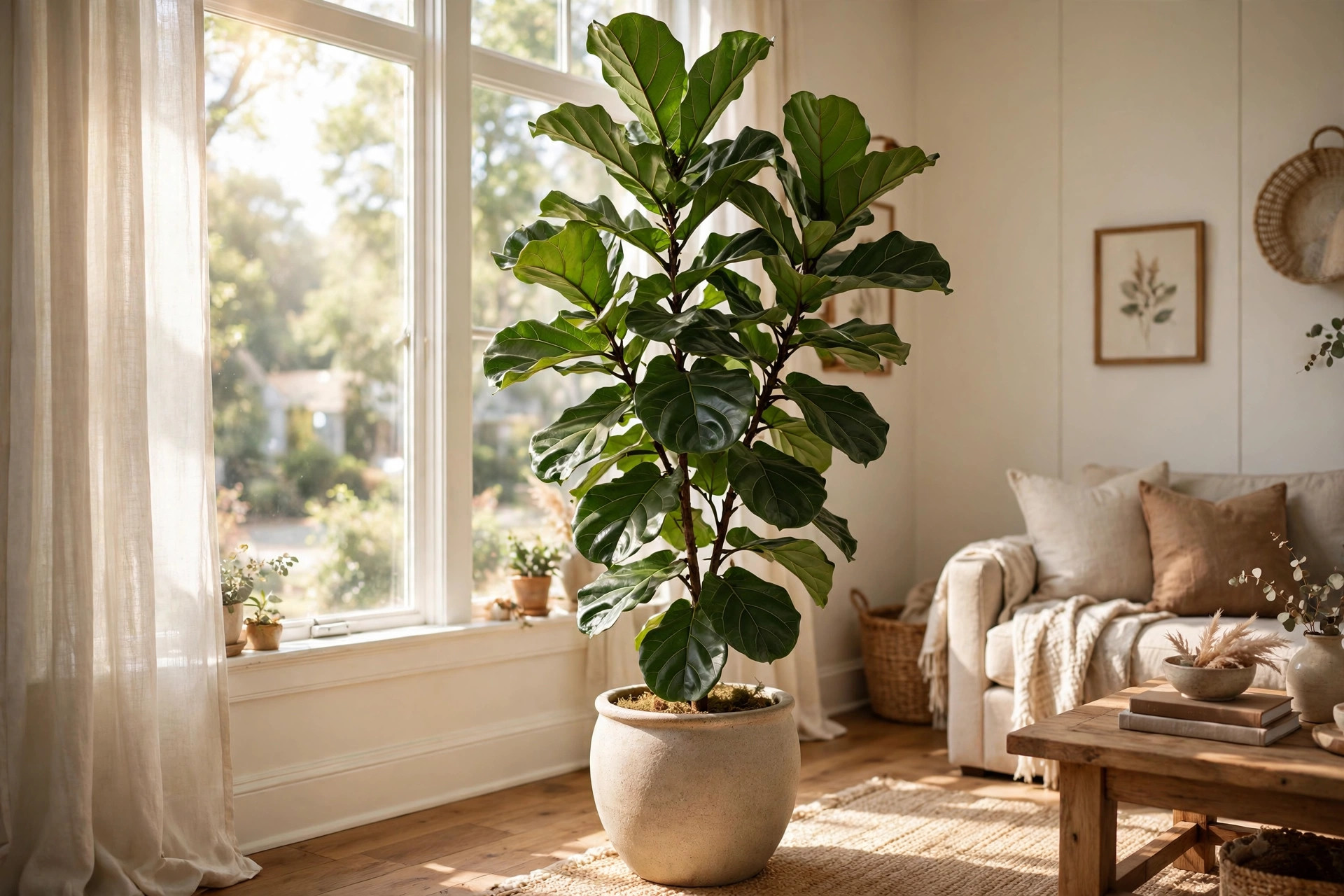
Few houseplants have risen as fast as the fiddle leaf fig. Its broad, violin shaped leaves and bold upright form have made it a fixture in magazines and living rooms across America. Prices in local shops can be steep, so many buyers now turn to the web. Searching for fiddle leaf figs usa online deals can uncover real bargains, from small starter plants to tall statement trees shipped to your door. But not every deal is a good one. A cheap plant that arrives stressed or half dead is no bargain at all. This guide explains how to find honest online deals, what to check before you order, and how to keep your tree alive long after the box arrives.
Why the Fiddle Leaf Fig Became a Household Name
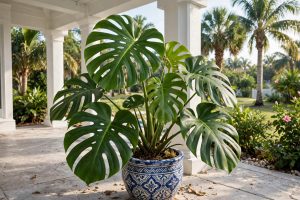
The fiddle leaf fig, known to botanists as Ficus lyrata, comes from the warm rain forests of West Africa. In its home it grows into a towering tree. Indoors it grows slowly and can still reach six to ten feet with time and care. That height gives it a sculptural look few other houseplants can match.
Interior designers began placing it in bright corners of modern homes in the 1980s and 1990s, and its bold leaves photograph well. A single tree can change the feel of a room. It draws the eye upward, softens hard corners, and adds living green to plain spaces.
The plant is also known for being fussy. It does not like sudden changes in light, drafts, or rough handling. That reputation matters when you shop online. A deal is only good if the tree survives the trip. When you look for fiddle leaf figs usa online deals, you are not just buying a price. You are buying a seller who knows how to pack and ship a sensitive plant.
Online growers ship from greenhouses across the country, and competition keeps prices down. Seasonal sales, bundle offers, and clearance events can cut the cost by a third or more.
What to Look for Before You Order Online: Fiddle Leaf Figs Usa Online Deals
A careful buyer checks the details before clicking buy. Online plant listings can be vague, and the notes below will help you read between the lines.
Size and Grade
Listings often give height in inches or feet, measured from the base of the pot. A “three foot” tree may include the pot, so the actual plant may be shorter. Look for “plant height” or “overall height” to know what is meant. A full, even canopy with leaves on all sides is worth more than a tall but leggy stem with a bare trunk.
Photos tell the truth. Good sellers show the actual plant you will receive, or at least plants from the same batch. Stock photos that look perfect in every listing are a warning sign. Look for close views of the leaves. They should be deep green, firm, and free of large brown spots. A few small blemishes are normal on shipped plants.
Pot, Soil, and Roots
A healthy root system matters more than perfect leaves. Leaves can grow back. Roots are the foundation. Some listings sell the plant bare root, which must be potted at once and needs extra care. Most beginners should choose a plant that ships in its pot, in soil that drains well.
Fiddle leaf figs want a loose mix that holds some moisture but lets extra water drain away. Heavy garden soil stays wet and can rot the roots. A good nursery will use a bark based or peat based mix made for indoor plants.
Shipping Season and Method
Shipping is the riskiest part of buying a plant online. Cold and heat can both injure leaves fast. The best fiddle leaf figs usa online deals often appear in spring and fall, when weather is mild. Long running mail order plant sellers tend to schedule their biggest promotions in these windows too.
If you order in winter, look for sellers who add heat packs and ship early in the week so the box does not sit in a warehouse over the weekend. In summer, look for fast shipping and vented boxes.
Check the shipping cost before you celebrate a low price. Some sellers offer a cheap plant and a costly freight charge. Compare the total landed cost, plant plus shipping, before you judge a deal. Free shipping over a set amount is common, and it can make two smaller plants cheaper than one large one.
Seller Reputation
Read reviews that mention shipping, not just the plant. A five star review that says “arrived fast, well packed, leaves intact” tells you more than one that says “pretty plant.” Look at how the seller handles damage claims. The best online nurseries offer a guarantee for a set number of days after arrival and ask for a photo of any damage. A guarantee shows confidence.
Companies with decades of mail order experience, such as those listed in many plant care guides, have refined their packing over thousands of shipments. A seller with hundreds of plant reviews is a safer bet than one with ten.
Types and Options You Will Find Online
Not all fiddle leaf figs look alike. Knowing the forms will help you choose one that fits your space and budget.
The classic tree form has a single bare trunk topped with a rounded crown of leaves. It looks formal and fits well in a large pot by a window. The bush form has leaves down to the soil line and looks fuller and more natural. Bush forms often cost less at the same height because they need less shaping at the nursery.
Column forms, sometimes called standard forms, have a straight trunk with a ball of foliage on top. They take years to shape and carry a higher price. Multi stem plants, with two or three trunks in one pot, give a lush look fast and are popular in bundle deals.
Size grades run from starter to statement. Starter plants, six to ten inches tall, are the cheapest and ship the safest. They suit buyers who enjoy watching a plant grow. Medium plants, two to three feet tall, give instant impact at a fair price. Large plants, four feet and up, make the biggest splash but cost the most to ship and can drop leaves from the stress of the trip. Statement trees of six feet or more are the luxury end of the market. Deals on these appear when nurseries clear greenhouse space in late summer.
You may also see the compact variety, sold as “Bambino” or “Compacta.” Its leaves are smaller and it grows more slowly, which suits desks and small rooms. It needs the same bright light as the full size form.
Cost and Price: What Online Deals Really Mean
Prices vary widely, and a little study will show you the fair range. In the United States, small starter plants often sell for twenty to forty dollars. Mid size trees of two to three feet run from about forty to ninety dollars. Larger trees of four feet or more range from one hundred to two hundred and fifty dollars. Statement trees above six feet can reach three hundred dollars or more, plus freight.
Real deals take several forms. Seasonal sales in spring and fall can cut ten to thirty percent off regular prices. Bundle offers, such as two plants for a set price, lower the cost per plant and spread the shipping cost. Nursery clearance events in late summer can be the deepest discounts of the year, as greenhouse growers make room for new stock. Free shipping thresholds turn a fair price into a good deal when you plan your order to cross the line.
Watch for false deals. A listing that shows a tall tree in the photo but ships a small starter plant is a classic trick. Read the size line twice. Another trick is the low price with heavy shipping, as noted above. Compare totals, not headlines.
Prices tend to dip when new greenhouse crops arrive, usually in spring, and rise around the holidays when demand peaks. Seasonal seed and plant catalogs often mark these cycles, and watching them teaches you when deals appear. If you can wait, watch a few sellers for a month to learn the normal range. A true deal will then stand out.
Also consider buying from established regional nurseries. A plant grown in Florida ships fast to the Southeast but may cross the whole country to reach Oregon. Shorter trips mean less stress on the plant and often lower freight. Many gardeners combine plant buying with seed buying from the same mail order houses, and a good heirloom vegetable seeds buying guide usa can help you plan the rest of your garden while you wait for your tree to arrive.
Care and Upkeep After the Box Arrives
The deal does not end at checkout. A tree that arrives healthy still needs the right start in your home.
Unbox the plant at once. Remove packing material gently and check the soil and leaves. Water lightly if the soil is dry, but do not soak it. Place the tree in bright, indirect light near a window. Give it a week to rest before you move it again.
Light is the most important factor. Fiddle leaf figs want bright light for most of the day. An east or south facing window with a sheer curtain is ideal in most American homes. Too little light causes slow growth and leaf drop. Many houseplant care guides stress this same point for light hungry indoor trees. Turn the pot a quarter turn each week so all sides get light and the tree grows evenly.
Let the top two inches of soil dry between waterings, then water deeply until it drains. Empty the saucer so the roots never sit in water. In winter, when growth slows, water less. Overwatering is the most common killer of this plant, far ahead of pests or disease.
Humidity helps. Dry winter air from heating systems can brown leaf edges. A small humidifier nearby or a pebble tray under the pot raises moisture in the air. Keep the tree away from heating vents and drafty doors. Steady conditions suit it best.
Feed lightly in the growing season. A balanced liquid houseplant fertilizer, used at half strength once a month from spring through early fall, is enough. Stop feeding in winter. Clean the broad leaves now and then with a damp cloth so dust does not block the light they need. Repot only when the roots fill the pot, usually every one to two years. A plant that just shipped across the country should settle in for several months before you repot it.
Gardeners who track the seasons for their outdoor beds know this rhythm. A wildflower seed mixes buying guide usa and a dahlia bulbs bulk buying guide usa cover the same patient seasonal care.
Safety in Homes with Pets and Children
Fiddle leaf figs contain a milky sap that can irritate skin and is toxic if chewed or swallowed. The leaves are the main risk. Cats and dogs that chew plants can suffer mouth irritation, drooling, and stomach upset. Young children should also be kept from putting leaves in their mouths.
Place the tree where pets cannot reach it. Tall plants in heavy pots are harder for cats to knock over, but determined climbers can still reach low leaves. If a pet chews a leaf, remove any plant bits from the mouth and call your veterinarian. Wash skin that touches the sap with soap and water.
Frequently Asked Questions
How fast will my fiddle leaf fig grow?
Indoors, a healthy plant adds six to twelve inches of height per year under good light.
Why do leaves drop after shipping?
Leaf drop is the most common shipping complaint. The plant reacts to darkness, shaking, and temperature swings by shedding leaves. A few lost leaves are normal. Heavy loss points to poor packing or extreme weather. Give the tree steady light and even watering, and new growth usually follows within weeks.
Can I keep a fiddle leaf fig outdoors?
In warm regions, yes. In USDA zones 10 and above, it can live outside year round in a sheltered spot. In colder zones, it can spend summer on a shaded patio and must come inside before fall frosts. Move it gradually so the change in light does not shock it. Regional planting calendars and public extension resources can help you time the move.
What is the best time of year to buy online?
Spring and early fall are the safest months, with mild shipping weather across most of the country. Late summer clearance sales offer the lowest prices but the hottest shipping conditions. Winter buying works if the seller uses heat packs and fast shipping, but it carries more risk.
Do online deals include a warranty?
The best sellers include one. Look for a live arrival guarantee of at least a few days, and read the terms. Most ask for a photo of damage and offer a replacement or credit. Keep the box and packing until the plant has settled, in case you need to show how it arrived.
A Final Word
A fiddle leaf fig is a long term housemate. It will not ask for much, but it asks for steady light, careful water, and patience. When you shop for fiddle leaf figs usa online deals, judge the seller as much as the price. Read the size line, count the total cost with shipping, check the reviews, and buy in mild weather when you can. Do those simple things and the bargain tree in the box has every chance to become the tall, handsome plant in the photo. Ten years from now, you will not remember the exact price. You will remember the tree.
References
Burpee. (n.d.). Seeds, plants, and gardening supplies. https://www.burpee.com Gardening Know How. (n.d.). Gardening guides and plant care. https://www.gardeningknowhow.com Gurney’s Seed & Nursery Co. (n.d.). Seeds, plants, and garden supplies. https://www.gurneys.com Monrovia. (n.d.). Plants for home gardens. https://www.monrovia.com National Institute of Food and Agriculture. (n.d.). Agricultural research and extension. https://www.nifa.usda.gov Park Seed. (n.d.). Seeds, plants, and gardening supplies. https://www.parkseed.com The Old Farmer’s Almanac. (n.d.). Gardening calendars and advice. https://www.almanac.com The Spruce. (n.d.). Home and garden advice. https://www.thespruce.com White Flower Farm. (n.d.). Plants, bulbs, and garden supplies. https://www.whiteflowerfarm.com
Was this guide helpful?

About James Carter
The My Garden US editorial team writes practical, in-depth home and garden guides for American homeowners — tested advice, no fluff.