
Many American homes are hard to heat and cool evenly. The upstairs runs hot while the downstairs stays cold. The living room feels fine while the bedrooms do not. A thermostat for two zone system setups can fix this problem. This guide gives honest thermostat for two zone system reviews USA readers can trust. It covers why zone control matters, what to look for, the main types, real costs, care tips, safety notes, and common questions. Every fact is plain. Every term is simple.
Why a Thermostat for a Two Zone System Matters
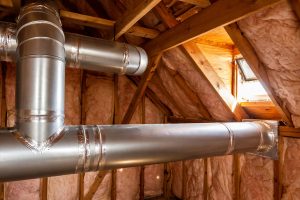
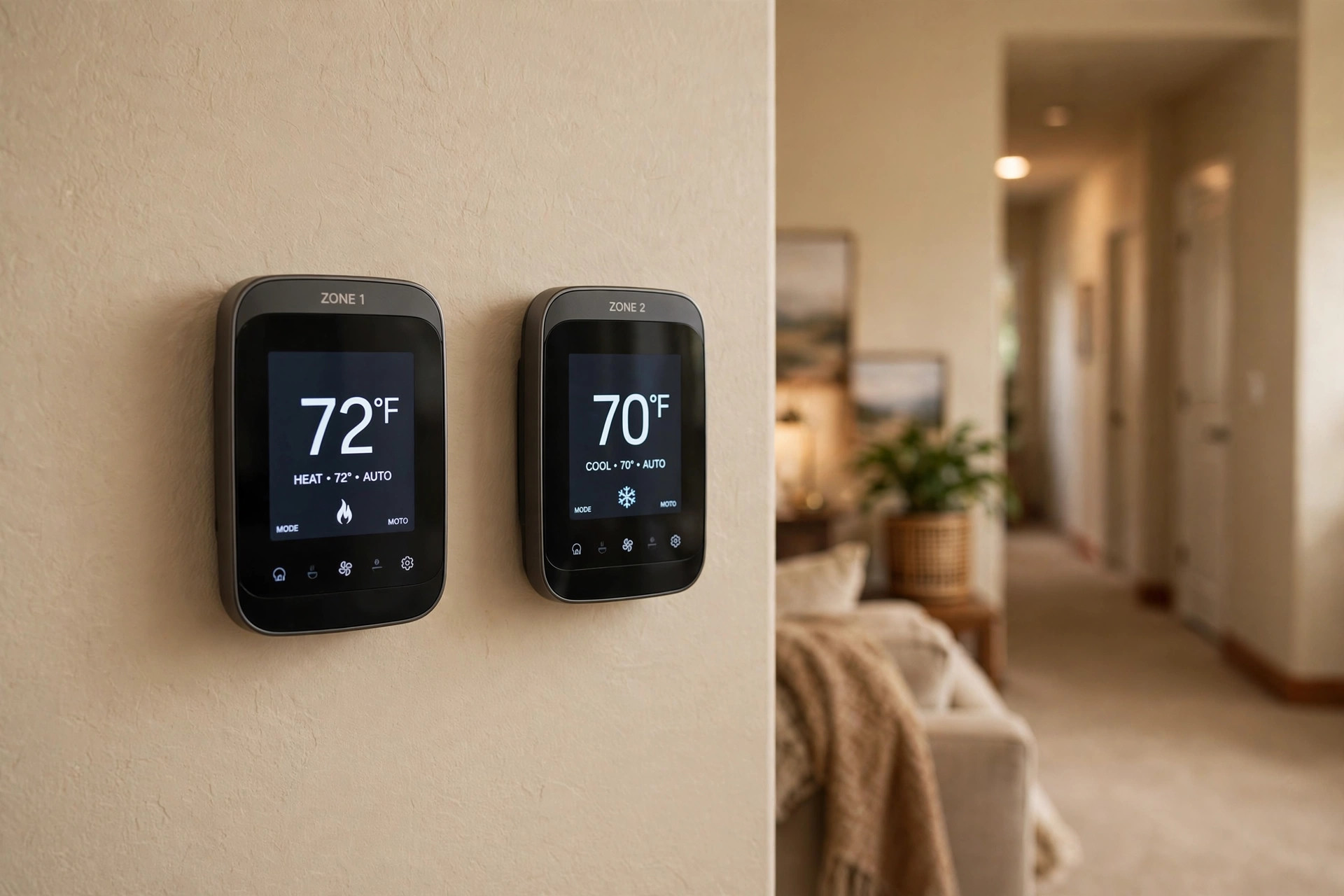
A two zone system splits one heating and cooling unit into two areas. Each zone gets its own thermostat. One thermostat controls the main floor. The other controls the upper floor. Dampers in the ducts open and close to send air where it is needed. The result is better comfort and lower bills.
The two zone thermostat is the brain of the setup. It tells the zone control panel what each zone needs. It reads the temperature in its area. It calls for heat or cooling only when that area needs it. Without good thermostats, the zones fight each other. One room runs too hot. Another runs too cold. The furnace or air conditioner runs too often.
What to Look for in a Two Zone Thermostat: Thermostat for Two Zone System Reviews Usa
Start with compatibility. This is the first and most important step. Your thermostats must work with your zone control panel. Most panels use standard low voltage wiring with R, C, W, Y, and G wires. Most modern thermostats fit these wires. Older panels may need specific types. Check the panel brand and model before you shop.
Next, think about stages. A basic furnace is single stage. It is on or off. A two stage furnace runs low or high. A heat pump may have backup electric heat. Your thermostat must match the stages your system has. If it cannot call for the right stage, the system will not run well. Many two zone thermostat control problems come from stage mismatch.
Then look at power. Most two zone panels need a C wire, also called a common wire. The C wire gives the thermostat steady power. Some older homes lack this wire. Battery powered thermostats can work without it, but they may lose features. A smart thermostat for two zone system homes almost always needs a C wire. If you have no C wire, an installer can add one or use an adapter.
Ease of use matters too. A screen that is easy to read helps everyone in the home. Large buttons help older hands. A clear menu helps when you need to change a setting. The best thermostat for zoned HVAC is not always the one with the most features. It is the one the whole family can use without a manual.
Wi-Fi and remote control are worth a look. Many modern two zone thermostats connect to your phone. You can change the temperature from work or from bed. You can get alerts when the home gets too cold. This helps protect pipes in winter. It also helps save money when the house is empty.
Types of Thermostats for Two Zone Systems
Standard Digital Programmable Thermostats
These are the simplest good choice. You set a schedule. The thermostat follows it. Heat goes up in the morning. It goes down at night. Each zone gets its own program. These units cost the least. They work with most zone panels. They have no Wi-Fi and no learning. They just do their job. For many homes, this is enough.
Smart Learning Thermostats
Smart thermostats learn your routine. They notice when you wake up and when you leave. They adjust each zone on their own. They show energy reports on your phone. They can run on schedules too. Many can control humidifiers and air filters as well. They cost more up front. They often pay back through lower bills. Reviews show that a smart thermostat for two zone system homes can cut heating and cooling costs by a clear margin.
Wi-Fi Connected Thermostats Without Learning
These sit between the two types above. They connect to your phone and follow a schedule. They do not learn on their own. You make the program and they keep it. They cost less than full learning models. They are simple to understand. Many owners of zoned systems like this middle path.
Thermostats Made by HVAC Brands
Some brands make thermostats that talk directly to their own zone panels and furnaces. These pairs can share more data. They may run the system more smoothly. They can show error codes from the furnace on the screen. The catch is that they may not work with other brands. If you have a matched system, check what your maker offers before you buy a third party unit.
How the Two Thermostats Work Together
In a two zone setup, both thermostats report to one zone control panel. The panel decides what the furnace or air conditioner should do. If zone one calls for heat and zone two calls for nothing, the panel opens the zone one damper. It keeps the zone two damper closed. It starts the furnace. When both zones call for cooling, it opens both dampers and runs the air conditioner.
Sometimes the two zones want different things. One wants heat. The other wants cooling. The panel picks a winner based on its rules. Most panels give the first call priority. Others use a changeover rule with a time gap. Your installer sets these rules when the system is built. Good thermostats send clean, clear signals. That keeps the panel from guessing.
Wiring is simple in most cases. Each thermostat has its own wire bundle to the panel. The panel has its own bundle to the furnace and the air conditioner. If you are replacing old thermostats, take a photo of the wires before you remove anything.
Cost and Price Guide
Thermostat prices for two zone systems vary by type. Here are common price ranges seen across the USA. Prices do not include labor.
– Basic digital programmable thermostat: $30 to $80 each. You need two, so plan $60 to $160. – Wi-Fi connected thermostat: $100 to $200 each. Plan $200 to $400 for the pair. – Smart learning thermostat: $150 to $300 each. Plan $300 to $600 for the pair. – Brand matched communicating thermostat: $200 to $400 each. Plan $400 to $800 for the pair.
Labor adds more. A simple swap of two thermostats may cost $150 to $300 in labor. A full zone system checkup with new thermostats may cost $300 to $600. Prices differ by city and by season. If new wire must be run through walls, the cost rises.
The zone control panel itself is a separate cost. If you are adding zoning to an existing home, the full job is much larger. New dampers, new wiring, and the panel can run into the thousands. If you only need to compare per-zone installation costs for other kinds of systems, our guide on ductless mini split installation cost per zone gives a useful price baseline.
Look at the big picture. Good two zone thermostat control can cut heating and cooling waste. Many homes save 10 to 30 percent on climate costs after zoning is set up right. The thermostats often pay for themselves in a few years. They also make the home feel better every single day.
Care and Upkeep
Two zone thermostats need little care. A few simple habits keep them working for years.
Keep them clean. Dust on the sensor can cause bad readings. Wipe the unit with a dry cloth once in a while. Do not use water or sprays on the screen or the vents.
Keep heat away from the thermostat. A lamp, a television, or direct sun can fool the sensor. The thermostat will think the room is warmer than it is. Then it will cool too much or heat too little. Make sure each thermostat sits on an inside wall, away from drafts and heat sources.
Change batteries on time if your unit uses them. Many units warn you when the battery runs low. Do not wait. A dead battery can shut the unit down and stop the zone from calling for heat or cooling.
Check the programs twice a year. When the season changes, review the schedules. Make sure the set points still fit your life. A small change can save real money. Also check that both zones still agree on the mode. Both should be on heat or both on cooling. Mixed modes confuse the panel.
Keep the home network safe with a strong password. This keeps strangers out of your heating system.
Safety Notes
Thermostats run on low voltage. The wiring is not like wall outlet wiring. It carries a small, safe level of power in most homes. Still, turn off the power to the furnace and the air conditioner before you touch any wires. Use the breaker, not just the wall switch. This protects both you and the equipment.
Never bypass safety limits on your furnace or air conditioner. Some homeowners raise limit settings to get more heat. This can damage the unit. It can also be a fire risk. Leave safety settings to a licensed technician.
Watch for signs of trouble. A burning smell near the panel is a warning. Buzzing from a damper motor that never stops is a warning. A thermostat that goes blank again and again is a warning. Call a professional if you see any of these. Do not open the furnace cabinet unless you know what you are doing.
If you have an older home, check for mercury thermostats. Very old units may hold a small glass tube of mercury. Mercury is poison. Do not break the tube. Do not throw the old unit in the trash. Many states run free take back programs.
For general home safety rules about electrical and heating work, trusted guides from Family Handyman and This Old House are worth a read before any project starts.
What the Reviews Say
Reviewers across the USA agree on a few points. Simple programmable models from trusted brands get strong marks for reliability. Smart learning models get the highest ratings for comfort and savings, though setup takes more time. Brand matched thermostats win in matched systems but cost more and lock you to one brand.
One theme repeats in every review. The thermostat is only as good as the install. Clean wiring, a C wire where needed, and correct stage settings matter more than brand names. A mid priced unit set up well will beat a costly one set up badly. If you are unsure, pay for an hour of a technician’s time. It is money well spent.
For deeper detail on equipment choices, the guides at Carrier, Trane, Lennox, Goodman, and Rheem explain how thermostats pair with their systems. For energy saving facts, Energy.gov and ENERGY STAR publish clear, tested advice.
Frequently Asked Questions
Can I use any thermostat with a two zone system?
No. The thermostat must fit your zone panel and your equipment stages. Most standard low voltage thermostats work with most panels. Smart and brand matched units need a closer check. Always confirm compatibility with the panel maker before you buy.
Do both zones need the same thermostat model?
They do not have to match, but matching is simpler. The same model means one app, one manual, and one way of setting schedules. If you mix models, make sure both handle the same stages and both have the features you need, such as Wi-Fi or a C wire.
Do I need a C wire for each thermostat?
Most modern thermostats need one. Each thermostat gets its own C wire from the panel. If your home has no C wire, an installer can add one or fit an adapter kit. Battery only units can work without it, but smart features may be limited.
How much does it cost to replace both thermostats?
For parts, expect $60 to $600 for the pair depending on type. Labor for a simple swap runs about $150 to $300. If new wiring is needed, the total is higher. Get two or three quotes from local HVAC firms before you decide.
Will a smart thermostat really save money on a zoned system?
It can. Zoning already saves money by heating and cooling only the rooms in use. A smart thermostat adds schedules, remote control, and energy reports on top of that. Savings depend on your rates, your climate, and how well the system is set up. Many owners see a clear drop in bills within the first year.
Should I install the thermostats myself?
A simple like for like swap is a common DIY job for handy homeowners. Take photos of the old wiring first. Label every wire. Turn off the power at the breaker. If you need new wire runs, new dampers, or a new panel, hire a licensed HVAC technician. Zone panels and damper motors are not beginner work.
For help weighing zoned systems against other options, see our MrCool vs Pioneer comparison and our mini split versus central AC cost comparison. These guides help you see the full price picture before you spend.
A Short Final Word
A thermostat for two zone system comfort is a small device with a big job. It reads the room. It calls the panel. It keeps each zone at its own perfect temperature. Pick one that fits your panel, your stages, and your budget. Set it up with care. Keep it clean and updated. The reward is a home that feels right in every room, and bills that stay under control. Read the reviews, compare the types, and choose with confidence. Your home will thank you every day.
References
Carrier. (n.d.). Heating and cooling systems. https://www.carrier.com ENERGY STAR. (n.d.). Energy efficient products. https://www.energystar.gov Family Handyman. (n.d.). DIY home repair and maintenance. https://www.familyhandyman.com Goodman. (n.d.). Heating and cooling equipment. https://www.goodmanmfg.com Lennox. (n.d.). Heating and cooling systems. https://www.lennox.com Rheem. (n.d.). Heating, cooling, and water heating. https://www.rheem.com This Old House. (n.d.). Home renovation guidance. https://www.thisoldhouse.com Trane. (n.d.). Heating and air conditioning. https://www.trane.com U.S. Department of Energy. (n.d.). Energy efficiency and renewable energy. https://www.energy.gov
Was this guide helpful?

About Robert Taylor
The My Garden US editorial team writes practical, in-depth home and garden guides for American homeowners — tested advice, no fluff.
You May Also Like
Solar Attic Fan Reviews for USA Homes
February 18, 2026 1 views
Geothermal Heating Pros and Cons USA Homeowners Should Know
August 23, 2026 0 views
Spray Foam Insulation Cost Per Square Foot
March 12, 2026 0 views