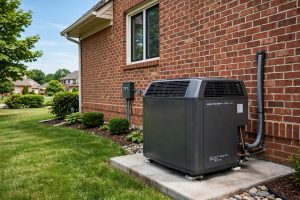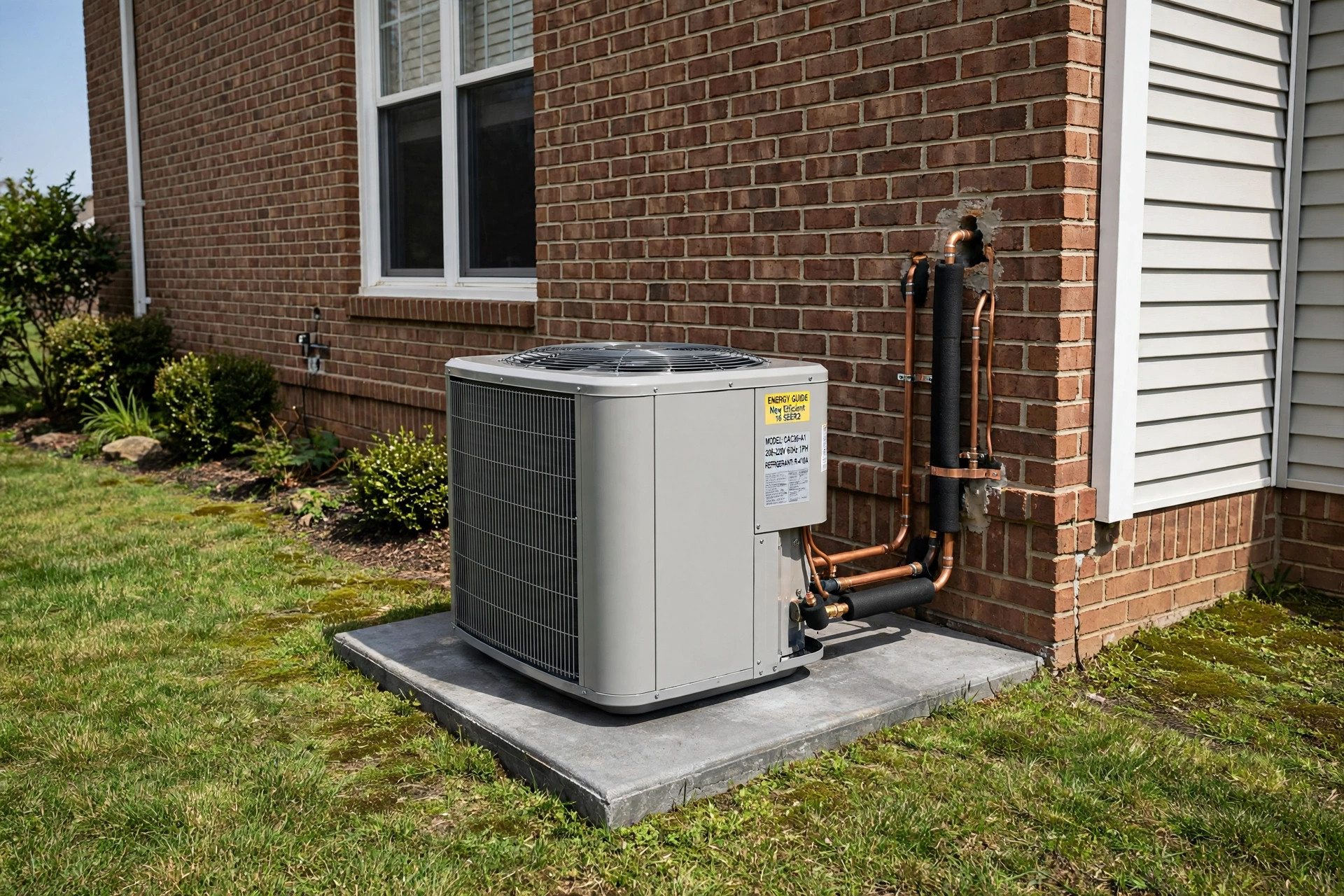

When an old air conditioner gives up in the middle of summer, the first question most homeowners ask is simple: what is the central ac replacement cost near me 2026? The answer is not a single number. It shifts with the size of the house, the brand of the equipment, and the labor rates in the local market. But there are clear ranges, and with a little knowledge a homeowner can read a quote with confidence and tell a fair price from an inflated one.
Why the Cost of a New Central AC Matters in 2026
A central air conditioner is one of the most costly machines in a home. It runs more hours than almost any other appliance. In 2026 it also costs more to buy than it did a few years ago. Copper, steel, and refrigerant prices have risen. New rules on refrigerants have pushed makers to change their designs. And labor rates for licensed HVAC contractors have climbed with them.
Because the sums are large, a rushed choice can be expensive for fifteen years. An oversized unit cools fast but does not pull enough water out of the air, so the home feels clammy. An undersized unit runs all day and wears out early. The right size and the right price both matter.
Many homeowners search for “central ac replacement cost near me 2026” because local prices really do differ. A contractor in Florida charges a different rate than one in Minnesota. Freight, permits, and local code work all fold into the total. Understanding the parts of the price helps a homeowner compare bids apples to apples.
What Drives the Price of a Central AC Replacement: Central Ac Replacement Cost near Me 2026
Size of the System
The single biggest cost factor is capacity, measured in tons. One ton of cooling serves roughly 400 to 600 square feet, though insulation, windows, and climate all play a part. A small ranch house may need 2 tons. A large two-story home may need 4 or 5 tons. Each step up in size adds hundreds of dollars to the equipment cost.
Contractors use a load calculation, often called a Manual J, to find the right size. Any contractor who sizes a new system by guessing or by copying the old unit deserves a second look. A proper load calculation protects the homeowner from buying too much or too little machine.
Brand and Efficiency Rating
Brands such as Carrier and Trane sit at the top of the market and cost more than budget names like Goodman. Mid-range makers such as Lennox and Rheem fall between. Brand alone can swing the equipment price by a thousand dollars or more.
Efficiency is measured by SEER2, the rating the Energy Department uses for central air systems. Higher SEER2 means lower power bills but a higher sticker price. A basic 14 SEER2 unit is the least you can buy new in most regions. A high-efficiency 18 to 20 SEER2 unit can cost 40 to 60 percent more up front, but it can pay back the difference in power savings over ten years in hot climates.
Ductwork and Extra Work
The unit itself is only part of the job. If the ductwork is old, leaky, or the wrong size, the contractor may need to seal, repair, or replace sections. New ductwork can add a large sum to the bill. Other extras include a new thermostat, electrical upgrades, a new condensate drain, permits, and removal of the old unit.
A homeowner who already knows how to keep smaller systems clean — for example through a guide to cleaning mini split filters — understands that maintenance affects long-term cost, but ductwork and electrical work are jobs for a licensed pro, not for a weekend project.
Types of Central AC Systems You Can Buy
Single-Stage Units
A single-stage unit is either on full blast or off. It is the least costly to buy and the simplest to repair. It cools well but can be noisier and less even in temperature than newer designs. For a homeowner who plans to move in a few years, a single-stage unit often makes the most sense.
Two-Stage Units
A two-stage unit runs at low speed most of the time and only shifts to full power on the hottest days. This gives steadier temperatures and better humidity control. It costs more than a single-stage unit but less than a variable-speed model. Many contractors recommend it as the best value in moderate climates.
Variable-Speed Units
A variable-speed unit adjusts its output in small steps to match the exact need of the home. It is the quietest and most efficient choice, and it wrings the most moisture from the air. It is also the most expensive to buy and can cost more to repair, since the controls are more complex. The ENERGY STAR program lists top-rated variable-speed models for homeowners comparing labels.
Heat Pumps
A heat pump is a central air conditioner that can run in reverse and heat the home in winter. In mild climates it can replace both the AC and the furnace. The installed cost is close to that of a straight AC system, and the heating savings can be large. Reviews at This Old House cover how heat pumps perform in real homes.
Cost and Price: Typical Ranges for 2026
For 2026, a full central AC replacement in the United States generally runs from about $4,500 to $12,000 installed. A small single-stage system in a modest home falls near the low end. A large variable-speed system with ductwork repairs can reach the high end or beyond.
Here is how the money usually breaks down:
– Equipment: 50 to 60 percent of the total. The outdoor condenser and indoor coil are the heart of the job. – Labor: 25 to 35 percent. A normal swap takes a crew most of a day. Ductwork or electrical work adds hours. – Permits and extras: 5 to 10 percent. Permits, thermostat, drain line, and disposal of the old unit.
Regional differences are real. Labor in high-cost cities runs well above the national average. In the hot South, where AC work is common and crews are busy all summer, prices can run high during peak season. Scheduling the job in spring or fall sometimes brings a better quote.
Homeowners should get at least three written quotes. Each quote should list the equipment model number, the SEER2 rating, the scope of work, and the warranty terms. Advice from Family Handyman on reading contractor bids can help a homeowner spot vague line items before signing.
Financing matters too. Many contractors offer payment plans, and some utility companies give rebates for high-efficiency units. A homeowner with a zoned system may also want to check thermostat options for a two-zone system options, since the right controls can cut bills after the new unit goes in.
How to Get Fair Quotes Near You
Start with contractors who are licensed and insured in the state. Ask neighbors, read reviews, and check with the state licensing board. A good contractor visits the home, measures the rooms, looks at the ductwork, and runs a load calculation before giving a price. Anyone who quotes over the phone without seeing the house is guessing.
Ask each bidder the same questions:
– What size unit do you recommend, and what load calculation did you use? – Is the indoor coil included, or is this the condenser only? – What work will you do on the ductwork? – What are the equipment and labor warranties? – Will you pull the permit, and what does it cost?
Compare warranties carefully. Most makers give ten years on parts when the unit is registered. Labor warranties from the contractor often run one to two years. A long labor warranty is worth real money.
Beware of prices far below the others. A very low bid may mean reused parts, no permit, or an unlicensed crew. It may also mean the unit is undersized to win the job. On the other side, the highest bid is not always the best. The middle quote from a thorough contractor is often the sweet spot.
Care and Upkeep After Installation
A new central AC will last 15 to 20 years with plain care. The most important task is also the simplest: change the air filter on schedule, usually every one to three months. A dirty filter chokes airflow, raises power bills, and can freeze the coil.
Keep the outdoor unit clear of leaves, grass clippings, and shrubs. Give it two feet of space on all sides. Once a year, have a technician check the refrigerant charge, clean the coils, and test the controls. Many contractors sell service plans that include this visit.
Watch the thermostat settings as well. For homes heating water with other equipment, cost questions often come up together — see our gas vs electric pool heater cost comparison for a similar breakdown on heating costs. Small habits, like using ceiling fans and shading sunny windows, take load off the new AC and stretch its life.
Safety Notes for Homeowners
Air conditioning work involves high-voltage electricity and refrigerant under pressure. Homeowners should not open the electrical panel of the unit or try to add refrigerant themselves. Refrigerants require a licensed handler by federal law, and a mistake can damage the system or injure the person doing the work.
Keep children and pets away from the work area during installation. The old unit may contain oil or refrigerant that must be recovered by the contractor, not dumped. Ask the contractor how the old equipment will be disposed of; responsible firms reclaim the refrigerant and recycle the metal.
After installation, make sure the thermostat is set correctly and the condensate drain has a clear path. A blocked drain can flood a utility room in a single day.
Frequently Asked Questions
How long does a central AC replacement take?
Most straight replacements take one full day. A crew removes the old equipment, sets the new condenser and coil, connects the refrigerant lines and wiring, pulls a vacuum on the system, charges it, and tests it. If ductwork repairs or electrical upgrades are needed, the job can stretch to two or three days.
Should I replace the furnace at the same time?
If the furnace is more than 15 years old, replacing both together often costs less than doing them years apart, and the two machines are matched to work as a team. If the furnace is newer and runs well, there is no need to replace it early.
Is it worth paying extra for a higher SEER2 rating?
In hot climates where the AC runs six months a year, the power savings from a high-SEER2 unit usually pay back the extra cost within the life of the machine. In cool climates with short summers, a basic unit is often the smarter buy. Ask the contractor to show the math for the local power rates.
Can I buy the unit online and hire someone to install it?
Some homeowners try this to save money, but most contractors will not install equipment they did not sell, and the maker’s warranty may not apply to units bought through unauthorized channels. A unit installed by a licensed pro with full warranty support is usually the safer deal.
What time of year is cheapest for AC replacement?
Late fall through early spring is often the cheapest season, when contractors have lighter schedules and may offer discounts to keep crews busy. Emergency summer replacements carry the highest prices because the work cannot wait.
How do I know my old AC truly needs replacing?
Three signs point to replacement rather than repair: the unit is over 12 to 15 years old, it uses the old R-22 refrigerant, or a repair would cost more than half the price of a new system. Rising power bills and frequent breakdowns are further clues.
A Short Final Word
The central ac replacement cost near me 2026 is a local question, but the way to answer it is the same everywhere: learn the price ranges, get three written quotes, check the contractor’s license, and read the warranty before signing. A new central AC is a fifteen-year partner in comfort. An hour spent comparing bids today pays back every summer for years to come.
References
Carrier. (n.d.). Heating and cooling systems. https://www.carrier.com ENERGY STAR. (n.d.). Energy efficient products. https://www.energystar.gov Family Handyman. (n.d.). DIY home repair and maintenance. https://www.familyhandyman.com Goodman. (n.d.). Heating and cooling equipment. https://www.goodmanmfg.com Lennox. (n.d.). Heating and cooling systems. https://www.lennox.com Rheem. (n.d.). Heating, cooling, and water heating. https://www.rheem.com This Old House. (n.d.). Home renovation guidance. https://www.thisoldhouse.com Trane. (n.d.). Heating and air conditioning. https://www.trane.com U.S. Department of Energy. (n.d.). Energy efficiency and renewable energy. https://www.energy.gov
Was this guide helpful?

About Michael Thompson
The My Garden US editorial team writes practical, in-depth home and garden guides for American homeowners — tested advice, no fluff.
You May Also Like

Ceiling Fan Installation Cost Near Me: What You Should Expect to Pay
July 25, 2026 0 views
Infrared Wall Heater Reviews for Bedrooms: A Simple Buying Guide
April 4, 2026 0 views
Best Portable Humidifier for Bedroom USA: A Simple Buying Guide
August 19, 2026 0 views