---
Table of Contents
Table of Contents
- Silence a Beeping Smoke Alarm at Night: First: Make Sure There Is No Fire
- What the Beep Patterns Mean
- The 2 A.M. Fix: Silence It Right Now
- The Morning Fix: Stop It for Good
- Replace the battery properly
- Reset the alarm
- Clean the sensor
- Check the manufacture date
- For hardwired alarms
- Stop the Nighttime Chirp Before It Starts
- Interconnected Systems: Find the Culprit
- When to Call for Help
- The Bottom Line
- References
It is the middle of the night. A smoke alarm chirps every minute, sharp enough to wake the dead, and you cannot think straight. You want quiet now and a real fix in the morning. This guide covers how to silence a beeping smoke alarm at night safely, what each beep pattern means, and how to stop the chirp from coming back. This article explains silence a beeping smoke alarm at night in simple terms.
Silence a Beeping Smoke Alarm at Night: First: Make Sure There Is No Fire
When it comes to silence a beeping smoke alarm at night, getting the details right makes all the difference.
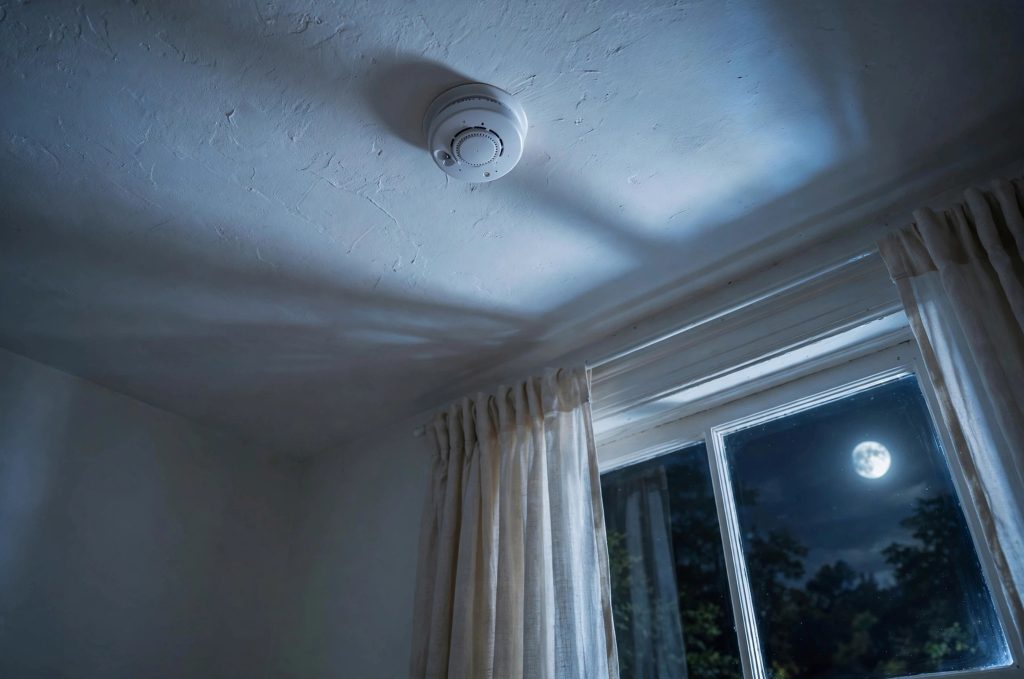
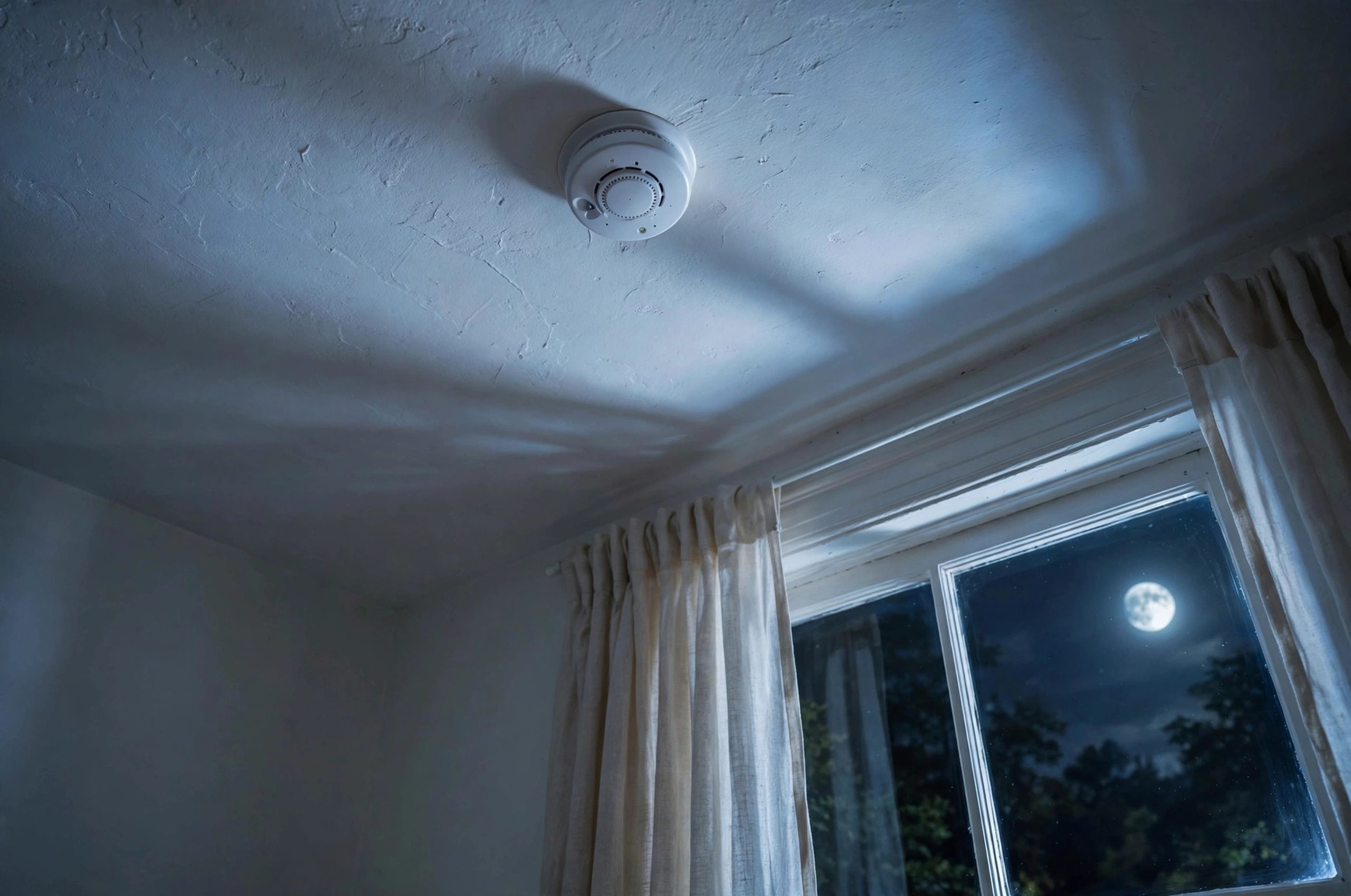
Many homeowners find that silence a beeping smoke alarm at night is easier than they expected once they know the basics.
Before you touch anything, check for actual danger. A repeating loud alarm, three beeps in a pattern, means smoke or fire. Get everyone out and call 911. Do not go back inside.
A single chirp every 30 to 60 seconds is different. That is the low-battery or fault signal, not a fire alarm. It is annoying, not dangerous. But still do a quick check: sniff for smoke, glance at the stove and the furnace area, and make sure nothing is smoldering. Once you are sure the house is safe, you can deal with the chirp.
What the Beep Patterns Mean
Many homeowners find that silence a beeping smoke alarm at night is easier than they expected once they know the basics.
The key to silence a beeping smoke alarm at night is choosing the right approach for your space and budget.
Smoke alarms speak in patterns. Learn the language and you will know the fix in seconds. A security company's guide lays out the common patterns (Callaway Security on stopping beeping alarms):
- One chirp every 30 to 60 seconds: Low battery. The most common cause, and the one that loves to start at night.
- Chirping that continues with a fresh battery: End of life, or a fault. Check the manufacture date on the back.
- Random or intermittent beeping: Dust in the sensor, humidity, or insects.
- Three loud beeps, repeating: Smoke detected. Treat as a real alarm.
- All alarms sounding together: Interconnected system. One unit detected something. Find the one with the flashing red light. That is the trigger.
- Chirp only at night: Cold air drops the battery voltage below the warning threshold. The battery is dying and the cool night air pushes it over the edge.
Why night? Batteries are chemical. Cold slows the chemical reaction and lowers voltage. Your house cools overnight, the weak battery dips below the alarm's threshold, and the chirping starts at the worst possible hour. An electrician's explainer on nighttime chirping covers this temperature effect (Volta Electric on why alarms chirp at night).
The 2 A.M. Fix: Silence It Right Now
The key to silence a beeping smoke alarm at night is choosing the right approach for your space and budget.
With a little planning, silence a beeping smoke alarm at night can fit even a busy schedule.
You need sleep. Here is the fastest safe path.
Step 1: Press the hush button. Find the button labeled Test, Silence, or Hush on the unit. Press and hold it for 5 to 10 seconds. This pauses the chirping for several minutes, sometimes up to 10 or 15. It buys you time to think.
Step 2: Swap the battery. Nine times out of ten, a fresh battery ends the story. Twist the alarm off its ceiling mount. Open the battery compartment. Put in a brand-new battery of the right type, usually 9-volt or AA. Make sure it seats firmly and the compartment door closes fully. Remount the alarm. It should chirp once and go quiet.
Keep spare batteries where you can find them in the dark. A drawer in the kitchen or the hall closet beats a trip to the garage at 2 a.m.
Step 3: If there is no fresh battery. Press the hush button again for another quiet window. If the unit keeps chirping and you truly cannot fix it tonight, you may remove the battery from that one unit only, set the battery where you will see it in the morning, and fix the alarm first thing. Do not disable the whole interconnected set. And do not let "in the morning" slide into next week. An electrician's overnight advice makes this exact point: the morning you mean to deal with it has a way of becoming next month (Bright Force on beeping alarms).
Never do this: do not pull the battery and forget it. A smoke alarm with no battery is decoration. The U.S. Fire Administration is blunt about it: disabling an alarm or removing the battery can be a deadly mistake (USFA smoke alarm guidance).
The Morning Fix: Stop It for Good
With a little planning, silence a beeping smoke alarm at night can fit even a busy schedule.
Before you start, it helps to understand how silence a beeping smoke alarm at night works in real homes.
Once you are awake and thinking clearly, find the real cause.
Replace the battery properly
Use a fresh, name-brand battery. Check the date on the battery package. Batteries lose charge sitting on a shelf. Match the type the alarm wants: 9-volt, AA, or AAA. Lithium batteries last longer and handle cold better than alkaline, which helps with the nighttime chirp problem.
Reset the alarm
Sometimes the alarm holds a small electrical charge that keeps it chirping after a battery swap. To clear it:
1. Remove the alarm from its mount. 2. Take out the battery. 3. Press and hold the Test button for 15 to 20 seconds. You may hear a weak chirp or two. That is the leftover charge draining. 4. Put in the fresh battery. 5. Remount the alarm.
This reset clears stuck fault states. An engineering guide to low-battery beeping describes this residual-charge problem and the same fix (how long a smoke detector beeps for low battery).
Clean the sensor
Dust and tiny insects in the sensing chamber cause random beeping. Vacuum the outside vents with a soft brush attachment. Blow out the inside with short bursts of compressed air. Wipe the case with a slightly damp cloth. Do this twice a year, more often if you have pets or a dusty house.
Check the manufacture date
Twist the alarm off and read the date on the back. If it is more than ten years old, replace the whole unit. No cleaning or battery fixes an expired sensor. The chirp is the alarm telling you it is done. A battery and maintenance guide stresses this ten-year limit (smoke detector battery and maintenance tips).
For hardwired alarms
Hardwired alarms have house power plus a backup battery. If the backup battery is dead, the alarm chirps even though the house power is fine. Replace the backup battery the same way. If the alarm chirps during or after a power outage, the outage drained the weak backup battery. A guide to outage beeping walks through the reset steps for hardwired units (how to stop beeping during a power outage).
If a hardwired alarm keeps chirping with a fresh backup battery, check the breaker. Then check the wiring harness plug behind the unit. Loose harness connections cause phantom chirps. If the wiring looks fine and the unit is under ten years old, call an electrician.
Stop the Nighttime Chirp Before It Starts
Before you start, it helps to understand how silence a beeping smoke alarm at night works in real homes.
A good plan for silence a beeping smoke alarm at night saves time, money, and frustration.
The best fix is prevention. A little maintenance means you never meet the 2 a.m. chirp.
Change batteries on a schedule. Pick an easy reminder, like the start of each season, and change every battery then. Do not wait for the chirp.
Switch to sealed ten-year alarms. These have a built-in battery you never change. When the unit dies at ten years, you replace the whole alarm. No batteries to forget, no nighttime chirps from weak cells. See (10-year battery smoke detector reviews).
Keep spares handy. Store the right batteries for every alarm in one labeled spot. When the chirp comes, the fix is thirty seconds away.
Vacuum the alarms twice a year. Dust is the slow killer. A quick vacuum keeps sensors clear and prevents the random beeps that wake you for no reason.
Check the app for smart alarms. Smart detectors report low batteries to your phone days before the chirp starts. If yours does this, act on the alert the day it arrives.
A family smoke alarm checklist covers the monthly test routine that catches weak batteries early (smoke alarm checklist).
Interconnected Systems: Find the Culprit
A good plan for silence a beeping smoke alarm at night saves time, money, and frustration.
For most people, silence a beeping smoke alarm at night comes down to a few smart choices.
In many homes, all alarms are linked. When one chirps, they all chirp, and finding the guilty unit at night is miserable. Here is the trick: the initiating unit usually has a rapidly flashing red LED. Walk the house and look at each alarm. The one blinking fast is the one with the dead battery or fault. Fix that one and the rest go quiet.
If you cannot tell which is which, silence them one at a time with the hush button until the chorus stops, then fix the last one you silenced. For code requirements on how these systems should be wired, see (interconnected smoke alarm code requirements). For hardwired replacement options, see (hardwired smoke detector reviews).
When to Call for Help
For most people, silence a beeping smoke alarm at night comes down to a few smart choices.
Call an electrician if hardwired alarms keep chirping with fresh batteries, if the breaker for the alarm circuit trips, or if you see scorch marks or smell burning near any alarm. Call your local fire department's non-emergency line if you want a free safety check. Many departments inspect alarms and install new ones at no cost.
The Bottom Line
If you are new to silence a beeping smoke alarm at night, start with the simplest option and build from there.
A beeping smoke alarm at night almost always means a dying battery, and cold air is what pushes it over the edge after dark. Silence it with the hush button, swap in a fresh battery, and reset the unit in the morning. Then prevent the next episode: change batteries on a schedule, clean the sensors twice a year, and consider sealed ten-year alarms that never need a battery swap. Never leave an alarm disabled. The chirp is annoying. A silent house fire is worse. That is all it takes to handle silence a beeping smoke alarm at night with confidence.
References
When it comes to silence a beeping smoke alarm at night, getting the details right makes all the difference.
Callaway Security. (n.d.). How to stop a smoke alarm from beeping or chirping in 5 steps. https://callawaysecurity.com/how-to-stop-smoke-detectors-from-beeping/
Engineer Fix. (n.d.). How long does a smoke detector beep for a low battery? https://engineerfix.com/how-long-does-a-smoke-detector-beep-for-a-low-battery/
Engineer Fix. (n.d.). How to stop a smoke alarm beeping during a power outage. https://engineerfix.com/how-to-stop-a-smoke-alarm-beeping-during-a-power-outage-2/
Volta Electric. (n.d.). Why your smoke alarm chirps at night (and how to stop it). https://voltaelectricinc.com/blog/why-smoke-alarm-chirp-at-night/
Bright Force Electrical. (n.d.). Smoke alarm beeping but no smoke? Causes and fixes. https://brightforceelectrical.com.au/blog/smoke-alarm-beeping/
U.S. Fire Administration. (n.d.). Smoke alarms. https://www.usfa.fema.gov/prevention/home-fires/prepare-for-fire/smoke-alarms/
The Hartford. (n.d.). Smoke alarm checklist. https://assets.thehartford.com/image/upload/smoke_alarm_checklist.pdf
The Battery Tips. (n.d.). How often should a smoke detector battery be changed. https://thebatterytips.com/battery-specifications/how-often-should-a-smoke-detector-battery-be-changed/
Many homeowners find that silence a beeping smoke alarm at night is easier than they expected once they know the basics.
Was this guide helpful?

About My Garden US
The My Garden US editorial team writes practical, in-depth home and garden guides for American homeowners — tested advice, no fluff.
You May Also Like
Lutron Caseta vs Leviton: Which Smart Dimmer Should You Buy
March 22, 2026 21 views
Best Home Security System No Monthly Fee USA: A Complete Guide for Homeowners
January 10, 2026 18 views
Best Dusk to Dawn Outdoor Light Reviews USA
May 28, 2026 18 views