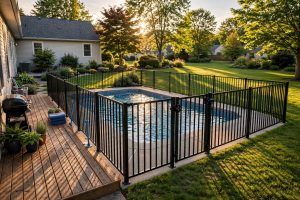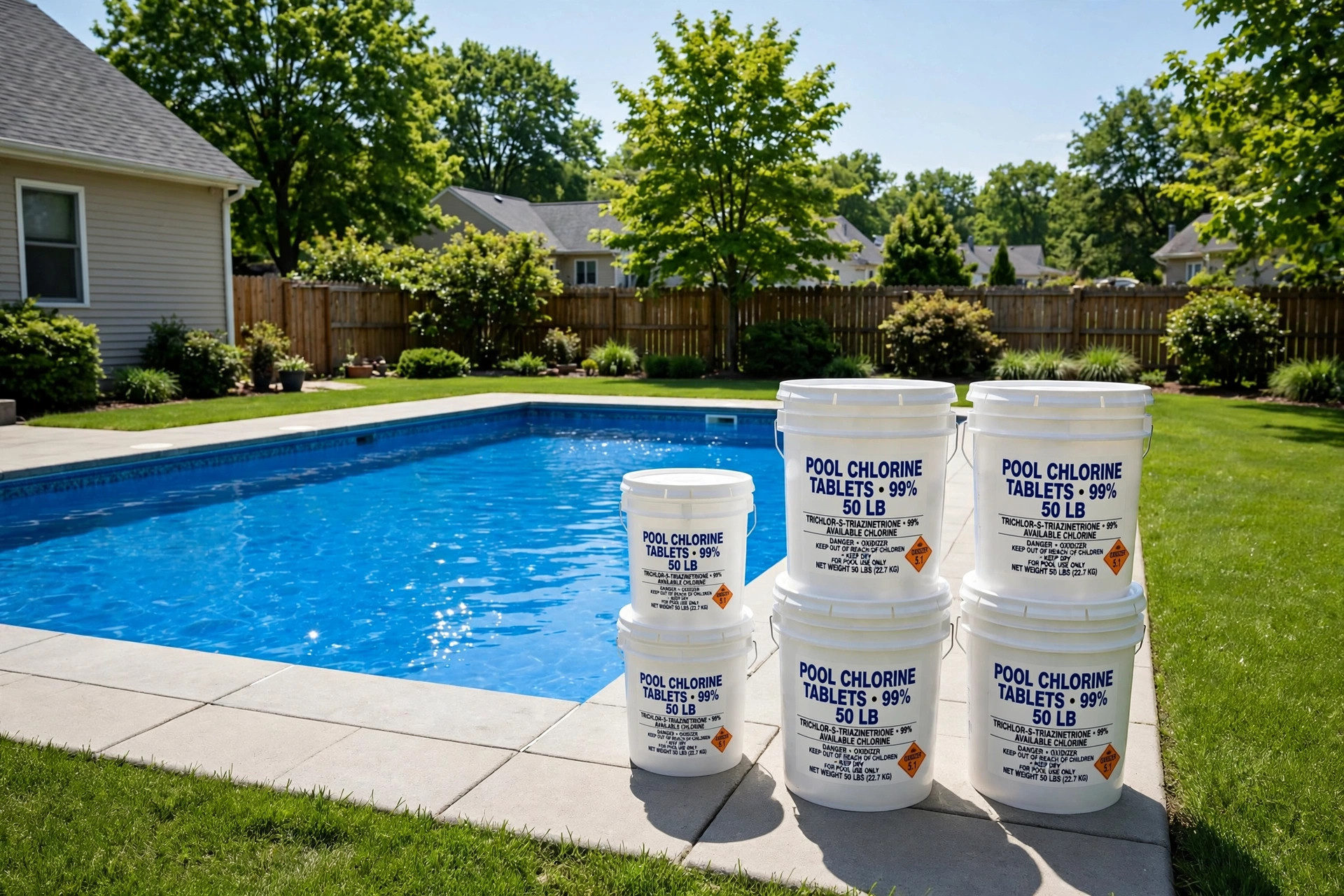

A pool owner who wants clear water all summer must think about chlorine. Of all the ways to add chlorine, tablets are the most common. They dissolve slowly, they are easy to use, and they fit in feeders and floaters. When you plan a best pool chlorine tablets bulk buy, you are not just shopping for a low price. You are planning a season of clean water. A good bulk buy saves money, cuts trips to the store, and keeps your pool chemistry steady from spring to fall.
Most pool stores sell chlorine tablets in buckets of ten, twenty-five, or fifty pounds. Buying in bulk usually means a twenty-five or fifty pound bucket. For many owners of home pools, one fifty pound bucket lasts a full season. Some large pools need two. The key is to buy the right tablet for your pool, store it well, and use it in a steady way.
Why a Bulk Buy Matters
Pool care runs on routine. Chlorine keeps bacteria and algae from growing in the water. Tablets give off chlorine at a slow, steady rate when water flows past them. If you run out of tablets for even a few days in hot weather, the water can turn green fast. A bulk buy means you always have tablets on hand.
Buying more at once also lowers the price per pound. Pool chemicals cost more at the start of the season, when demand is high. Many owners who research the best pool chlorine tablets bulk buy compare the price per pound instead of the price of the bucket. A fifty pound bucket that costs more than a twenty-five pound bucket may still be the better deal.
There is one more reason to buy in bulk. Chlorine tablets keep well when stored right. They do not go bad in a few weeks. A sealed bucket of dry tablets holds its strength for a season or longer. That means a bulk buy does not go to waste.
What to Look For When You Choose: Best Pool Chlorine Tablets Bulk Buy
Available Chlorine Strength
The first number to check is the available chlorine percentage. Most three inch tablets of trichlor give about 90 percent available chlorine. One inch tablets of trichlor are also common. Dichlor granules give about 55 to 62 percent. A higher number means more chlorine per tablet. Guides from Leslie’s Pool Supplies explain how chlorine strength affects dosing.
Tablet Size and Dissolve Rate
Three inch tablets dissolve slowly and work best in automatic feeders and large floaters. One inch tablets dissolve faster and fit small floaters and spa feeders. Do not mix sizes in the same feeder. Tablets with binders that slow dissolving last longer, which matters when you stretch a bulk buy through a long season.
Freshness and Packaging
Chlorine tablets last longest in sealed, dry buckets. Look for a bucket with a tight lid and a label that shows the date of manufacture. Avoid bags that are torn or buckets that smell strong when closed. The Pool Warehouse catalog shows how quality packaging protects tablets from moisture.
Purity and Fillers
Good tablets are mostly trichlor with few binders. Cheap tablets may use more filler, which dissolves into residue. Residue can cloud water and wear out feeders. Read the label for the full list of ingredients before you buy in bulk.
Types of Chlorine Tablets
Trichlor Tablets (3-Inch)
Trichlor, or trichloro-s-triazinetrione, is the most common tablet chlorine. It gives about 90 percent available chlorine and dissolves slowly. It also lowers the pH of the water a little and adds cyanuric acid, which guards chlorine against sun. Owners who use accurate pool test strips often watch this acid level closely.
Trichlor Tablets (1-Inch)
One inch tablets are the same chemical in a small size. They suit spas, small above ground pools, and floaters that take small tablets. They dissolve faster, so you refill the floater more often. A bulk buy of one inch tablets can still be a good deal for a spa owner.
Dichlor Tablets
Dichlor tablets dissolve very fast and give a quick dose of chlorine. They are less common as tablets and cost more per pound of chlorine. Most owners use dichlor as granules, not as tablets. Dichlor adds less cyanuric acid per dose than trichlor.
Multifunction and 4-in-1 Tablets
Some brands sell multifunction tablets that add algaecide, clarifier, or stabilizer with the chlorine. These can help, but they hide the true dose of each chemical. When you want tight control of your water, plain trichlor tablets plus separate products work better. Review sites such as The Spruce compare plain and multifunction tablets for home pools.
Stabilized Versus Unstabilized
Most chlorine tablets are stabilized, which means they contain cyanuric acid. Stabilizer guards chlorine from sun loss. Unstabilized chlorine, such as calcium hypochlorite, has no stabilizer and suits indoor pools or pools that already have high stabilizer. The debate between salt water and chlorine pools shows how stabilizer shapes pool care.
How Many Tablets Does Your Pool Need
A common rule is one three inch tablet per ten thousand gallons of water per week. A twenty thousand gallon pool uses about two tablets a week in the heat of summer. Over a twenty week season, that is about forty tablets. A fifty pound bucket holds about one hundred three inch tablets. Do the math for your own pool before you buy.
Use a shock treatment after heavy rain when storms wash debris into the water. Tablets alone cannot fix a pool that has turned green. They keep a clean pool clean. If algae has started, you must shock the pool with a fast chlorine dose first.
Your feeder or floater setting also matters. An automatic chlorinator lets you set the dose. Start low and test the water. Raise the setting until the free chlorine stays between one and three parts per million. Test at least twice a week in summer.
Cost and Price of a Bulk Buy
Price Per Pound
The best way to compare bulk buys is the price per pound. Take the bucket price and divide it by the pounds of tablets. A ten pound bucket may cost two dollars per pound. A fifty pound bucket of the same brand may cost far less per pound. Stores such as The Home Depot list many bucket sizes side by side.
Seasonal Price Swings
Chlorine prices rise in spring when pools open and fall in late summer when demand drops. Some owners buy their bulk supply in late summer for the next year. Store the sealed bucket in a cool, dry place and it will still be strong in spring.
Hidden Costs
Shipping can add a lot to a fifty pound bucket bought online. Some sellers charge extra for heavy packages. Check the total price with shipping before you compare. Also count the cost of test strips and pH adjusters. Chlorine tablets lower pH over time, so you will buy pH increaser through the season.
Long Term Savings
A steady tablet program costs less than fixing a green pool. Algae treatment needs extra shock, extra algaecide, and sometimes a partial drain and refill. Water and chemicals for one cleanup can cost more than a whole bucket of tablets. Steady dosing is the cheapest plan.
Care and Upkeep: Storage and Use
Storing a Bulk Bucket
Keep the bucket in a cool, dry, shaded spot. Never store chlorine tablets next to other pool chemicals, paint, or fuel. Chlorine reacts with many common products and can start a fire. Leave tablets in their original bucket with the lid closed tight. Moisture breaks tablets down and weakens them.
Safe Handling
Wear gloves when you handle tablets. Do not inhale the fumes when you open a bucket. Keep the bucket out of reach of children and pets. The U.S. Consumer Product Safety Commission offers clear rules for storing pool chemicals at home.
Using a Feeder or Floater
Place tablets in an automatic chlorinator or a floating dispenser. Never put tablets straight in the skimmer basket for long periods. High chlorine in the skimmer can damage the pump seals and heater. Rinse your hands after handling tablets. Do not mix old and new brands in one feeder, since different binders can react.
Weekly Routine
Test the water twice a week. Keep free chlorine between one and three parts per million and pH between 7.2 and 7.8. Refill the feeder before it runs dry. Brush the pool walls weekly. Backwash the filter when the pressure rises. A steady routine lets a bulk buy stretch through the whole season. Guides from Swim University walk through this weekly routine step by step.
Safety Notes Every Owner Should Know
Chlorine tablets are safe when used as the label says. They are dangerous when misused. Never mix chlorine tablets with any other chemical. Never pour water into a bucket of tablets. Keep tablets away from sparks, heat, and open flame.
If a bucket gets wet inside, the tablets can give off gas and heat. Open the bucket outdoors if you suspect moisture got in. Call your local fire department if you see smoke or strong fumes. Store the bucket where a leak cannot reach a drain that leads to a fish pond or garden.
Read the full label before your first use. The label tells you the dose, the warnings, and the first aid steps. Keep the label on the bucket for the whole season. The Environmental Protection Agency treats pool chlorine as a pesticide product, which is why labels are strict.
Frequently Asked Questions
How long do chlorine tablets last in storage?
A sealed bucket kept cool and dry holds its strength for one to two years. Once you open the bucket, use the tablets within the season. Moisture and heat shorten their life. A bulk buy made in late summer stores fine until spring.
Can I use pool chlorine tablets in my hot tub?
You can, but most hot tub owners use smaller one inch tablets or bromine instead. Three inch tablets dose too much for a small spa. A spa also needs its own water balance. Retailers such as Bullfrog Spas and Hot Spring Spas sell sanitizers sized for spa water volume.
Why is my pool cloudy even with tablets in the feeder?
Cloudy water can come from many causes. The filter may need cleaning. The pH may be too high. The stabilizer level may be too high, which locks up the chlorine. Test the water and fix the real cause. Tablets cannot clear cloudy water on their own.
Do chlorine tablets expire?
They do not expire like food, but they lose strength over time. Old tablets that crumble or smell odd may still work, yet they dose less chlorine than fresh ones. For the best value from a bulk buy, use fresh stock each season.
How do I compare two bulk buy deals?
Compare the price per pound, the available chlorine percentage, and the total cost with shipping. Two buckets of the same weight can hold very different amounts of real chlorine. A low price per pound means little if the tablets are weak or full of filler. Store listings on Lowe’s let you compare labels before you buy.
Should I buy tablets online or at a pool store?
Both can work. Online sellers often beat local prices, but shipping adds cost for heavy buckets. Local pool stores let you check the date on the bucket and ask staff questions. Buy where the total price with shipping is lowest and the stock looks fresh.
A Short Final Word
A smart bulk buy starts with the right tablet for your pool. Pick fresh, strong trichlor tablets in the size your feeder takes. Store the bucket cool and dry. Test the water twice a week and keep the dose steady. Buy enough for the season and no more than you can store well. Do these things and your pool stays clear from the first warm day to the last.
References
Bullfrog Spas. (n.d.). Hot tubs and spas. https://www.bullfrogspas.com Hot Spring Spas. (n.d.). Hot tubs and spas. https://www.hotspring.com Leslie’s Pool Supplies. (n.d.). Pool supplies and equipment. https://www.lesliespool.com Lowe’s. (n.d.). Home improvement products. https://www.lowes.com Pool Warehouse. (n.d.). Pool equipment and supplies. https://www.poolwarehouse.com Swim University. (n.d.). Pool and hot tub care guides. https://www.swimuniversity.com The Home Depot. (n.d.). Home improvement products. https://www.homedepot.com The Spruce. (n.d.). Home and garden advice. https://www.thespruce.com U.S. Consumer Product Safety Commission. (n.d.). Product safety information. https://www.cpsc.gov U.S. Environmental Protection Agency. (n.d.). Protecting human health and the environment. https://www.epa.gov
Was this guide helpful?

About Emily Rodriguez
The My Garden US editorial team writes practical, in-depth home and garden guides for American homeowners — tested advice, no fluff.
You May Also Like

Finding the Best Hot Tub for Hydrotherapy Benefits
January 18, 2026 0 views
Best Hot Tub for Arthritis Relief: How to Choose the Right Spa for Sore Joints
January 2, 2026 0 views
Hot Tub Jet Replacement Guide for Homeowners
January 23, 2026 0 views