---
Table of Contents
Table of Contents
- Quiet Noisy Pool Pump Motor: First, Listen: What Kind of Noise Is It
- Safety First
- Fix 1: Check the Water Level and Baskets
- Fix 2: Hunt Down Air Leaks
- Fix 3: Stop Cavitation
- Fix 4: Tighten Mounting and Kill Vibration
- Fix 5: Deal with Worn Bearings
- Fix 6: Check Electrical Causes
- When Quiet Means a New Pump
- Preventing Noise in the First Place
- Frequently Asked Questions
- The Bottom Line
- References
A pool pump should hum along in the background. When it starts growling, screeching, rattling, or whining, it is telling you something. The sound itself is the best diagnostic tool you have. Different noises point to different parts of the system, and many of the common causes can be fixed without replacing the pump. This article explains quiet noisy pool pump motor in simple terms.
This guide helps you match the sound to the cause, work through the fixes in order from simplest to hardest, and know when the motor is telling you it is time for a professional or a replacement. A calm approach saves money: many noisy pumps are fixed with a fifty-cent O-ring, not a new motor.
Quiet Noisy Pool Pump Motor: First, Listen: What Kind of Noise Is It
When it comes to quiet noisy pool pump motor, getting the details right makes all the difference.
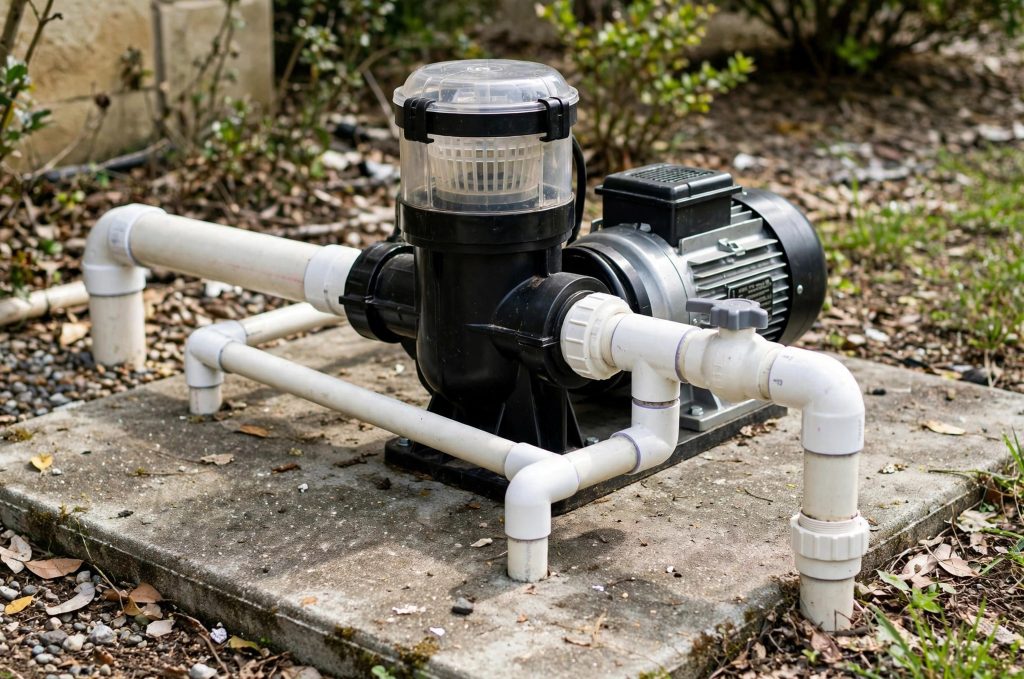
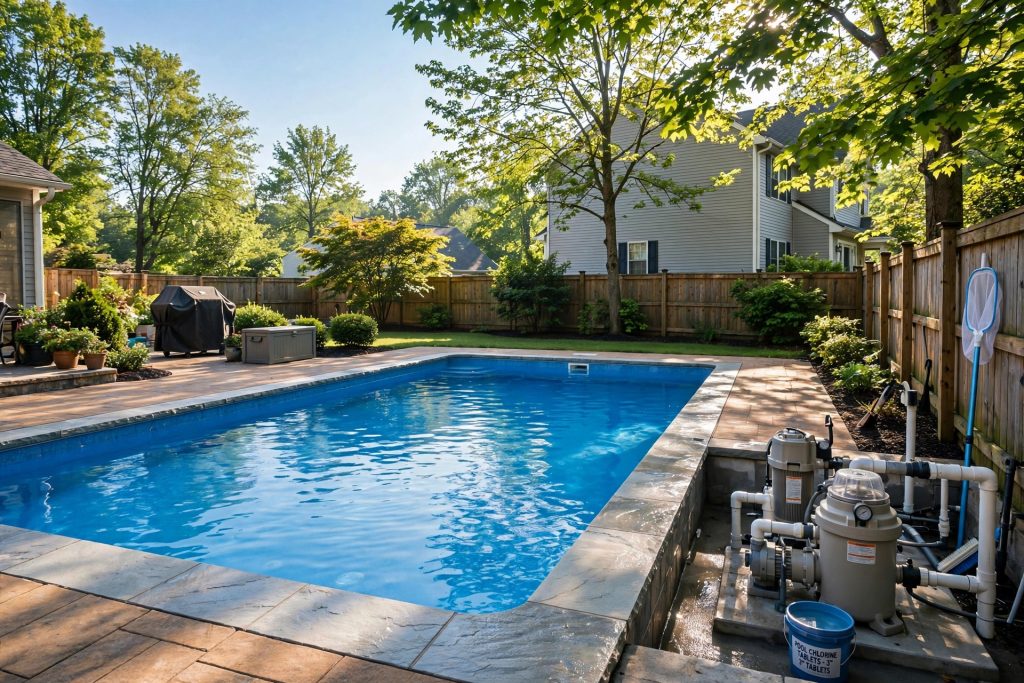
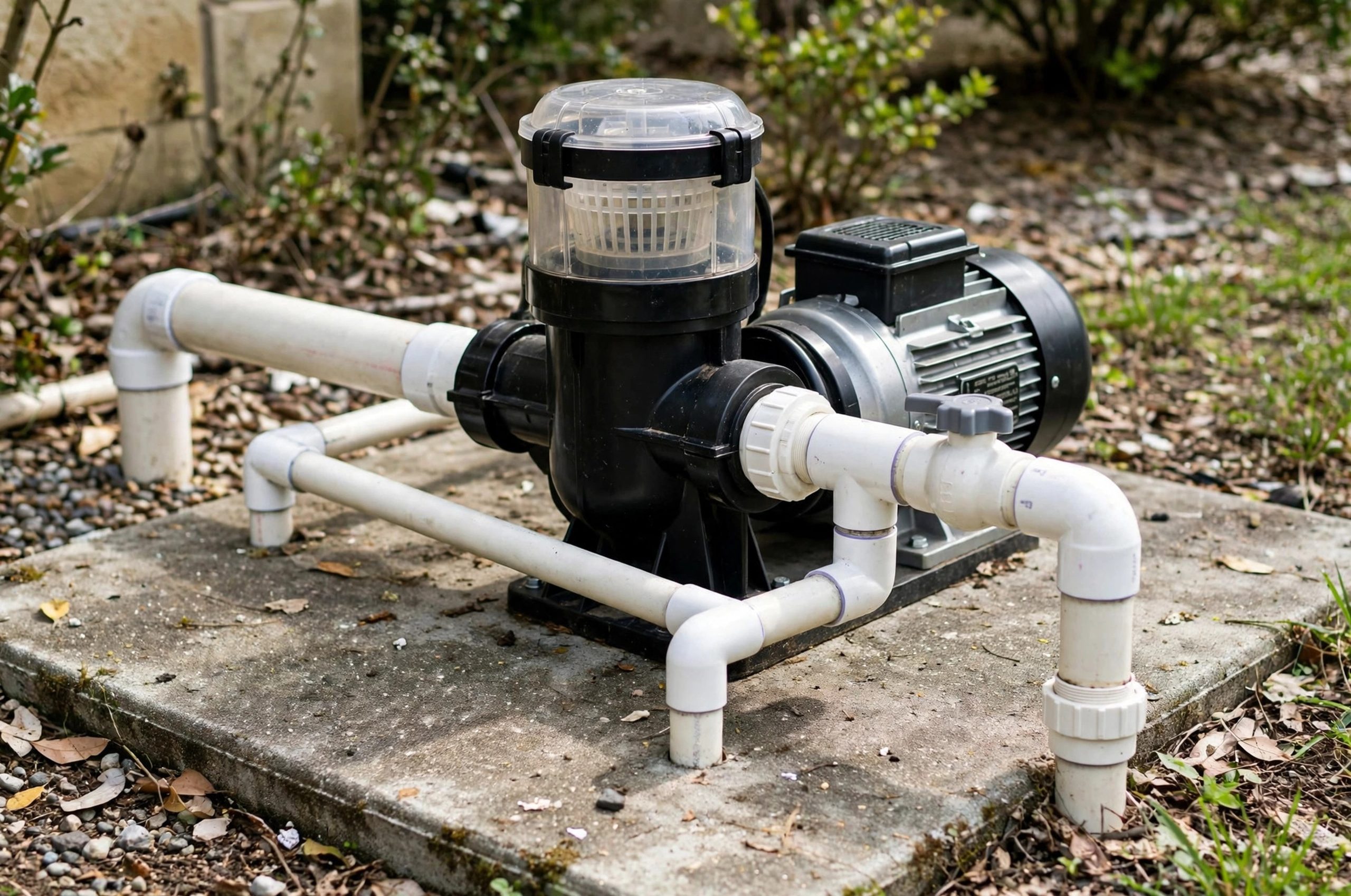
Many homeowners find that quiet noisy pool pump motor is easier than they expected once they know the basics.
Stand by the equipment pad while the pump runs and identify the sound. The categories below cover nearly every noisy pump.
Humming with no water movement. The motor tries to start but the pump moves nothing. This points to electrical trouble (a bad capacitor, low voltage) or a seized motor, sometimes with a clogged impeller.
Growling or gravel-like rattling. Often cavitation or an air leak. The pump is starved for water or chewing air.
High-pitched squeal or screech. Usually worn motor bearings, sometimes a dry shaft seal. Bearing noise often gets louder as the motor warms up.
Whistling or whining. Air in the system or cavitation from restricted suction.
Rattling or buzzing from the housing. Loose bolts, a vibrating panel, or the pump shaking on its pad.
Loud normal running. Some pumps are just loud by design, especially older single-speed models. But a pump that got louder over time has a developing problem, not a personality.
The Superior Pool Routes troubleshooting guide makes the same point: match the sound to the source, then check the simplest explanations first.
Safety First
Many homeowners find that quiet noisy pool pump motor is easier than they expected once they know the basics.
The key to quiet noisy pool pump motor is choosing the right approach for your space and budget.
Turn off power at the breaker before you open the pump lid, touch wiring, or remove the motor. Pool pumps run on 240 volts in most homes. Capacitors can hold a charge even with the breaker off, so do not poke around inside the motor housing unless you know what you are doing. If a step involves wiring, call a technician.
Fix 1: Check the Water Level and Baskets
The key to quiet noisy pool pump motor is choosing the right approach for your space and budget.
With a little planning, quiet noisy pool pump motor can fit even a busy schedule.
Start with the simplest cause of all. Low water level lets the skimmer suck air, and air in the pump makes a racket.
Raise the water level. The water should sit at the halfway point of the skimmer opening. If it is low, add water with the hose and re-prime the pump.
Empty the skimmer baskets. Full baskets choke flow to the pump. During leaf season, check them daily.
Empty the pump basket. Turn the pump off, close any valves, open the pump lid, and clear the basket. A basket packed with debris starves the pump and causes cavitation noise. Leslie's pump troubleshooting guide lists blocked suction lines and dirty baskets among the first checks for a noisy pump.
Clear the impeller. With power OFF, reach through the pump basket opening and feel the impeller for stuck debris like twigs, hair ties, or small stones. Remove what you find by hand.
Fix 2: Hunt Down Air Leaks
With a little planning, quiet noisy pool pump motor can fit even a busy schedule.
Before you start, it helps to understand how quiet noisy pool pump motor works in real homes.
Air leaks on the suction side are one of the most common causes of pump noise. Air and water do not move through the impeller the same way, so even a small leak makes the pump slurpy, chattery, or whiny. Look for bubbles in the pump lid or in the returns as a telltale sign.
Check these spots in order:
Pump lid O-ring. The most common leak point. Remove the lid, inspect the O-ring for cracks or flat spots, clean it, and apply silicone-based pool lubricant. Replace it if it looks worn. A fresh O-ring costs little and fixes a large share of suction leaks.
Pump drain plugs. The small plugs on the pump housing work loose over time. Snug them by hand and check their O-rings.
Union fittings. The unions on either side of the pump can loosen with vibration. Hand-tighten them and check for cracks.
Valve seals. Diverter valves before the pump have O-rings and gaskets that wear. If bubbles appear only in certain valve positions, the valve seal is suspect.
Skimmer and suction lines. Cracked skimmer throats or leaking underground lines are harder to find. If you have ruled out everything above and still see air, a pressure test by a professional can locate the leak.
The Premier Pool Contractor noise guide lists the lid O-ring, drain plugs, and unions as the usual places to inspect for air leaks.
Fix 3: Stop Cavitation
Before you start, it helps to understand how quiet noisy pool pump motor works in real homes.
A good plan for quiet noisy pool pump motor saves time, money, and frustration.
Cavitation happens when the pump cannot get enough water. Vapor bubbles form inside the housing and collapse violently, which sounds like gravel or marbles in the pump and can damage the impeller over time. It is a water supply problem, not a motor problem.
Common triggers:
- Low water level (see Fix 1)
- Clogged skimmer or pump basket (see Fix 1)
- Dirty filter choking flow (backwash or clean it)
- Closed or half-closed suction valve
- Undersized suction plumbing on older installs
Work through the list and the noise usually fades as flow returns. Hayward's pump noise FAQ notes that cavitation comes from restricted suction or low backpressure, and that fixing the water supply quiets the pump.
Fix 4: Tighten Mounting and Kill Vibration
A good plan for quiet noisy pool pump motor saves time, money, and frustration.
For most people, quiet noisy pool pump motor comes down to a few smart choices.
A pump that rattles or buzzes may simply be shaking itself noisy.
Check the mounting bolts. Vibration loosens bolts over time. Snug the pump to its pad and check any brackets.
Level the pump. A pump rocking on an uneven pad vibrates. Shim it level.
Add a cushion. A piece of rubber mat or old carpet between the pump base and the concrete pad absorbs vibration. Hayward's own guidance suggests rubber under the pump base to cut noise transfer.
Tighten panels and housings. Equipment covers, nearby electrical panels, and loose conduit can buzz sympathetically. A quick walk-around with a screwdriver often finds the rattle.
Check the cooling fan. On some motors, the cooling fan rubs its guard and squeaks, especially at startup and shutdown. The Trouble Free Pool thread on motor squeaks covers this exact symptom. It is annoying but harmless; bending the guard slightly or replacing it fixes it.
Take your time with quiet noisy pool pump motor and the result will last.
Fix 5: Deal with Worn Bearings
For most people, quiet noisy pool pump motor comes down to a few smart choices.
If you are new to quiet noisy pool pump motor, start with the simplest option and build from there.
A high-pitched whine, squeal, or grinding that comes from the motor end (not the wet end) and gets worse as the pump runs usually means worn bearings. Bearings wear with age, heat, and chemical exposure. The classic chain of failure: the shaft seal starts leaking, water runs down the shaft into the front bearing, the bearing corrodes and dries out, and the noise begins. The Pool and Spa Forum discussion on pump whining describes exactly this progression.
Look under the pump for water stains or drips. A leaking seal above the motor is the smoking gun. Catch it early and you replace a cheap seal. Wait, and you replace bearings or the whole motor.
Bearing replacement is doable for handy owners but involves pulling the motor, pressing bearings, and reassembling the seal correctly. Many owners find that a motor replacement or a full pump swap is more cost-effective once bearings go, especially on older pumps. The pool pump replacement cost estimate helps you compare repair against replacement with real numbers.
Fix 6: Check Electrical Causes
If you are new to quiet noisy pool pump motor, start with the simplest option and build from there.
When it comes to quiet noisy pool pump motor, getting the details right makes all the difference.
A motor that hums loudly without starting, or that trips the breaker, has an electrical problem.
Check the breaker and wiring. Make sure the breaker is the right size and the wiring matches the motor's voltage. Low voltage makes motors strain and hum.
Suspect the capacitor. The start capacitor gives the motor its initial kick. A failing capacitor causes humming, slow starts, or no start at all. Capacitors are cheap parts but hold a charge, so replacement is a job for someone comfortable with electrical work.
Look for a seized motor. If the shaft will not turn by hand (power OFF), the motor may be seized from bearing failure or corrosion. That is a replacement, not a repair.
Electrical diagnosis crosses the line for most owners, and that is fine. A service call for a capacitor or wiring check is quick and inexpensive compared to guessing.
When Quiet Means a New Pump
When it comes to quiet noisy pool pump motor, getting the details right makes all the difference.
Sometimes the quietest fix is a new pump. Consider replacement when:
- The motor is over seven to ten years old and needs bearings plus a seal.
- Repair costs approach half the price of a new pump.
- The pump is a loud old single-speed and you want the savings of a variable-speed model. Variable-speed pumps run much quieter at low speed and use far less power. The Angi guide to loud pool pumps notes that worn bearings and age are top reasons pumps get loud, and replacement often makes more sense than repair.
- The housing is cracked or the seal plate is corroded beyond reasonable repair.
If you upgrade, the guide to installing a pool heat pump is a useful companion read, since pump and heater sizing work together. A properly sized, modern pump on a clean system is dramatically quieter than the old growler it replaces.
Preventing Noise in the First Place
Many homeowners find that quiet noisy pool pump motor is easier than they expected once they know the basics.
- Keep baskets empty and water level right. Starvation noise is the most preventable kind.
- Lubricate O-rings yearly. The pump lid O-ring is a wear item. A little silicone lubricant each spring keeps it sealing.
- Fix drips fast. A small seal leak becomes a bearing job if ignored. The Trouble Free Pool variable-speed noise thread shows how a seal leak quietly kills motor bearings.
- Keep the equipment pad clean and dry. Standing water accelerates corrosion and electrical trouble.
- Backwash or clean the filter on schedule. A choked filter starves the pump.
- Give the pump breathing room. Do not box the motor in tight. Motors need airflow for cooling, and overheating shortens bearing life.
A solid skimmer routine helps too. The best pool skimmer for inground pools roundup covers equipment that keeps debris from ever reaching the pump. Well owners dealing with similar noise from a different pump can check the submersible well pump reviews for comparison.
Frequently Asked Questions
The key to quiet noisy pool pump motor is choosing the right approach for your space and budget.
Is it normal for a pool pump to be a little loud? A steady hum is normal. Growling, screeching, rattling, or whining is not. If the sound changed, something changed.
Can I run the pump while it is noisy? Briefly, while you diagnose. But cavitation and bearing failure get worse with run time. Fix the cause rather than running through it for weeks.
Will a variable-speed pump fix my noise problem? If the noise comes from the old motor's bearings or from running full speed all day, yes, a big improvement. If the noise comes from an air leak or cavitation, the new pump will make the same noise until the real cause is fixed.
How long should a pool pump motor last? Roughly seven to ten years with decent care. Heat, chemical exposure, and seal leaks shorten that. Good maintenance stretches it.
The Bottom Line
With a little planning, quiet noisy pool pump motor can fit even a busy schedule.
To quiet a noisy pool pump motor, listen first and fix in order: water level and baskets, air leaks, cavitation, vibration, bearings, then electrical. Most noise comes from the cheap and simple end of that list. A fresh O-ring, an emptied basket, or a tightened bolt solves more noisy pumps than any parts order. When the motor itself is truly worn out, compare honest repair costs against a modern variable-speed replacement and enjoy the quiet. Your pool should sound like summer, not like a machine shop. That is all it takes to handle quiet noisy pool pump motor with confidence.
References
Before you start, it helps to understand how quiet noisy pool pump motor works in real homes.
- Angi. (n.d.). Why is my pool pump so loud? 6 reasons why. https://www.angi.com/articles/pool-pump-is-loud.htm?itok=tIM2UWaA&entry_point_id=33797117
- Hayward. (n.d.). Why is my pump noisy? https://ca.hayward.com/knowledge-base/why-is-my-pump-noisy/
- Leslie's Pool Supplies. (n.d.). Pool pump troubleshooting guide: Fixing common pump issues. https://lesliespool.com/blog/pool-pump-troubleshooting-guide.html?srsltid=AfmBOoqPBtnXwQWoH-DRqESemG4phEl8ph3vhpbuYGE8MwS_9FqulKAD
- Pool and Spa Forum. (n.d.). Pump whining. https://www.poolspaforum.com/forum/index.php?/topic/37078-pump-whining/
- Premier Pool Contractor. (n.d.). Noisy pool pump: Causes and solutions. https://premierpoolcontractor.com/blog/discover-top-causes-of-noisy-pool-pumps-in-the-villages.html
- Superior Pool Routes. (n.d.). Troubleshooting a noisy pool pump: Causes and fixes. https://superiorpoolroutes.com/pool-route-insights/troubleshooting-a-noisy-pool-pump-causes-and-fixes/
- Trouble Free Pool. (n.d.). Pentair variable speed pump making noise. https://www.troublefreepool.com/threads/pentair-variable-speed-pump-making-noise-normally-the-pump-is-very-quiet.197749/
- Trouble Free Pool. (n.d.). Pool pump motor squeaks at start up and when stopping. https://www.troublefreepool.com/threads/pool-pump-motor-squeaks-at-start-up-and-when-stopping.147882/
Was this guide helpful?

About My Garden US
The My Garden US editorial team writes practical, in-depth home and garden guides for American homeowners — tested advice, no fluff.
You May Also Like
Above Ground Pool Deck Ideas on Budget
August 9, 2026 1 views
Salt Water Pool Generator Reviews: What Buyers Should Know
May 20, 2026 1 views
Inground Pool Resurfacing Cost Texas: What Homeowners Should Know
April 9, 2026 1 views