
Why Warmer Water Changes a Small Pool
A small pool loses heat fast. There is less water to hold warmth. A cool night or a cloudy week can drop the temperature by many degrees. That is why the search for the best pool heater for small pools matters so much to owners of modest pools. The right heater turns a pool that is used three months a year into one that is used five or six.
Above ground rounds, small in-ground rectangles, and plunge pools all warm and cool faster than a large pool. A heater that is too big wastes fuel and money. A heater that is too small runs all day and still leaves the water cold.
The goal is simple. You want warm water at a fair price, and a unit that fits your yard and your budget. This guide covers the main kinds of heaters, how to pick the right size, what they cost to run, how to care for them, and how to keep them safe.
Many pool owners start with the basics of pool care before they think about heat. If you are new to pool ownership, it helps to read about choosing the right above ground pool for your family and the daily habits that keep water clean. Warm water is only pleasant when it is also clean water.
How to Pick the Best Pool Heater for Small Pools
Measure Your Pool First
Size is the first fact you need. For a rectangular pool, multiply length by width to get the surface area in square feet. For a round above ground pool, multiply the diameter by the diameter, then by 0.79. A twelve by twenty-four foot pool has about 288 square feet of surface. A fifteen foot round pool has about 178 square feet.
Gallons matter too. Small pools hold from 5,000 to 15,000 gallons. The more gallons, the more energy it takes to warm the water by one degree. Write down both numbers before you shop. Sales staff and sizing charts will ask for them.
Think about your climate. A pool in a warm state needs far less heating power than a pool in a cold state that swims through fifty-degree springs. The guides at Swim University explain water balance basics that pair well with heater sizing, since balanced water protects heater parts from scale and corrosion.
Know the Three Main Kinds of Heaters
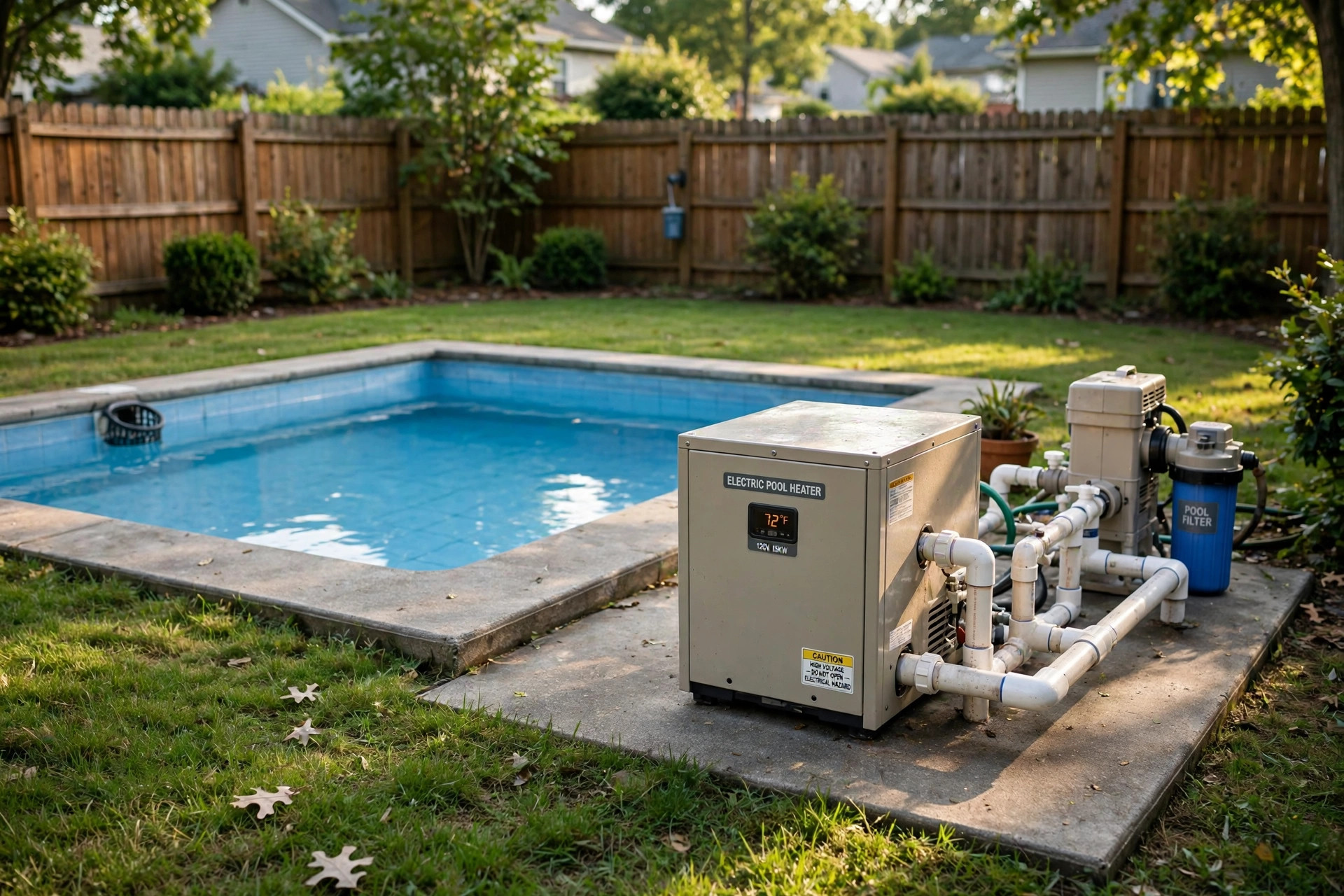
Gas heaters burn natural gas or propane. They heat water fast, often raising the temperature in a few hours. They suit small pools that are used only on weekends. Gas units cost less to buy but more to run, and they need a gas line or a propane tank.
Electric heat pumps move heat from the air into the water. They are slow but cheap to run. A heat pump can take a day or two to warm a small pool, but it uses far less energy than gas or plain electric heat. Heat pumps work best in air above fifty degrees. In cold weather they lose power. They are a popular pick for the best pool heater for small pools in mild climates.
Electric resistance heaters are the third kind. They pass water over hot electric coils. They are cheap to buy and simple to install. They also use the most electricity of the three. For a very small pool or a swim spa used now and then, they can make sense. For larger water volumes, the electric bill climbs fast. The U.S. Department of Energy publishes plain guides on efficient heating that help explain why heat pumps usually beat resistance heat on running cost.
Solar heaters are a fourth choice. They pump pool water through dark panels on a roof or a rack. The sun does the work. Running costs are almost zero, but the panels take up space and only work well in sunny weather. Many small pool owners pair a solar cover with a main heater to cut costs.
Match the Heater to How You Swim
A family that swims every day from May to October wants steady heat. A heat pump fits that pattern. A family that opens the pool for birthday parties and summer weekends wants fast heat on demand. A gas heater fits that pattern. Parties change the math too, since guests add body heat and movement to the water, and you can read more about planning for that in our guide to choosing the best pool for parties with friends.
Check your power supply too. Heat pumps and resistance units need strong circuits, gas units need a gas line, and solar needs sun for panels. Retailers like The Home Depot list the electrical and gas needs of each model online, which saves a wasted trip.
Heater Types Compared Side by Side
Gas heaters shine at speed. A 150,000 BTU gas unit can warm a 10,000-gallon pool by several degrees in a few hours. For small pools, units from 100,000 to 200,000 BTU are common. Gas heaters cost roughly one thousand to three thousand dollars for the unit. Running cost depends on gas prices in your area, and propane runs higher than natural gas in most places.
Heat pumps are rated in kilowatts rather than BTU, and a typical small pool unit draws four to six kilowatts. They cost more up front, often two thousand to four thousand dollars. Their running cost is the lowest of the fuel-burning choices. A heat pump in a mild climate can cost half as much per month as a gas heater doing the same job. Manufacturers such as Pentair publish sizing charts that match heat pump size to pool gallons and climate zone.
Electric resistance heaters are the simplest. A 5.5 to 11 kilowatt unit handles small pools and spas. The purchase price can be under one thousand dollars. The electric bill is the catch, and running one for a full season can cost more than the price of the unit itself. These units suit small plunge pools where the owner heats only for a few hours per swim.
Solar heating is the cheapest to run and the slowest to warm. A solar system for a small pool costs roughly one to three thousand dollars installed. It adds a few degrees on sunny days and nothing at night. A solar blanket on the water at night helps hold the gains.
There is no single winner. The best pool heater for small pools for your home depends on your climate, your swim habits, and your energy prices. Write down your answers to those three questions and the choice narrows fast.
Cost and Price: What You Will Spend
The price of the unit is only the first cost. Installation comes next. A simple electric hookup by an electrician may cost a few hundred dollars. A gas line run across the yard can cost much more. Heat pumps need a concrete pad and clear air flow around them. Ask for installed price quotes, not just the box price.
Running costs change with energy prices. As a rough guide, heating a small pool for a full season can cost from three hundred to over two thousand dollars. Gas sits in the middle to high end, heat pumps sit at the low end in mild climates, electric resistance sits at the high end nearly everywhere, and solar sits near zero.
Maintenance adds a small yearly cost. You will pay for gaskets, sensors, and the odd service call over the life of the unit. Most heaters last eight to twelve years with decent care. Divide the purchase price by the years of service to see the true yearly cost of the unit itself.
Covers save money no matter which heater you choose. A solar cover can cut heat loss by half or more when the pool is not in use. It also cuts water loss from evaporation. The cover pays for itself in one season in most cases. Suppliers like Pool Warehouse sell covers sized for small pools and above ground rounds.
Get two or three quotes from local installers before you commit to any work.
Care and Upkeep Through the Seasons
Heaters last longer when they are cared for. The first rule is water balance. Pool water that is too acidic eats metal parts inside the heater. Water that is too alkaline leaves scale on them. Test the water every week and keep pH between 7.2 and 7.8. Shops like Leslie’s Pool Supplies can test a water sample for free and tell you exactly what to adjust, and our salt water pool algae treatment guide covers the cleaning habits that protect heaters too.
Keep the area around the heater clear. Heat pumps need open air on all sides to breathe, and gas heaters need clear vent space so exhaust leaves safely. Read the manual for the exact clearances and keep to them.
Clean or replace filters on schedule. A clogged filter slows water flow, and slow flow makes heaters work harder than they should. Clean water flowing at the right speed is the cheapest form of heater care.
Winterize the heater if you live where pools freeze. Drain the water from the unit and follow the maker’s steps for winter shutdown. Water left inside can freeze, crack pipes, and ruin a good heater in one cold night.
Once a year, give the heater a full check. Look for rust, chewed wires, and worn gaskets, and listen for new noises when it starts. Small problems caught early cost little. If you are not handy, hire a pool tech for a spring start-up visit. One service call a year is cheaper than one new heater.
Safety Around Pool Heaters
Heat rises from the water as well as from the heater, and warm water invites long soaks. That makes safety rules more important, not less. Set the water temperature no higher than 104 degrees Fahrenheit for spas and near 78 to 82 degrees for active swimming. Hot water can cause dizziness, and small children and older swimmers feel it first.
Keep the heater itself out of reach of small hands. Hot surfaces burn. Lock pool gates so children cannot reach the pool or the equipment pad without an adult. Follow the pool safety steps from the U.S. Consumer Product Safety Commission: barriers, alarms, and steady adult supervision.
Gas heaters need extra care. Never store gasoline, paint, or chemicals near the unit, since fumes can ignite. Have a gas tech check the connections each year. If you ever smell gas near the pool, do not light anything and call the gas company from a safe distance.
Electrical safety matters for every heater type. Keep plugs and panels dry. Never touch electrical gear with wet hands. If a breaker trips more than once, call an electrician instead of resetting it again. Water and electricity are a poor pair, and respect for that fact keeps everyone safe.
Spas and hot tubs deserve a special note. The water is hotter and the soaks are longer, so limit soaks to fifteen or twenty minutes. Do not drink alcohol in the spa. Pregnant women and people with heart trouble should ask a doctor before using hot water. Makers such as Hot Spring and Bullfrog Spas print these rules in their manuals, and they are worth reading even if your tub is small.
Frequently Asked Questions
What size heater do I need for a small pool? For 5,000 to 15,000 gallons, gas heaters in the 100,000 to 200,000 BTU range are common. Heat pumps of four to six kilowatts suit the same volume in mild climates. Use your gallons and your climate as the two main inputs, and check the maker’s sizing chart before you buy.
Is a heat pump or a gas heater better for a small pool? It depends on your habits. A heat pump costs less to run and suits daily swimmers in mild weather. A gas heater warms water fast and suits weekend swimmers. Compare local gas and electric prices to see which wins in your area.
Can I heat an above ground pool? Yes. Above ground pools heat well because they are small, and electric resistance units and small heat pumps are common choices for above ground rounds. A solar cover at night keeps the heat in.
How long does it take to heat a small pool? A gas heater can add several degrees in a few hours. A heat pump may need a day or two to bring a cool pool up to swim temperature. Solar takes days of good sun. Starting with a cover on shortens every one of these times.
Do I need a professional to install a pool heater? In most cases, yes. Gas lines need a licensed gas fitter and electrical work needs a licensed electrician. A pro also sets flow rates and checks for leaks.
How can I cut my pool heating bill? Use a solar cover whenever the pool is not in use. Lower the target temperature by two degrees. Run the heater only when you plan to swim. Keep filters clean so water flows well. The how-to guides at The Spruce cover these low-cost habits in plain language.
A Short Final Word
The best pool heater for small pools is the one that fits your pool size, your climate, and your habits. Measure first. Choose the type that matches how often you swim. Get the install done right. Keep the water balanced and the unit clear. With those steps, a small pool becomes a warm pool, and a warm pool gets used. The money you spend on heat comes back to you in afternoons and evenings that would otherwise be lost to cold water.
References
Bullfrog Spas. (n.d.). Hot tubs and spas. https://www.bullfrogspas.com Hot Spring Spas. (n.d.). Hot tubs and spas. https://www.hotspring.com Leslie’s Pool Supplies. (n.d.). Pool supplies and equipment. https://www.lesliespool.com Pentair. (n.d.). Pool and spa equipment. https://www.pentair.com Pool Warehouse. (n.d.). Pool equipment and supplies. https://www.poolwarehouse.com Swim University. (n.d.). Pool and hot tub care guides. https://www.swimuniversity.com The Home Depot. (n.d.). Home improvement products. https://www.homedepot.com The Spruce. (n.d.). Home and garden advice. https://www.thespruce.com U.S. Consumer Product Safety Commission. (n.d.). Product safety information. https://www.cpsc.gov U.S. Department of Energy. (n.d.). Energy efficiency and renewable energy. https://www.energy.gov
Was this guide helpful?

About David Wilson
The My Garden US editorial team writes practical, in-depth home and garden guides for American homeowners — tested advice, no fluff.
You May Also Like
How to Fix Pool Pump Making Noise: A Simple Guide for Pool Owners
June 19, 2026 0 views
Pool Fence Installation Cost Near Me: A 2026 Homeowner Guide
June 3, 2026 0 views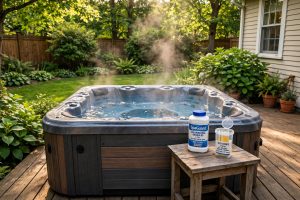
How to Maintain Hot Tub Water Chemistry the Simple, Safe Way
April 24, 2026 0 views