
A thick green lawn does not happen by luck. Water, seed, and good soil matter. But insects and grubs can undo all of that work in one season. When brown spots spread or the grass pulls up like a rug, most homeowners turn to the same search: lawn pest control service near me. This guide explains what those services do, which pests they treat, what they cost, and how to choose the right company for your yard.
Why Lawn Pests Matter
A lawn is more than a pretty view. It cools the air around a house. It holds soil in place during rain. It gives children and pets a soft place to play. Pests take that away fast.
Insects feed on grass blades, roots, and crowns. Some chew the leaves. Others eat the roots below the surface, where the damage cannot be seen until the grass dies. A few pests, such as fire ants and ticks, also bite people and pets. A lawn pest control service finds the problem early and stops it before the whole yard needs new sod.
Skipping treatment can cost more than treatment. A dead lawn must be torn out, reseeded, or resodded. New sod runs several dollars per square foot installed. A service visit costs far less. That simple math is why so many homeowners book a lawn pest control service near me instead of fixing the damage later.
Common Lawn Pests in the United States: Lawn Pest Control Service near Me
Different regions face different pests. Still, a short list covers most of the damage across the country.
Grubs
Grubs are the young form of beetles. They live in the soil and eat grass roots. The lawn above them turns brown in patches and lifts up like loose carpet. Skunks and birds often dig for grubs, which tears the grass even more. For more detail on grub timing, see our guide to white grub treatment timing for midwest lawns.
Chinch Bugs
Chinch bugs are tiny but fierce. They feed on grass blades in hot, dry weather. The damage looks like drought stress at first. Patches turn yellow, then brown, and they do not recover with watering. Warm-season lawns in the South suffer most.
Armyworms
Armyworms march across a lawn and eat the blades down to stubs. They work at night and hide by day. A bad outbreak can strip a large yard in days. Armyworms often arrive in late summer.
Sod Webworms
Sod webworms are the young of small brown moths. They chew grass blades and leave ragged, uneven patches. You may see the moths rise from the grass when you walk across the yard at dusk.
Fire Ants
Fire ants build low mounds in the soil. Their stings burn and can cause bad reactions in some people. Fire ants are common in the South and Southeast. Lawns near play areas and patios need prompt treatment.
Ticks and Fleas
Ticks hide in tall grass and along fence lines. They can carry disease. Fleas bother pets and can move into the house. Yard treatment for ticks and fleas pairs well with flea and tick care for pets. Homeowners with pets often prefer pet-safe options; read our notes on grub killer for lawns safe for dogs before you spray anything yourself.
Mosquitoes
Mosquitoes breed in still water, from clogged gutters to birdbaths. They rest in damp shade during the day. A lawn service can treat breeding and resting spots. For a gentler route, many yards do well with natural mosquito yard treatment safe for pets.
How a Lawn Pest Control Service Works
A good service follows the same steps each time. Knowing the steps helps you judge the quality of the work.
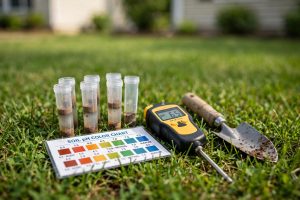
Step one: inspection. The technician walks the yard and looks for signs of pests. They check brown patches, dig small soil samples, and look for insects under thatch. A careful inspection takes time. A company that quotes a price from the driveway has not done its job.
Step two: identification. The technician names the pest and explains the damage it causes. The right treatment depends on the right pest. Grub treatments do nothing for chinch bugs. A company should tell you the pest name before it sprays anything.
Step three: the treatment plan. The plan lists the product, the rate, and the timing. It should say when the crew will come back and what results to expect. Ask for the plan in writing.
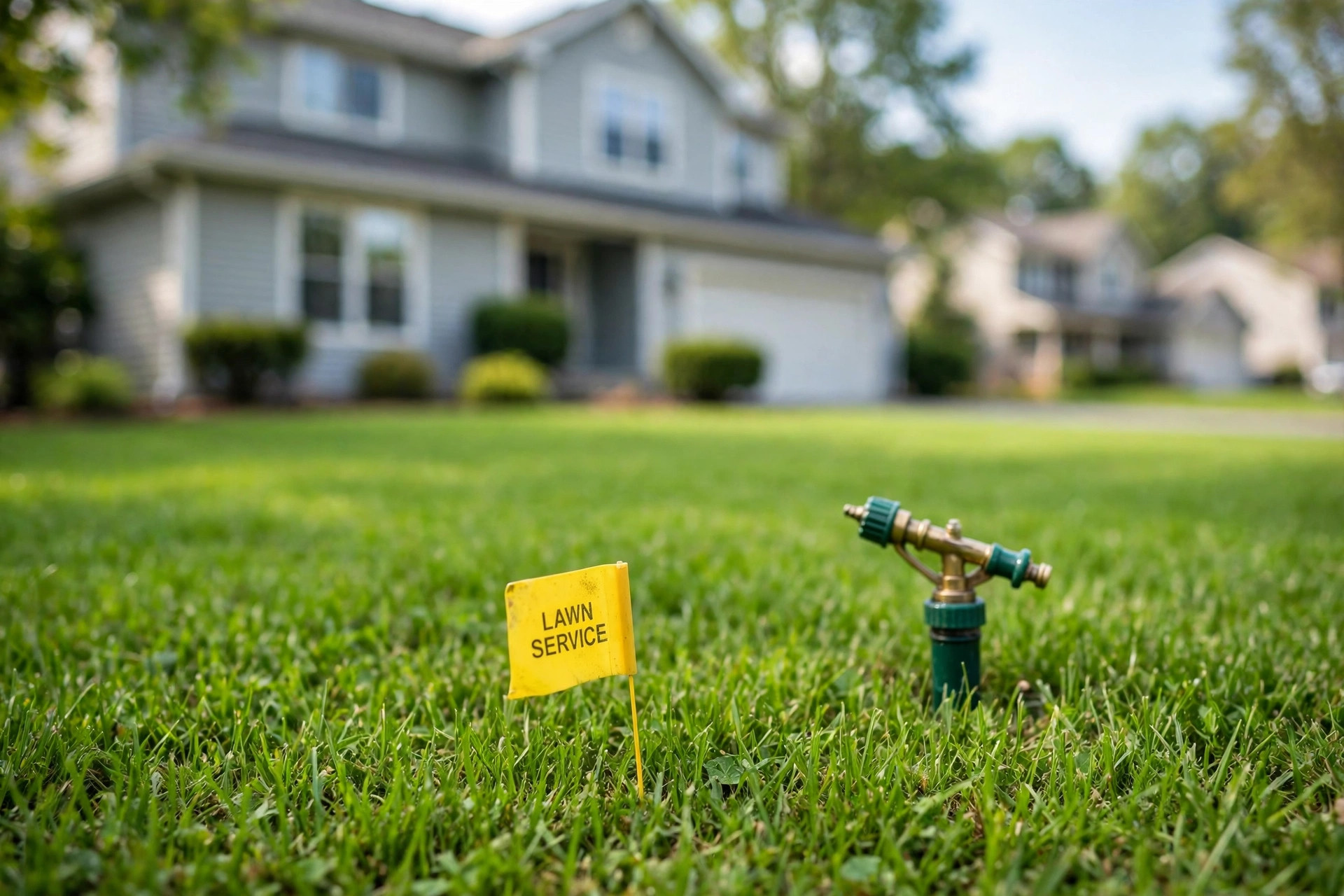
Step four: application. The crew applies the product to the lawn. Most treatments go on as a spray or a granular product spread across the grass. Some target the whole yard. Others spot-treat only the damaged areas. After the work, the crew should leave a flag or note that shows where they treated.
Step five: follow-up. Many plans include return visits through the season. Pests come in waves. One visit rarely solves a full season of pressure. A service plan with scheduled visits gives the lawn steady protection.
What to Look for in a Company
Not all services are equal. Use this checklist before you sign anything.
License and Insurance
Pest control companies must hold a state license. The license shows the company trained its staff and follows state rules. Insurance protects you if something goes wrong. Ask to see both. A good company shows them without argument.
A Real Inspection First
Choose a company that inspects before it treats. The inspection should be free or low cost. Be wary of a company that sells a full-year plan before it looks at your grass.
Clear Product Information
Ask what products the company uses. Ask for the product labels. The label tells you the active ingredient, the safety rules, and the wait time before people and pets can return. The company should answer these questions in plain words.
Honest Pricing
Get the price in writing. Ask what each visit costs and what the full season costs. Ask if the price changes when more visits are needed. Avoid companies that hide fees or push long contracts with no exit.
Good Reviews and References
Read reviews from local homeowners. Look for patterns. A company with many reports of missed visits or poor results is a warning sign. Ask a neighbor who has a nice lawn which service they use. Word of mouth still counts for a lot.
Safety Practices
The crew should wear protective gear. They should place warning flags on treated areas. They should tell you how long to keep pets and children off the grass. If a company treats safety as a small detail, pick another one.
Types of Service Plans
Lawn pest control companies sell their work in a few common forms.
One-time treatment. The company makes a single visit for a single problem. This suits a small outbreak that is easy to identify. It costs the least up front but gives no season-long cover.
Seasonal plans. The company visits four to eight times during the growing season. Each visit matches the pests that are active at that time. This is the most popular choice. It costs more in total but protects the lawn all year.
Grub prevention plans. These plans target grubs and soil pests on a set schedule. They work best when started early in the season, before grubs hatch.
Mosquito and tick add-ons. Some companies offer extra visits for mosquitoes and ticks. These add-ons suit yards near woods, lakes, or wetlands.
Organic and reduced-chemical plans. Many companies now offer plans that use natural or low-impact products. These plans may need more visits to reach the same result. Homeowners with wells, gardens, or small children often prefer them.
Cost and Price
Prices change by region, yard size, and pest type. Still, most homeowners can expect these ranges.
A one-time visit often costs between 75 and 200 dollars. A seasonal plan of five to eight visits often costs between 300 and 800 dollars for the year. Large yards and severe infestations cost more. Extra services, such as mosquito or fire ant treatment, add to the bill.
Get three quotes before you decide. Compare the number of visits, not just the total price. A cheap plan with two visits may do less than a fair plan with six. Ask what happens if pests return between visits. Some companies re-treat for free within a set window. That promise is worth more than a small discount.
Be careful with very low prices. A price far below the local average may mean diluted products, rushed work, or skipped visits. A fair price from a licensed company is the better deal.
Care and Upkeep After Treatment
Treatment works best when the lawn gets good care between visits.
Water deeply and rarely. Most lawns need about one inch of water per week, counting rain. Deep watering grows deep roots. Light daily watering grows shallow roots that pests and drought damage fast. A well-tuned sprinkler system makes this job easy, and brands like Toro sell guides for home systems.
Mow at the right height. Cut grass no shorter than three inches for most types. Taller grass shades the soil and crowds out weeds. Never cut more than one third of the blade at once. Sharp mower blades give clean cuts that heal fast. John Deere and Briggs & Stratton offer blade care tips for home mowers.
Feed the lawn. A balanced fertilizer on a proper schedule keeps grass strong. Strong grass resists pests better than weak grass. Follow soil test results rather than guesswork.
Rake up thatch. Thatch is the layer of dead stems between the grass and the soil. A thin layer is fine. A thick layer shelters insects. Dethatch when the layer grows past half an inch.
Watch for early signs. Walk the yard once a week in the growing season. Look for brown spots, thinning areas, and insect activity. Early action keeps small problems small.
Safety for Families and Pets
Every lawn pest control service near me should put safety first. But homeowners should know the basics too.
Ask the company how long to keep children and pets off the treated grass. The usual wait is two to twenty-four hours, until the product dries. Read the label the company gives you. Keep pets inside until the wait time passes. Wash toys and bowls that sat on the treated lawn.
Store any products you buy yourself in a locked shed or cabinet. Keep them away from children and pets. Never mix products unless the label says to. Never pour leftover product down a drain.
If you keep a vegetable garden, tell the service company. Some products should not drift onto food plants. A good company will treat garden borders with care or skip them entirely.
Frequently Asked Questions
How do I know if I have grubs or just dry grass? Pull gently on a brown patch. If the grass lifts like loose carpet and you see white C-shaped grubs in the soil, you have grubs. Dry grass stays rooted. Digging a small square of soil is the surest test.
How fast does treatment work? It depends on the pest and the product. Some contact sprays kill insects within a day. Soil treatments for grubs may take two to four weeks to show results. Damaged grass also needs time to regrow. Ask the company what timeline to expect.
Are lawn pest treatments safe for pets? Most treatments are safe once they dry and the wait time passes. Still, every product is different. Tell the company you have pets. Ask for the product label and follow its wait times. Pet owners who want extra caution can read our page on grub killer for lawns safe for dogs.
Can I treat my lawn myself instead of hiring a service? Yes, for small problems. Home stores sell many of the same product types. But identification is the hard part. Treating the wrong pest wastes money and time. If the problem covers a large area or keeps coming back, a licensed service is usually the better choice.
What time of year should I start service? Spring is the best time to start. Many pests wake up as the soil warms. Preventive treatments work best before pests hatch. A spring inspection lets the company set the plan for the whole season.
Will one treatment fix my lawn for the whole year? Rarely. Pests appear in waves through the season. Grubs hatch in summer. Armyworms arrive in late summer. A single visit cannot cover all of them. A seasonal plan gives far better results than a single visit.
A Short Final Word
A lawn pest control service near me is easy to find. A good one takes a little more care. Look for a licensed company that inspects first, explains its plan in plain words, and treats safety as a top rule. Keep up the basic lawn care between visits. With steady care and the right help, your lawn can stay thick, green, and ready for bare feet all season long.
References
Briggs & Stratton. (n.d.). Outdoor power equipment and engines. https://www.briggsandstratton.com John Deere. (n.d.). Lawn care equipment and support. https://www.deere.com Toro. (n.d.). Lawn and garden equipment. https://www.toro.com
Was this guide helpful?

About Emily Rodriguez
The My Garden US editorial team writes practical, in-depth home and garden guides for American homeowners — tested advice, no fluff.
You May Also Like
Best Handheld Spreader for Small Lawns: A Practical Buying Guide
April 1, 2026 0 views
Lawn Irrigation Winterization Service Near Me: What to Know Before the First Freeze
September 23, 2026 0 views
Sprinkler Winterization Blowout Service Cost: A Fall Guide for Homeowners
March 24, 2026 0 views