Before spinach conquered the world's salads, there was orach. Atriplex hortensis - mountain spinach, as the old books call it - fed Europe for centuries, and it is making a quiet comeback in American gardens for one excellent reason: it keeps producing tender greens long after true spinach has bolted and turned bitter. Add leaves in shades of green, gold, and deep magenta-red, and you have a vegetable that is as ornamental as it is useful.
Table of Contents
Table of Contents
Learning how to grow orach is refreshingly simple. This is an ancient, fast-growing annual that tolerates poor soil, shrugs at heat that kills lesser greens, and sows itself so obligingly that one planting can become a permanent patch. It asks for sun, a little water, and regular picking - and in return it gives you weeks of colorful leaves for salads and cooking.

Photo: Wikimedia Commons
Getting Started: The Spinach Before Spinach
When it comes to how to grow orach, getting the details right makes all the difference.

Many homeowners find that how to grow orach is easier than they expected once they know the basics.
Orach is one of humanity's oldest leafy vegetables, grown since ancient times around the Mediterranean and across Asia. The varieties tell the story in their names and colors: green orach, golden orach, and the striking ruby and magenta types whose leaves look dusted with frost. All of them taste similar - mild, slightly salty, spinach-like - but the colored types turn an ordinary salad into something people photograph.
It grows as a cool-season annual in zones 3 through 10, though it handles heat far better than true spinach and keeps producing into weather that finishes the spring greens. In the hottest zones it will bolt and set seed as summer peaks, but by then you will have harvested for weeks. The USDA PLANTS database lists its wide adaptation, which matches what gardeners report: orach grows just about anywhere.
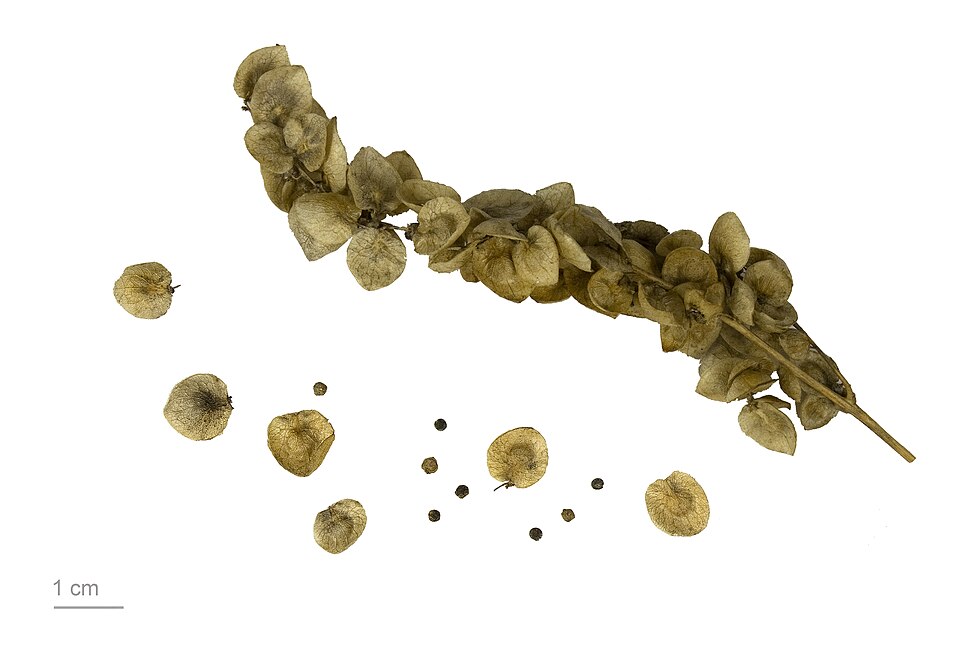
Seed is inexpensive and widely available from heirloom seed houses. One packet sows a generous bed, and because it self-sows freely, you may never buy it again - let one plant go to seed and volunteers will appear next season exactly where they want to grow.
When and How to Plant
Many homeowners find that how to grow orach is easier than they expected once they know the basics.
The key to how to grow orach is choosing the right approach for your space and budget.
Direct sow - orach dislikes transplanting and grows so fast that starting indoors gains you nothing. Sow about two weeks before your last spring frost; the seed germinates in cool soil and the seedlings tolerate light frosts without flinching. If you want to check your USDA zone planting dates, our planting calendar will help you find that frost date.
Sow seeds about a quarter to a half inch deep in rows a foot apart, then thin seedlings to 6 to 12 inches apart in the row. Thinning feels wasteful with such tiny seedlings, but crowded orach stays stunted - give each plant room and it will reward you with big, tender leaves. The thinnings, incidentally, are your first microgreen harvest; eat them.
For a steady supply, sow a small patch every few weeks through the cool season. Single plantings bolt and finish quickly once heat arrives, but succession sowing keeps leaves coming. From sowing to first harvest is only 40 to 55 days, so the turnaround is fast. The Old Farmer's Almanac succession-planting advice was practically written for quick crops like this one.
Soil and Sun
The key to how to grow orach is choosing the right approach for your space and budget.
With a little planning, how to grow orach can fit even a busy schedule.
Full sun gives the best growth and the richest leaf color, especially in the red and magenta varieties - shade washes them out to a muddy green. Six or more hours of direct sun is the target. In the hottest southern zones, a little afternoon shade keeps leaves tender longer into summer.
Orach is famously unfussy about soil. It tolerates poor and even salty soils that would stunt other greens - a legacy of its wild ancestors on seaside and mountain slopes. Average garden soil is perfect; it does not need the rich, heavily amended beds that lettuce demands. That said, moderate fertility improves leaf size and tenderness, so a modest dose of compost at planting is worthwhile. Do not overdo the nitrogen: excessive richness grows huge, watery leaves with washed-out flavor.
Drainage should be reasonable but this is not a prima donna about it. The Clemson Home and Garden Information Center notes that adaptable greens like orach are ideal for gardeners still building their soil, since they produce well while the beds improve year by year.
Watering and Feeding
With a little planning, how to grow orach can fit even a busy schedule.
Before you start, it helps to understand how how to grow orach works in real homes.
Water regularly to keep leaves tender. Orach tolerates dry spells better than spinach - its deep roots find moisture - but steady, moderate watering grows the mild, succulent leaves you want. Stressed, drought-stunted plants turn tougher and saltier. A deep watering once a week, more in heat, plus mulch to hold moisture, is the whole program.
Feeding is minimal. The compost you worked in at planting usually carries the crop through its short life. If growth is pale or slow, one side-dressing of balanced fertilizer or compost tea will perk it up, but heavy feeding is counterproductive - it makes big bland leaves. This is a plant that does more with less, and the gardener's job is mostly to stay out of its way.
Mulch with straw or shredded leaves to keep the soil cool and the lower leaves clean. Clean leaves matter because you will be eating them raw in salads, and nobody wants gritty greens. The University of Minnesota Extension reminds greens growers that mulch is as much about harvest quality as moisture.
Care Through the Season
Before you start, it helps to understand how how to grow orach works in real homes.
A good plan for how to grow orach saves time, money, and frustration.
Weed young beds carefully. Orach is a poor competitor as a seedling - the irony of such a vigorous plant - and weeds will overtake it before it gets going. Once the plants are a foot tall, they shade out everything beneath them and the weeding ends.
Pinch out the growing tip when plants reach about a foot tall. This forces branching, turning one upright stem into a bushy plant with far more leaves. It also delays flowering slightly, buying you extra harvest weeks. Keep pinching the central stem of each branch and the plant stays leafy instead of racing to seed.
Pull any plants that start flowering unless you want seed - once orach bolts, the leaves turn bitter and the plant's energy goes to seed production. Except, that is, for the one plant you deliberately let go to seed for next year's volunteers. Choose a strong, beautiful plant in an out-of-the-way corner, let it ripen, and shake the seed where you want next season's patch. Gardenia.net growing guides note this self-sowing habit as one of orach's great virtues for low-effort gardens.
Watch for aphids and leaf miners, the two pests that bother orach most. Aphids cluster on tender tips - blast them off with water. Leaf miners draw winding trails inside leaves; pick off badly affected leaves. Neither usually ruins a crop, and since you harvest young outer leaves continuously, cosmetic damage on older foliage rarely matters.
Harvest
A good plan for how to grow orach saves time, money, and frustration.
For most people, how to grow orach comes down to a few smart choices.
Pick young leaves and tender stem tips for salads or cooking, starting when plants are about six inches tall. Take outer leaves first, working around the plant, and it will keep producing new growth from the center for weeks. The magenta and ruby varieties are at their most beautiful when young - harvest them small for salads that look like art.
Use the leaves exactly like spinach: raw in salads, wilted into pasta, sautéed with garlic, stirred into soups. They cook down less than true spinach and hold a pleasant texture. Older leaves get tougher and saltier - still fine for cooking, but pick them young for raw eating. Like kale, the flavor is mildest in cool weather.
Harvest in the cool of the morning when the leaves are crisp and full of water. A morning picking wilts less and keeps longer - a few days in a bag in the refrigerator. Do not wash until you are ready to use them; wet leaves deteriorate faster.
Troubleshooting
For most people, how to grow orach comes down to a few smart choices.
If you are new to how to grow orach, start with the simplest option and build from there.
Seedlings disappeared. You sowed into cold, wet soil and the seed rotted, or birds and slugs ate the sprouts. Wait for soil to warm slightly, sow at the right depth, and protect young rows with row cover if slugs are bad.
Plants bolted immediately. Heat arrived fast, or you sowed too late in spring. Orach is cool-season at heart despite its heat tolerance. Sow earlier, use succession plantings, and in hot zones treat it as a spring and fall crop rather than a summer one.
Leaves are tough and salty. The plants are stressed - usually drought, sometimes age. Water steadily, harvest young leaves, and pull bolted plants. Shade in the hottest part of the day helps in southern gardens. UF/IFAS Gardening Solutions has warm-climate greens advice that applies well here.
Aphids covering the tips. Blast with water, encourage ladybugs, and pinch off the worst clusters. Avoid broad-spectrum insecticides on a crop you eat fresh - the cure would be worse than the pest.
It self-sowed everywhere. You let more than one plant go to seed, or you composted seed heads. Thin volunteers in spring and treat them as a free crop - or deadhead ruthlessly if you want orach only where you plant it. The USDA National Agricultural Library catalogs centuries of orach cultivation, and self-sowing is mentioned in nearly every account.
Orach is the green for gardeners who are tired of watching spinach bolt. It is older, tougher, more colorful, and far more forgiving - a vegetable with centuries of history that still outperforms the modern favorites when the weather turns hot. The Almanac planting calendar will help you time those succession sowings. Plant it once, let it seed, and it will be feeding you for years.
References
If you are new to how to grow orach, start with the simplest option and build from there.
When it comes to how to grow orach, getting the details right makes all the difference.
- Clemson University Cooperative Extension. (n.d.). Home & garden information center. https://hgic.clemson.edu/
- Gardenia. (n.d.). Orach growing guide. https://www.gardenia.net/
- U.S. Department of Agriculture. (n.d.). PLANTS database. https://plants.usda.gov/home
- UF/IFAS Extension. (n.d.). Gardening solutions. https://gardeningsolutions.ifas.ufl.edu/
- University of Minnesota Extension. (n.d.). Growing leafy greens. https://extension.umn.edu/
Many homeowners find that how to grow orach is easier than they expected once they know the basics.
When it comes to how to grow orach, getting the details right makes all the difference.
Many homeowners find that how to grow orach is easier than they expected once they know the basics.
Was this guide helpful?

About My Garden US
The My Garden US editorial team writes practical, in-depth home and garden guides for American homeowners — tested advice, no fluff.