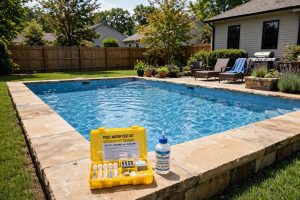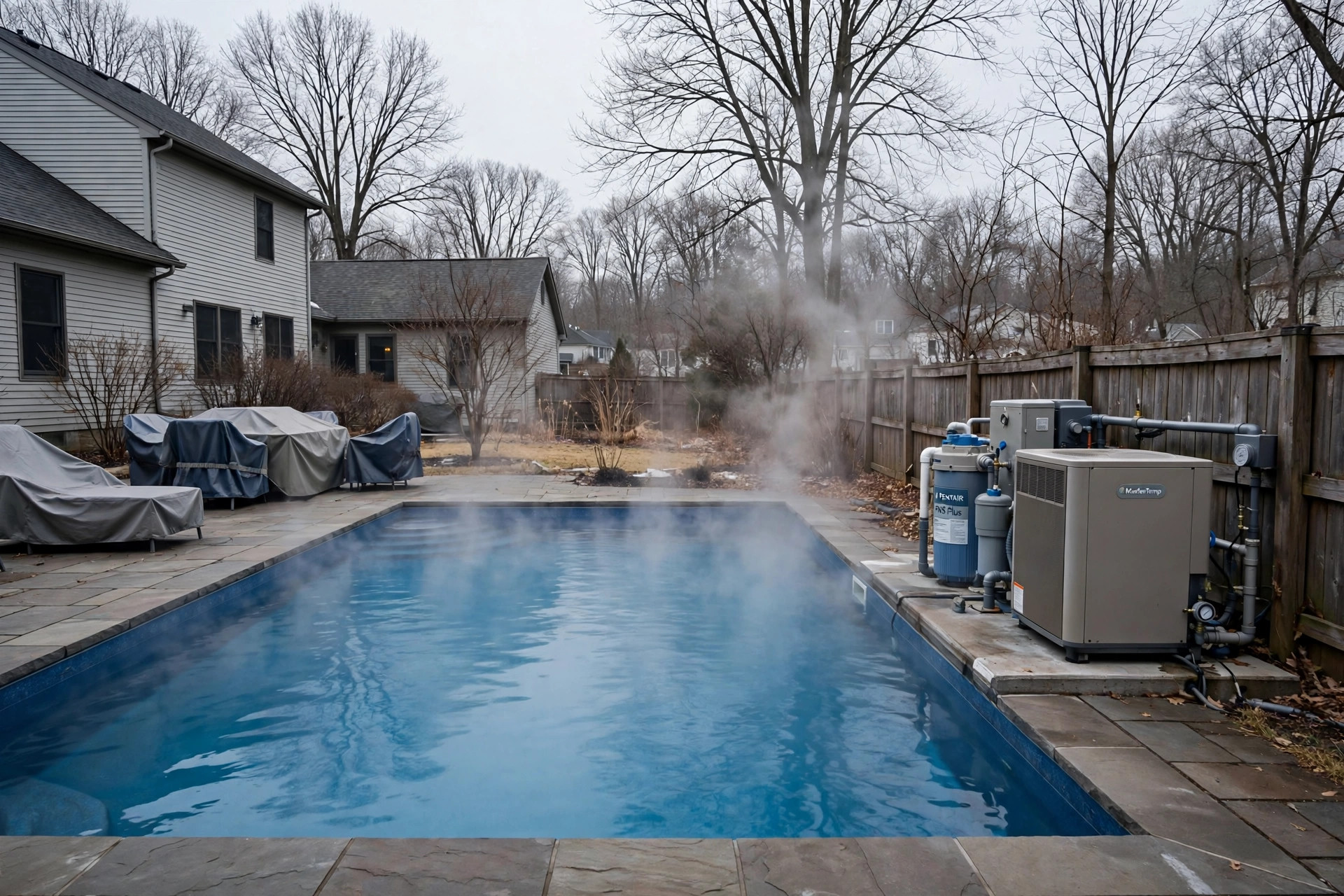

A pool is a joy in the summer months. It turns quiet in the fall. By winter, most pools sit unused under a cover. The best pool heater for year round use changes that pattern. With the right heater, you can swim in January as easily as in July. The water stays warm. The pool stays open. The family uses the pool all year instead of half the year.
This guide explains how to pick the best pool heater for year round use. It covers the main types of heaters. It explains how to size a heater for your pool. It looks at costs, both the purchase price and the monthly bills. It covers care, upkeep, and safety. Read it through before you buy. A heater is a large purchase. The right choice will serve you for a decade or more.
Why a Pool Heater Matters
A heater turns a pool from a summer luxury into a daily habit. Many owners find that an unheated pool is usable for only four or five months. In cool regions, the season is even shorter. A heater can add months to each end of the season. In mild climates, it can keep the pool open all year.
Warm water is also easier on the body. Swimmers with sore joints or bad backs often find warm water helps them move with less pain. Children play longer in warm water. Guests enjoy the pool more. The pool gets used. That is the point of owning one.
Types of Pool Heaters: Best Pool Heater for Year Round Use
Three main types of heaters serve home pools: gas heaters, heat pumps, and solar heaters. Each has strengths. Each has limits. Your climate and your budget will point to the best fit.
Gas Heaters
Gas heaters burn natural gas or propane to heat the water fast. They are the fastest of the three types. A gas heater can raise the temperature of a large pool in a single day. It works in any weather, even on a cold winter night. It does not care about air temperature or sunshine.
The price of gas is the main drawback. Running a gas heater for year round use can cost a great deal each month. Gas prices move up and down. In some areas, the monthly cost is high enough to make year round heating painful. Gas heaters also last about five to ten years. That is shorter than the other types.
A gas heater is a good choice if you heat the pool for short periods. If you want to warm the pool for a weekend party in November, gas is ideal. If you want to keep the pool warm every day of the year, gas may cost too much.
Heat Pumps
A heat pump moves heat from the air into the water. It uses electricity, but it does not make heat the way a toaster does. It transfers heat. For each unit of electricity it uses, it can move four or five units of heat into the pool. That makes it very efficient.
Heat pumps cost more to buy than gas heaters. They cost less to run, month after month. A heat pump works best when the air is warm. It slows down in cold air. Below about fifty degrees, most heat pumps stop working well. In mild climates, where winter air stays above fifty degrees, a heat pump can serve as the best pool heater for year round use. In cold climates, it may not keep up in winter.
Heat pumps last a long time, often ten to fifteen years. They are quiet and clean. Many pool owners in warm and mild states choose them.
Solar Heaters
Solar heaters use the sun to warm the pool water. Water runs through dark panels or mats on the roof or in the yard. The sun heats the water before it returns to the pool. Solar heat costs nothing to run once the system is installed. The fuel is free.
Solar has real limits. It works only when the sun shines. Clouds and short winter days cut its power. It heats slowly. A solar system alone rarely keeps a pool warm through a cold winter. Many owners use solar as a helper, paired with a gas heater or a heat pump. The solar panels cut the energy bill. The second heater fills the gaps.
A solar system costs a fair amount to install. It lasts twenty years or more with little care. It is the cleanest choice. It is not the best pool heater for year round use on its own, but it is a fine partner to another heater.
How to Choose the Right Size
A heater that is too small will run all day and never reach the target temperature. A heater that is too large costs more to buy and may cycle on and off too often. The right size matches your pool and your goals.
The first number to know is the size of your pool in gallons. Multiply the length by the width by the average depth, then multiply by 7.5. That gives a rough gallon count. Round pools need a different formula, but the idea is the same.
The second number is the temperature rise you want. If your water is sixty degrees in the winter and you want it at eighty degrees, you need a rise of twenty degrees. Larger rises need larger heaters.
The third number is wind exposure. A pool in the open wind loses heat fast. Wind is the largest thief of pool heat. A good cover cuts heat loss by more than half.
Manufacturers give heater size in British thermal units, or BTU. A common rule: a heater of about 100,000 BTU suits a small pool. A heater of 400,000 BTU suits a large pool. For year round use in a cool climate, size up rather than down. A slightly larger heater reaches temperature faster and runs fewer hours.
Ask a pool professional to check your numbers. Most dealers will size a heater for free if you give them the pool size and your climate. A pool sizing chart on a trusted retail site can also help you compare models.
What Year Round Heating Really Costs
The purchase price is only the start. The running cost is the larger number over the life of the heater.
A gas heater costs the least to buy, often between two thousand and four thousand dollars installed. Its monthly fuel bill is the highest, and can run several hundred dollars a month in winter.
A heat pump costs more to buy, often between three thousand and six thousand dollars installed. Its monthly electric bill is much lower, often fifty to one hundred fifty dollars a month in the heating season. The savings add up year after year.
A solar system costs between three thousand and seven thousand dollars installed, depending on the size. Its monthly cost is near zero. The savings start once the system is paid off.
Do not forget the cover. A good solar cover or automatic cover cuts heat loss at night. It can cut your heating bill by half or more. A cover is the cheapest way to lower the cost of the best pool heater for year round use. Many owners say the cover pays for itself in one season.
Electric rates and gas rates differ by state and by season. Check your local rates before you decide. A heater that is cheap to run in one state may be costly in another.
Installation and Setup
Most heaters need a professional to install them. Gas heaters need a gas line and a safe vent. Heat pumps need a strong electric circuit. Solar panels need roof or ground space with good sun.
Place the heater close to the pool pump and filter. Short pipe runs waste less heat. Keep the heater in a spot with good air flow. Do not box it in. Gas heaters need clear space around the vent for safety.
The first heat-up takes the longest, often a full day or more. After that, the heater only replaces the heat lost each night. Keep the pool covered at night and the heater will hold temperature with less work.
Set a steady temperature. Most swimmers are happy at seventy-eight to eighty-two degrees. Pick a number and hold it. Your bill will thank you.
Care and Upkeep
A heater lasts longer with simple care. Clean the filter on schedule. A dirty filter chokes the water flow and forces the heater to work harder. Check the chemical balance of the water each week. Acidic water eats the inside of a heater. Water that is out of balance shortens the life of every part of the pool.
Keep leaves and dirt away from the heater. Gas heaters need a clear burner area. Heat pumps need clear air flow around the fan. Solar panels work best when clean, so hose them off once in a while.
Each fall, have the heater checked by a service tech. The visit catches small problems before they grow and costs far less than a repair in the middle of winter.
Watch for warning signs: strange noises, odd smells, or water that will not warm up. Do not run a damaged heater. Call a professional.
Safety Rules for Heated Pools
Heat brings comfort, and it also brings risks that deserve respect. Learn these rules before you heat your pool through the winter.
Gas heaters make exhaust. The vent must be clear and the area around the heater open to the air. Never store fuel or paint near a gas heater. Install a carbon monoxide alarm in any enclosed room near the pool equipment. Gas is safe when the rules are followed. They must be followed every time.
Electrical parts and water are a poor mix. A licensed electrician should wire the heater and the pool. A ground fault circuit interrupter, or GFCI, protects the circuits. Test it each month. If it trips, find the cause before you reset it.
Warm water invites long soaks. Do not let small children stay in a heated pool or spa without an adult close by. Set the spa temperature no higher than one hundred four degrees. The national safety agency offers pool safety guidance worth reading at the consumer safety site.
A cover keeps heat in, but a cover can also trap a child or a pet under it. Use a cover that meets safety standards. Remove the cover fully before anyone swims. Never swim with a cover half on the pool.
Pairing a Heater With Other Pool Care
A heater does not work alone. Warm water grows algae faster than cold water. A heated pool needs steady cleaning and chemical care all year. If you have ever fought a green pool, you know that steady care beats a rescue job. A guide on how to clean green pool water fast explains the rescue side; the better path is to never let it get green.
Year round use also wears the pool surface faster. Warm water and constant chemicals age plaster and liners. Know your pool resurfacing options, pros and cons before the surface gets thin. Plan the work in the off months if your climate has any.
A solar cover is the heater’s best friend. It holds heat at night and adds a little heat by day. A reel makes the cover easy to use. If the cover is hard to handle, no one will use it. Look at the best pool cover reel for solar options to find one that fits your pool. A cover that gets used is worth more than a heater that runs all night.
Frequently Asked Questions
What is the best pool heater for year round use in a cold climate?
A gas heater is usually the best choice in a cold climate. It heats fast and works in freezing air. Pair it with a good cover to cut the fuel bill. A heat pump alone often cannot keep up when winter air drops below fifty degrees.
What is the best pool heater for year round use in a warm climate?
A heat pump is usually the best choice in a warm climate. It costs little to run. The mild winter air still holds enough heat for the pump to move into the water. Many owners in warm states run a heat pump all year and pay modest electric bills.
How much does it cost to heat a pool all year?
It depends on the heater type, the pool size, the climate, and the water temperature you want. A rough range is fifty to several hundred dollars a month. A cover can cut that nearly in half. Check your local gas and electric rates to get a real number.
Can I heat my pool with solar panels alone in winter?
In most places, no. Solar panels heat slowly and stop at night and on cloudy days. They are a fine helper that cuts the energy bill, but they rarely hold a pool at swimming temperature through a cold winter on their own.
How long does a pool heater last?
A gas heater lasts about five to ten years. A heat pump lasts about ten to fifteen years. A solar system lasts twenty years or more. Good water chemistry and yearly service stretch the life of all three.
What temperature should I set for year round swimming?
Most swimmers are comfortable between seventy-eight and eighty-two degrees. Set the temperature and hold it steady. Turning the heat up and down often wastes more energy than holding one temperature.
A Final Word
The best pool heater for year round use is the one that fits your climate, your pool, and your budget. Gas heats fast in any weather. Heat pumps run cheap in mild air. Solar heats free when the sun shines. Size the heater right. Cover the pool at night. Keep the water clean and balanced. Do those things, and your pool will be ready to swim in every month of the year.
Before you buy, compare models at a pool supply store such as Leslie’s or a warehouse pool retailer like Pool Warehouse. Read the pool care guides at Swim University to learn the upkeep side. Check spa and heater reviews at Hot Spring and Bullfrog Spas if your plans include a spa as well. For general home project advice, the Spruce home section is a solid source. Take your time. A heater is a ten-year decision, and the right one pays you back in warm water every day.
References
Bullfrog Spas. (n.d.). Hot tubs and spas. https://www.bullfrogspas.com Hot Spring Spas. (n.d.). Hot tubs and spas. https://www.hotspring.com Leslie’s Pool Supplies. (n.d.). Pool supplies and equipment. https://www.lesliespool.com Pool Warehouse. (n.d.). Pool equipment and supplies. https://www.poolwarehouse.com Swim University. (n.d.). Pool and hot tub care guides. https://www.swimuniversity.com The Home Depot. (n.d.). Home improvement products. https://www.homedepot.com The Spruce. (n.d.). Home and garden advice. https://www.thespruce.com U.S. Consumer Product Safety Commission. (n.d.). Product safety information. https://www.cpsc.gov
Was this guide helpful?

About Robert Taylor
The My Garden US editorial team writes practical, in-depth home and garden guides for American homeowners — tested advice, no fluff.
You May Also Like

Best Pool Toys for Teenagers Reviews: A Practical Guide for Families
April 27, 2026 0 views
Pool Heater for Above Ground Pools: A Plain Guide to Warm Water All Season
June 30, 2026 0 views
The Best Hot Tub for Muscle Recovery: A Plain Guide
June 3, 2026 0 views