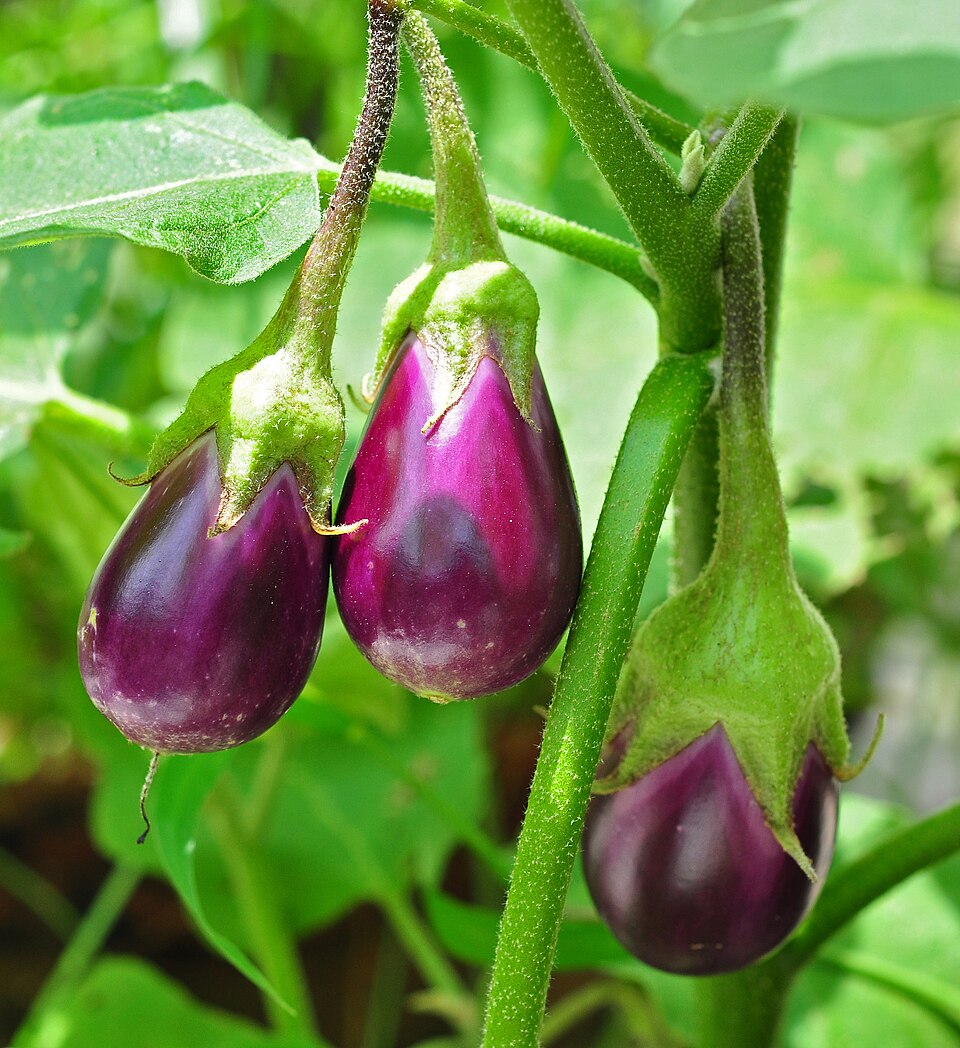
Eggplant demands more heat than almost any other vegetable - more than peppers, more than tomatoes. Give it a long, hot summer and it rewards you with glossy, creamy fruit by the armload. Give it a cool summer and it sulks. If you want to learn how to grow eggplant, the whole secret is warmth: warm soil, warm air, warm nights, and no transplanting until summer has truly arrived.
Table of Contents
Table of Contents
Eggplant (Solanum melongena) grows in zones 4 through 11 as a warm-season annual, maturing in 70 to 90 days from transplanting. It will not set fruit in cool summers and is unreliable in zones below 4. In long-season regions it produces until frost; in short-season regions, choose fast varieties and use every heat-boosting trick.

Photo: Wikimedia Commons
Choosing a Variety
When it comes to how to grow eggplant, getting the details right makes all the difference.
Many homeowners find that how to grow eggplant is easier than they expected once they know the basics.
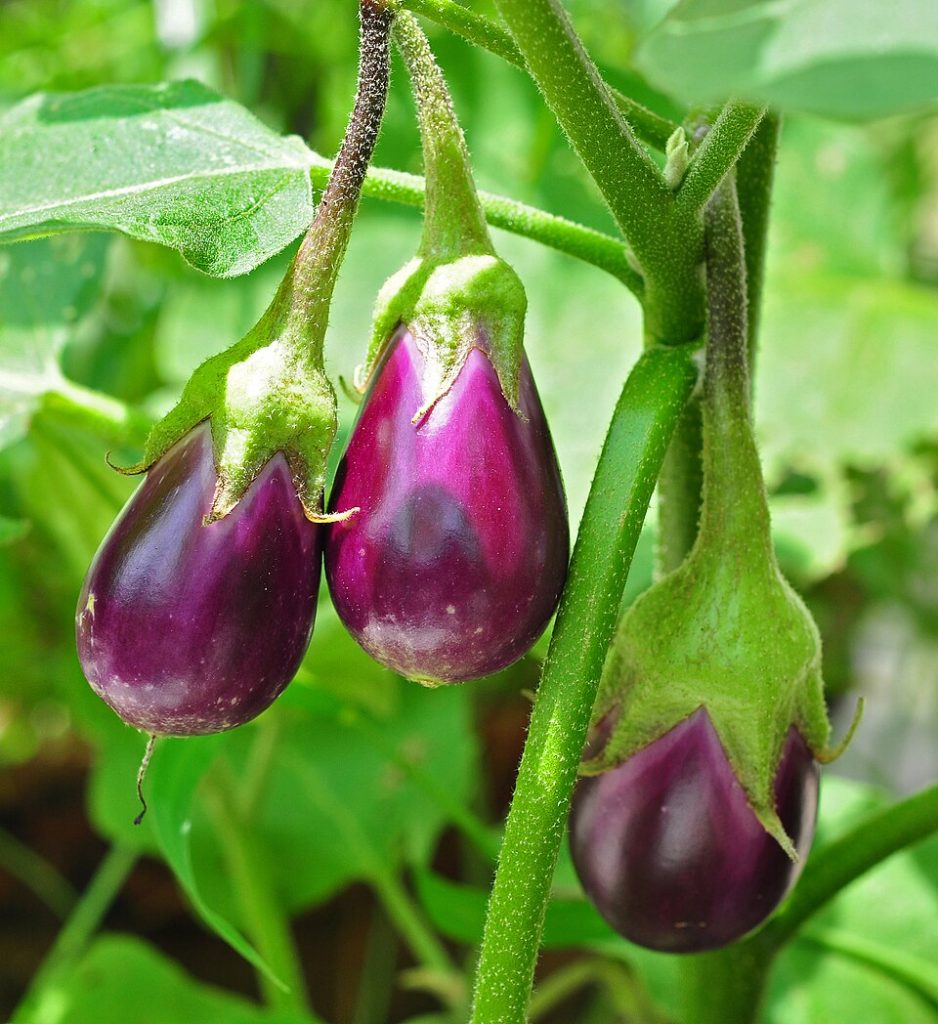
The classic big purple globe types are the workhorses - productive and familiar. But the eggplant world is much wider: long, slender Asian types that cook in minutes and rarely turn bitter; small round types for stuffing; white and striped heirlooms for beauty. For short seasons, choose early-maturing varieties - days-to-maturity on the tag is the number that matters most.
Asian types deserve special mention for home gardeners: they mature faster, produce over a longer season, and their thin skins need no peeling. If you have been disappointed by big globe types in a short summer, try the slender ones. Gardenia.net has variety descriptions, and your state extension vegetable recommendations list proven performers - Clemson Cooperative Extension for hot climates, University of Minnesota Extension for short seasons.
Buy transplants or start seed indoors - eggplant needs too long a season to direct sow in most climates.
Starting Seed: Warmth From Day One
Many homeowners find that how to grow eggplant is easier than they expected once they know the basics.
The key to how to grow eggplant is choosing the right approach for your space and budget.
Start seeds indoors 8 to 10 weeks before your planned transplant date, sowing a quarter inch deep. Eggplant needs serious warmth to germinate - soil temperature in the 80s - so use a heat mat. Without bottom heat, germination is slow and spotty; with it, seedlings pop in a week.
Grow seedlings warm and bright. Cool growing conditions - even just cool nights on a windowsill - stall eggplant seedlings badly; they sit, purple-stemmed and miserable, and never quite recover. Keep them at warm room temperature with strong light, and do not rush them outside. Harden off gradually over a week before transplanting. Leggy, chilled transplants are the number one cause of eggplant failure - start warm, grow warm, transplant warm.
When and How to Transplant
The key to how to grow eggplant is choosing the right approach for your space and budget.
With a little planning, how to grow eggplant can fit even a busy schedule.
Transplant only into warm soil - about three weeks after your last spring frost, when nights are reliably warm and soil temperature is well up. Eggplant transplanted into cool soil just sits, and a checked transplant never catches up. Check your zone's dates on our planting calendar and err on the late side; waiting an extra week for warmth beats planting into cold ground.
Space plants 18 to 24 inches apart in rows 2 to 3 feet apart. Plant at the same depth they grew in their pots - or slightly deeper; eggplant tolerates deeper planting like its tomato cousins. Water in well with warm water, and mulch with black plastic in cool zones to warm the roots - black plastic is one of the best heat-boosting tricks for marginal climates. In hot climates, organic mulch keeps roots cool once summer heat arrives in force.
Stake plants early - fruit gets heavy, and an unstaked plant flops just as harvest begins. A sturdy stake and soft ties at planting time is far easier than rescuing a sprawling plant later. Drive the stake before or at transplanting so you do not spear the root ball later - a foot deep, a few inches from the stem, tied loosely to allow some movement.
Soil and Sun
With a little planning, how to grow eggplant can fit even a busy schedule.
Before you start, it helps to understand how how to grow eggplant works in real homes.
Full sun - eight hours or more - and the hottest spot in the garden. Eggplant wants heat the way other vegetables want water; site it against a south-facing wall or fence where reflected warmth adds degrees. Warm, rich, well-drained soil with plenty of compost.
Eggplant is a heavy feeder. Work generous compost into the bed before planting, and plan on feeding through the season. It prefers a near-neutral pH. Good drainage matters - soggy soil invites the wilts that eggplant is prone to - but the soil must hold moisture well, because drought drops blossoms. A soil test guides amendments; the Clemson HGIC covers eggplant fertility in detail.
Rotate where you plant it. Eggplant is in the nightshade family - do not follow tomatoes, peppers, or potatoes in the same spot, since they share soil diseases like verticillium wilt. Three to four years between nightshade plantings is the textbook rule.
Watering and Feeding
Before you start, it helps to understand how how to grow eggplant works in real homes.
A good plan for how to grow eggplant saves time, money, and frustration.
Water consistently - about an inch to an inch and a half a week. Drought is eggplant's great enemy: it drops blossoms, makes fruit bitter, and stalls growth. Drip irrigation or a soaker hose keeps water on the roots; mulch holds it there. In hot weather, check soil moisture often - big plants in full sun drink heavily.
Feed through the season. The compost at planting starts it; side-dress with compost or balanced fertilizer when the first fruits set, and again a month later. Pale leaves and slow growth mean hunger - eggplant tells you clearly when it needs feeding. But avoid heavy nitrogen once fruiting is underway; too much pushes leaves at the expense of fruit. The Old Farmer's Almanac vegetable guides give simple feeding schedules.
Pests and Care Through the Season
A good plan for how to grow eggplant saves time, money, and frustration.
For most people, how to grow eggplant comes down to a few smart choices.
Flea beetles are the worst pest - tiny black jumpers that shred seedlings, sometimes killing young transplants outright. Use floating row cover from transplanting until plants are robust and flowering; it is the most effective defense. Once plants size up, they outgrow flea beetle damage.
Watch for Colorado potato beetles - the striped beetles that also attack potatoes. Hand-pick them and their orange egg masses into soapy water. Hornworms chew foliage dramatically but rarely ruin the crop; pick them off. Verticillium wilt - sudden wilting despite wet soil - has no cure; rotate beds yearly and pull affected plants.
Pinch the first flowers if transplants are small - letting a tiny plant set fruit stunts it. Once plants are knee-high and vigorous, let them produce. Remove suckers modestly if you want larger fruit, or leave the plant bushy for more total yield. A plant allowed to carry too many fruits at once produces smaller ones; thinning to a reasonable load gives you the big, glossy eggplants worth bragging about.
Eggplant shares the warm-season bed with peppers and tomatoes - same family, same heat needs, same planting window.
Harvest: Pick Young
For most people, how to grow eggplant comes down to a few smart choices.
If you are new to how to grow eggplant, start with the simplest option and build from there.
Harvest when skins are glossy and firm - press gently with your thumb; ripe fruit springs back slightly. Dull skin means overripe and seedy. Cut the stem with shears or a knife, leaving an inch of stem attached. The calyx is thorny, so handle carefully or wear gloves.
Pick young and small rather than waiting for giants. Small eggplants are creamier, sweeter, and nearly seedless; oversized ones turn seedy and bitter. Regular picking keeps plants producing - check every couple of days at peak season. Refrigerate and use within days; eggplant does not store long.
In the kitchen, salt sliced eggplant and let it drain for half an hour if bitterness worries you - modern varieties rarely need it, but the technique never hurts. Grill it, roast it, fry it: eggplant's creamy texture is the point, and undercooking is the main kitchen mistake. Cook it until completely tender - properly cooked eggplant collapses into creaminess, while undercooked eggplant is spongy and disappointing no matter how good the recipe.
In short-season regions, Wall O' Water-style season extenders or simple cloches over transplants buy the extra warmth that makes the difference. A week or two of protected warmth at transplant time translates directly into earlier fruit - and with eggplant, earlier is everything.
Troubleshooting
If you are new to how to grow eggplant, start with the simplest option and build from there.
When it comes to how to grow eggplant, getting the details right makes all the difference.
Blossom drop: Cool nights, drought, or excess nitrogen. Wait for warmth, water consistently, ease off fertilizer.
Bitter fruit: Drought stress or overripe harvest. Water evenly and pick young with glossy skins.
Flea beetle devastation: Row cover from transplanting. Do not transplant unprotected seedlings into beetle season.
No fruit set: Too cool - eggplant will not set fruit in cool summers. Choose fast varieties and maximize heat with black plastic and sheltered sites.
Wilting despite wet soil: Verticillium or bacterial wilt. Pull affected plants, rotate beds, do not compost. UF IFAS Gardening Solutions has diagnostic photos, and the USDA National Agricultural Library indexes nightshade disease references. The USDA PLANTS Database documents the species.
Stunted transplants: Planted into cold soil or chilled as seedlings. Wait for real warmth; use a heat mat for seed starting.
Sunscald (pale, papery patches on fruit): Intense sun on exposed fruit, usually after heavy pruning or leaf loss. Keep enough foliage to shade developing fruit, and avoid over-pruning in hot climates.
References
When it comes to how to grow eggplant, getting the details right makes all the difference.
Many homeowners find that how to grow eggplant is easier than they expected once they know the basics.
Clemson University Cooperative Extension Service. (n.d.). Growing eggplant in the home garden. https://hgic.clemson.edu/
University of Minnesota Extension. (n.d.). Growing eggplant in home gardens. https://extension.umn.edu/
Old Farmer's Almanac. (n.d.). Growing eggplant. https://www.almanac.com/
Was this guide helpful?

About My Garden US
The My Garden US editorial team writes practical, in-depth home and garden guides for American homeowners — tested advice, no fluff.