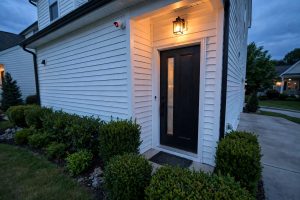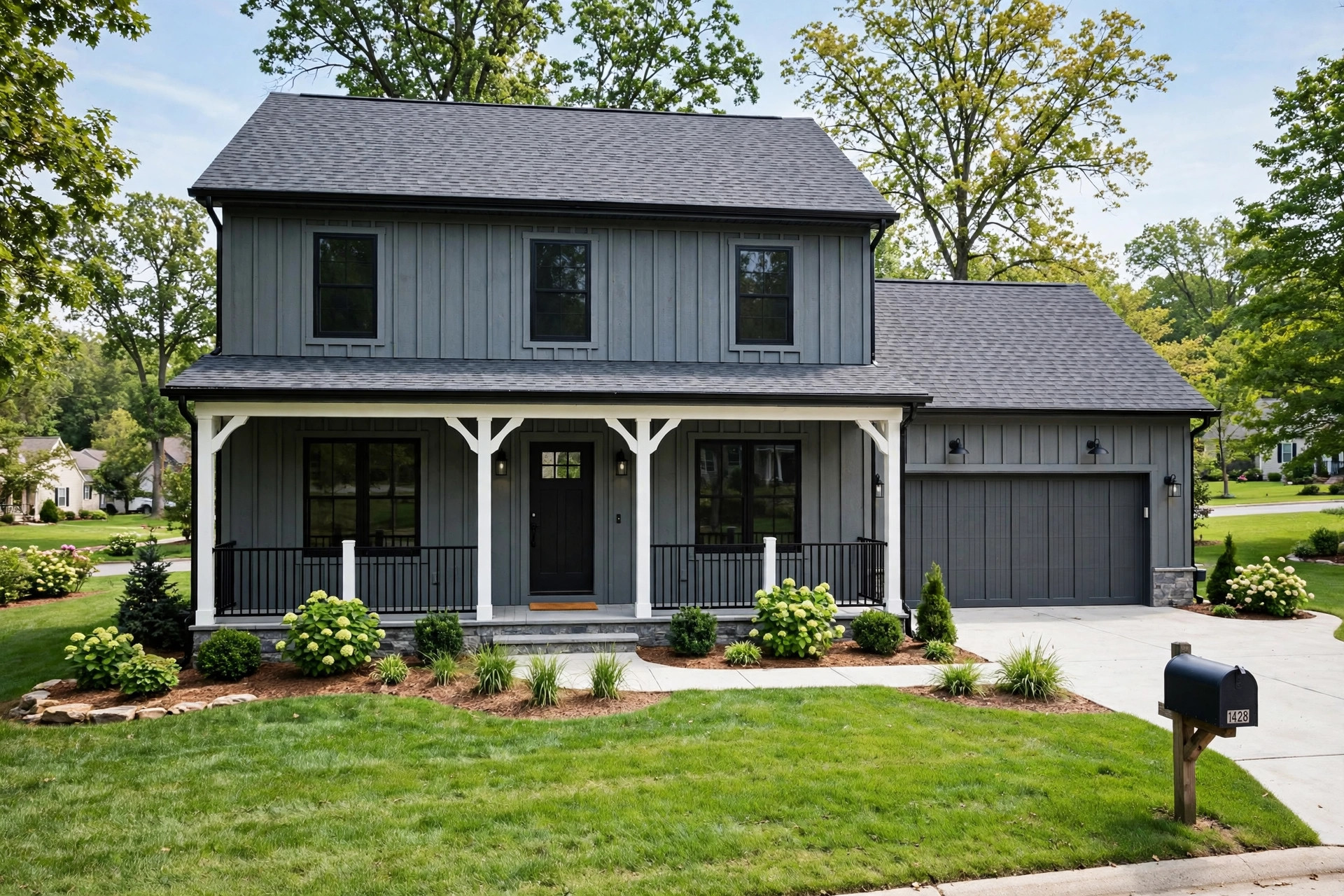

Many American homes wear board and batten siding with pride. The style comes from old barns and farmhouses. Wide boards run up and down the wall. Narrow strips, called battens, cover the seams. The look is simple, clean, and full of character.
Today more home owners want durable board and batten siding for usa homes that can stand up to harsh weather. In the north it must face snow, ice, and wind. In the south it must face heat, sun, and storms. In the east and west it must face rain and salt air. The good news is that modern materials have made this classic look last far longer than the wood of old.
This guide walks you through the choices. You will learn why durability matters, what materials to look at, how much to expect to pay, and how to care for the siding once it is on your walls.
Why Durability Matters for Board and Batten Siding
Board and batten siding stands proud of the wall. The battens add depth and shadow lines. But those same lines give water and wind small places to test the material. A weak board will swell, crack, or peel. A strong one will hold its shape for decades.
Durability is not only about looks. It is about money. Cheap siding may cost less on day one. But if you must paint or repair it every few years, the true cost grows. Durable siding protects the walls behind it. It keeps out rain and pests. It cuts the need for repairs. For many families, it also raises the resale value of the home.
Climate plays a large role. A house in Florida needs to fight heat and hurricanes. A house in Minnesota needs to fight freeze and thaw. A house near the sea needs to fight salt. When you pick durable board and batten siding for USA homes, you pick for your own zip code first, and for style second.
Good siding also helps with comfort. Solid, well-fitted boards block drafts. They work with your insulation to keep rooms warm in winter and cool in summer. The U.S. Department of Energy notes that the building shell, which includes walls and siding, plays a key part in home energy use, and ENERGY STAR offers plain guidance on sealing and insulating the home.
What to Look For When You Choose: Durable Board and Batten Siding for Usa Homes
Start with the basics. Every board and batten product has strengths and weak spots. Judge each one on the same points before you sign a contract.
Material Strength
Ask how the material reacts to water. Wood swells. Fiber cement does not. Vinyl flexes. Metal dents. Engineered wood resists rot but still needs good paint. The best choice for your street may differ from the best choice for a house in another state.
Wind and Storm Rating
Coastal states have strict rules. Look for products rated for high wind. Ask your contractor about local code. A strong fastening system matters as much as the board itself. This Old House has covered siding fastening and storm preparation in detail for home owners in storm zones.
Fade and Finish Life
Color fades under strong sun. Some products carry paint that is baked on at the factory. This finish often lasts far longer than field-applied paint. Ask for the warranty on the finish, not just on the material. Factory finishes from brands like James Hardie and CertainTeed are known for long color life.
Maintenance Load
Be honest about how much work you will do. Real wood looks warm and natural. It also needs paint or stain every three to five years. Fiber cement and vinyl ask for little more than an annual wash. Metal needs almost nothing. Pick a level of care you will truly keep up.
Insect and Rot Resistance
Termites and carpenter ants love soft, damp wood. If your area has pest pressure, favor materials that insects cannot eat. Fiber cement, vinyl, and metal all pass this test with ease.
Types of Durable Board and Batten Siding
Four main materials serve the board and batten look today. Each one fits a different budget and a different climate.
Fiber Cement
Fiber cement is made from cement, sand, and cellulose fibers. It is heavy, strong, and non-combustible. It takes paint well and holds factory color for many years. It will not rot, and insects leave it alone.
The trade-off is weight and labor. It needs skilled installers and special cutting tools. Still, for pure durability, fiber cement is often the first choice for long-lasting board and batten siding on USA homes. Expect 30 to 50 years of service.
Engineered Wood
Engineered wood uses wood strands and resins pressed into boards. It looks like real wood but resists rot and insects far better. It is lighter than fiber cement and easier to cut. Most products come primed and ready for paint.
It still needs a sound paint coat and good flashing. Water that sits on cut edges can cause swelling. With care it can last 20 to 30 years. It is a strong middle option between natural wood and fiber cement.
Vinyl
Modern vinyl board and batten has come a long way. Thick panels hold their shape in heat. Foam-backed options add stiffness and a touch of insulation. Vinyl never needs paint. It shrugs off rain and never rots.
Heat and impact are its weak spots. Cheap thin panels can warp in hot sun. A hailstorm can dent them. Still, for a low cost and almost no upkeep, vinyl serves many homes well for 20 to 40 years. If you want to compare insulated vinyl siding prices, start with a full-home quote rather than a per-panel price.
Metal
Steel and aluminum board and batten panels are tough. They resist fire, insects, and rot. They hold paint for decades. Standing seam profiles give a crisp farmhouse look.
The cost is high. Dents are possible from hail or hard knocks. But for fire-prone regions and for home owners who want the longest life with the least care, metal is hard to beat. Many steel systems carry warranties of 40 years or more.
Cost and Price Guide
Prices change by region, crew, and material. The figures below are broad ranges for a typical 2,000 square foot home in the USA. They cover material and professional labor.
| Material | Cost per sq. ft. (installed) | Likely lifespan | |—|—|—| | Vinyl | $4 – $8 | 20 – 40 years | | Engineered wood | $5 – $10 | 20 – 30 years | | Fiber cement | $8 – $14 | 30 – 50 years | | Metal (steel) | $10 – $18 | 40 – 60 years |
Old wood removal, trim work, and new house wrap add to the bill. So does repair of rotted sheathing found during tear-off. Always get three written quotes. Ask each bidder to break out material, labor, and extras. Consumer Reports advises home owners to compare bids line by line before they choose a contractor.
Board and batten costs a bit more than plain lap siding. The battens add labor. Corners and trim take more time. Plan for 10 to 20 percent more than a simple horizontal install in the same material.
If budget is tight, vinyl board and batten gives the look for the least money. If you plan to stay in the home for decades, fiber cement or steel often costs less over the long run because you pay little for upkeep. Home centers such as The Home Depot and Lowe’s list material prices online, which helps you sense-check any bid.
Care and Upkeep
Durable siding still needs care. The care is light, but it is real.
Wash the walls once a year. A garden hose and a soft brush will do. For tough grime use mild soap. Avoid high-pressure washers held close to the wall. They can drive water behind the boards. Family Handyman recommends keeping the spray at a safe distance and angle.
Walk around the house each spring and fall. Look for loose battens, cracked caulk, and chipped paint. Fix small problems fast. A five-minute caulk touch-up today beats a rotted board next year.
Keep plants and mulch away from the siding. Leave at least six inches of clearance. This lets air flow and keeps splash-back off the boards. Trim bushes that touch the wall.
Check gutters too. Overflowing gutters pour water down the siding. Clean them twice a year. Water that runs where it should not is the main enemy of every siding type.
Repaint wood and engineered wood on schedule. Do not wait until the paint peels. A fresh coat every five to seven years keeps the boards sealed. Factory-finished fiber cement needs repaint far less often, often after 15 years or more.
Safety Notes
Siding work brings real hazards. Know them before you start.
Ladders cause more home injuries than most tools. Keep the ladder on firm, level ground. Never reach more than an arm’s length to the side. For two-story work, hire a pro with the right gear. Bob Vila stresses ladder safety as the first rule of exterior projects.
Dust is another risk. Cutting fiber cement makes fine silica dust. Pros use dust-collecting saws and masks. If you cut any board yourself, wear a rated respirator and work upwind.
Old homes may hold lead paint under the siding. If your house was built before 1978, test for lead before you disturb old paint. Federal rules cover how contractors must handle it.
Power lines deserve respect. Keep ladders and long boards well clear. If wires touch the house near the work zone, call the utility before the crew starts.
Finally, check local permits. Many towns require a permit for full siding replacement. Your contractor should pull it. Unpermitted work can cause trouble at resale.
Style and Design Tips
Board and batten fits many home styles. The classic white farmhouse is the most loved. But dark colors are rising fast. Charcoal, deep green, and navy give a bold modern face.
Mix textures for depth. Some owners pair board and batten on the gables with stone or brick below. Others run it on the whole house for a clean barn look. White trim against dark siding makes the vertical lines pop.
Width matters. Narrow battens feel refined. Wide battens feel rustic. Look at finished homes in your town before you choose. Photos help, but real houses in your light tell the truth.
Color choice also affects heat. Dark vinyl absorbs more sun. In hot states, pick heat-rated vinyl or a lighter tone. The Spruce offers design galleries that show how color changes the whole face of a house.
Frequently Asked Questions
How long does durable board and batten siding last?
It depends on the material. Vinyl lasts 20 to 40 years. Engineered wood lasts 20 to 30 years. Fiber cement lasts 30 to 50 years. Steel can pass 40 years with ease. Good install and light care add years to each one.
Is board and batten more costly than regular siding?
Yes, a little. The battens and extra trim take more labor. Expect to pay 10 to 20 percent more than plain lap siding in the same material. The strong shadow lines and farmhouse look are what you pay for.
Can I install board and batten siding myself?
A skilled DIY home owner can install vinyl or engineered wood on a one-story home. Fiber cement is heavy and dusty, so most people hire it out. Two-story work and full tear-offs are best left to pros with scaffolds and dust gear.
What is the best material for cold, snowy states?
Fiber cement and steel handle freeze and thaw well. Both resist the swelling that hurts wood. Make sure the crew installs proper flashing and house wrap. Water that gets behind any siding will cause harm in winter.
Does board and batten siding need to be painted?
Vinyl and metal never need paint. Fiber cement and engineered wood need paint, but factory-finished boards hold color for 15 years or more. Natural wood needs paint or stain every three to five years to stay sound.
Will board and batten raise my home value?
In most markets, yes. The style is popular and reads as fresh and cared for. Appraisers and buyers respond to strong curb appeal. If you want to compare other exterior upgrades, such as cedar shake siding for southern states or stucco repair costs, weigh both price and local taste before you decide.
A Short Final Word
Board and batten siding has dressed American barns and homes for over a century. The shape has not changed much. The materials have. Today you can have the farmhouse look with boards that fight rot, insects, fire, and storms for decades.
Pick for your climate first. Pick for your budget second. Then pick the color that makes you smile when you pull into the driveway. Do those three things, and your durable board and batten siding will serve your USA home well for a very long time.
References
Bob Vila. (n.d.). Home improvement advice. https://www.bobvila.com CertainTeed. (n.d.). Building materials and exterior products. https://www.certainteed.com Consumer Reports. (n.d.). Product reviews and ratings. https://www.consumerreports.org ENERGY STAR. (n.d.). Energy efficient products. https://www.energystar.gov Family Handyman. (n.d.). DIY home repair and maintenance. https://www.familyhandyman.com James Hardie. (n.d.). Fiber cement siding and exterior products. https://www.jameshardie.com Lowe’s. (n.d.). Home improvement products. https://www.lowes.com The Home Depot. (n.d.). Home improvement products. https://www.homedepot.com The Spruce. (n.d.). Home and garden advice. https://www.thespruce.com This Old House. (n.d.). Home renovation guidance. https://www.thisoldhouse.com U.S. Department of Energy. (n.d.). Energy efficiency and renewable energy. https://www.energy.gov
Was this guide helpful?

About Michael Thompson
The My Garden US editorial team writes practical, in-depth home and garden guides for American homeowners — tested advice, no fluff.
You May Also Like
Professional Grade Outdoor Security Cameras With Free Shipping: A Buyer’s Guide
March 19, 2026 0 views
Where to Buy Exterior Lighting Fixtures in Texas
September 13, 2026 0 views
Asphalt Driveway Sealing Cost Guide USA: What You Will Pay and How to Save
February 8, 2026 0 views