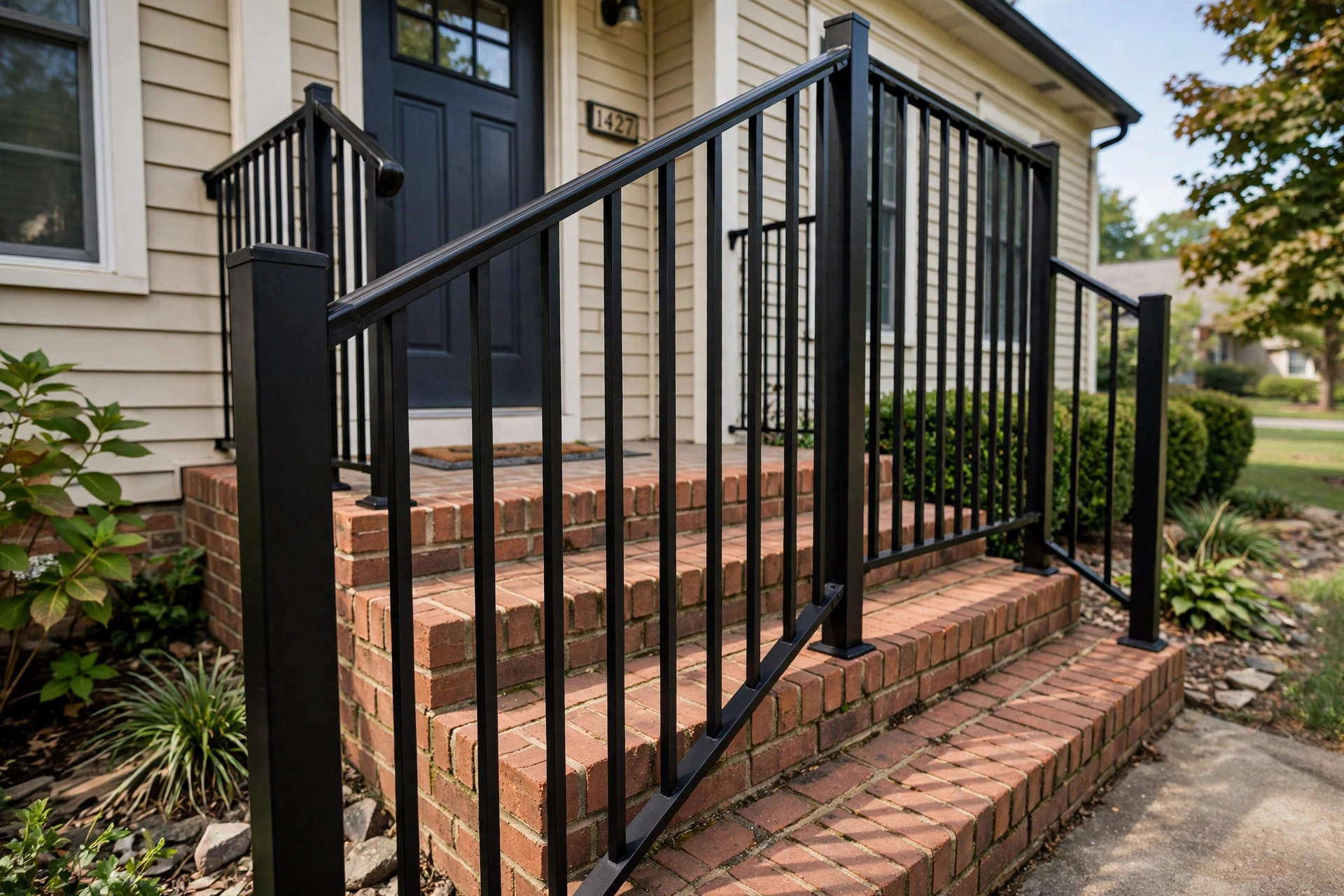
Stairs outside a home need strong railings. A railing keeps people safe when they walk up or down. Professional grade exterior stair railings for sale today are made for heavy use and hard weather. They look good, they last long, and they meet local building rules. This guide explains the types, the prices, and the steps to pick the right one for your home.
Why Strong Exterior Stair Railings Matter
A stair railing is not just decoration. It is a safety tool. Every year, many people fall on home stairs. A loose or weak railing can fail at the worst time. A strong railing holds firm when a person slips or leans on it. That is why building codes in most states set clear rules for railing height, spacing, and strength.
Professional grade railings are built to a higher standard than basic kits. They use thicker metal. They use better fasteners. They often carry ratings from testing labs. For a home with children, older adults, or many visitors, professional grade is the safer choice. For rental property and small businesses, it is often required.
A good railing also adds value to a home. Curb appeal starts at the front steps. A clean, solid railing makes the whole entry look cared for. Real estate agents often point out the front entry as the first place buyers judge a house.
Types of Professional Grade Exterior Stair Railings for Sale
Several materials are common. Each has its own strengths.
Powder-Coated Steel
Steel is the classic choice for strength. Professional grade steel railings have thick tubing, often one and one half inches wide. The powder coating is baked on in a factory. It resists chips and rust far better than paint from a can. Steel railings feel solid under the hand. They suit brick and stone homes well. They can weigh a lot, so two people are best for the install.
Aluminum
Aluminum is the light choice. It will not rust. That makes it a favorite in wet and coastal areas. Professional grade aluminum railings are thicker than cheap store kits. They often have welded frames and hidden fasteners. They come in many colors. A homeowner can install aluminum sections alone because each section is light. Aluminum does dent if hit hard, but dents are rare in normal use.
Vinyl and Composite
Vinyl railings are made from thick PVC. They never need paint. They wipe clean with soap and water. Professional grade vinyl uses steel inserts inside the posts for real strength. Composite railings mix wood fiber and plastic. They look a bit more like wood. Both are good picks for people who want low upkeep. Color choice is smaller than with aluminum.
Wood
Wood railings have a warm look. Cedar and redwood resist rot in a natural way. Pressure treated pine is the budget wood choice. Wood needs stain or seal every two to three years. Without care, it can crack and splinter. Still, for a craftsman or farmhouse home, nothing matches the look of real wood. Professional grade wood kits use thicker balusters and better grade lumber.
Cable and Glass Systems
Modern homes often use cable or glass railings. Stainless steel cables run between posts. They block almost no view. Glass panels give the same open feel. These systems cost more than standard railings. They need exact install to pass code. The glass must be tempered safety glass. Cable spacing must be tight enough that a four inch ball cannot pass through.
How to Choose the Right Railing
Start with the building code in your town. The code sets the rules. Most codes say a stair needs a railing when it has four or more risers. The top of the handrail must be between thirty four and thirty eight inches above the stair nose. Balusters must be close enough that a four inch sphere cannot pass through. The railing must hold a two hundred pound sideways load.
Next, measure your stairs. Count the steps. Measure the run from the top step to the bottom step. Note the slope angle. Many railing kits are sold in adjustable lengths for common slopes. If your stairs have a landing or a turn, you will need corner posts and angled connectors.
Think about who uses the stairs. Older adults grip a round handrail more easily than a flat one. A second, lower handrail can help small children. For rental homes, check local rules for grip size and returns at the rail ends.
Match the style to the house. A simple black steel rail fits a brick colonial. A white vinyl rail fits a coastal cottage. A wood rail fits a mountain cabin. The railing should look like it belongs with the home, not like an afterthought.
Cost and Price Ranges
Price depends on material, length, and brand. The numbers below are typical retail prices in the United States.
Steel railing sections often cost sixty to one hundred forty dollars per linear foot. A standard eight foot stair section may cost four hundred to nine hundred dollars. Posts and hardware add more.
Aluminum sections often cost fifty to one hundred twenty dollars per linear foot. They cost a bit less than steel in many cases. High end welded aluminum systems can match steel prices.
Vinyl stair rail kits often cost forty to ninety dollars per linear foot. They are among the cheapest professional options. Wood railings vary widely. A cedar rail may cost fifty to one hundred dollars per linear foot with labor if a carpenter builds it.
Cable railing systems often cost one hundred twenty to two hundred fifty dollars per linear foot. Glass panel systems often cost one hundred fifty to three hundred dollars per linear foot. These are premium products.
Labor adds cost if you hire help. A simple straight stair may take a handyman three to five hours. Complex stairs with corners take longer. Get two or three quotes before you pick a contractor. Some sellers of professional grade exterior stair railings for sale offer install guides with clear steps, which can cut labor cost.
What to Look for When You Buy
Read the product details with care. Look for these points.
First, check the material thickness. Thicker walls mean a stronger rail. For steel, look for sixteen gauge or thicker. For aluminum, look for heavy wall posts.
Second, check the finish. Powder coat is the standard for metal. Ask if the finish is tested for salt spray or sun fade. A good maker will list the test hours.
Third, check the mounting hardware. The posts must anchor to the stair or the deck in a solid way. Surface mount brackets need strong concrete anchors or lag bolts. Side mount brackets are common on concrete steps.
Fourth, check the warranty. Professional grade products often carry ten to twenty year warranties. A short warranty is a warning sign.
Fifth, check the parts list. A stair railing needs more than the rail. It needs posts, newel posts, wall brackets, end caps, and the right screws. A full kit saves extra trips to the store.
Care and Upkeep
Every railing needs some care. The type sets the schedule.
Steel railings need a yearly look. Wash them with mild soap and water. Look for chips in the coating. Touch up any chip with the paint the maker sells. A small chip left open can start rust.
Aluminum railings are the easiest. Wash them once a year. Check that all screws are tight. The finish holds for many years without touch up.
Vinyl and composite railings need a wash twice a year. Mildew can grow on them in shade. A soft brush and a mild cleaner take it off. Do not use a harsh pressure washer setting close to the surface.
Wood railings need the most care. Clean them each spring. Re-seal or re-stain every two to three years. Check for soft spots that show rot. Replace any board that feels spongy.
For all types, check the anchors each year. Step bolts can work loose over time. Tighten them with a wrench. If a post wobbles, fix it at once. A loose post is a safety risk.
Safety Tips for Homeowners
Safety comes first with any stair. Keep the steps clear of ice in winter. Use a safe de-icer that will not harm the railing finish. In fall, clear leaves that make steps slick.
Keep the handrail clear of planters and decorations. A hand must slide along the rail without a block. Do not hang flower baskets from the rail posts unless the maker says it is safe.
Light the stairs at night. A simple solar light at each step can stop many falls. The light should show the edge of each step.
If you live in a cold region, you may want railings rated for heavy freeze and thaw. Budget friendly exterior stair railings for cold climates can be a good place to start your search if price is the main concern, but professional grade units handle ice and road salt better over time.
Readers who want more detail on picking a style can look at our guide to exterior stair railings reviews and buying guide. For homes in the central states, our guide to best exterior stair railings for midwest homes covers wind and freeze concerns. For humid regions, see energy efficient front porch railings for humid climates for options that resist mold and salt air.
Where to Buy
Professional grade exterior stair railings for sale can be found at big home stores, at local iron shops, and through online sellers. Big stores carry common sizes and colors. They often have floor models you can grip and shake. That hands-on test is worth a lot.
Local shops can build custom lengths and odd angles. This helps when the stairs are not standard. A local shop can also powder coat in a color that matches your trim.
Online sellers often have the widest choice. Read reviews before you order. Look for reviews with photos from real buyers. Check the return policy in case the color or length is wrong.
No matter where you buy, keep the receipt and the warranty paper. You will need them if a part fails.
Installation Basics
Many homeowners install stair railings on their own. The work is simple but exact. Here are the basic steps.
Mark the post spots first. Posts usually go at the top and the bottom of the run. Long runs need a middle post. Use a level to mark plumb lines on the stair.
Drill for the anchors. On concrete, use a masonry bit and a hammer drill. On wood, pre-drill to stop splits. Blow the dust from the holes before you set anchors.
Set the bottom post first. Then set the top post. Run a string line between them. The string shows the handrail line. Cut the rail sections to fit between the posts at the stair angle.
Fasten the rail to the posts. Use the brackets that came with the kit. Do not mix parts from different brands. The load rating depends on the matched parts.
Test the rail when done. Push it hard from the side. It should not move. Walk the stairs and grip it. The height should feel right. Fix anything that feels loose before anyone uses the stairs.
If the project feels too big, hire a professional. The cost of a bad install is much higher than the cost of a pro.
Frequently Asked Questions
Do I need a permit to add an exterior stair railing?
Many towns require a permit for new railings. Some allow like-for-like repair without a permit. Call your local building office before you start. The staff can tell you the rule in a few minutes.
What is the right height for a stair handrail?
Most codes set the handrail top at thirty four to thirty eight inches above the nose of each step. Measure from the front edge of the tread straight up to the top of the rail. Stay in that range.
How far apart can balusters be?
The common rule is that a four inch ball cannot pass between balusters. On stairs, the triangular gap between the tread, the riser, and the bottom rail gets extra care. Keep every gap under the rule.
Can I paint over powder coat?
Yes, with care. Clean the surface well. Scuff it with fine sandpaper. Use a primer made for metal. Then apply exterior paint. Know that a field paint job will not last as long as the factory coat.
Are aluminum railings strong enough for stairs?
Yes. Professional grade aluminum railings are tested to the same load rules as steel. They use thicker walls and welded frames. They are a fine choice for most home stairs.
How long do exterior stair railings last?
A well made steel or aluminum railing can last twenty to thirty years. Vinyl can last fifteen to twenty five years. Wood lasts ten to fifteen years with good care. Harsh sun and salt air shorten these times.
Final Word
A stair railing is a small part of a home, but it does a big job. Professional grade exterior stair railings for sale give you thicker materials, better finishes, and tested strength. Take time to measure, check the code, and compare a few products. A railing that is strong, safe, and good looking will serve your home for many years.
For more background, see Lowe’s, James Hardie, and CertainTeed. For more background, see This Old House, Bob Vila, and Family Handyman. Buying guides are also published by The Spruce and The Home Depot.
References
Bob Vila. (n.d.). Home improvement advice. https://www.bobvila.com CertainTeed. (n.d.). Building materials and exterior products. https://www.certainteed.com Family Handyman. (n.d.). DIY home repair and maintenance. https://www.familyhandyman.com James Hardie. (n.d.). Fiber cement siding and exterior products. https://www.jameshardie.com Lowe’s. (n.d.). Home improvement products. https://www.lowes.com The Home Depot. (n.d.). Home improvement products. https://www.homedepot.com The Spruce. (n.d.). Home and garden advice. https://www.thespruce.com This Old House. (n.d.). Home renovation guidance. https://www.thisoldhouse.com
Was this guide helpful?

About Sarah Mitchell
The My Garden US editorial team writes practical, in-depth home and garden guides for American homeowners — tested advice, no fluff.