Every year, thousands of American homeowners search for affordable fence installation companies near me. Some need privacy from a busy street. Some need a safe place for children or dogs to play. Others simply want a yard that looks finished and cared for. Whatever the reason, a new fence is a real investment, and finding the right company at a fair price makes all the difference.
A fence does more than mark a boundary. It adds value to a home. It keeps pets in and strangers out. It cuts noise and blocks the view of neighbors. Yet the cost of a fence can surprise many buyers. Prices vary widely by material, by length, and by the company that does the work. This guide will walk you through how to find affordable fence installation companies near me, what to ask before you sign, and how to keep the project on budget.
Why a Good Fence Matters
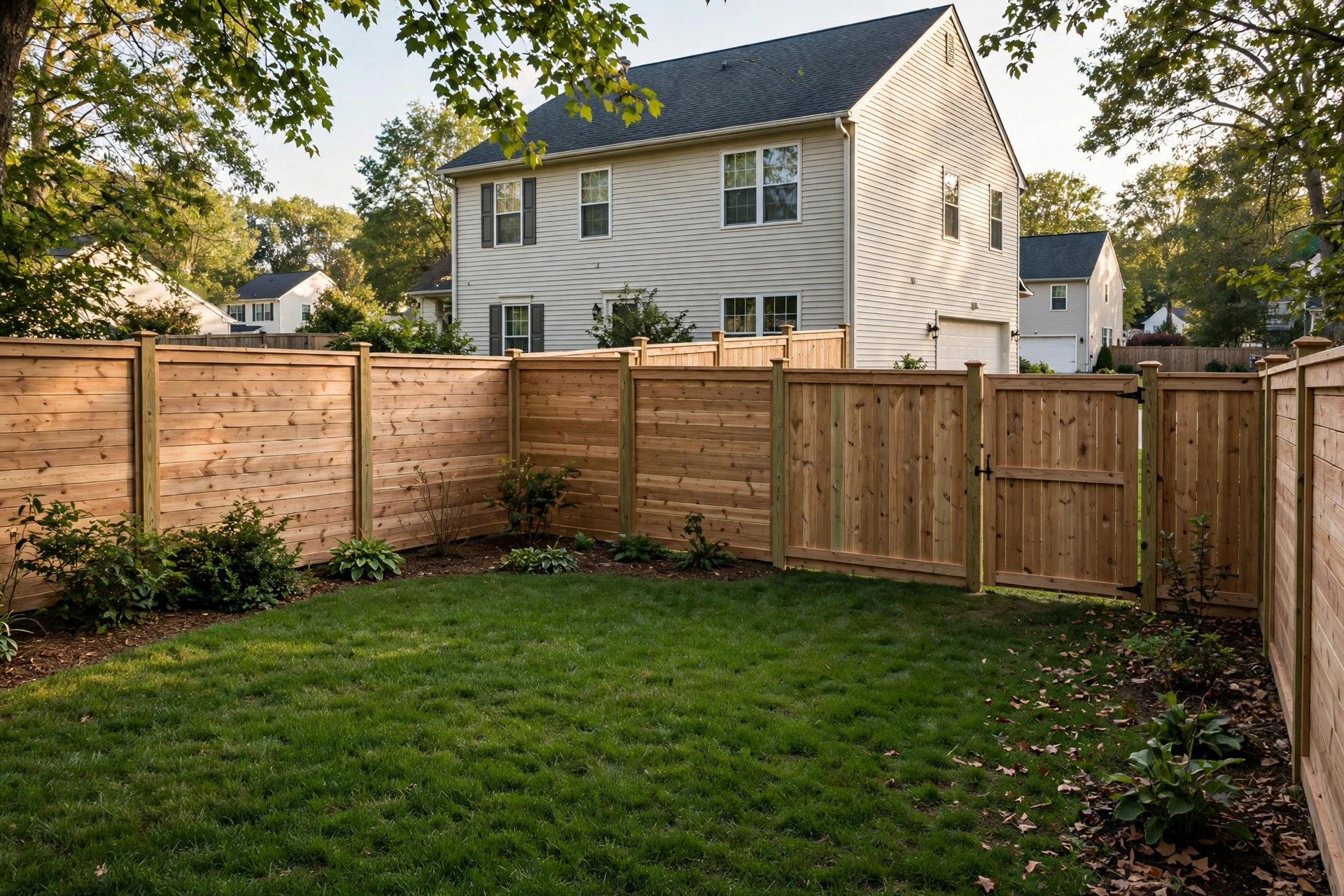
A fence is often the first thing people notice about a yard. A straight, solid fence tells visitors that the home behind it is well kept. A leaning or broken fence does the opposite. Real estate agents agree that curb appeal helps a home sell faster, and a new fence is one of the most visible upgrades a homeowner can make.
Safety is another strong reason. A closed fence keeps young children inside the yard and away from traffic. Dog owners know that a secure fence ends the daily worry of a pet running into the street. Many insurance companies also look kindly on fenced yards, since they reduce certain kinds of claims.
Privacy may be the most personal reason of all. A six-foot privacy fence turns a busy suburban lot into a quiet retreat. It lets a family eat dinner on the patio without feeling watched. For all these reasons, the search for affordable fence installation companies near me is really a search for peace of mind.
How to Choose an Affordable Fence Installation Company: Affordable Fence Installation Companies near Me
Finding a low price is easy. Finding a low price with good work is harder. The cheapest bid is not always the best deal. A bad installation can cost more in the long run when posts lean, boards warp, and repairs pile up. Here is how to choose wisely.
Check Local Reviews and References
Start with what neighbors say. Ask friends and coworkers who put up a fence recently. Look at online reviews, but read them with care. A company with dozens of steady, detailed reviews is a safer bet than one with a handful of short, glowing notes. Pay attention to how a company answers complaints. A calm, professional reply says a lot about how they treat customers after the job is done.
Do not be shy about asking for references. A good installer will gladly share the names of past customers. Call at least two. Ask if the crew arrived on time, if the yard was left clean, and if the final bill matched the estimate. Short phone calls like these can save you from a costly mistake.
Compare Written Estimates
Always get at least three written estimates. Each estimate should list the type of material, the height and length of the fence, the number of gates, and the cost of labor. Two bids that look similar may differ in important ways. One may include the removal of an old fence. Another may charge extra for it.
Make sure every estimate answers the same questions. What kind of posts will be used, and how deep will they be set? Will the posts be set in concrete? What warranty comes with the work? When estimates are written down in detail, you can compare them side by side instead of guessing.
Be wary of any bid that is far below the others. A price that seems too good to be true often leaves something out. The company may use thin, low-grade lumber or skip the concrete footings. In fencing, as in most things, you get what you pay for.
Ask About Licenses and Insurance
A serious fence installer carries a business license and liability insurance. Ask to see proof of both. Insurance protects you if a worker is hurt on your property or if the crew damages a neighbor’s yard. A company that cannot show insurance is a risk you should not take.
Also ask whether the company pulls the needed permits. Many towns require a permit before a fence goes up, and rules often limit height or placement. A local company will know these rules. If a contractor tells you to skip the permit, find a different contractor.
Consider Related Yard Work
A fence job often goes hand in hand with other yard work. Old trees or dead stumps near the fence line can push against posts over time, so some homeowners schedule stump removal first; services like affordable tree stump grinding near me are a common companion job. Planning these tasks together can save money, since the crew is already on site. Ask your installer whether the price changes if you bundle small extra jobs with the main project.
Types of Fences and Their Costs
The material you choose has the largest effect on price. Each type of fence has its own look, its own lifespan, and its own upkeep needs. Here are the most common options in the United States.
Wood Fences
Wood is the classic American fence material. Cedar and pressure-treated pine are the most popular choices. Cedar resists rot and insects on its own and weathers to a soft gray if left unstained. Pressure-treated pine costs less up front but needs stain or sealant to last.
A wood privacy fence usually costs between fifteen and forty dollars per linear foot, installed. The wide range reflects differences in wood grade, fence height, and local labor rates. A wood fence typically lasts fifteen to twenty years with good care.
Vinyl Fences
Vinyl fences have grown popular in recent decades. They never need paint or stain. A quick wash with a hose keeps them looking new. They come in white, tan, and gray, and many styles copy the look of painted wood.
Vinyl costs more up front than wood, often forty to sixty dollars per linear foot installed. The trade is lower upkeep over time. A vinyl fence can last twenty-five to thirty years. For homeowners who want a fence they can forget about, vinyl is worth a look.
Chain Link Fences
Chain link is the workhorse of fences. It is strong, cheap, and quick to install. It will not give you privacy, but it will keep dogs in and mark a clear boundary. Many families choose chain link for side and back yards, then plant shrubs for privacy.
Installed chain link usually runs eight to fifteen dollars per linear foot. With a galvanized coating, it resists rust for many years. Vinyl-coated chain link, in black or green, looks softer and blends into the landscape better.
Aluminum and Steel Fences
Ornamental metal fences suit front yards and homes with a formal look. Aluminum is light and will not rust. Steel is heavier and stronger. Both come in panels that are set between posts.
These fences cost more, often thirty to sixty dollars per linear foot installed. They last for decades and need little care beyond an occasional wash. Many neighborhoods with strict appearance rules accept metal fences where other types are not allowed.
What Fence Installation Costs
Across the country, most homeowners spend between one thousand and five thousand dollars on a new fence. The final number depends on several factors that every buyer should understand.
Length is the biggest factor. Fence prices are quoted per linear foot, so a large yard costs more than a small one. Height matters too. A six-foot fence needs taller posts, more lumber, and deeper footings than a four-foot fence.
The shape of the land also plays a role. A flat yard is easy to fence. A sloped yard needs stepped or racked panels, which take more time and skill. Gates add to the cost as well. A single walk gate is cheaper than a wide double gate for a driveway.
Soil and access affect labor. Rocky soil slows digging. A yard that trucks cannot reach means materials must be carried in by hand. Removing an old fence usually adds a few hundred dollars to the bill.
To keep the project affordable, get your yard ready before the crew arrives. Clear brush along the fence line. Mark where underground lines run. A tidy work area helps the crew finish faster, and faster work means lower labor costs. Once the fence is up, basic lawn tools from makers like Toro or John Deere help you keep the yard around it in good shape, and engine equipment from Briggs and Stratton has powered American yard tools for generations.
Care and Upkeep for Your New Fence
A fence is not a one-time purchase. Simple upkeep extends its life by years and keeps it looking its best.
For wood fences, the most important job is sealing. Water is the enemy of wood. A good stain or water sealer, applied every two to three years, keeps boards from warping and cracking. Walk the fence line each spring. Look for loose boards, leaning posts, and nails that have worked their way out. Small fixes made early prevent big repairs later.
Keep grass and weeds away from the base of the fence. Damp growth against the boards speeds up rot. A string trimmer makes quick work of this chore, and on hilly ground you may want a fence line trimmer suited to steep slopes to reach the hard spots. Leave an inch or two of space between the bottom of wood boards and the soil so water can drain.
Vinyl and metal fences ask for less. Wash them once a year with soap and water. Check gates for smooth movement and oil the hinges when they squeak. For chain link, touch up any bare spots on the coating before rust can start.
If you want extra privacy without a taller fence, consider planting a living screen. Fast-growing hedge plants for fences can fill in gaps and soften the look of any fence style within a few seasons.
Safety and Rules to Know
Before any post goes into the ground, call 811, the national call-before-you-dig number. Utility companies will mark buried gas, electric, and water lines for free. Striking a gas line with a post-hole digger is dangerous and can bring a large fine. This step is required by law in most states.
Check your property survey. Fences must sit on your own land, not on a neighbor’s lot or on a utility easement. A surveyor’s map, often included in your closing papers when you bought the home, shows the true boundary lines. When in doubt, have a new survey done. Moving a fence after it is built is far more expensive than measuring twice.
Talk to your neighbors before work begins. Most fence disputes start with surprise. A short, friendly conversation about your plans can prevent years of bad feeling. In some towns, neighbors share the cost of a fence on a shared boundary. Even when they do not, keeping them informed is simple good manners.
Finally, confirm local height limits and style rules. Many cities cap backyard fences at six feet and front-yard fences at four feet. Homeowner associations often have their own lists of approved materials and colors. A good local installer will know these rules, but the final duty to comply rests with you.
Frequently Asked Questions
How long does fence installation take? Most homes take one to three days. A small, flat yard with easy access may be done in a single day. A large yard, a slope, or rocky soil can stretch the job to a week. Ask your installer for a schedule in writing.
What is the cheapest type of fence to install? Chain link is usually the cheapest, followed by basic pressure-treated wood. Chain link gives security without privacy. Wood gives both but needs more upkeep. Your budget and your needs should decide together.
Do I need a permit to build a fence? In most American towns, yes. Rules vary by city and county. Your installer should know the local process, and the permit fee is usually small. Never skip this step to save a few dollars.
Should I install the fence myself to save money? A handy homeowner can install a short run of fence. But full-yard jobs need skill with levels, post setting, and gate hanging. Mistakes show for years. Many people find that a professional job is worth the price once they compare the cost of tools, materials, and their own time.
How do I know if a fence company is trustworthy? Look for a local address, a working phone number, proof of insurance, and written estimates. Check reviews and call references. Be careful with companies that demand full payment up front. A fair deposit is usually one third of the total.
When is the best time of year to install a fence? Late fall and winter are often the cheapest seasons, because installers have fewer jobs and may offer lower prices. Spring is the busiest season. That said, a good company installs fences year-round in most climates.
A Final Word
A fence is a boundary, a shield, and a frame for your home. The search for affordable fence installation companies near me ends well when you do a little homework first. Get three written estimates. Check licenses and references. Choose a material that fits both your budget and your plans for the yard. Take care of the fence once it stands, and it will serve your family for decades.
Start by talking to local companies this week. Walk your yard with them. Ask questions and listen to the answers. The right installer will welcome your questions, respect your budget, and leave you with a fence you are proud to come home to.
References
Toro. (n.d.). Lawn mowers and yard care equipment. https://www.toro.com Deere & Company. (n.d.). Lawn and garden equipment. https://www.deere.com Briggs & Stratton. (n.d.). Small engines for outdoor power equipment. https://www.briggsandstratton.com
Was this guide helpful?

About Lisa Anderson
The My Garden US editorial team writes practical, in-depth home and garden guides for American homeowners — tested advice, no fluff.