A sprinkler head replacement cost estimate USA homeowners can trust starts with one simple fact. The head itself is cheap. The labor is what changes the number. Most single heads cost between five and thirty dollars. A hired pro may charge seventy five to two hundred dollars per head with labor. When you need many heads, the total rises fast. That is why it pays to learn the parts of an estimate before you call anyone. This guide walks you through every line of the bill. It covers parts, labor, DIY savings, and the traps that add cost. By the end, you will know what a fair price looks like in any state. And you will know when to do the job yourself.
Why a Sprinkler Head Matters
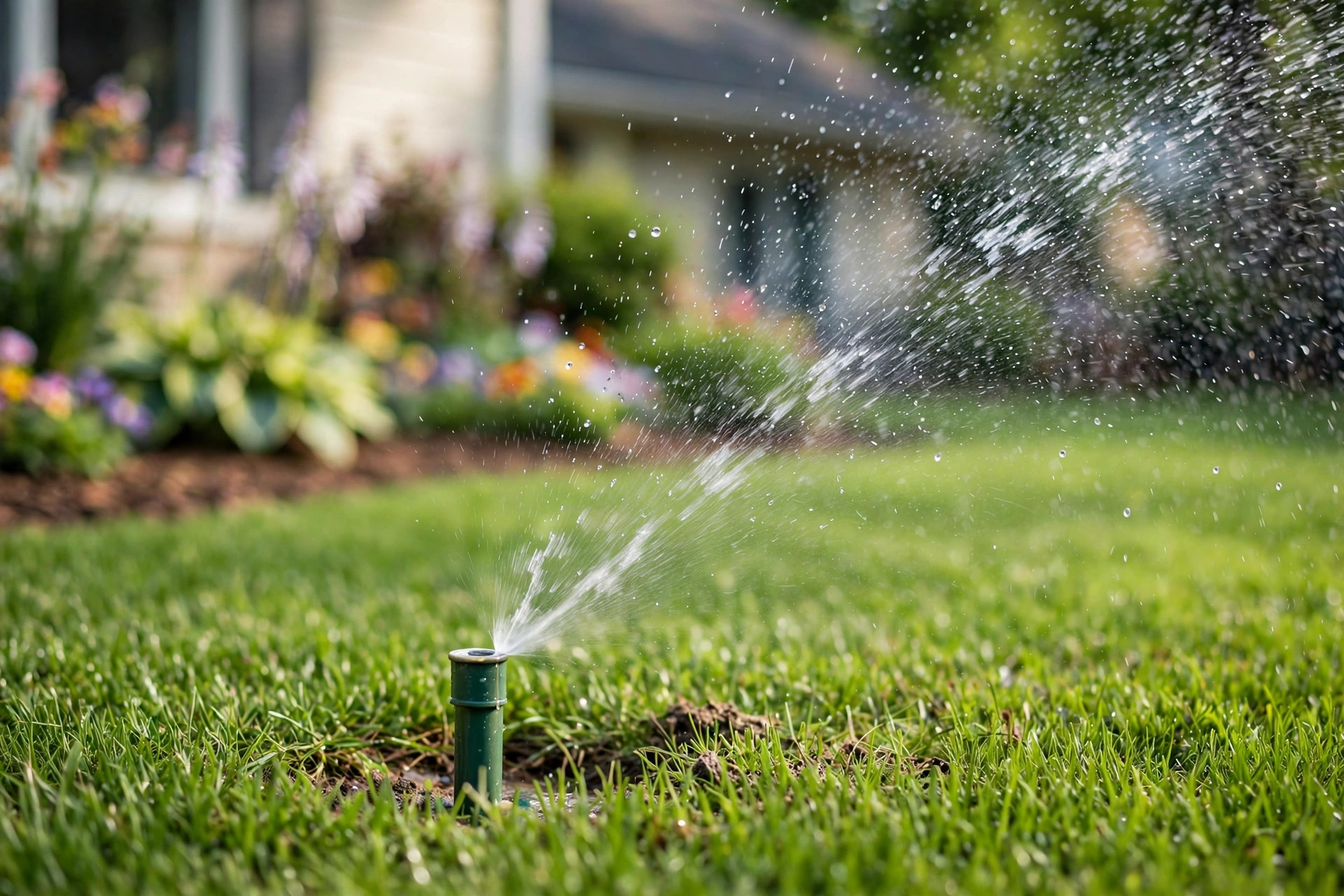
A sprinkler head is a small part with a big job. It throws water in a set pattern. When it works, the lawn gets even drink. When it fails, the lawn shows it. Brown spots appear. Water pools in one place. The street gets soaked while the grass stays dry.
Heads wear out for plain reasons. Lawnmowers clip them. Cars park on them. Dirt clogs the nozzle. Hard water leaves crust inside. After a few seasons, the spring weakens and the head no longer pops up. The spray drifts or stops.
A dead head wastes money twice. It wastes water you pay for. And it leaves a dry spot that kills the grass you paid to grow. Replacing one head is a small repair. It is one of the cheapest fixes in the whole yard. The trouble comes when many heads fail at once, or when a pipe breaks with the head. Then the bill grows.
Most yards in America use pop up spray heads or rotor heads. Both sit flush with the grass when idle. Both spring up when water pressure hits. Both can be swapped in about twenty minutes. The task is simple enough that many owners do it with no help. That keeps costs down.
Types of Sprinkler Heads and Their Prices: Sprinkler Head Replacement Cost Estimate Usa
There are four main types. Each has its own price range. Your estimate depends on which type you own.
Spray heads. These throw a fixed fan of water, usually eight to fifteen feet. They water small beds and narrow strips. A basic spray head costs four to ten dollars. Better brands with sealed tops cost ten to twenty dollars.
Rotor heads. These turn a stream of water in a circle. They cover twenty to forty feet. They suit large open lawns. A rotor head costs fifteen to forty dollars. Top models cost up to sixty.
Bubbler heads. These flood a small zone at the base. They water shrubs and tree roots. A bubbler costs three to eight dollars.
Drip emitter heads. These feed drip lines one drop at a time. They suit beds and pots. Each emitter costs under two dollars.
Rotors cost more than spray heads. That is the main price gap. If your yard uses rotors, expect a higher parts bill. You can learn more about sprinkler layouts in our guide to how to install pop up sprinklers yourself.
Sprinkler Head Replacement Cost Estimate: DIY vs Pro
A DIY job and a pro job are two different estimates. Here is how each one breaks down.
DIY cost. One head, a small bag of parts, and no labor fee. A spray head plus a new nozzle runs five to fifteen dollars. A rotor plus fittings runs twenty to fifty dollars. You may also need a small shovel, a pipe cutter, and thread tape. Most homes already own those. Total for one head: five to fifty dollars. Total for ten heads: fifty to two hundred dollars.
Pro cost. A service call runs sixty to one hundred dollars. Many firms charge a flat visit fee, then a per head rate. Per head with labor, expect seventy five to two hundred dollars. Ten heads by a pro can run five hundred to one thousand five hundred dollars. A full zone rebuild with trenching can run three hundred to eight hundred dollars per zone.
The middle path is common. The owner buys the heads and a pro does the labor. This cuts the parts markup. Many techs will install owner bought parts for a labor only rate. Ask before the visit. For whole system costs, see our affordable lawn sprinkler installation cost estimate.
What to Look For in a Sprinkler Head
Not all heads are equal. The cheap no name head saves five dollars now and costs more later. It clogs faster. Its spring fails sooner. Its seal leaks.
Look for these traits. A check valve keeps water from draining out of the lowest head. That stops mud from sucking back in. A wiper seal keeps dirt out of the stem. That keeps the pop up smooth. Stainless steel or heavy duty plastic stems resist mower hits. Brand parts fit brand parts. Mixing brands can work, but threads and nozzles may not match.
Match the new head to the old one. Take the old head to the store. Note its brand, its type, and its throw distance. A rotor must replace a rotor. A spray must replace a spray. If you swap a spray for a rotor, the water rate changes and the zone runs too long or too short.
Check the flow rate printed on the nozzle. Zones are built to a total flow. One wrong head can starve the rest of the zone. When in doubt, buy the same model number. That is the safest choice and the easiest estimate.
What Drives the Cost Up
The parts price is only one line. These factors move the total.
Depth and access. Heads buried deep or grown over with sod take longer to reach. More dig time means more labor.
Broken pipe or fitting. A cracked riser or a split lateral line adds parts and time. A pipe repair can add fifty to one hundred fifty dollars.
Valve and wire trouble. If the head does not pop up at all, the fault may be in the valve or the wire. Electrical checks add time. A new valve costs thirty to one hundred dollars plus labor.
Zone redesign. Old yards often have mixed heads on one zone. A pro may suggest splitting the zone. That is good advice. It is also a bigger bill.
Season. Spring rush means higher prices in many towns. Late fall calls may add a winterize fee. Learn about smart sprinkler controller for usa homes to cut water waste after the repair.
Travel and minimums. Many firms have a minimum charge. A one head visit still costs the minimum. This is why owners often group small repairs into one visit.
How to Estimate Your Job Step by Step
You can build your own estimate in ten minutes. Walk the yard with a pen and paper.
First, count the bad heads. Run each zone. Mark every head that does not pop up, sprays wrong, or leaks. Count them.
Second, note the type. Write down how many spray heads and how many rotor heads you need. Check brand names if you can see them.
Third, price the parts. Look up each head at a home store site. Use the prices at Home Depot as a guide. Add ten percent for fittings and thread tape.
Fourth, choose DIY or pro. If you do it yourself, the parts total is your estimate. If you hire out, add the service call. Call two firms. Ask for the per head rate and the visit minimum. Reviews on Consumer Reports can help you judge part brands before you buy.
Fifth, add a small buffer. Old yards hide surprises. A ten to fifteen percent buffer covers a cracked fitting or a deep trench.
A fair estimate then reads like this. Eight spray heads at ten dollars each: eighty dollars. Fittings and tape: fifteen dollars. Pro labor and visit: two hundred fifty dollars. Total: three hundred forty five dollars. DIY total: ninety five dollars.
Care and Upkeep After Replacement
A new head lasts longer with small care. Flush the line before you install it. Turn the zone on with the head off and let water run for ten seconds. This pushes dirt out. Dirt is the top killer of new heads.
Set the head to the right height. The top should sit flush with the soil, not above the grass. High heads get hit by mowers. Low heads get buried by thatch.
Adjust the arc and radius at install. Read the nozzle guide. A quarter turn of the screw changes the throw. Do not over tighten. The screw can crack the nozzle.
Clean the filter screen twice a year. Each head has a small screen under the nozzle. Pop the nozzle, rinse the screen, and press it back. This takes two minutes per head.
Winterize in cold states. Blow the lines out with air before the first hard freeze. Water left in a head expands and cracks the body. Spring startup guides at The Spruce walk through the first run of the season.
Watch the grass for signs. A green ring around a head means a leak. A dry arc means a clogged nozzle. A tilted head means the soil shifted. Fix small faults fast. They grow into big bills.
Safety Notes
Sprinkler work is low risk, but a few rules keep it safe. Turn the zone off at the controller before you dig. Water under pressure can shoot a head out like a cork. Call 811 before any deep digging. Gas and power lines run through yards. The call is free and the law in most states.
Wear gloves when you cut pipe. PVC edges are sharp. Do not look straight down into a head when you turn the water on. Pressure spikes are rare, but they happen. Keep kids and pets off the zone while you test.
If you use an air compressor for winterizing, keep pressure under fifty PSI for plastic pipe. High air pressure can burst a line. Hire a pro for the blowout if you are unsure. Safety pages at Toro cover winterizing pressure limits.
Store spare heads indoors. Sun and heat age plastic in the shed. A small bin with three spare heads, extra nozzles, and thread tape saves a trip to the store. Guides at LawnStarter show which spares fit common systems.
FAQ
How much does one sprinkler head cost to replace? The head costs five to forty dollars. DIY total is five to fifty dollars per head. A pro charges seventy five to two hundred dollars per head with labor and a visit fee.
Can I replace a sprinkler head myself? Yes. Dig around the head, unscrew it, screw in the new one, and test. Most owners finish in twenty minutes. Flush the line first. Keep the same head type and brand if you can.
Why do sprinkler heads stop popping up? Dirt in the stem, a weak spring, low pressure, or a bad valve. Clean the screen first. If the whole zone is weak, check the valve and the main pressure. Wire faults can also hold a valve shut.
How long do sprinkler heads last? Spray heads last five to ten years. Rotor heads last ten to fifteen years. Mower hits and hard water shorten the life. Cheap heads fail sooner than good ones.
Do I need to match the old brand? It is the safest choice. Threads, nozzles, and filters fit best within one brand. Mixed brands can work for simple spray heads. Rotors are pickier. Take the old head to the store to match it.
When should I call a pro instead of DIY? Call a pro when a pipe is broken, a valve is dead, wires are cut, or the whole zone runs weak. Call one when heads sit under concrete or roots. The dig and the electrical work are the hard parts. Product help at Pennington and parts advice at Echo can guide simple jobs.
A Short Final Word
A sprinkler head is a small repair with a clear price. The head costs a few dollars. The labor is the variable. Count your bad heads, note their types, and price the parts. Then decide if your time is worth the pro fee. Most owners handle a head or two on a Saturday morning. Bigger jobs go faster with a tech. Either way, a working head pays for itself. It waters the lawn you own instead of the street you do not. More lawn basics are at The Spruce, brand guides at Deere, and tool help at Greenworks.
References
Scotts. (n.d.). Lawn care and irrigation resources. https://www.scotts.com Home Depot. (n.d.). Irrigation and outdoor watering. https://www.homedepot.com Consumer Reports. (n.d.). Sprinkler and watering product reviews. https://www.consumerreports.org Toro. (n.d.). Irrigation products. https://www.toro.com LawnStarter. (n.d.). Lawn care and sprinkler guides. https://www.lawnstarter.com The Spruce. (n.d.). Lawn and irrigation advice. https://www.thespruce.com Pennington. (n.d.). Lawn and garden resources. https://www.pennington.com Echo. (n.d.). Outdoor power equipment. https://www.echo-usa.com Deere. (n.d.). Lawn and landscape equipment. https://www.deere.com Greenworks. (n.d.). Outdoor tools. https://www.greenworkstools.com
Was this guide helpful?

About Robert Taylor
The My Garden US editorial team writes practical, in-depth home and garden guides for American homeowners — tested advice, no fluff.