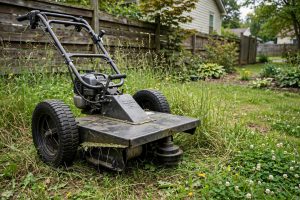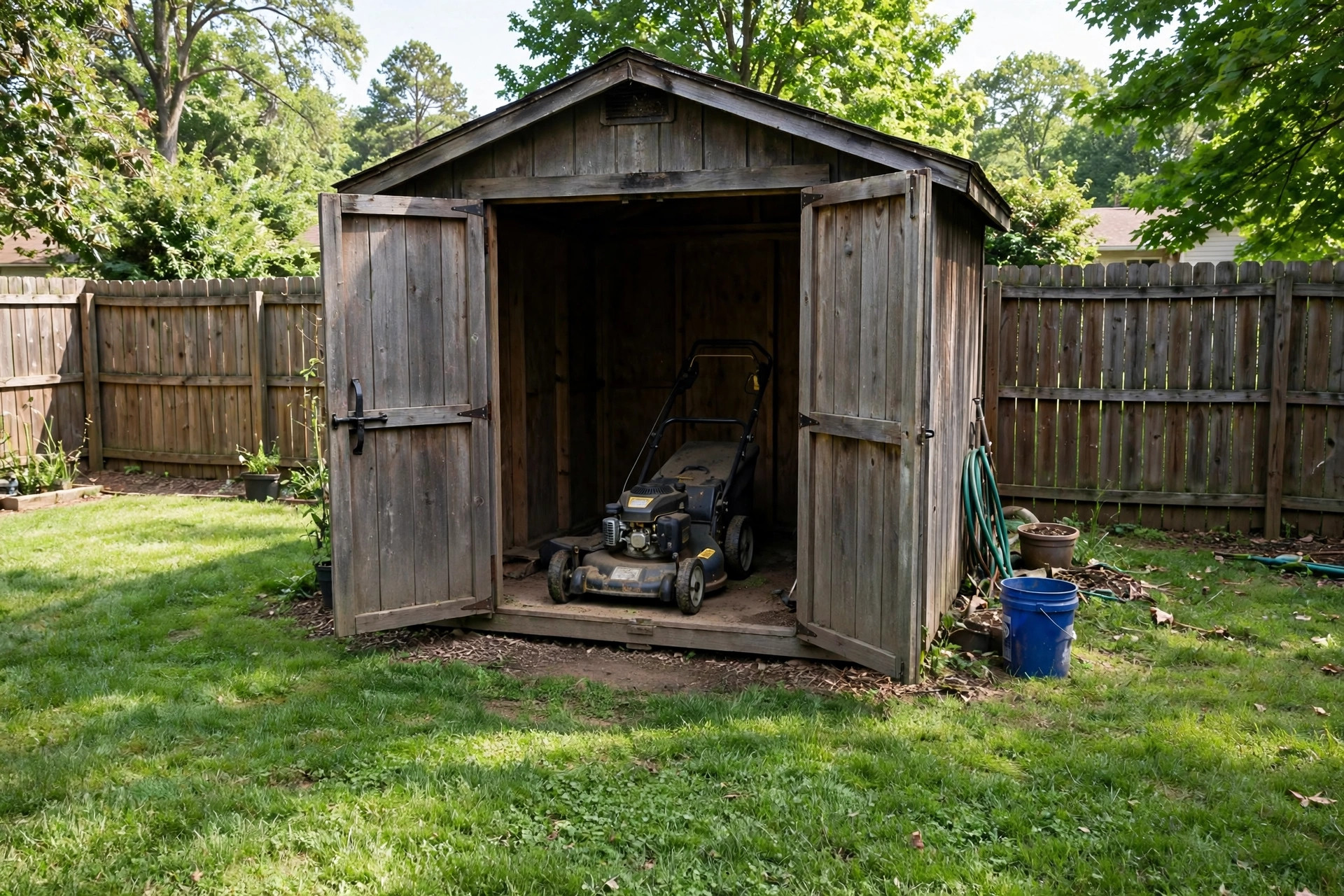

A lawn mower is a large machine. It takes up space. It costs a good sum of money. Many owners keep it in the garage. That plan works for a while. Then the garage fills with cars, bikes, and tools. The mower moves outside. Rain falls on it. Sun beats down on it. Thieves can see it. A good shed solves all of this. This guide will help you find the best outdoor storage shed for mowers. It covers size, material, price, and care. It also answers common questions. By the end, you will know what to buy.
Why a Mower Deserves Its Own Shed
A mower lives a hard life. It cuts grass in heat and dust. It throws clippings and small stones. When the job is done, it deserves a dry home. Water is the main enemy. Rain gets into the engine. It rusts the deck. It rots the air filter. A shed keeps rain off. It also blocks morning dew, which does the same damage as rain over time.
Sun hurts a mower too. Direct sun fades paint. It cracks rubber tires and hoses. It dries out plastic parts. A shed gives shade. That alone can add years to the life of the machine.
Security is the third reason. A mower sitting in the open is easy to steal. A shed hides it from view. A locked door makes theft harder. Many owners also store fuel, oil, and blades in the shed. Those items need safe keeping as well.
There is also a simple matter of order. A mower left on the lawn looks bad. It takes up play space. Children and pets trip near it. A shed keeps the yard neat. It keeps walkways clear. It makes the whole property look cared for.
Finally, a shed helps with upkeep. When the mower has a set home, you will check it more often. You will notice a flat tire. You will see a dirty filter. Small tasks get done on time. The mower starts easier in spring. Repair bills stay low.
What to Look For Before You Buy: Best Outdoor Storage Shed for Mowers
The best outdoor storage shed for mowers is not always the largest or the most costly one. It is the one that fits your machine, your yard, and your budget. Think through these points before you shop.
Get the Size Right
Measure your mower first. Measure the length, the width, and the height. Add at least two feet of room on each side. You need space to walk around the machine. You need room to open the door wide. You also need space for a gas can, oil, and a few tools.
A small walk-behind mower fits in a shed as small as four by six feet. A riding mower needs much more. Many riding mowers need a shed that is at least eight by ten feet. If you have a riding mower buyers guide in your reading list, check the size of the deck. Wide decks need wide doors. When in doubt, buy one size larger. No owner ever said a shed was too big. Many owners said it was too small.
Pick the Right Material
Sheds come in three main materials. Each has strong points and weak points.
Plastic, or resin, sheds are light and easy to build. They do not rust. They do not rot. They need little care. A resin shed is a fine choice for most yards. Look for thick walls. Thick walls stand up to wind and sun better than thin ones.
Metal sheds cost less. They are strong for the price. They can last many years. But cheap metal dents easily. Some metal sheds rust at the screws and seams. If you choose metal, pick one with a rust-resistant coating. Keep it off wet soil.
Wood sheds look the best. They match the house. They can be painted any color. Wood is strong and easy to repair. But wood needs care. It must be sealed or painted, since termites and rot are real risks in damp areas.
Do Not Forget the Floor
Many sheds ship without a floor. That is a problem for a mower. A mower is heavy. It will sink into soft ground. Water will pool under it. Buy a shed with a floor, or build one. A simple base of gravel with pressure-treated boards works well. A concrete slab is the best base. It stays level. It keeps water out. Whatever you choose, make the floor level. A level floor lets the mower roll in and out with ease.
Air Flow Matters
A closed shed gets hot in summer. Heat and damp air cause rust. Look for vents in the walls or the gable. Vents let warm air out. They let fresh air in. Some sheds have a small window. A window gives light for repairs. If the shed has no window, add a battery lamp. Good light makes oil changes and blade work much safer.
Doors and Locks
The door must be wide enough for the mower. Double doors work well for riding mowers. Check the door height too. Roll bars and high seats need clearance. If your area has high theft, add a lock bar across the doors. Chain the mower to a floor anchor as a second step.
Types of Outdoor Storage Sheds for Mowers
Shoppers will see many shapes and names. Most fit into a few clear types.
The small garden shed is the most common. It is four to six feet wide. It holds one walk-behind mower and a few tools. It fits in a corner of a small yard. This is the right pick for a push mower or a self-propelled mower deals machine.
The mid-size shed runs six by eight to eight by ten feet. It holds a riding mower or a large walk-behind. There is room for fuel cans, a trimmer, and hand tools. This size suits most suburban homes.
The large shed or small barn is ten feet wide or more. It holds a riding mower, a cart, and full yard gear. Large yards need this size. Farms and acre lots often choose it. If you run a robot mower for smaller lawns, you may not need this much room. The charging dock for a robot mower fits in a small corner.
There are also lean-to sheds. These attach to a wall of the house or garage. They use less material. They cost less. But check local rules first. Some towns do not allow sheds to touch the house. Some require a setback from the lot line.
Vertical sheds are tall and narrow. They suit push mowers stored on end. Not all mowers can stand on end, so check the maker rules first. Oil and fuel can leak if the machine tips the wrong way.
Cost and Price
A small resin shed often runs from 200 to 500 dollars. A mid-size metal shed runs from 300 to 800 dollars. A large wood shed can run from 1,000 to 3,000 dollars or more. A concrete base adds 100 to 500 dollars.
Do not judge by price alone. A 250-dollar shed that lasts three years costs more per year than a 600-dollar shed that lasts fifteen. Read product reviews before you buy. Sites like Consumer Reports test outdoor storage products and give plain ratings. Their tests can save you from a weak design.
Think about total cost. Include the base, the lock, and any shelves. Include delivery if the shed is large.
How to Set Up the Site
A good shed on a bad site will fail. Pick a level spot. Water should drain away from the shed, not toward it. Do not put the shed in a low corner where rain pools. Keep it a short walk from where you mow. If the shed is far away, you will stop using it.
Check the rules in your town. Many towns limit shed size. Many require a permit for large sheds. Some have rules about how close a shed can sit to a fence or a street. A quick call to the town office saves trouble later. Homeowner groups may have rules too. Check those before you dig.
Build a firm base. Mark the outline of the shed. Dig out grass and soft soil. Lay landscape cloth. Add four to six inches of gravel. Pack it firm and level. Set the shed on the gravel. For a wood floor, lay pressure-treated timbers on the gravel first. For concrete, pour a slab that is slightly larger than the shed. Let it cure before you build.
Leave space around the shed. You need room to open doors fully. You need room to walk with the mower. Two to three feet on each side is enough. Keep bushes cut back. Bushes hold damp air against the walls and can hide pests.
Care and Upkeep of the Shed
A shed needs some care each year. The work is small. It keeps the shed sound.
In spring, sweep the floor. Look for signs of mice. Mice chew wires and build nests in air filters. Set traps if you see droppings. Check the roof for leaks. Tighten loose screws. Oil the door hinges so they swing free.
In summer, check air flow. Open vents. Make sure nothing blocks them. If the shed gets very hot, add a second vent high on the wall. Heat rises. A high vent lets it out.
In fall, clean the gutters if the shed has them. Clear leaves from around the base. Leaves hold water. Water rots wood and rusts metal. This is also the time to get the mower ready for winter. Mower makers give clear steps for storage. Toro and John Deere both publish seasonal care guides on their sites. Follow the guide for your brand.
In winter, brush snow off the roof. Heavy snow can bend a light roof. Check the lock after ice storms. A little de-icer keeps a jammed padlock working.
Every few years, reseal a wood shed. Touch up paint where it peels. On a metal shed, sand rust spots and paint them with rust-proof paint.
Safety in and Around the Shed
A shed holds fuel, oil, and sharp blades. Treat it with care.
Store gas in an approved can. Keep the can on the floor, not on a high shelf. Keep it away from heat. Never smoke near the shed. Wipe up spills at once. Gas fumes can build up in a closed shed. Open the door for a minute before you start work inside.
Keep oil and chemicals in sealed cans. Label each can. Keep them out of reach of children. Lock the shed when you are done.
Blades are sharp even when dull. Wear gloves when you handle them. Store spare blades flat on a shelf. Do not leave them on the floor where feet can find them.
Engine care matters for safety too. Briggs and Stratton makes engines used in many mowers. Their site gives clear steps for winter storage and spring start-up. A clean engine starts easier. It runs cooler. It is less likely to backfire or stall.
Anchor the shed if wind is strong in your area. A light shed can lift in a storm. Anchor kits bolt the shed to the ground or to a concrete base.
Frequently Asked Questions
How big a shed do I need for a riding mower? Most riding mowers need a shed at least eight by ten feet. Measure your mower first. Add two feet on each side for walking room. Check the door width. The mower deck must pass through with room to spare. High seats and roll bars need tall doors.
Can I store a mower in a shed without a floor? You can, but it is not wise. A mower is heavy. It sinks into dirt. Water pools under it. Rust starts fast. A gravel base with boards is the least you should do. A full floor or a concrete slab is much better.
Is a plastic shed strong enough for a mower? Yes, if it is a good one. Thick resin walls hold up well. Look for a shed rated for heavy use. Check that the floor can bear the weight of a riding mower. Thin, cheap sheds may bow under the load. Read reviews before you buy.
How do I keep mice out of the shed? Seal gaps at the base. Steel wool fills small holes well. Keep the floor clean. Do not store grass seed or pet food in the shed. Mice love both. Set traps in fall when mice look for warm homes. Check the mower air filter in spring for nests.
Should I drain the fuel before winter storage? Most makers say yes, or say to add fuel stabilizer. Old gas gums up the carburetor, which is the top cause of spring start problems. Check your owner manual for the exact steps.
Do I need a permit for a storage shed? It depends on your town and the shed size. Small sheds often need no permit. Large sheds often do. Call your town office before you buy. It takes ten minutes and can save a fine.
A Short Final Word
The best outdoor storage shed for mowers is the one that fits your machine and your yard. Measure first. Pick strong walls. Build a firm base. Add a real lock. Give the shed a little care each year. Your mower will start easier. It will last longer. It will look better. A dry, locked home is the cheapest repair plan a mower owner can buy.
References
Toro. (n.d.). Lawn mowers and yard equipment. https://www.toro.com Deere & Company. (n.d.). Lawn care equipment. https://www.deere.com Briggs & Stratton. (n.d.). Small engines and outdoor power equipment. https://www.briggsandstratton.com Consumer Reports. (n.d.). Product reviews and buying guides. https://www.consumerreports.org
Was this guide helpful?

About James Carter
The My Garden US editorial team writes practical, in-depth home and garden guides for American homeowners — tested advice, no fluff.
You May Also Like
Best Reel Mower for Small Lawns: A Plain Guide to Choosing and Using One
July 21, 2026 0 views
Best Moss Killer for Shaded Lawns: What Works and How to Use It
March 26, 2026 0 views
Crabgrass Killer for Lawns Reviews: A Homeowner’s Guide
January 30, 2026 0 views