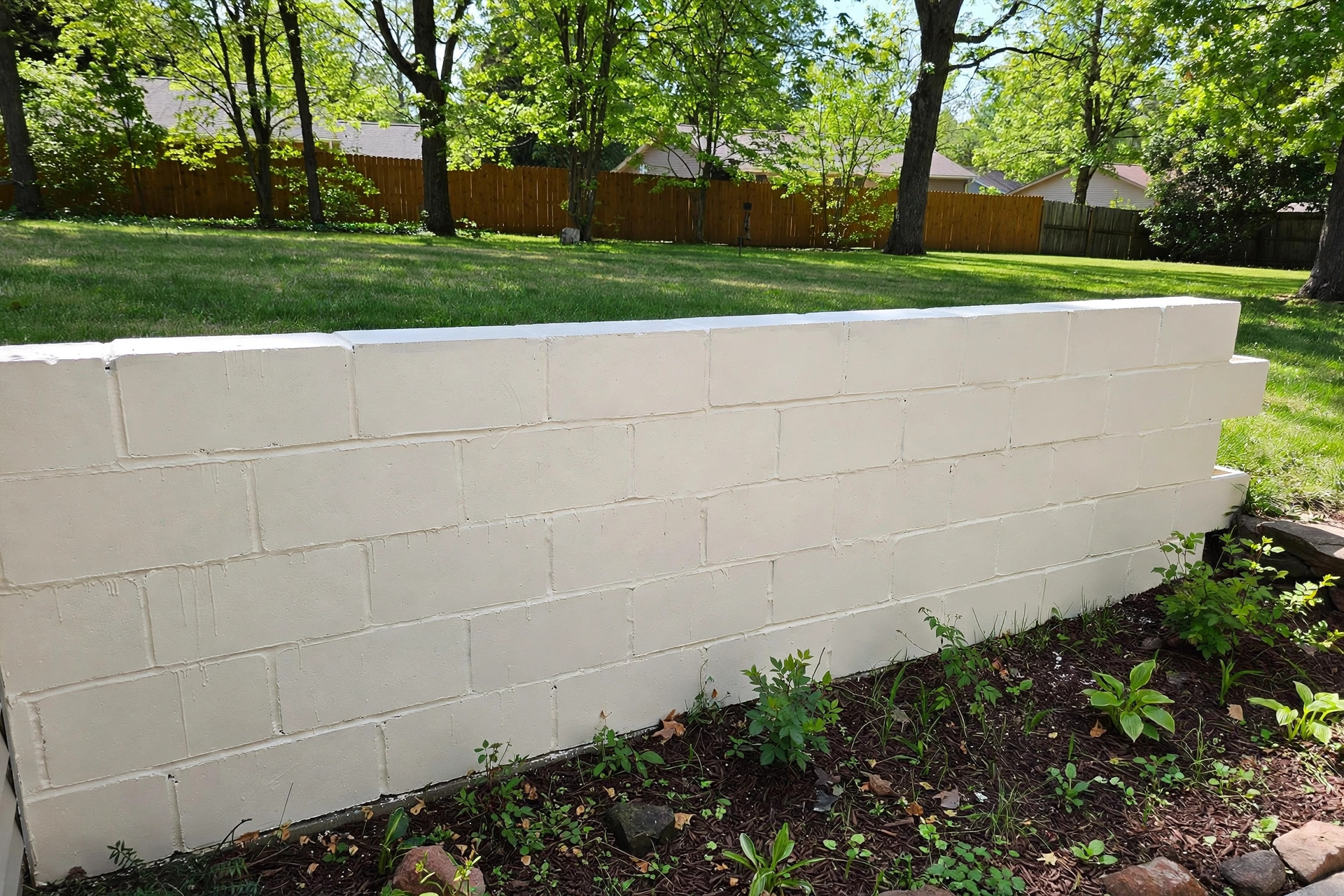

Concrete block walls show up everywhere in American homes. They form basement walls, garden walls, garage walls, and foundation walls. Painted well, they look clean and hold up for years. Painted badly, they peel, flake, and let moisture through. That is why the search for the best paint for concrete block walls usa matters. The wrong paint wastes money and time. The right paint protects the masonry and gives a neat finish that lasts.
The needs of concrete block are different from drywall or wood. Block is porous. It drinks in water and lets vapor pass through. A regular interior paint will not bond well to it. It will bubble and peel within a year or two. You need paint made for masonry. You also need the right primer and the right preparation. This guide walks through all of it in plain steps.
Why Concrete Block Walls Need the Right Paint
Concrete block, also called cinder block, is made of cement and aggregate. Its surface is full of tiny holes. These pores pull in rain, ground water, and humid air. In a basement, moisture can push through from the soil side. On an outside wall, driving rain can soak in.
When water moves through painted block, pressure builds under the paint film. This is called vapor drive. It is the main reason paint peels off block walls. Ordinary latex house paint cannot handle it. Masonry paint is made with stronger binders and better breathability. It sticks to the rough surface and lets some vapor escape without breaking.
There is another problem. Concrete is alkaline when new. High alkalinity can burn or discolor cheap paint. Good masonry paints resist alkali. If the wall is new concrete, let it cure for about a month before painting. A month of cure time drops the pH to a safe range.
Look at what people often read before they start. Guides to porch and patio paint buying cover similar masonry surfaces. They stress the same point: prep and product choice decide the result.
Color choice matters too. Light colors reflect heat and make small spaces feel larger. A white or light gray wall can brighten a dark basement. Dark colors hide stains better on exterior garden walls but fade faster in strong sun. Whatever color you pick, buy a small sample first. Paint a test patch on an out-of-the-way corner. Check it in daylight and at night before you commit to the whole wall.
How to Choose the Right Product: Best Paint for Concrete Block Walls Usa
Start by asking where the wall stands. Inside or outside? Above grade or below grade? A basement wall below grade faces ground water pressure. An exterior garden wall faces sun, rain, and frost. Each case points to a different product.
Preparation Comes First
No paint can fix a dirty or damp wall. Preparation is half the job.
First, clean the wall. Sweep off dust and cobwebs. Scrub off dirt and loose paint with a stiff brush. For heavy mildew, use a mildew cleaner and rinse well. Many project guides at This Old House and Bob Vila begin with cleaning for good reason. Paint will not bond to a dirty surface.
Next, check for cracks. Fill small cracks with concrete patch or masonry caulk. Let the patch cure as the label directs. If you see white powdery stains, that is efflorescence. It is mineral salts pushed out by water. Brush it off and rinse. It will return if water keeps coming through, so treat the water source when you can.
Then, let the wall dry. Paint should only go on a dry wall. A simple test helps. Tape a small square of plastic to the wall for a day. If water beads under the plastic, the wall is too damp to paint.
Pick a Masonry-Specific Paint
Read the label. It should say it is made for concrete, block, stucco, or masonry. If it only says wood and drywall, put it back. Good sources for product research include Sherwin-Williams, Behr, and Benjamin Moore. Each makes masonry lines with alkali resistance and strong adhesion.
Use a Primer or Block Filler
Block walls are rough and porous. A heavy primer, called block filler, fills the small holes and gives the topcoat a smooth base. One coat of block filler can save you two coats of paint. For interior basement walls, pair the filler with a moisture-resistant topcoat.
Types and Options
Three main types of paint suit concrete block. Each has strengths and limits.
Elastomeric Masonry Paint
Elastomeric paint is the heavyweight choice for exterior block. It goes on thick. It bridges hairline cracks and stretches as the wall expands and contracts with heat and cold. It is one of the best options for above-grade exterior walls in harsh climates.
The thick film also sheds water well. But it needs many small coats rather than one heavy coat. Read the spread rate on the label. Expect lower coverage than ordinary paint. The Home Depot and Lowe’s both carry elastomeric lines and often list real customer reviews with photos.
Acrylic Latex Masonry Paint
Acrylic latex masonry paint is the most common pick for the best paint for concrete block walls usa shoppers. It is easier to apply than elastomeric. It breathes better, which matters in basements where vapor must escape. It cleans up with water. It comes in many colors and finishes.
For interior block walls and many exterior walls, a high-quality acrylic latex masonry paint over block filler gives a fine result. It is also the easiest type to touch up later.
Epoxy and Special Coatings
For garage floors and basement floors, epoxy kits are the standard. If your project extends to the floor, reading garage floor epoxy coating kit reviews will help you compare two-part kits. For walls only, epoxy is overkill and harder to apply.
For below-grade basement walls that stay damp, look for waterproofing masonry coatings. These are thick, cement-like coatings that resist water pressure. They are not ordinary paint. Follow the maker’s directions closely.
Cost and Price
Painting a concrete block wall costs less than most people expect. The main costs are paint, primer, and tools.
A gallon of quality masonry paint in the United States often runs between 35 and 70 dollars. Elastomeric paint costs more per gallon but covers cracks that cheaper paint cannot. Block filler primer runs about 25 to 50 dollars per gallon. Rollers with thick nap, brushes, and a paint tray add perhaps 30 dollars.
A typical 10 by 8 foot wall needs about one to two gallons of primer and two gallons of topcoat for two coats. That puts a single wall at roughly 150 to 250 dollars in materials. Larger jobs bring the per-square-foot cost down. Two coats are the norm. One coat looks thin and uneven on rough block. Two coats give full color and full protection. Budget for both coats from the start.
Labor is the bigger variable. Hiring a painter can double or triple the total. Do-it-yourself saves that cost but takes a weekend. The Spruce and HGTV publish cost guides that break down paint jobs by room and surface. Use them to sanity-check any contractor quote.
Care and Upkeep
A good paint job on block should last five to ten years outside and longer inside. Simple upkeep extends that life.
Inspect the wall each spring. Look for chips, cracks, and peeling spots. Small damage is easy to fix when it is small. Scrape the loose paint, spot-prime, and touch up with the same paint you used before. Keep the leftover can sealed in a cool place. Note the color name on the lid.
Keep water away from the wall. Grade soil so rain runs away from foundation walls. Keep gutters clean. Move sprinklers so they do not hit the wall daily. Water is the enemy of every paint job on masonry.
Wash exterior walls once a year with a garden hose. Do not use a pressure washer at close range. High pressure can force water behind the paint film and lift it off.
Trim bushes and vines that touch the wall. Plants hold moisture against the paint and give mildew a place to grow. A gap of six inches between plants and the wall lets air move and keeps the surface dry.
Safety
Painting block walls is safe work if you take basic care.
Work in fresh air. Open windows and doors when painting inside. If you use solvent-based products, wear a respirator rated for organic vapors. Even with latex paint, good airflow keeps fumes low.
Wear gloves and eye protection when cleaning with mildew removers or acids. Efflorescence removers can irritate skin. Read every label before you mix or apply anything.
On ladders, keep three points of contact. Do not stretch past your reach. Move the ladder instead. Keep children and pets out of the work area until the paint is dry. Store paint and chemicals up high and locked away.
Frequently Asked Questions
Can I paint concrete block walls without primer? You can, but the result will not last. Block is too porous. Primer or block filler seals the pores and gives the topcoat something to grip. Skip it only if the paint label clearly says it is a self-priming masonry product.
What finish should I choose for basement block walls? A flat or eggshell finish hides surface flaws well. Satin finishes wipe clean more easily, which helps in laundry rooms and workshops. Avoid high gloss on rough block. It shows every bump.
How do I paint a block wall that has old peeling paint? Scrape off all loose paint with a wire brush or scraper. Sand rough edges. Clean and let dry. Spot-prime bare areas with masonry primer. Then apply two topcoats. Old paint that still grips well can stay.
Is elastomeric paint worth the extra cost? For exterior walls with hairline cracks, yes. It bridges cracks that ordinary paint cannot. For smooth interior walls, a good acrylic latex masonry paint is enough and costs less.
Can I use the same paint inside and outside? Some masonry paints are rated for both. Check the label. Exterior exposure demands UV resistance and weather tolerance that interior paint lacks. When in doubt, buy the exterior-rated product for outside walls.
Where do limewash looks fit in? Limewash gives an old-world, chalky look on brick and block. It is a style choice, not a protection choice. If you like the look, see where to buy limewash paint in the usa for sources. It will not waterproof a basement wall the way masonry paint does.
A Final Word
Finding the best paint for concrete block walls usa is really about matching the product to the wall. Clean the surface. Fix the cracks. Dry the wall. Use a masonry primer. Then apply a paint made for block. Follow those steps and the finish will look sharp and stay put for years. Take your time with preparation. It is the quiet step that decides everything. A clean, dry, well-primed wall rewards every brush stroke you lay on it.
References
Behr. (n.d.). Paints, primers, and stains. https://www.behr.com Benjamin Moore. (n.d.). Paints and stains. https://www.benjaminmoore.com Bob Vila. (n.d.). Home improvement advice. https://www.bobvila.com HGTV. (n.d.). Home and garden ideas. https://www.hgtv.com Lowe’s. (n.d.). Home improvement products. https://www.lowes.com Sherwin-Williams. (n.d.). Paints and coatings. https://www.sherwin-williams.com The Home Depot. (n.d.). Home improvement products. https://www.homedepot.com The Spruce. (n.d.). Home and garden advice. https://www.thespruce.com This Old House. (n.d.). Home renovation guidance. https://www.thisoldhouse.com
Was this guide helpful?

About Michael Thompson
The My Garden US editorial team writes practical, in-depth home and garden guides for American homeowners — tested advice, no fluff.
You May Also Like
Best Degreaser Before Painting Cabinets: A USA Buyer’s Guide
May 2, 2026 0 views
Picture Frame Molding Installation Cost USA: A Complete 2026 Price Guide
February 10, 2026 0 views
Best Welcome Mat for Painted Porch USA
September 23, 2026 0 views