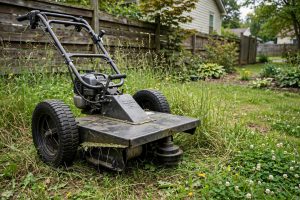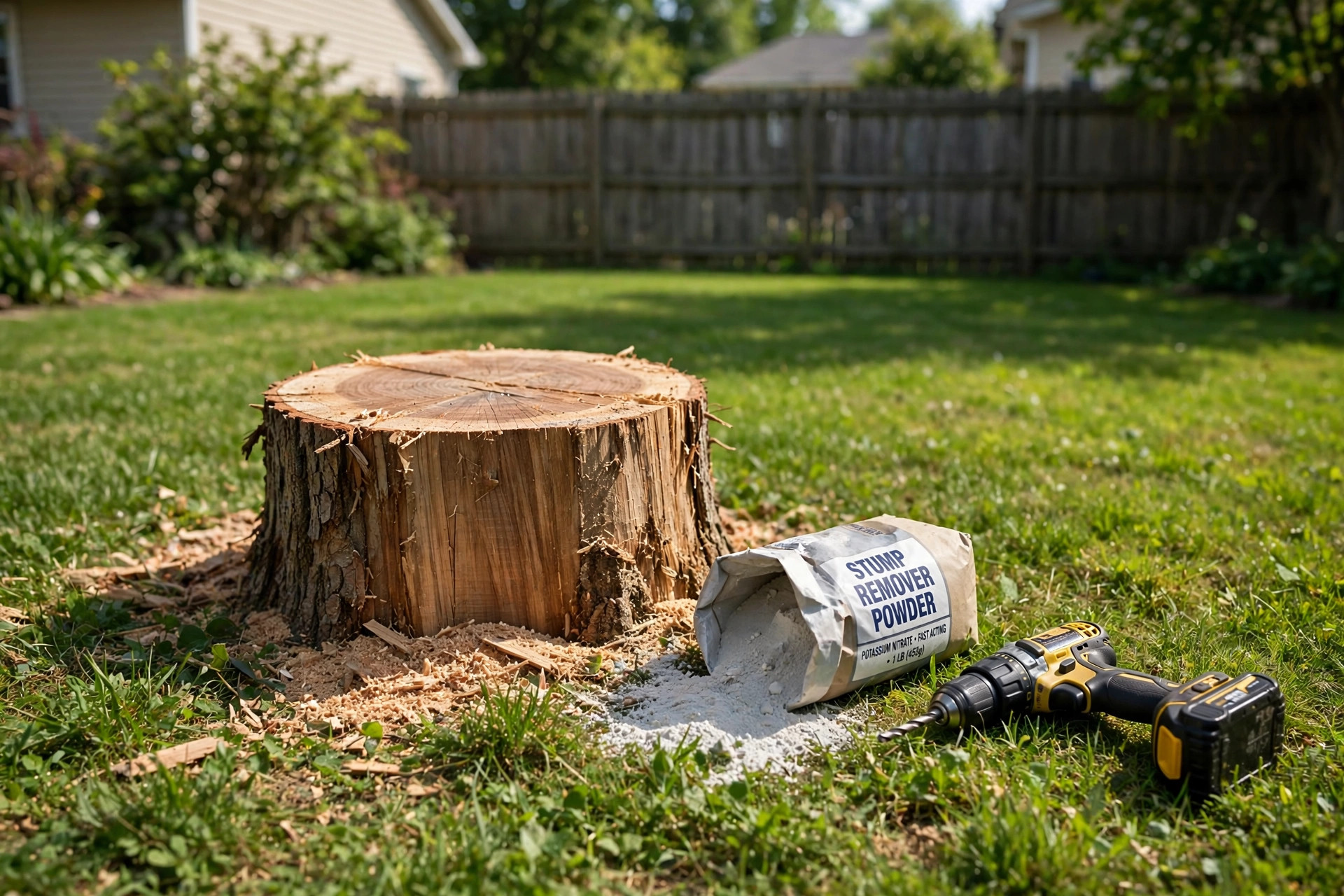

When a tree comes down, the stump stays behind. It sits in the yard for years. It gets in the way of the mower. It can grow weeds and moss. Some homeowners want it gone fast. This is where stump killer for tree stumps reviews come in. A stump killer is a chemical product that rots the wood from the inside. It makes the stump soft so you can break it up or burn it out. Reviews from other buyers can tell you which products work and which do not. This article explains how stump killers work, what types exist, and how to read reviews with care. It also covers cost, safety, and care after use.
Why It Matters
A dead stump looks bad in a neat yard. It also takes up space where grass could grow. In some cases the stump starts to sprout new shoots. These shoots pull water and food from the ground. They can grow into a new tree where you do not want one. A stump can also rot on its own, but that can take ten years or more. Termites and ants may move into a soft, dead stump. They can spread from the stump to a fence or a shed.
A stump killer speeds up the rot. It feeds on the wood fibers and breaks them down. The stump becomes spongy over a few months. Then you can dig it out, chop it up, or let it break apart on its own. Reading stump killer for tree stumps reviews before you buy saves time and money. A good review tells you how long the product took to work. A bad review warns you when a product did nothing at all.
What to Look for When You Read Reviews: Stump Killer for Tree Stumps Reviews
Not all reviews are equal. Some are short and vague. Some are written by the seller. A helpful review has detail. Look for reviews that say how big the stump was. A stump eight inches wide is very different from a stump thirty inches wide. Good reviews also say what kind of tree it was. Hardwood stumps from oak or maple are harder to rot than pine or fir stumps.
Check how long the user waited. Some reviews are written one week after use. That is too soon. A real result needs at least two to six months. Look for reviews that describe the steps taken. Did the user drill holes in the stump? Did they pour the product and cover the stump with a tarp? Did they reapply after rain? These details matter. A product may fail because the user skipped a step, not because the product is bad.
Also look for reviews in your region. Stump killers work faster in warm, wet places. They work slower in cold, dry places. A review from a homeowner in Florida may not match your results in Ohio.
Types of Stump Killers
There are three main types of stump killer products on the market.
Potassium Nitrate Powders
These are the most common. The powder goes into holes drilled in the stump. It speeds up the natural rot. These products are cheap and easy to use. They take longer than other types, often four to six months. Most stump killer for tree stumps reviews praise them for being simple and safe to handle.
Triclopyr Liquids
These are brush killers. They soak into the stump and kill the root system. They work faster than potassium nitrate, often in a few weeks. They stop new shoots from growing. These are stronger chemicals. You must follow the label with care.
Copper Sulfate Products
These are sometimes sold as root killers for drains. Some buyers use them on stumps. They are less common for this job. Reviews are mixed. They can harm nearby plants if the chemical spreads in the soil.
How to Use a Stump Killer
The steps are simple but they matter. First, cut the stump as close to the ground as you can. A low stump has less wood to rot. Next, drill holes into the top of the stump. The holes should be about one inch wide and eight to ten inches deep. Space them a few inches apart. Some reviews suggest drilling holes around the sides of the stump too.
Pour the product into the holes as the label says. Do not use more than the label allows. More is not better. Fill the holes with hot water if the label tells you to. This helps the chemical soak in. Cover the stump with a tarp or a bucket. This keeps rain out and keeps the chemical in place. It also keeps children and pets away.
Check the stump once a month. The wood should start to soften and crack. If nothing changes after three months, you may need to reapply. Many stump killer for tree stumps reviews note that a second round made the difference.
Cost and Price
Stump killers are cheap compared to hiring a crew. A bag or bottle of potassium nitrate costs about fifteen to thirty dollars. Triclopyr products cost about twenty to forty dollars. One container treats several stumps.
Hiring a stump grinder costs about one hundred to four hundred dollars per stump. That is much more money. The grinder works in one day, but you must pay for the machine and the worker. A stump killer takes longer but costs far less. For a single stump in a back corner of the yard, the chemical route is a fair deal.
After the stump rots, you may need topsoil and grass seed. A bag of topsoil costs a few dollars. Grass seed for a small patch is also cheap. Plan for these small costs when you set your budget.
Care and Upkeep of the Area
While the stump killer works, keep the area clean. Pull weeds from around the stump. Do not plant flowers or vegetables right next to the stump. The chemical may reach their roots. Keep the tarp in place during rain and wind.
When the stump is soft, break it up with an axe or a mattock. Wear gloves and eye protection. Remove the loose wood and roots. Fill the hole with topsoil. Pack it down firm. Add grass seed and water it well. Keep the new seed moist for two weeks.
If you plan to mow the area, check that no roots stick up. Low roots can damage mower blades. You may want to learn where to buy lawn mower blades near me for your model before the grass grows back thick. A sharp blade gives a clean cut and keeps the new patch neat.
Safety
Stump killers are chemicals. They are safe when used as the label says, and they can be harmful when used wrong. Keep children and pets off the treated stump. Cover the stump so no one steps on it. Store the product in a dry place, out of reach of children.
Do not pour stump killer near ponds, streams, or wells. Some products can harm fish and water plants. Do not use stump killer on a stump near a tree you want to keep. The roots may be linked underground, and the chemical can travel.
Wear gloves when you handle the product. Wash your hands after use. If you drill into treated wood, wear a dust mask. Read the full label before you start. The label is the law for that product.
Reviews: Patterns Worth Trusting
When you read many reviews at once, patterns appear. Here are patterns that signal a good product.
First, many users report the same result. If twenty reviews say the stump was soft in five months, that is a good sign. Second, the reviews describe the same steps. When users follow the same steps and get the same result, the product is likely doing its job. Third, the reviews answer questions. Buyers who reply to other buyers and share tips add trust.
Patterns that warn you: all reviews are five stars with no detail. That can mean paid reviews. Many reviews say the product did nothing. That can mean a bad batch or a fake product. Reviews that only talk about fast shipping tell you nothing about how the product works on a stump.
Alternatives to Chemical Stump Killers
Some homeowners do not want chemicals in the yard. There are other ways to deal with a stump.
You can grind the stump. A rental grinder cuts the wood down below the soil in an hour. Some buyers check lawn dethatcher rental prices near me and then find that local rental shops also rent stump grinders. This is fast but loud and costly.
You can burn the stump. Drill holes, pour in kerosene or charcoal, and light it. Check local burn laws first. Many towns do not allow open burns. Fire is risky near houses and trees.
You can let nature take its course. Cover the stump with soil and mulch. Fungi and bugs will rot it over years. This is free but slow.
You can also dig the stump out by hand. For a small stump this works fine. For a large stump it is hard work and may take a full day.
FAQ
How long does a stump killer take to work?
Most products need three to six months. Potassium nitrate is the slowest. Triclopyr works faster, often in four to eight weeks. Cold weather slows all of them down.
Will a stump killer harm nearby trees?
It can, if the roots are joined underground. Trees of the same kind sometimes share root systems. Do not use a stump killer on a stump close to a tree you want to keep. Dig a trench between them if you must treat the stump.
Can I use a stump killer near my garden?
Keep chemicals away from garden beds. Use a tarp and follow the label. Do not treat stumps right next to vegetables or fruit trees.
Do I need to drill holes in the stump?
Yes, in most cases. Holes let the product soak deep into the wood. Without holes, the product sits on the bark and does little. A drill with a long bit is the best tool for the job.
What do I do with the wood after the stump rots?
Break it up and add it to a brush pile or a compost heap. Do not burn wood treated with triclopyr. Put triclopyr-treated wood in yard waste bags instead.
Are homemade stump killers worth trying?
Some people try salt, diesel, or vinegar. Salt can poison the soil for years. Diesel is a fire hazard and pollutes the ground. Vinegar does little on large stumps. Store-bought products are tested and safer for the soil when used as directed.
Keeping the Whole Yard in Shape
A stump is only one part of yard care. Once the stump is gone, the yard around it needs work too. Many homeowners use the time to look at their whole lawn plan. If your yard is large, you might compare the best riding lawn mower for one acre lots to see what fits your ground. For smaller yards, a robot lawn mower for half acre yards can keep the new grass trimmed without extra work. If the edges near the old stump grow thick weeds, a top rated string trimmer for thick weeds makes cleanup easy.
For bigger yard projects, maker guides can help. Toro offers lawn care tips and machine manuals on its site, which can help you plan mowing and cleanup around a treated stump (Toro). Deere also publishes lawn care guides for homeowners with large yards (Deere). If your mower needs service after a season of hard work, Briggs & Stratton has engine care guides for small lawn engines (Briggs & Stratton).
A Final Word
Stump killer for tree stumps reviews are a useful tool for any homeowner with a dead stump. Read reviews with care. Look for detail, honest time frames, and repeated results. Pick a product that fits your stump size and your tree type. Follow the label, drill the holes, and be patient. In a few months the stump will be soft enough to remove. Then fill the hole, plant new grass, and enjoy a clean yard.
References
Toro. (n.d.). Lawn mowers and lawn care. https://www.toro.com Deere. (n.d.). Lawn and garden equipment. https://www.deere.com Briggs & Stratton. (n.d.). Small engines and outdoor power. https://www.briggsandstratton.com
Was this guide helpful?

About Robert Taylor
The My Garden US editorial team writes practical, in-depth home and garden guides for American homeowners — tested advice, no fluff.
You May Also Like
How to Kill Nutsedge in Lawns: A Plain Guide for Homeowners
January 20, 2026 0 views
How to Edge Lawn With String Trimmer: A Plain Guide for Homeowners
January 29, 2026 0 views
How to Install a Landscape Lighting Transformer
April 30, 2026 0 views