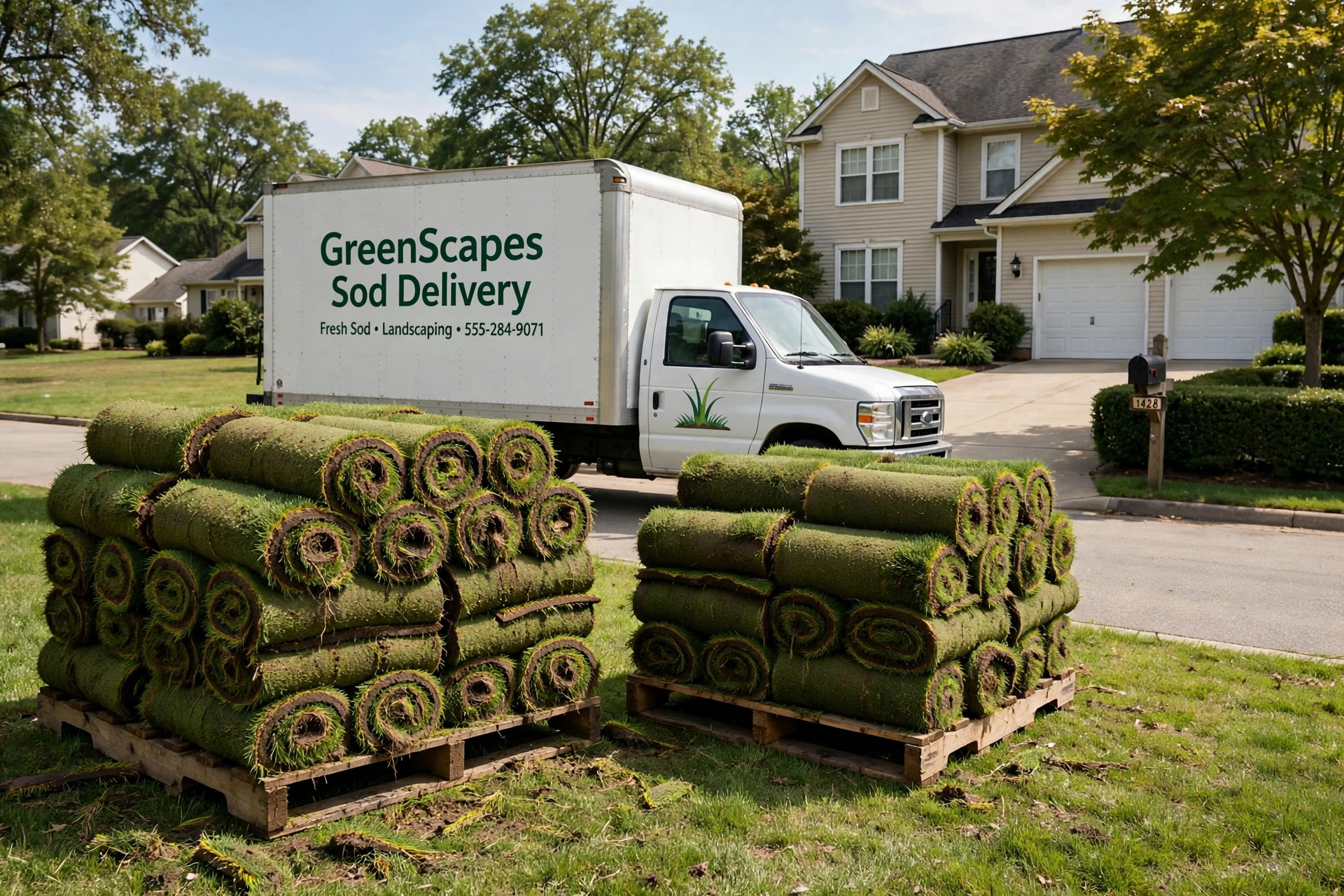

A bare patch of dirt is a hard thing to look at. Each day it sits open, weeds move in. Rain washes the soil away. Seed is one answer, but seed takes weeks and often fails in bad weather. That is why so many home owners search for affordable sod delivery near me prices before they call anyone. Sod gives you a finished lawn in a single day. It is grass that grew on a farm, cut into strips, and rolled up for your yard. The price has three parts: the sod itself, the delivery fee, and the labor if you do not lay it yourself. Once you know how each part works, you can compare quotes with a clear head and keep the total low.
Why It Matters
A lawn does more than look green. It cools the air around the house in summer. It gives children and pets a soft place to play. It holds the soil in place when heavy rain comes. A good lawn also raises the value of a home. Buyers notice a thick lawn the same way they notice fresh paint.
Sod matters because it works fast. Grass seed can take six to eight weeks to fill in. During that time you must water often and fight weeds. One hot week can kill a new seeding. Sod skips all of that. The roots knit into your soil in about two weeks. After three weeks you can walk on it like a normal lawn.
Delivery matters because sod is heavy and fragile. A single pallet of sod can weigh over two thousand pounds. You cannot haul that in a car. Sod also starts to dry out within hours of being cut. A local farm or supplier that delivers fresh sod the same day it is cut gives you the best start. Searching for affordable sod delivery near me prices means you are really searching for a supplier close enough to keep the grass alive on the trip.
How to Choose a Sod Supplier: Affordable Sod Delivery near Me Prices
Start With Local Farms
The cheapest sod usually comes straight from a sod farm. Farms cut in the morning and load trucks the same day. A farm within thirty miles of your home will often give the best price and the freshest grass. Search for the farm name plus your town. Read reviews from other home owners. Ask how soon after cutting the sod reaches your driveway. Fresh sod smells like cut grass and feels damp. Old sod smells sour and the edges turn brown.
Ask for the Price Per Pallet
Suppliers sell sod by the piece, by the roll, or by the pallet. A pallet often holds four hundred to seven hundred square feet of sod. Ask for the price per pallet, not just per roll. That number lets you compare one quote against another. Also ask what the pallet covers. Some rolls are ten square feet and some are five. A low price per roll can hide a small roll.
Check the Delivery Fee
Delivery fees change with distance. A supplier five miles away may charge fifty dollars. A supplier thirty miles away may charge one hundred fifty dollars or more. Some suppliers drop the delivery fee if you order five or more pallets. Ask about a forklift or truck bed placement too. Most trucks can set the pallet on your driveway. They cannot carry it around the side of the house.
Ask About Grass Type
Not every grass grows well in every place. In hot states, Bermuda and St. Augustine are common. In cool states, Kentucky bluegrass and fescue are common. The supplier should ask where you live and how much sun your yard gets. If they do not ask, be careful. Good advice saves you from buying grass that will die by August.
Types of Sod and Your Options
Bermuda
Bermuda loves heat and sun. It spreads fast and stands up to foot traffic. It goes brown in winter in cold areas and turns green again in spring. It is one of the least costly types.
Kentucky Bluegrass
Bluegrass gives the deep green look many people picture when they think of a lawn. It likes cool weather and full sun. It needs more water than some types. It often costs more per pallet.
Fescue
Fescue handles shade better than most grasses. Tall fescue stays green in cool weather and needs less water than bluegrass. It is a good pick for yards under trees.
St. Augustine
St. Augustine is common in warm coastal states. It likes heat and tolerates some shade. It does not stand up to heavy foot traffic as well as Bermuda.
Zoysia
Zoysia is a thick, slow-growing grass that crowds out weeds. It handles heat well and needs less mowing. The sod often costs more because it grows slowly on the farm.
When you compare affordable sod delivery near me prices, remember that the type of grass is a big part of the price. A cheap pallet of the wrong grass is no bargain at all.
Cost and Price
Here is how the numbers usually break down in 2026.
Sod alone often runs between thirty cents and eighty cents per square foot. A pallet of four hundred fifty square feet then costs between one hundred thirty five dollars and three hundred sixty dollars. Premium grasses like Zoysia sit at the high end. Common Bermuda sits at the low end.
Delivery adds fifty to two hundred dollars for most local trips. The fee climbs fast beyond twenty miles. Some farms charge a flat fee up to a set distance and then add a per-mile charge after that.
Installation, if you hire it, often doubles the cost. Crews charge one to two dollars per square foot to prepare the soil and lay the sod. Many home owners save this cost by laying the sod themselves. It is hard work but simple work. If you want help with the job, read how to lay sod in summer heat before you decide.
Soil prep is a cost people forget. You may need a load of topsoil, which runs thirty to sixty dollars per cubic yard delivered. A starter fertilizer costs ten to twenty dollars. A rented roller to press the sod flat costs about fifty dollars for half a day. Add these to your budget so there are no shocks.
To keep affordable sod delivery near me prices truly affordable, order in the spring or fall. Demand is high in early summer and prices rise with it. Order an extra five percent of sod for cuts and odd shapes. Running short in the middle of the job forces a second delivery fee.
Care and Upkeep
New sod needs water right away. Lay it on damp soil and soak it within thirty minutes of finishing each section. For the first two weeks, water one to two times a day so the soil stays moist to a depth of four inches. Push a screwdriver into the ground to test. It should slide in with ease.
After two weeks, cut back to deep watering two or three times a week. The goal is one inch of water per week from rain or the hose. Deep, less frequent watering makes roots grow down. Shallow daily watering keeps roots near the top, and the lawn suffers in dry spells.
Do not mow until the grass is at least three inches tall and the roots have set. Tug a corner of a roll. If it resists, the roots have taken. Set the mower high for the first cuts. Never cut more than one third of the blade at one time.
Wait about six weeks before feeding the lawn with fertilizer. A soil test tells you what the yard needs. Your county extension office often tests soil for a small fee. This simple step keeps you from buying the wrong product.
Keep off the new sod as much as you can for the first three weeks. Children and dogs should use a different area. Foot traffic presses the young roots away from the soil. You can learn more about keeping the rest of the yard neat in how to stop grass from growing in beds.
Safety
Sod work is physical. Pallets are heavy and the rolls are awkward. Lift with your legs, not your back. Wear gloves. Fresh sod can hide sharp stones and the soil can irritate skin.
Watch for heat. Summer sod jobs are hot by nature, and the grass must go down the same day it arrives. Drink water often. Rest in the shade every hour. Work in the morning when the air is cooler if you can.
Keep the sod out of the street and off the sidewalk where people walk. A pallet on a slope can slide. Store the rolls in the shade and lay them within twenty four hours of delivery. Sod left in the sun on a pallet can heat up and die in a single afternoon.
Machines need care too. A rented sod cutter or roller can hurt you if you rush. Read the short guide on the machine before you start. Keep children away from running equipment. Mower makers like Toro and Deere publish safety guides for their machines that apply to rented gear as well.
FAQ
How much does sod delivery cost near me?
Most home owners pay fifty to two hundred dollars for delivery on top of the sod price. The fee depends on distance and order size. Farms close to you charge less. Orders of five pallets or more sometimes earn free or reduced delivery.
How do I find truly affordable sod?
Buy direct from a sod farm and skip the middle man. Order in spring or fall when demand is low. Choose a common grass for your area instead of a premium type. Lay it yourself and share a truck or a delivery slot with a neighbor to split the fee.
How many pallets of sod do I need?
Measure your yard in feet, length times width, to get square feet. Subtract the house, driveway, and beds. Divide by the square feet per pallet that your supplier sells. Most pallets cover four hundred to seven hundred square feet. Add five percent extra for cuts and waste.
Can I lay sod myself to save money?
Yes. It is the single best way to keep the cost down. The job needs a flat, clean soil bed, a sharp knife or sod knife for cuts, and a roller to press the sod into the soil. A medium yard takes one long day for two people. The work is tiring but the steps are simple.
How long does new sod take to root?
Roots usually knit into the soil in ten to fourteen days in warm weather. Cool weather slows it down. You can check by lifting a corner of a roll. When it resists your pull, the lawn is rooting well.
Is sod better than seed?
Sod is faster and more sure. Seed is cheaper but needs weeks of care and good weather. For slopes and heavy clay, sod wins because it holds the soil from day one. For large areas on a tight budget, seed may be the better pick. For tree work around the same project, see affordable tree pruning service near me.
A Short Final Word
A new lawn does not have to break the budget. Compare affordable sod delivery near me prices by pallet, not by roll. Buy from a farm close to home. Lay the sod the same day it arrives and water it well. Do these simple things and your yard will be green before the month is out.
References
Briggs & Stratton. (n.d.). Power equipment and engines. https://www.briggsandstratton.com Deere. (n.d.). Agricultural and turf equipment. https://www.deere.com Toro. (n.d.). Lawn and landscape equipment. https://www.toro.com
Was this guide helpful?

About Lisa Anderson
The My Garden US editorial team writes practical, in-depth home and garden guides for American homeowners — tested advice, no fluff.
You May Also Like
Lawn Weed Identification Chart With Pictures: A Homeowner’s Guide
July 7, 2026 0 views
Best Cordless Pole Saw for Limbs: A Homeowner’s Guide
February 2, 2026 0 views
Hydroseeding Cost Per Square Foot USA: A Plain Guide for Homeowners
July 10, 2026 0 views