
Many gardeners ask about heirloom vegetable seeds where to buy usa sellers they can trust. The answer is good news. Dozens of reliable seed companies sell true heirloom vegetable seeds across the United States. They sell online and through garden centers. They ship to all fifty states. This guide shows where to look, what to check before you buy, and how to start your seeds well.
Why Heirloom Seeds Matter
Heirloom vegetables are open-pollinated varieties passed down for generations. Most are at least fifty years old. Many are much older. They were bred for flavor, not for long truck rides. That is why a Brandywine tomato tastes different from a store tomato. It was selected for taste in a home garden, not for a shipping box.
Heirlooms also give you seed freedom. You can save seeds from the best fruits each year. Next year you plant those seeds. They grow true to type. Hybrid seeds do not do this. Hybrids are crosses of two parents. Their saved seeds grow into mixed plants. With heirlooms, your garden improves over time. The plants adapt to your soil and your weather.
A third reason is variety. Seed catalogs offer hundreds of heirloom choices. You can grow purple carrots, striped beans, and black tomatoes. These colors and shapes rarely reach grocery shelves. Your garden becomes a living museum of American food history.
Finally, heirlooms support seed diversity. When growers buy and save old varieties, those varieties stay alive. Some famous heirlooms nearly vanished before gardeners brought them back. Your purchase helps keep that work going.
Where to Buy Heirloom Vegetable Seeds in the USA: Heirloom Vegetable Seeds Where to Buy Usa
The best place to start is a dedicated seed company. Several well-known American firms specialize in heirloom and open-pollinated seeds. Burpee has served American gardeners for more than a century. Its catalogs list many heirloom vegetables with clear growing notes.
Www.parkseed.com is another old American name. It sells a wide range of vegetable seeds, including heirlooms, and ships nationwide. Www.gurneys.com has sold seeds and nursery stock since 1866. Its catalog is a classic of American gardening mail.
Some growers prefer companies that focus almost entirely on heirlooms. These firms test germination in real field conditions. They describe each variety with care. They note days to maturity, disease resistance, and best growing regions. Read the variety descriptions before you order. Good sellers tell you the truth about weak points too.
Local garden centers and nurseries are the next best stop. Www.monrovia.com supplies quality nursery plants to garden centers across the country. Many local shops also stock heirloom seed racks in late winter. Buying locally has two advantages. You can ask the staff what grows well in your county. And the seeds on the rack were chosen for your region.
Farmers markets deserve a mention. Many market growers sell seed packets or started plants in spring. Some sell seeds they saved themselves. Ask the grower about the variety. Ask how it grew last year. You get advice along with the seeds. This is a fine way to find varieties that love your local climate.
Seed swaps and gardening clubs are another path. Members trade saved seeds for free or for a small fee. The seeds come with stories. You learn who grew them and how they tasted. Look for a club through your county extension office. Extension programs connected to Www.nifa.usda.gov often list local garden groups.
Big-box home stores carry seeds too. Their selection is smaller. It leans toward popular varieties. Still, the seeds are fresh and cheap. For a first garden, this is a fair starting point.
How to Choose a Good Seed Seller
Not every packet on the shelf is worth your money. Use these checks before you buy.
First, look for germination rates. Good sellers test each seed lot. They print or list the germination percent. A rate above 85 percent is strong for most vegetables. Carrots and parsley run lower by nature. If the seller hides this number, be cautious.
Second, check the pack date. Seeds lose life over time. Onion and parsnip seed fade in one year. Tomato and bean seed last several years. Buy the current season’s stock when you can. A 2026 pack is better than a 2024 pack.
Third, read the variety description. It should name the days to maturity. It should name the plant habit. It should warn about known problems. Vague copy like “great tasting tomato” says nothing. Specific copy like “indeterminate, 80 days, prone to cracking in wet weather” shows the seller knows the variety.
Fourth, look at seed counts. One packet may hold 30 tomato seeds. Another may hold 200. Compare prices by seed count, not by packet price. This matters most for small seeds like lettuce and carrots.
Fifth, check the company’s record. Long-running firms have reputations to protect. Read garden forum reviews. Ask neighbors. A seller that answers questions by phone or email is a good sign.
Sixth, confirm the shipping terms. Some firms ship only in planting season. Others ship all year. Check that they ship to your state. A few states have rules about certain seeds.
Types and Options to Know
Heirloom seed shopping gets easier when you know the basic terms.
Open-pollinated means the variety breeds true. Bees, wind, or self-pollination keep it stable. All true heirlooms are open-pollinated. Not all open-pollinated varieties are heirlooms. Some are newer varieties. They still breed true, which is what matters for seed saving.
Hybrid means a deliberate cross of two parents. Hybrids are marked F1. They often show strong vigor. But saved seed does not repeat the parent. If you want to save seeds, buy open-pollinated types.
Treated vs. untreated refers to seed coatings. Treated seeds carry a fungicide coat. Untreated seeds carry none. Organic growers must use untreated seeds. Many home gardeners prefer untreated seeds for food crops.
Pelleted seeds are coated in clay for easy handling. This helps with tiny seeds like lettuce. Pelleted seed costs more. It also stores for less time. Use it within the season.
Organic seed was grown on certified organic farms. It costs a bit more. Some gardeners value it. Others note that a conventionally grown seed still grows an organic garden. The choice is yours. If you also grow kitchen herbs, guides to Gurney’s Seed & Nursery Co can help you pick untreated options for the whole garden.
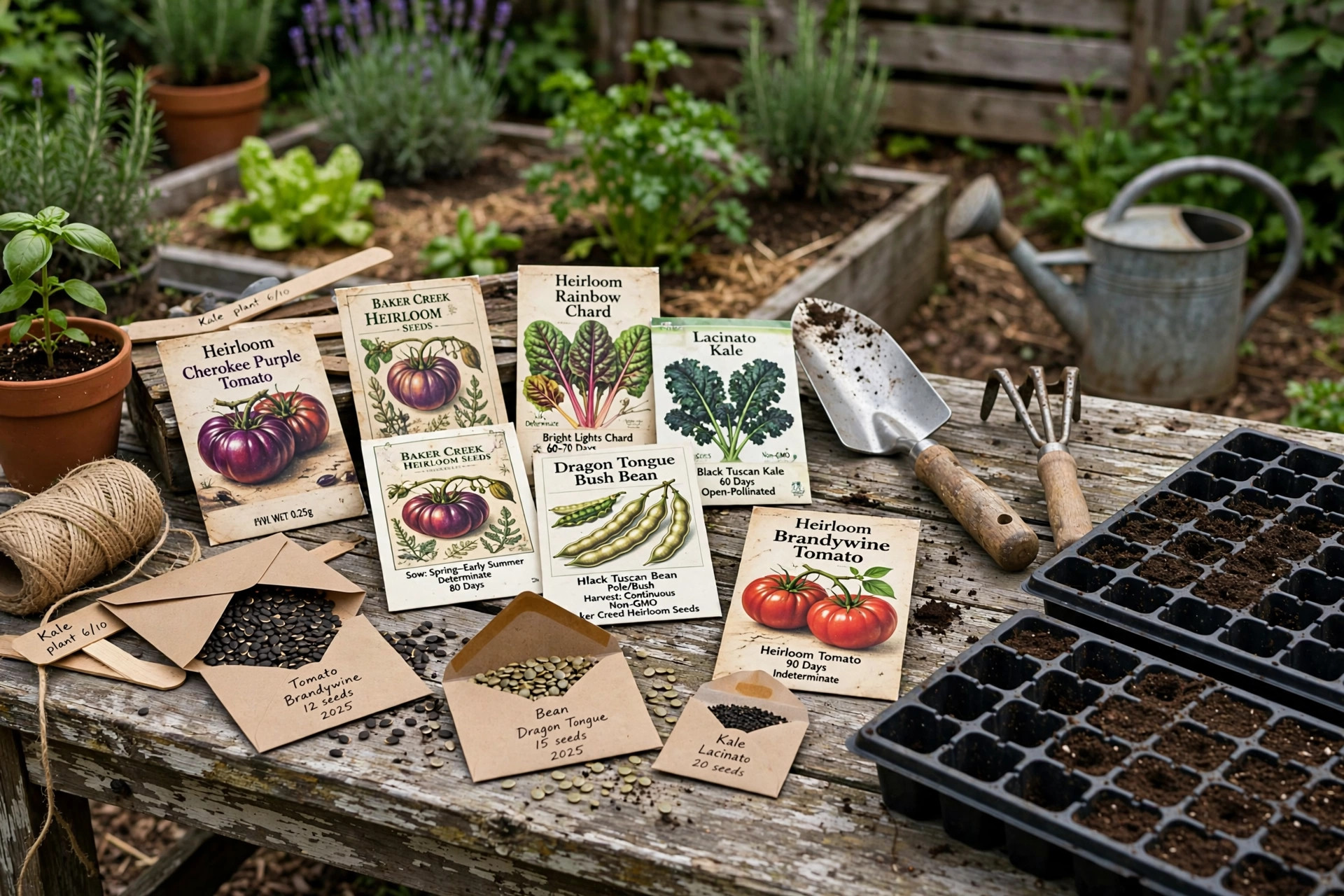
Common heirloom families include tomatoes, peppers, beans, squash, corn, lettuce, and carrots. Tomatoes lead the list. Hundreds of heirloom tomatoes exist. Cherokee Purple, Mortgage Lifter, and Amish Paste are famous for good reason. Peppers run second. Jimmy Nardello and California Wonder have loyal fans.
Beans are the easiest heirloom for beginners. They sprout fast. They ask for little care. Kentucky Wonder pole beans and Dragon Tongue bush beans rarely disappoint. Squash grows fast too, but it needs space. Give each hill four feet of room.
Cost and Price Guide
Heirloom vegetable seeds are one of the cheapest parts of gardening. A standard packet costs between two and five dollars. It holds enough seed for a home garden row. Some rare varieties cost six to eight dollars a packet.
Buying in bulk cuts the price. A quarter-pound of bean seed costs far less per seed than a small packet. Bulk buying makes sense for crops you plant heavily, like beans, peas, and corn.
Mail-order catalogs sometimes add shipping of four to six dollars. Order several packets at once to spread that cost. Many companies drop shipping fees above a set order total.
Started plants cost more. A six-pack of heirloom tomato seedlings may run five to nine dollars at a garden center. Seeds give you more plants for less money. They also give you more variety choices. But seedlings save time. Many gardeners do both. They start easy crops from seed and buy tomato and pepper seedlings.
Seed-saving cuts future costs to zero. One healthy tomato gives you hundreds of seeds. Dry them well. Store them cool and dark. They will plant next year’s garden for free.
Watch out for false bargains. A dollar packet with 20 percent germination is no bargain. A five-dollar packet with 95 percent germination is cheap. Always weigh germination and freshness against price.
Care and Upkeep: From Seed to Harvest
Buying good seeds is step one. Growing them well is step two. Heirlooms need the same basic care as other vegetables. A few points deserve stress.
Start with soil. Most vegetables want loose, rich soil with good drainage. Work in two to three inches of compost before planting. Test your soil pH if plants struggle. Most vegetables like a pH between 6.0 and 7.0.
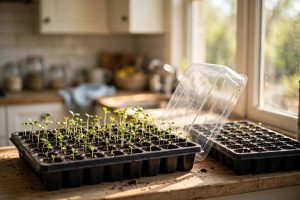
Time your sowing. The Www.almanac.com publishes planting calendars by zip code. Cool crops like peas and spinach go in early spring. Warm crops like tomatoes and peppers wait until after the last frost. Starting Park Seed indoors gives warm crops a head start of six to eight weeks.
Water deeply and less often. Shallow daily sprinkles make shallow roots. A deep soak twice a week builds strong plants. Mulch with straw or shredded leaves to hold moisture. Mulch also blocks weeds and keeps soil off leaves.
Feed lightly. Too much nitrogen makes leafy plants with few fruits. A balanced organic fertilizer at planting time is enough for most crops. Side-dress heavy feeders like corn and tomatoes once mid-season.
Watch for pests. Heirlooms were bred before modern sprays. Some lack disease resistance. Crop rotation helps. Do not plant tomatoes where tomatoes grew last year. Row covers block many insects. Pick off hornworms and beetles by hand.
Save seeds from your best plants. Choose the healthiest plant. Let one fruit ripen fully. For tomatoes, ferment the seeds in water for three days. Rinse and dry them. For beans and peas, let pods dry on the vine. Store all seeds in paper envelopes in a cool, dry jar. Label each with variety and year.
Companion planting helps too. Basil near tomatoes is a classic pairing. Marigolds near many crops repel some pests. If you grow Gurney’s Seed & Nursery Co beside carrots, each crop confuses the other’s pests. Small tricks like these add up.
Safety Notes
Seeds themselves are safe to handle. A few safety points still apply.
Wash your hands after handling treated seeds. The fungicide coating is not meant for skin. Keep treated seed packets away from children and pets. Store them where food is not kept.
Read every seed treatment label. Follow the directions. Do not plant treated seeds in a garden you call organic.
Some seed-starting mixes contain perlite dust. It irritates lungs. Dampen the mix before you open the bag. Work in fresh air when you fill trays.
Sun safety matters in the garden. Heirloom gardening means hours outdoors. Wear a hat. Use sunscreen. Drink water. Take breaks in the shade during midday heat.
Tool safety counts as well. Keep pruners sharp and clean. Sharp tools cut clean and slip less. Store tools out of reach of small children.
Finally, know your plants. A few ornamental plants are poisonous. Keep food crops and flower beds clearly apart if you grow both. Label everything you plant.
Frequently Asked Questions
What exactly makes a vegetable seed an heirloom?
An heirloom is an open-pollinated variety handed down for many years. Most definitions require at least fifty years of history. Some count only varieties from before 1951. The key traits are stable genetics and a history of home garden use.
Are heirloom seeds harder to grow than hybrids?
No. They need the same sun, soil, and water. Some heirlooms resist disease less well than modern hybrids. Pick varieties known to do well in your region. Good culture makes up for most of the difference.
Where can I buy heirloom vegetable seeds locally?
Check garden centers in late winter and spring. Ask at farmers markets. Look for seed swaps at libraries and garden clubs. Local sources often carry varieties proven in your area.
How long do heirloom seeds stay good?
It depends on the crop. Onion and parsnip seed last about one year. Corn and pepper seed last about two years. Bean and tomato seed last four to five years. Cool, dry, dark storage extends every type.
Can I save seeds from grocery store heirloom tomatoes?
You can try, but results vary. Store tomatoes are often picked green and ripened with gas. The seeds may be weak. Packet seeds from a known seller give a surer start.
Do I need special soil for heirloom vegetables?
No special soil is needed. Rich, loose, well-drained soil suits them. Add compost each year. Test pH every few years. That is enough for most heirloom crops.
A Short Final Word
The search for heirloom vegetable seeds where to buy usa growers can trust ends with a simple plan. Start with a respected seed company. Check germination rates and pack dates. Buy varieties suited to your region. Plant them in good soil with honest care. Save seeds from your best plants. Each year your garden grows more your own.
For extra reading, Www.provenwinners.com offers growing guides for many vegetables. The Spruce covers seed starting step by step. Www.whiteflowerfarm.com and Www.gardeningknowhow.com add more variety notes and tips. And Monrovia helps you find strong nursery plants when you want a head start. Happy planting.
Related guides on this site include heirloom vegetable seeds buying guide usa, organic herb seeds buying guide usa, and wildflower seed mixes buying guide usa.
References
Burpee. (n.d.). Seeds, plants, and gardening supplies. https://www.burpee.com Gardening Know How. (n.d.). Gardening guides and plant care. https://www.gardeningknowhow.com Gurney’s Seed & Nursery Co. (n.d.). Seeds, plants, and garden supplies. https://www.gurneys.com Monrovia. (n.d.). Plants for home gardens. https://www.monrovia.com National Institute of Food and Agriculture. (n.d.). Agricultural research and extension. https://www.nifa.usda.gov Park Seed. (n.d.). Seeds, plants, and gardening supplies. https://www.parkseed.com Proven Winners. (n.d.). Plants and gardening inspiration. https://www.provenwinners.com The Old Farmer’s Almanac. (n.d.). Gardening calendars and advice. https://www.almanac.com The Spruce. (n.d.). Home and garden advice. https://www.thespruce.com White Flower Farm. (n.d.). Plants, bulbs, and garden supplies. https://www.whiteflowerfarm.com Www. (n.d.). Home and garden information. https://www
Was this guide helpful?

About Michael Thompson
The My Garden US editorial team writes practical, in-depth home and garden guides for American homeowners — tested advice, no fluff.
You May Also Like
How to Grow Parsley: Fresh Herbs All Season
October 6, 2026 1 views
Lavender Seed Packets Buying Guide USA: How to Choose the Best Seeds for Your Garden
March 21, 2026 0 views
Dahlia Bulbs Bulk Florida Homes USA: A Simple Guide to Planting and Care
January 30, 2026 0 views