Many people search for monstera plants sale deals near me when they want to add a bold tropical plant to their home without paying too much. The monstera, with its large split leaves, has become one of the most loved houseplants in the country. Prices can range from a few dollars to well over one hundred dollars, so it pays to know where to look and what to check before you buy. This guide explains how to find good deals near you, how to judge the health of a plant, and how to keep your new monstera alive for many years.
Why Monstera Plants Matter to Indoor Gardeners
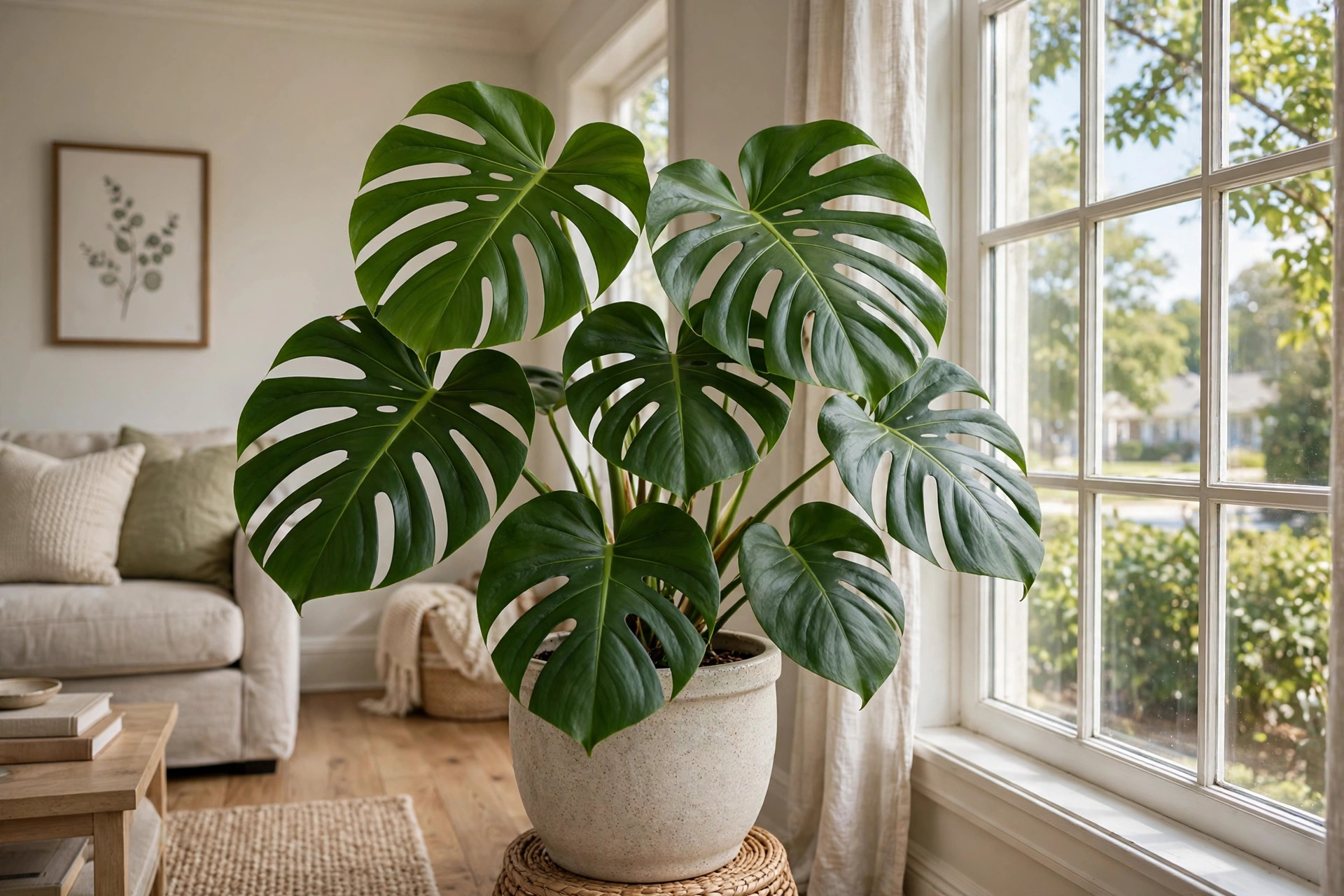
The monstera plant comes from the tropical forests of Central and South America. In the wild it climbs trees and grows large leaves with natural splits, called fenestrations. These splits give the plant its famous look. People also call it the Swiss cheese plant.
Few indoor plants make such a strong mark in a room. One well-grown monstera can fill an empty corner and change the whole feel of a space. It grows fast in good light and rewards simple care with large new leaves year after year. For these reasons, the search for monstera plants sale deals near me has grown year by year.
A monstera also teaches the basics of houseplant care. It needs bright light but not direct sun. It needs water only when the soil dries. It tells you when it is unhappy by yellowing leaves or brown edges. A new grower who learns these signs on a monstera will find most other houseplants easy to manage.
Where to Find Monstera Plants Sale Deals Near You: Monstera Plants Sale Deals near Me
Local Garden Centers and Nurseries
The best deals are often close to home. Local garden centers carry monstera plants in many sizes. A small starter plant in a four-inch pot often sells for ten to twenty dollars. A larger plant in a ten-inch pot may sell for forty to eighty dollars. Prices fall in spring when shipments arrive and demand is high.
Staff at a garden center can answer questions and show you new stock. Many centers hold sales in late winter and early fall when they clear space for new stock. Ask when shipments arrive. Fresh stock gives you the first pick of the best plants.
Big Box Stores and Home Centers
Large home centers sell monstera plants at low prices all year. A medium plant in a six-inch pot may sell for fifteen to twenty-five dollars. These stores buy in large volume, so prices stay low. The plants are sometimes kept in poor light, so check each plant well before you buy. Look for firm stems and green leaves without yellow spots.
Grocery Stores and Discount Shops
Grocery chains and discount stores sometimes stock monstera plants at surprise low prices. You may find a small monstera for under ten dollars near the floral section. These plants turn over fast, so stock is often fresh. Check the pot for proper drainage holes before you buy.
Local Plant Swaps and Clubs
Plant swaps are a fine way to get a monstera at little or no cost. Garden clubs and neighborhood groups meet each month to trade cuttings and plants. Many monstera owners are glad to share cuttings from their own plants. A rooted cutting can grow into a full plant within a year. Check community boards and local social media groups for swap events in your town.
Online Sellers with Local Pickup
Some online plant sellers let you order and pick up nearby. This gives you the choice of a local store with the stock of a larger seller. You can also read reviews of the plant you will get. Shipping a live plant costs money, so local pickup often saves ten to twenty dollars on the final price.
What to Look For When You Buy
A good deal is not always the lowest price. A cheap plant with weak roots will cost you more in time and care than a fair-priced plant that is strong from the start. When you search for monstera plants sale deals near me, take a few minutes to inspect each plant with your own eyes.
Leaves and Stems
Healthy monstera leaves are firm and deep green. Some leaves may be small and solid, which is normal on young plants. Splits appear as the plant matures. Avoid plants with many yellow leaves, brown crispy edges, or drooping stems. A few marks from shipping are fine, but the plant should stand upright and feel sturdy.
Roots and Soil
Gently lift the plant from its pot if the seller allows it. White or light tan roots are a good sign. Dark brown mushy roots point to rot. The soil should smell fresh and earthy. A sour smell means the plant has been kept too wet. A plant that is badly root-bound, with roots circling hard around the bottom, can still be saved, but it needs a new pot soon.
Pests
Check both sides of the leaves for tiny bugs, webbing, or sticky residue. Common pests on monstera include spider mites, mealybugs, and scale. A plant with heavy pest damage is not a bargain at any price. One or two pests can be treated, but pass on any plant that is badly infested.
Pot Size and Growth
A monstera sold in a small pot at a low price is often the best deal. You can repot it into a larger pot at home and watch it grow fast. Compare the plant to the pot. A plant that fills its pot with strong growth is worth more than a tall but thin plant in the same size pot.
If you are comparing similar indoor plants, a fiddle leaf fig buying guide can help you weigh care needs, while a pothos bulk buying guide shows how prices drop when you buy in volume. For a deeper look at pricing, see a monstera sale buying guide for what fair prices look like by pot size.
Types of Monstera You May Find on Sale
Most deals near you will be for the common monstera deliciosa. This is the classic form with large green split leaves. It is fast-growing and forgiving, which makes it the best choice for most buyers.
Monstera deliciosa borsigiana is a smaller form. It grows faster but stays more compact. It looks much like the standard form when young and is often sold under the same name.
Variegated monstera plants have white or cream patches on the leaves. They are rare and costly. Prices often run from one hundred to several hundred dollars. True deals on variegated forms are rare, so be careful with sellers who offer them at very low prices. Some are grown from seed and may lose their variegation as they grow.
Monstera adansonii is a smaller cousin with holes rather than splits in the leaves. It trails and hangs well. It often sells for less than the large deliciosa and is a good choice for shelves and hanging baskets. Monstera minima, also sold as rhaphidophora tetrasperma, is another small look-alike that sells at low prices.
Cost and Price Guide
Prices for monstera plants change with size, season, and place. Here is a plain guide to what you can expect to pay in most parts of the United States.
| Plant size | Common price range | |—|—| | Starter, 4-inch pot | 8 to 20 dollars | | Medium, 6-inch pot | 15 to 35 dollars | | Large, 8 to 10-inch pot | 40 to 90 dollars | | Specimen, 12-inch pot or larger | 90 to 200 dollars | | Rooted cutting | 5 to 15 dollars | | Variegated forms | 100 to 500 dollars or more |
Sales can cut these prices by twenty to fifty percent. Spring clearance and end-of-season sales are the best times to buy. Local growers at farmers markets often beat store prices and give better advice with the plant.
Shipping adds cost when you buy online. A plant that sells for twenty dollars may cost forty after shipping. This is why local deals matter. A plant bought near home costs less and arrives in better shape, with no stress from a long trip in a dark box.
Care and Upkeep After You Bring It Home
A good deal ends with a plant that lives. Monstera care is simple once you learn the few rules.
Light
Place your monstera in bright indirect light. A spot near an east or north window works well. A few feet back from a south or west window also works. Too little light gives small solid leaves with no splits. Direct hot sun burns the leaves and leaves brown patches.
Water
Water only when the top two inches of soil feel dry. Push your finger into the soil to check. When you water, soak the soil until water runs from the drainage holes. Empty the saucer so the pot does not sit in water. In winter, when growth slows, water less often.
Soil and Pot
Use a loose potting mix that drains well. A mix made for indoor plants with added perlite or bark works well. The pot must have drainage holes. Monstera roots rot in soggy soil, and no deal is worth a plant lost to rot.
Feeding
Feed once a month in spring and summer with a balanced liquid houseplant fertilizer. Use half the strength shown on the label. Do not feed in fall and winter when the plant rests. Overfeeding causes salt build-up in the soil and brown leaf tips.
Support and Pruning
As your monstera grows, it will want to climb. A moss pole or stake gives it support and helps it grow larger leaves. Tie stems loosely to the pole with soft ties. Trim dead or damaged leaves at the stem base. You can also trim long stems and root the cuttings in water to make new plants.
Good general plant care advice from trusted sources can help you avoid common errors. Gardening Know How offers clear how-to articles for houseplant problems, and the Old Farmer’s Almanac gives seasonal timing for repotting and feeding.
Safety Notes
Monstera plants are toxic to people and pets if eaten. The leaves and stems contain calcium oxalate crystals that cause mouth pain, swelling, and stomach upset. Keep the plant out of reach of small children and chewing pets. This is a real concern for homes with cats and dogs that chew plants.
Wear gloves if you have sensitive skin when you prune or repot. The sap can irritate skin in some people. Wash your hands after handling the plant. Store fertilizer and plant chemicals away from children and pets.
The United States Department of Agriculture’s research arm, the National Institute of Food and Agriculture, supports plant science that helps growers and home gardeners alike. Its work reminds us that plant care is both a craft and a science.
Frequently Asked Questions
How much should I pay for a monstera plant near me?
Most buyers pay eight to thirty-five dollars for a starter or medium plant. Large plants sell for forty to ninety dollars. If a seller asks more, the plant should be large, full, and free of pests. Compare prices at two or three local shops before you buy.
What time of year has the best monstera deals?
Spring brings the largest shipments and the most sales. Late winter clearance and fall end-of-season sales also bring low prices. Holiday weekends often bring store-wide plant sales at big box stores.
Can I grow a monstera from a cutting?
Yes. Take a stem cutting with at least one node, which is the small bump where a leaf or aerial root grows. Place it in water or moist soil. Roots form in two to four weeks. Many growers get free cuttings from friends or plant swaps, which is the lowest-cost way to start.
Why do some monstera leaves have no splits?
Young monstera leaves are solid. Splits, or fenestrations, appear as the plant matures and gets enough light. A young plant with solid leaves is normal and healthy. With bright indirect light and time, new leaves will show splits.
How do I know if a sale plant is healthy?
Check for firm green leaves, upright stems, and white roots. Avoid plants with yellow leaves, mushy stems, brown roots, or visible pests. A healthy plant at a fair price is always a better deal than a sick plant at a low price.
Where can I find monstera deals in my town?
Start with local garden centers, home centers, and grocery stores. Ask about shipment days and upcoming sales. Join a local plant club or swap group. Check listings from local growers who allow pickup. Reviews from other buyers can help you find sellers with good plants and fair prices.
A Short Final Word
Finding monstera plants sale deals near me is easy once you know where to look and what to check. Local garden centers, home stores, plant swaps, and local growers all offer fair prices at different times of year. Take time to inspect each plant for healthy leaves, strong roots, and clean soil. A healthy plant at a fair price will grow fast and give you years of large, bold leaves. Buy with care, give it bright light and proper water, and your monstera will reward you with one of the finest indoor plants you can own.
For more background, see Proven Winners, The Spruce, and Burpee. Buying guides are also published by Park Seed and Gurney’s Seed & Nursery Co.
References
Burpee. (n.d.). Seeds, plants, and gardening supplies. https://www.burpee.com Gardening Know How. (n.d.). Gardening guides and plant care. https://www.gardeningknowhow.com Gurney’s Seed & Nursery Co. (n.d.). Seeds, plants, and garden supplies. https://www.gurneys.com National Institute of Food and Agriculture. (n.d.). Agricultural research and extension. https://www.nifa.usda.gov Park Seed. (n.d.). Seeds, plants, and gardening supplies. https://www.parkseed.com Proven Winners. (n.d.). Plants and gardening inspiration. https://www.provenwinners.com The Old Farmer’s Almanac. (n.d.). Gardening calendars and advice. https://www.almanac.com The Spruce. (n.d.). Home and garden advice. https://www.thespruce.com
Was this guide helpful?

About David Wilson
The My Garden US editorial team writes practical, in-depth home and garden guides for American homeowners — tested advice, no fluff.