Our best pool toys for toddlers reviews help parents pick water toys that are safe and fun for children ages one to three. A toddler does not need much to enjoy the pool. A soft ball, a few small floating cups, and a parent close by are often enough. Yet store shelves hold hundreds of choices, and not all of them suit small children. This guide walks through what matters most when you shop, which types of toys work best for toddlers, what prices to expect, and how to keep safety first at all times.
Why the Right Pool Toys Matter
Toddlers learn through play. Water adds a new feel to that play. Cool water, bright colors, and toys that bob and sink can hold a small child’s interest for a long time. The right toys also help a child feel calm in the water. A toddler who clings to a parent in fear may relax once a familiar soft toy floats nearby.
Good toys support basic motor skills too. Pouring cups build hand control. Soft balls build arm strength. Floating rings invite a child to reach, grab, and stretch. These are small steps, but they add up over a summer.
Poor choices bring real problems. Toys with hard edges can hurt small faces. Toys that look like food can invite biting. Toys with tiny parts can break off and become a choking hazard. Reviews from other parents often point out these flaws. That is why reading best pool toys for toddlers reviews before you buy is a wise habit.
What to Look for When You Choose: Best Pool Toys for Toddlers Reviews
Age labels come first. Look for toys marked for ages one to three or two to four. These labels are not perfect, but they give a starting point. A toy meant for older children may have parts that are too small or strings that are too long.
Softness matters next. Toddlers fall, bump, and throw. Soft foam or soft plastic toys do less harm than hard toys. A toddler pool toy should give when pressed hard between your hands.
Size is another guide. Toys should be too large to fit fully in a child’s mouth. If you can push a toy through a toilet paper roll, it is too small for a child under three. This simple test comes straight from child safety guides and works well in the store aisle.
Check for strong seams. Inflatable toys are popular, but cheap ones can pop or leak at the seams. If you buy inflatables, squeeze the toy in the store and check for air leaks. Better yet, choose solid foam toys that cannot pop at all. Sites that cover pool care and family pool tips often remind parents that simple toys cause fewer headaches.
Look for bright colors. Toddlers spot bright reds, yellows, and blues fast. Bright toys are also easier for parents to see in the water. Avoid dark toys that blend with the pool floor.
Skip toys with batteries unless they are sealed well. A battery pack that opens in the water is a danger. If you want light-up toys, pick ones made for pool use with sealed compartments, and check the seals before each swim.
Reading Reviews the Smart Way
When you read best pool toys for toddlers reviews online, look past the star count. Read the written notes. Parents often mention details that matter, like whether a toy kept its color in the sun or whether the paint peeled after a week. Pay attention to reviews that mention a child’s exact age. A toy that works for a three year old may not work for a one year old.
Also note when a review was written. A toy that lasted one summer three years ago may have changed in design since then. Newer reviews carry more weight. Consumer guides such as Consumer Reports are not in our category list, but general home and garden review sites like The Spruce often test toys for wear and safety.
Types of Pool Toys for Toddlers
Soft Foam Toys
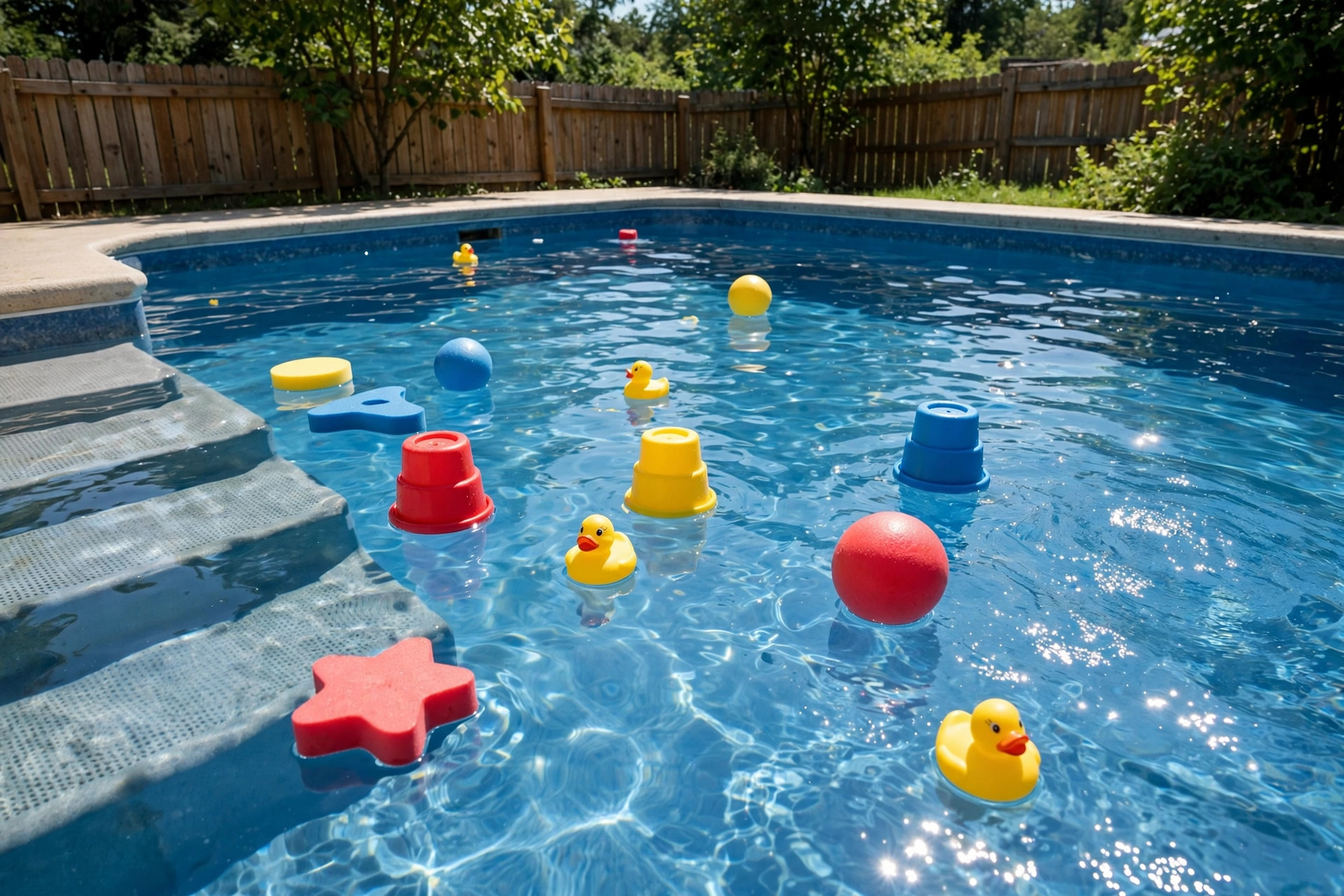
Foam toys are a top pick for toddlers. They float, they are soft, and they come in fun shapes like fish, stars, and boats. Foam noodles can be cut short for small hands, though long noodles suit older children better. Foam rings are easy for toddlers to hold and carry.
Foam toys need little care. Rinse them and let them dry. They rarely break. One drawback is that foam can fade in strong sun. Fading does not hurt safety, but it makes the toys look worn. Store foam toys in the shade to keep their color.
Bath-Style Pouring Toys
Stacking cups and small watering cans work in the pool just as they do in the bath. Toddlers love to fill and pour. These toys teach cause and effect in a direct way. Water goes in, water comes out. Choose cups with no sharp edges and no small holes that could trap little fingers.
Soft Balls and Water Squirters
Soft water balls give toddlers something to throw without pain. Look for balls made of soft sponge material. They soak up water and make a fun splash when thrown. They will not hurt if one hits a small face.
Small water squirters shaped like fish or boats can be fun for children over two. Avoid large, powerful squirt guns. They shoot too hard for a toddler’s face. Pick small ones with a soft pull handle.
Floating Animal Friends
Small floating animals made of soft vinyl are a pool classic. Ducks, frogs, and turtles float well and are easy to grab. Make sure the paint is sealed and does not flake. Cheap paint can peel in pool water with chlorine. A quick rinse after each swim helps the paint last longer. Pool supply stores such as Leslie’s sell water care products that keep pool chemistry balanced, which also protects toys from harsh water.
Inflatable Baby Floats and Seats
Some parents use inflatable seats that hold a toddler upright in the water. These can be fun, but they carry warnings. A child in a float seat can tip forward and cannot always right herself. Never treat a float as a safety device. An adult must stay within arm’s reach at all times. For adult floating options instead, see our guide to the best pool floats for adults.
Splash Pads and Sprinklers
For toddlers who are not ready for deep water, a splash pad or a gentle sprinkler toy works well. These attach to a garden hose and spray soft streams of water. They give the fun of water play with less risk. Home improvement retailers like Home Depot and Lowe’s carry a wide range of outdoor water play gear each summer.
Toys to Avoid
Some pool toys are wrong for toddlers. Skip diving sticks and diving rings. Toddlers should not be diving, and small diving toys are a choking risk. Skip toys with long cords or strings. They can wrap around a small neck.
Avoid toys that look like real food. A toddler may bite or swallow a small plastic grape. Avoid glass or ceramic items near the pool entirely. Broken glass in a pool area is a serious hazard.
Also avoid cheap toys with a strong chemical smell. That smell often comes from low-grade plastic. Better-made toys have little or no smell. If a toy smells strong out of the package, return it.
Cost and Price
Pool toys for toddlers are not costly. Most items run between five and twenty dollars. A set of stacking cups may cost six dollars. A pack of soft foam animals may cost ten dollars. Simple squirters often cost under five dollars each.
Multi-packs give the best value. A ten-piece set of assorted toys may cost fifteen dollars. Buying sets also gives variety, which keeps a toddler interested longer.
High-end toys exist, but they rarely suit toddlers. A twenty-five dollar electronic toy may break in a week of pool use. Spend less per toy and replace them as needed. You can put the savings toward pool care basics instead. Supplies from shops like Pool Warehouse help keep the water clean, which matters far more than costly toys.
Expect to replace toys each season or two. Sun and pool chemicals wear toys down. Budget about thirty to fifty dollars per summer for a good set of toddler pool toys.
Care and Upkeep
Rinse toys after each swim. Pool water holds chlorine or salt, and both can wear down toys over time. A quick rinse with the garden hose takes one minute and adds months to a toy’s life.
Dry toys fully before storage. Wet toys grow mold in a dark shed or bin. Spread toys on a clean towel in the shade. Once dry, store them in a mesh bag or an open bin. Mesh bags let air move and stop mold from forming.
Check toys often for damage. Look for cracks, peeling paint, and loose parts. Throw away broken toys right away. A cracked toy can have sharp edges, and a torn inflatable can trap air in odd ways.
Keep toys out of direct sun when not in use. Sun breaks down plastic and foam. A shaded storage spot doubles toy life. This small habit also keeps colors bright.
Clean toys once a month with mild soap and water. Scrub with a soft brush, rinse well, and dry in the shade. Do not use harsh cleaners. They can leave residue that irritates a toddler’s skin.
Safety First
No toy replaces watchful eyes. Drowning is fast and quiet. An adult must watch toddlers in or near water at all times, with no phone and no book as a distraction. Stay within arm’s reach of a child under three.
Learn the safety rules from official sources. The U.S. Consumer Product Safety Commission publishes clear pool safety steps for families. Key points include a fence around the pool, a self-closing gate, and an alarm on doors that lead to the pool. For extra protection, read our review of the best pool alarm for child safety.
Teach water rules early. Even a two year old can learn simple rules: we walk near the pool, we hold hands, we do not go in without a grown-up. Repeat the rules each time you swim. Toddlers learn through steady repetition.
Keep the pool area clear of tripping hazards. Store toys when swim time ends. A toy left on the wet deck can cause a fall. Also, a bright toy floating in the pool may tempt a toddler to reach for it without an adult nearby. Put toys away after each swim.
Know basic rescue steps. Parents should learn CPR. Many community centers offer low-cost classes. Knowing what to do in an emergency can save a life. Health guidance for young children, including water safety advice, is also published by HealthyChildren.org.
Sun and Heat
Pool time means sun time. Dress toddlers in swim shirts with sun protection. Use sunscreen made for small children. Reapply it after swimming. Keep swim sessions short in strong midday sun. Morning and late afternoon are kinder hours for young skin.
Watch for tiredness. Toddlers tire fast in water. Cold lips, shivering, or cranky behavior mean it is time to get out. Wrap the child in a warm towel and offer water or milk.
FAQ
What age can toddlers start using pool toys?
Most children can enjoy simple pool toys from about six months with an adult holding them. Soft floating toys and pouring cups suit ages one to three best. Always match the toy to the child’s stage, not just the age on the box.
Are inflatable toys safe for toddlers?
Inflatables can be fun but need care. They can pop, leak, or tip a small child. Use them only with an adult in arm’s reach. Solid foam toys are a safer pick for children under three.
How many toys does a toddler need at the pool?
Five to eight toys are plenty. Too many toys can overwhelm a small child. A mix of one soft ball, a few cups, and two or three floating animals gives good variety without clutter.
Can pool toys go in a hot tub?
No. Hot tubs run too hot for small children, and most health experts advise keeping toddlers out of hot tubs entirely. If your backyard has both, keep toddler toys in the pool only. For hot tub basics, makers like Hot Spring and Bullfrog Spas publish clear temperature and use guides for adults.
How do I stop toys from growing mold?
Rinse toys after each use and dry them fully in the shade. Store them in a mesh bag, not a sealed bin. A monthly wash with mild soap keeps mold away. Throw out any toy with mold you cannot scrub off.
Should I buy toys made for the bath or the pool?
Many bath toys work fine in the pool. The key tests are the same: soft, large enough, no small parts, and quick to dry. Toys sold as pool toys may hold up better in sun and chlorine, so they can last longer outdoors.
A Final Word
Choosing pool toys for a toddler is simple when you hold to a few rules. Pick soft toys. Pick large toys. Pick bright toys. Read reviews from parents with children the same age. Rinse and store toys well so they last. And above all, pair every toy with close adult watch. The best toy in the world means nothing without a parent nearby.
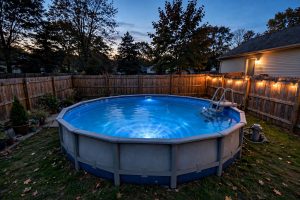
If you are setting up a family pool for the first time, our guide to the best above ground pool for families covers the basics of picking a safe, roomy pool. Start small with toys, watch your child learn, and enjoy the summer one splash at a time.
References
American Academy of Pediatrics. (n.d.). HealthyChildren.org. https://www.healthychildren.org Bullfrog Spas. (n.d.). Hot tubs and spas. https://www.bullfrogspas.com Consumer Reports. (n.d.). Product reviews and ratings. https://www.consumerreports.org Hot Spring Spas. (n.d.). Hot tubs and spas. https://www.hotspring.com Leslie’s Pool Supplies. (n.d.). Pool supplies and equipment. https://www.lesliespool.com Lowe’s. (n.d.). Home improvement products. https://www.lowes.com Pool Warehouse. (n.d.). Pool equipment and supplies. https://www.poolwarehouse.com Swim University. (n.d.). Pool and hot tub care guides. https://www.swimuniversity.com The Home Depot. (n.d.). Home improvement products. https://www.homedepot.com The Spruce. (n.d.). Home and garden advice. https://www.thespruce.com U.S. Consumer Product Safety Commission. (n.d.). Product safety information. https://www.cpsc.gov
Was this guide helpful?

About Lisa Anderson
The My Garden US editorial team writes practical, in-depth home and garden guides for American homeowners — tested advice, no fluff.