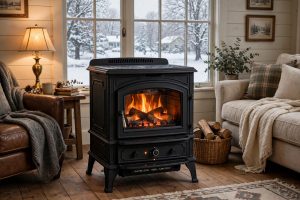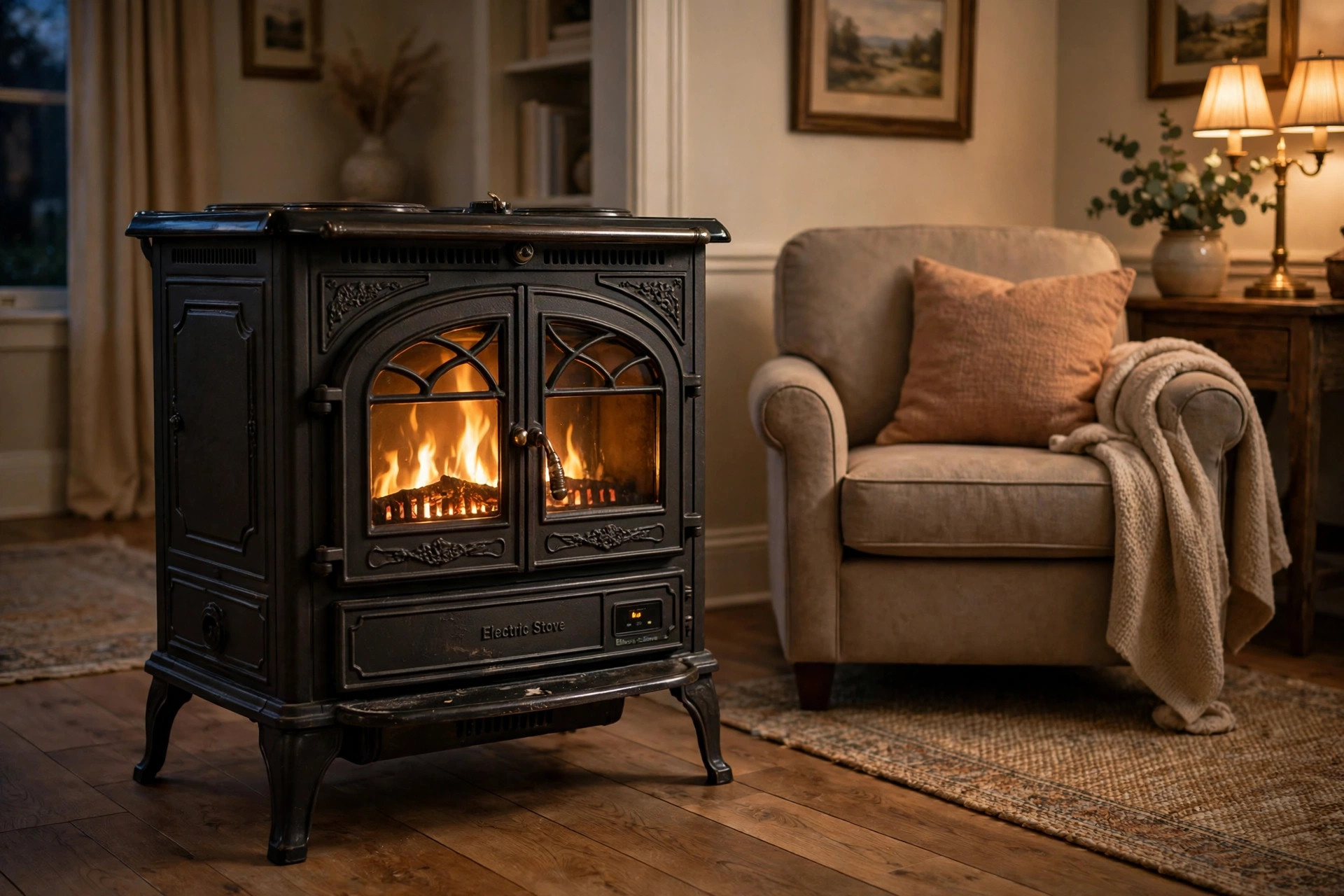

To buy freestanding electric stoves online in the USA is now a simple task for any homeowner. These stoves bring the look of a real fire into a room with no chimney, no gas line, and no wood pile. You plug the unit into a wall outlet, press a button, and warm light fills the space. Online shops carry a wide range of styles and prices. A careful buyer can compare models, read reviews, and have a stove shipped to the front door. This guide walks you through the whole process in plain words.
Why More American Homes Use Electric Stoves
A freestanding electric stove is a heater that looks like an old wood stove. It stands on the floor and vents nothing to the outside. Inside, a heating element warms the air, and LED lights mimic flames behind glass doors. The result is a cozy hearth look with modern comfort.
Renters love these stoves because they need no vent and no remodel. Owners of condos and apartments use them where a real fireplace is not allowed. Older homeowners like them because there is no heavy wood to carry and no ash to clean. The stove can move from room to room when the seasons change.
Energy use is easy to predict. Most models draw about 1,500 watts on high, the same as a common space heater. Many let you run the flame effect with no heat at all. That means you can enjoy the glow on a mild evening without warming the room. It is a small luxury that costs little to run.
What to Look for When You Shop Online: Buy Freestanding Electric Stoves Online in the Usa
Online buying brings choice, but it also brings risk. You cannot touch the stove or see the flame in person. The steps below help you pick well from a screen.
Heat Output and Room Size
Check the BTU rating or the square footage the maker lists. A standard 5,000 BTU model warms about 400 to 500 square feet. That suits a bedroom, a den, or a small living room. For a large open space, look for a 5,200 BTU unit or plan to use the stove as a zone heater that warms one area.
Read the room size claims with care. Makers test in closed rooms with good insulation. A drafty house or a room with high ceilings will need more heat than the box claims. If your room is on the edge, choose the larger model. You can always turn the heat down.
Flame Effect and Style
Flame technology has come a long way since the early models. The best stoves use layered lighting and moving logs to fake a deep, lively fire. Look for close-up photos and video clips on the product page. Adjustable flame brightness is a good sign. It lets you set a soft glow for movies or a bright fire for guests. Some models add crackling sound effects. Others offer several flame colors. Read buyer reviews that mention the flame. Freestanding electric stove reviews and buying guides often compare flame quality across brands, and they are worth your time.
Check the warranty before you pay. Most stoves carry a one-year warranty on parts and labor. Better brands offer two years. A clear warranty and a service phone number show the maker stands behind the product. Save your receipt and register the unit online if the maker asks.
Adjustable flame brightness is a good sign. It lets you set a soft glow for movies or a bright fire for guests. Some models add crackling sound effects. Others offer several flame colors. Decide which features matter to you before you pay for extras you will never use.
Size, Weight, and Placement
Measure your spot before you order. A typical freestanding stove is 22 to 28 inches wide and 24 to 32 inches tall. Check the depth too, since some models sit far from the wall. Note the weight, which can run from 40 to 90 pounds. You will need a clear path to move it in.
The stove must sit near a standard 120-volt outlet. Extension cords are not safe for heaters, so plan the spot around a real outlet. Keep the front and sides clear of drapes, rugs, and furniture. The manual will state the exact clearance, often 12 to 36 inches. Makers such as Napoleon publish clear guides for safe placement of their hearth products.
Types of Freestanding Electric Stoves
Shops group these stoves by look. Each style suits a different home. Know the types before you browse.
Traditional Cast Iron Look
These models copy the shape of an old parlor stove. They have arched doors, beveled glass, and dark finishes. They suit farmhouse and colonial rooms. The charm is in the detail: small legs, brass trim, and a tall body. Many buyers pair them with a simple mantel shelf for a finished look.
Modern Steel and Glass
Modern stoves use clean lines and wide glass panels. Finishes run from matte black to white to brushed steel. They fit new builds and city apartments. Some models have a slim tower shape that saves floor space. If your room leans toward the sleek and simple, this type will match your taste.
Mantel and Cabinet Styles
Some freestanding units come built into a wooden mantel cabinet. The cabinet hides the heater and gives you a shelf for photos or books. These models look like a built-in fireplace but still plug into a wall. They cost more and weigh more, yet they give a finished, furniture-grade look. Top rated freestanding electric stoves for Midwest homes often include this style for living rooms that need both heat and storage.
Smart models are a growing group. They add a remote control, a phone app, or a timer. A few high-end units tie into home routines. Luxury smart electric fireplaces with free shipping can be worth a look if you want the stove to turn on before you come home from work.
Cost and Price
Prices span a wide range. A basic model from a large store can cost as little as 150 dollars. Mid-range stoves with good flame effects run from 250 to 500 dollars. Premium units with fine furniture finishes can pass 800 dollars. The price reflects build quality, flame realism, and brand name more than heat power, since most models heat about the same.
Watch the shipping terms. Many stoves are heavy, and freight fees can add 50 to 100 dollars. Free shipping deals are common at large online shops. Check the return policy too. A stove that looks small in photos may crowd your room, and you want an easy return if it does not fit.
Sales cluster around fall and the holidays. Prices often drop in late summer when stores clear stock. Winter storm season can push prices up as demand spikes. If you can plan ahead, buy in August or September for the best pick and the best price.
Factor in running cost. At 1,500 watts, an hour of high heat uses 1.5 kilowatt-hours. With average American power rates, that is about 20 to 25 cents per hour. A timer or thermostat keeps the cost down. Running the flame with no heat costs almost nothing.
Care and Upkeep
Electric stoves need little care, but a few habits keep them working well.
Dust the unit each month with a soft cloth. Dust on the glass dims the flame effect. Clean the glass with a damp cloth and mild soap. Never use harsh cleaners or rough pads, which can scratch the surface.
Keep the air intake and outlet vents clear. Vacuum them gently twice a year. Blocked vents make the heater work harder and can trip the safety shutoff. If the stove has a filter, rinse or replace it as the manual says.
Check the cord once a year. Look for fraying, cracks, or loose plugs. A damaged cord is a fire risk and must be replaced by a service shop. Never run the cord under a rug, where heat can build up unseen.
Store the manual with your home papers. It lists the model number, the warranty terms, and the parts you may need later. Most makers offer spare bulbs and glass panels for years. Sites like This Old House and Family Handyman publish simple upkeep guides for electric hearth products.
Safety Tips
Electric stoves are among the safest heaters you can buy, but they still need respect.
Buy a model with a tip-over switch and overheat shutoff. These are standard on quality brands and required by safety rules. A cool-touch exterior is a plus in homes with children or pets. The EPA offers general guidance on safe home heating, and its pages are worth a short visit.
Keep three feet of clear space around the stove. Paper, blankets, and curtains must stay back. Never dry clothes on the unit. Turn the stove off when you leave the house or go to sleep unless the manual says it is safe for all-night use.
Plug the stove straight into a wall outlet. Do not use power strips or light-duty extension cords. If the plug feels hot after an hour, unplug the unit and call an electrician. The outlet may be worn and in need of replacement.
Homes with small children should treat the stove like any heater. The glass can get warm on some models. Teach children to keep their hands off, and use the child lock if the unit has one. Manufacturers such as Heatilator stress these basic rules in every manual they ship.
Frequently Asked Questions
Do freestanding electric stoves need a vent or chimney?
No. That is their main appeal. They heat room air with an electric element and vent nothing. You can place one in any room with a standard outlet. There is no smoke, no gas, and no ash.
Can an electric stove heat a whole house?
Most models are zone heaters, not whole-house heaters. A standard unit warms 400 to 500 square feet. It can take the chill off a living room or let you turn down the central heat in unused rooms. It will not replace a furnace in a cold climate.
How long do these stoves last?
A well-made unit lasts 10 to 20 years. The heating element and the LED flame system are the parts most likely to wear. LEDs now last far longer than the old bulbs they replaced. Keep the vents clean and the cord sound, and the stove will serve for many winters.
Is it safe to buy a stove online without seeing it first?
Yes, if you shop with care. Buy from known stores with clear return policies. Read the full spec sheet, check the dimensions twice, and read buyer reviews that mention real use. Large home stores such as Home Depot and Lowe’s list detailed specs and thousands of reviews for their stove models.
Do the flames look real?
Mid-range and premium models look quite real from a few feet away. Layered lighting, glowing embers, and moving logs sell the effect. Cheap models can look flat. The Spruce publishes side-by-side looks at many stoves, which helps you judge before you buy.
Can I run the flame without heat?
Nearly all models allow this. It is a popular feature for summer evenings and mild nights. The flame-only mode uses very little power, often less than 100 watts. Check the product page to confirm before you order.
A Final Word
To buy freestanding electric stoves online in the USA is a sound plan for comfort on a budget. Know your room size, study the flame quality, and buy from a store with fair shipping and returns. Big marketplaces like Wayfair and Amazon make it easy to compare dozens of models side by side. Take your time, measure twice, and you will find a stove that warms your home for years.
References
Amazon. (n.d.). Online shopping. https://www.amazon.com Family Handyman. (n.d.). DIY home repair and maintenance. https://www.familyhandyman.com Heatilator. (n.d.). Fireplaces and fireplace products. https://www.heatilator.com Lowe’s. (n.d.). Home improvement products. https://www.lowes.com Napoleon. (n.d.). Fireplaces, grills, and heating products. https://www.napoleon.com The Home Depot. (n.d.). Home improvement products. https://www.homedepot.com The Spruce. (n.d.). Home and garden advice. https://www.thespruce.com This Old House. (n.d.). Home renovation guidance. https://www.thisoldhouse.com U.S. Environmental Protection Agency. (n.d.). Protecting human health and the environment. https://www.epa.gov Wayfair. (n.d.). Furniture and home goods. https://www.wayfair.com
Was this guide helpful?

About Jennifer Lee
The My Garden US editorial team writes practical, in-depth home and garden guides for American homeowners — tested advice, no fluff.
You May Also Like
EPA Certified Freestanding Electric Stoves with Free Shipping: A Full Buying Guide
September 29, 2026 0 views
Heat Powered Stove Fans Price Comparison USA: What to Pay and What to Know
September 10, 2026 0 views
High Efficiency Fireplace Blowers and Fans for Sale: A Buyer’s Guide
February 26, 2026 0 views