---
Table of Contents
Table of Contents
- Step 1: Give It a Deep Clean
- Step 2: Handle the Fuel System
- Step 3: Pull Out the Loose Parts
- Step 4: Check for Damage Before You Cover
- Step 5: Choose the Right Cover
- Step 6: Set the Cover So Water Runs Off
- Step 7: Decide Where It Spends the Winter
- Step 8: Check It During the Season
- Winterize an Outdoor Fire Pit: Winter Care by Pit Type
- Spring Reopening
- The One-Hour Routine, Summarized
- References
An outdoor fire pit is built for weather, but winter is a different kind of test. Freeze and thaw, driving snow, ice sitting in the bowl, and months of damp air can rust steel, crack masonry, and ruin burners. Winterizing takes about an hour. It can add years to the life of the pit. Skip it and you may face a rusty, cracked mess when warm weather returns. If you are new to winterize an outdoor fire pit, start with the basics below.
The steps are simple: clean it, dry it, protect the fuel system, and cover it right. Wood, gas, and smokeless pits each need a slightly different touch. Here is the full routine.
Step 1: Give It a Deep Clean
When it comes to winterize an outdoor fire pit, getting the details right makes all the difference.
When it comes to winterize an outdoor fire pit, getting the details right makes all the difference.
Many homeowners find that winterize an outdoor fire pit is easier than they expected once they know the basics.
Start with a cold pit. Never cover or clean a pit that is still warm. Scoop out all ash and unburned wood. Ash holds moisture like a sponge, and damp ash sitting in a steel bowl all winter is a recipe for rust. Wipe or brush the inside of the bowl clean. For a stone or masonry pit, brush out loose debris and check the joints for cracks while you are at it. Small cracks can let water in, and water that freezes in a crack can split the stone.
For gas pits, wipe the burner and the pan clean of dust, leaves, and spider webs. Do not poke at the burner ports with sharp tools. A soft brush is enough. Fire pit care guides stress the same order every time: let it cool fully, clean it out, then cover it.
Step 2: Handle the Fuel System
Many homeowners find that winterize an outdoor fire pit is easier than they expected once they know the basics.
Many homeowners find that winterize an outdoor fire pit is easier than they expected once they know the basics.
The key to winterize an outdoor fire pit is choosing the right approach for your space and budget.
This step splits by fuel type.
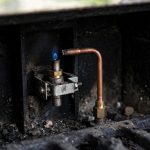
For a propane pit, turn off the gas at the tank valve. Disconnect the tank if you can. Store the tank upright outdoors in a ventilated spot, never inside the house or garage. Tanks stay outside by law in most places. Cap the open end of the gas line so spiders and debris cannot get in. If your pit has electronic ignition, pull the batteries out of the control box or igniter module. Batteries left in all winter can corrode and ruin the contacts.
For a natural gas pit with a fixed line, shut off the gas at the supply valve. You do not need to cap anything, but make sure the valve is truly off and the burner is clean and dry.
For a wood-burning pit, there is no fuel system to winterize. Just make sure no wood or kindling is left in the bowl. Move leftover firewood to a dry firewood storage shed so it stays seasoned for next season.
A gas fire pit winterizing guide from a burner maker adds one more tip: at minimum, hard-cover the burner pan with a steel lid to keep water out of the pan, and use a full vinyl cover over the whole pit for the off-season.
Step 3: Pull Out the Loose Parts
The key to winterize an outdoor fire pit is choosing the right approach for your space and budget.
With a little planning, winterize an outdoor fire pit can fit even a busy schedule.
Take out anything that comes out. Lava rock, fire glass, ceramic logs, cooking grates, spark screens, and wind guards should come inside for the winter. Store them dry in a garage or shed. Lava rock and fire glass can trap water, and freeze-thaw can break them. Ceramic logs can crack. Grates rust fast when left in a damp pit. Bringing them in takes five minutes and saves real money.
Step 4: Check for Damage Before You Cover
With a little planning, winterize an outdoor fire pit can fit even a busy schedule.
Before you start, it helps to understand how winterize an outdoor fire pit works in real homes.
Walk around the pit and look closely. On steel pits, sand any small rust spots down to bare metal and touch them up with high-heat paint made for grills and stoves. Catching rust now stops it from spreading under the cover all winter. On stone or brick pits, look for cracked mortar or loose stones. Water gets into cracks, freezes, and pushes them apart. Patch what you can before the first hard freeze. A Wisconsin outdoor living guide flags this freeze-thaw damage as the main winter killer for masonry features.
Check the cover hardware too if your pit has a lid or screen with hinges. A drop of oil on hinges now keeps them moving in spring.
Step 5: Choose the Right Cover
Before you start, it helps to understand how winterize an outdoor fire pit works in real homes.
A good plan for winterize an outdoor fire pit saves time, money, and frustration.
Not all covers are equal. The best fire pit covers for winter are waterproof, UV-resistant, and sized to fit snugly. Look for these features:
A snug fit with a drawstring, buckles, or an elastic hem. Wind gets under loose covers and either blows them off or lets rain in. Measure your pit before you buy. A cover that pools water in the middle will dump that water right into the pit.
Vents or breathable fabric. A fully sealed plastic tarp can trap condensation under it, which causes the very rust you are trying to prevent. Good covers have small vents that let moisture escape while keeping rain out. Cover makers build mesh vents into their designs for exactly this reason.
UV resistance. Winter sun is weaker, but UV still breaks down cheap covers over months. A cover that survives one winter is cheaper than a new pit, but a cover that survives five winters is better still.
For gas pits, a full-length cover that shields the base and any electronic parts is worth it. For wood pits, a top-only lid plus a fabric cover is a common combo.
With the basics clear, winterize an outdoor fire pit becomes straightforward.
Step 6: Set the Cover So Water Runs Off
A good plan for winterize an outdoor fire pit saves time, money, and frustration.
For most people, winterize an outdoor fire pit comes down to a few smart choices.
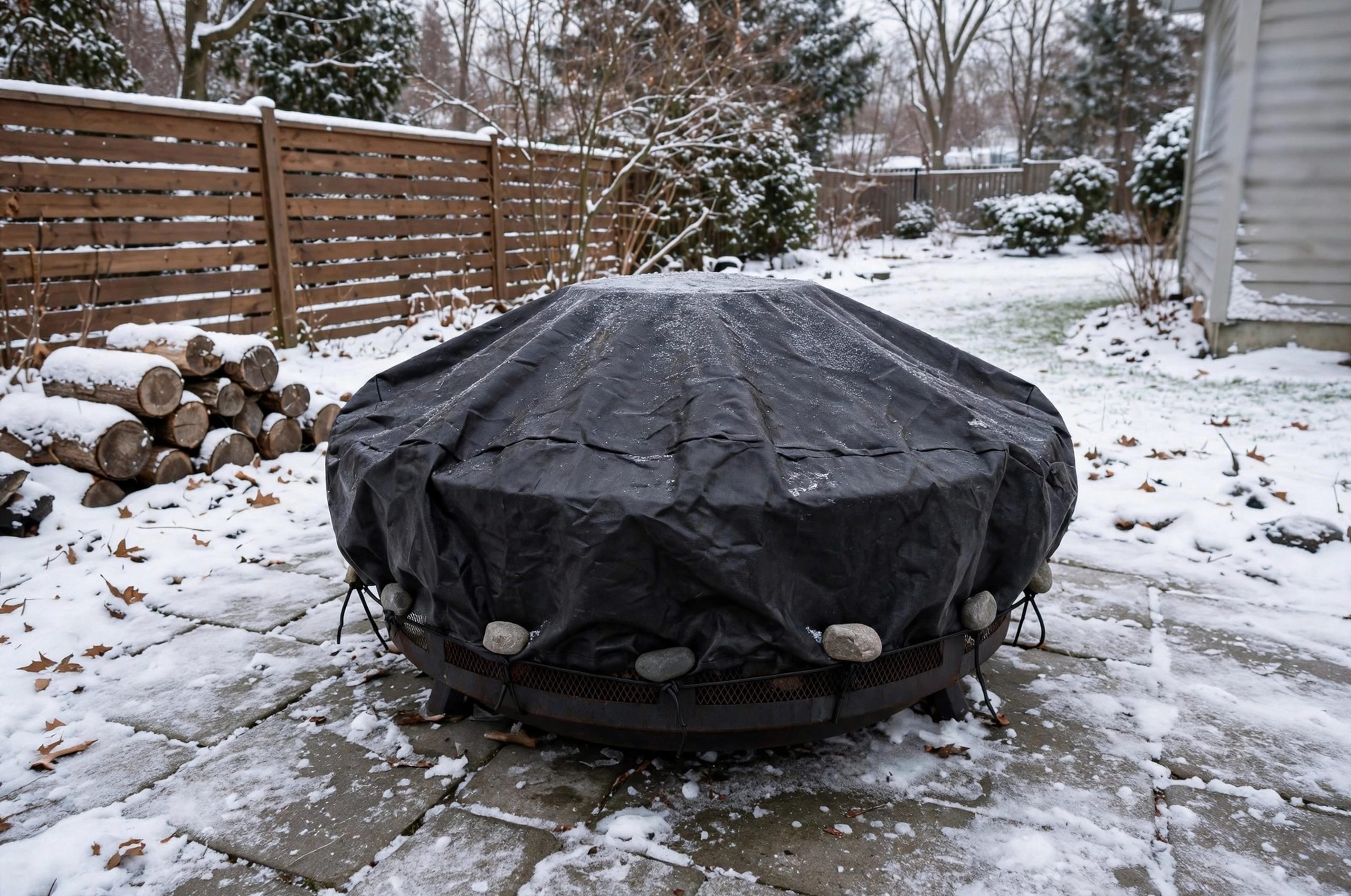
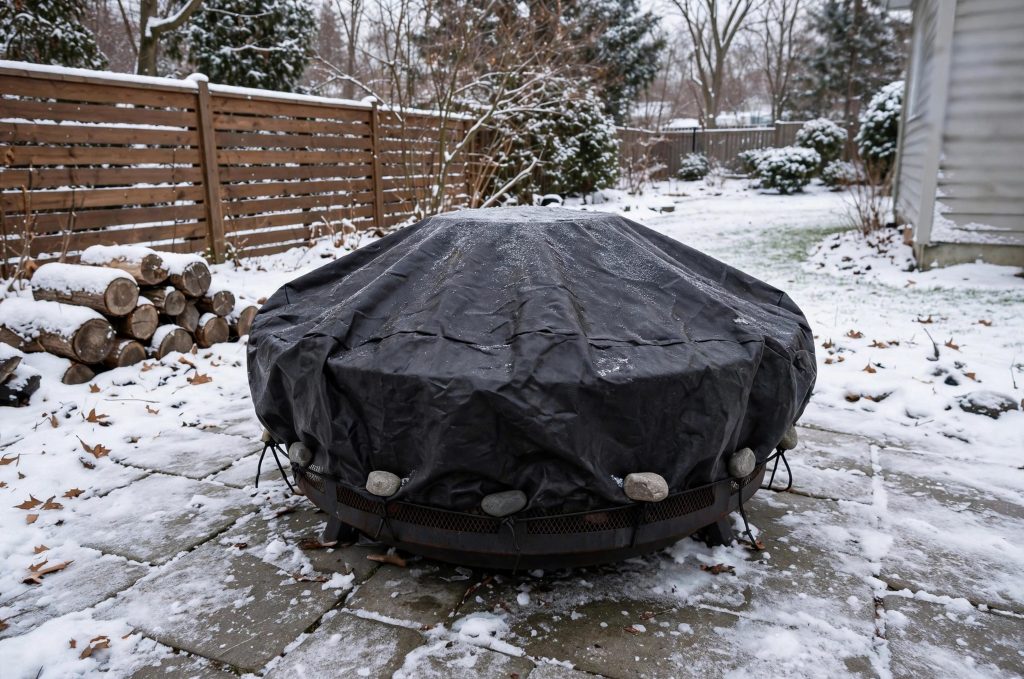
How you put the cover on matters as much as which cover you buy. Put a small object, like an inverted bucket or a ball, in the center of the pit under the cover. This tents the fabric so rain and meltwater run off instead of pooling. A winterizing walkthrough lists this tenting trick as one of the key steps, along with securing straps so wind cannot work the cover loose.
Cinches and straps should be tight but not straining the fabric. Check the fit after the first windy day. Covers shift, and a quick adjustment beats a lost cover.
Step 7: Decide Where It Spends the Winter
For most people, winterize an outdoor fire pit comes down to a few smart choices.
If you are new to winterize an outdoor fire pit, start with the simplest option and build from there.
Many pits can stay outside all winter if they are cleaned and covered well. Fire pits are outdoor products, after all. But some do better inside. Lightweight portable pits and smokeless models are easy to carry into a shed or garage, and that is the safest winter of all. If you expect months of heavy snow, indoor storage wins.
If the pit stays out, pick its spot with care. Keep it where water drains away, not in a low spot that turns into a pond. Do not park it against the house where roof runoff pours on it. And keep it away from the snowblower's path. A fire pit winter guide notes that smokeless and portable pits especially benefit from being stored under a roof or in a shed when possible.
Step 8: Check It During the Season
If you are new to winterize an outdoor fire pit, start with the simplest option and build from there.
Winterizing is not fire-and-forget. After heavy snow, brush snow off the cover so the weight does not stress it. Peek under the cover once or twice during the season. If you find standing water, adjust the tenting. If you see rust starting, dry the spot and note it for spring touch-up. These checks take minutes and catch problems while they are small.
For propane fire pits, give the tank area a look too. Make sure the tank is still upright and the valve area is clear of ice.
Winterize an Outdoor Fire Pit: Winter Care by Pit Type
When it comes to winterize an outdoor fire pit, getting the details right makes all the difference.
Wood-burning steel pits are the most rust-prone. Clean ash out religiously, touch up paint chips, and keep the cover vented. A rust prevention guide for metal pits drives home the same point: ash left in the pit draws moisture and speeds rust, so the pit must be clean and dry before the cover goes on.
Gas pits are the most part-sensitive. Burners, valves, and igniters must stay dry. Disconnect what you can, cover everything, and store loose media indoors.
Stone and masonry pits are the most freeze-thaw sensitive. Water in cracks is the enemy. Keep the bowl covered so snowmelt does not pool in it, and seal or repair cracks before winter.
Smokeless pits have air channels and double walls that can trap water. Dry them fully, cover them snugly, and store them inside if you can. A smokeless pit winter guide warns against de-icing chemicals near the finish and suggests a soft broom for snow removal.
Spring Reopening
Many homeowners find that winterize an outdoor fire pit is easier than they expected once they know the basics.
When warm weather returns, uncover the pit and inspect it before the first fire. Look for rust, cracks, or pest nests in the burner. Put the lava rock, logs, and grates back. For gas pits, reconnect the tank, check connections with soapy water for bubbles that signal leaks, and test the igniter. For wood pits, start with a small fire and make sure the draft is good. A clean, dry pit that was winterized right should light up like it never sat out the cold.
If you are thinking of upgrading while the pit is uncovered, compare propane fire pit prices before buying season starts and prices climb.
The One-Hour Routine, Summarized
Clean it. Dry it. Shut off and disconnect the gas. Pull the loose parts inside. Fix small rust and cracks now. Cover it with a fitted, vented, waterproof cover, tented so water runs off. Store it inside if you can, or in a well-drained spot if you cannot. Check it after big snows. That is the whole job, and it is the difference between a pit that lasts and a pit that rusts out. A little care goes a long way with winterize an outdoor fire pit.
References
Celestial Fire Glass. (n.d.). How to winterize your gas fire pit. https://support.celestialfireglass.com/how-to-guides/how-to-winterize-your-gas-fire-pit/
Costway. (n.d.). Your fire pit buying guide: How to choose the perfect one. https://www.costway.com/blog/tips/your-fire-pit-buying-guide-how-to-choose-the-perfect-one.html
Coverstore. (n.d.). Custom size round fire pit cover. https://www.coverstore.com/custom-size-round-fire-pit-cover?color=Khaki&collection=Elite
Fire Pit Outfitter. (n.d.). Protect and clean your custom stone fire pit safely. https://firepitoutfitter.com/blogs/gas-fire-pit-tips-and-tricks/how-to-maintain-a-custom-stone-fire-pit-cleaning-sealing-and-seasonal-care
Montana Fire Pits. (n.d.). How to prevent rust on your metal gas fire pit. https://montanafirepits.com/blog/how-to-prevent-rust-on-your-metal-gas-fire-pit/
Pond Doc. (n.d.). How to winterize a fire pit for colder months. https://Ponddoc.com/blog/how-to-winterize-a-fire-pit-for-colder-months
Pond Doc. (n.d.). How to winterize a smokeless fire pit for colder months. https://Ponddoc.com/blog/how-to-winterize-a-smokeless-fire-pit-for-colder
Posh Living. (n.d.). How to maintain a fire pit in different seasons. https://posh.co.uk/living/how-to-maintain-a-fire-pit-in-different-seasons/
Seal Skin Covers. (n.d.). Fire pit covers. https://sealskincovers.com/grill-and-heating/fire-pit-covers
Sunjoy. (n.d.). Should you cover your fire pit in winter? https://sunjoyshop.com/blogs/news/should-you-cover-your-fire-pit-during-the-winter-protecting-your-outdoor-investment
Zillges. (n.d.). Winterize your outdoor space. https://www.zillges.com/winterizing-outdoor-living-space-wisconsin-guide
Was this guide helpful?

About My Garden US
The My Garden US editorial team writes practical, in-depth home and garden guides for American homeowners — tested advice, no fluff.
You May Also Like
Keeping Toddlers Safe Around a Hot Stove
October 30, 2026 14 views
Best Direct Vent Gas Fireplaces for American Homes: A Complete Buyer's Guide
September 29, 2026 20 views
Best Fireplace Hearth Rugs for Midwest Homes
October 2, 2026 18 views