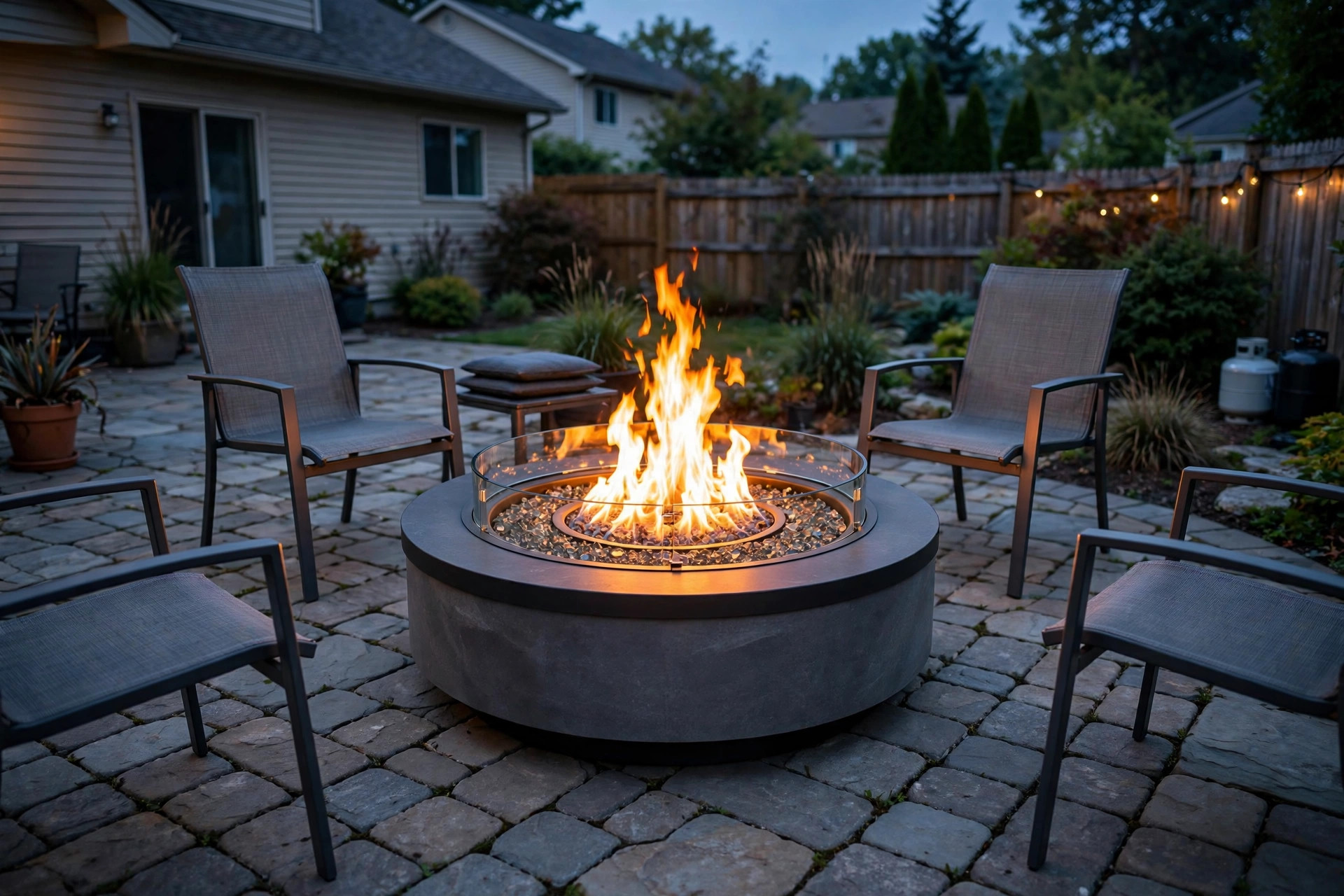

This propane fire pits price comparison usa guide starts with a simple fact. A propane fire pit in the United States can cost as little as eighty dollars or as much as three thousand dollars. The gap between the cheapest and the priciest models is wide. It is wide because the market holds many kinds of pits. Small tabletop units, bowl-shaped steel pits, tall column heaters with hidden flames, and full outdoor fire tables all carry the propane fire pit label. This article compares prices across these kinds. It explains what each price tier buys. It also looks at the costs that come after the purchase. Fuel, covers, glass wind guards, and spare tanks add to the bill. By the end, you will know what a fair price looks like for the pit you want.
Why Price Comparison Matters Before You Buy
A fire pit is not a small buy for most families. Even a budget unit costs real money. A premium unit costs as much as a used riding mower. Prices also shift with the season. Spring stock runs higher than late fall clearance. Online listings can hide shipping fees. Store prices can hide assembly costs. Comparing prices across kinds, stores, and seasons keeps you from overpaying. It also keeps you from buying a unit that looks cheap but fails in two years. A careful price comparison starts with knowing the main kinds.
The Main Kinds of Propane Fire Pits: Propane Fire Pits Price Comparison Usa
Tabletop Fire Pits
Tabletop pits are the smallest kind. They sit on a patio table. Most hold a one-pound propane canister inside the body. Some connect to a full-size tank with a hose. They give modest heat. They serve as decoration more than as a heater. Prices run from about eighty dollars to two hundred fifty dollars. The spread comes from materials. Cheap units use thin painted steel. Pricier ones use concrete or stone composite bowls. Heat output stays low in all of them. They suit small balconies and renters.
Bowl and Round Pits
The bowl pit is the classic backyard shape. A round metal bowl holds a burner ring. Lava rock or glass beads cover the burner. These pits run on a standard twenty-pound tank. The tank often sits under the pit behind a door. Prices run from about one hundred fifty dollars to seven hundred dollars. Steel bowls sit at the low end. Copper and cast aluminum bowls sit higher. Burner size drives much of the difference. A sixty-five thousand BTU burner costs more than a forty thousand BTU burner. It also heats a wider circle.
Fire Tables
Fire tables blend a pit with patio furniture. The fire sits in the center of a table. Guests sit around it with drinks in hand. Shapes run rectangular, square, and round. Surfaces use tile, stone, or metal. Prices run from about four hundred dollars to two thousand dollars. The frame material sets the floor. Powder-coated steel is common near five hundred dollars. Wrought aluminum and real stone tops push prices past one thousand dollars. Fire tables are the most popular mid-range choice for American patios.
Column and Tower Pits
Column pits hide the flame inside a tall glass tube. Heat rises in a visible stream. They look modern. They take little floor space. Prices run from about two hundred fifty dollars to one thousand dollars. Glass tube thickness and base material set the price. Heavy stone bases cost more but resist wind tip. These units suit patios where space is tight and style matters.
High-End and Custom Units
At the top sit artisan and custom pits. Concrete bowls from small makers, hammered copper tables, and built-in units for outdoor kitchens live here. Prices run from one thousand five hundred dollars to three thousand dollars and beyond. You pay for craft, material thickness, and warranty length. Burner warranties on these units can reach ten years. Reviews of luxury andirons for fireplaces for sale show the same pattern: fine materials hold value longer than thin steel.
Propane Fire Pits Price Comparison USA by Tier
The table below sums the market. These are typical street prices in the United States, not sale prices. Taxes and shipping are not part of the figures.
| Tier | Kind | Typical price range | Common materials | |—|—|—|—| | Budget | Tabletop | $80–$250 | Painted steel, glass | | Low | Bowl, small | $150–$350 | Painted steel, lava rock | | Mid | Bowl, large; column | $350–$700 | Stainless steel, stone base | | Upper mid | Fire table | $700–$1,200 | Cast aluminum, tile top | | Premium | Fire table, large | $1,200–$2,000 | Wrought aluminum, stone top | | Luxury | Custom | $1,500–$3,000+ | Copper, thick concrete |
Budget pits serve for two to four seasons. Mid-range pits often last six to ten years with a cover. Premium pits can last fifteen years or more. The price you pay is partly a price for years of use.
What Drives the Price Up or Down
Burner Size and Heat Output
Heat output is rated in BTU. Small pits give forty thousand BTU. Large fire tables reach sixty-five thousand BTU or more. A larger burner needs more gas flow and a heavier regulator. It costs more to make and more to run. Match BTU to your space. A forty thousand BTU pit heats a small patio well. A big deck needs the higher end. Oversized burners waste fuel on small patios.
Materials and Build
Material choice shapes both price and life. Painted steel rusts in two to four years near the coast. Stainless steel resists rust far longer. Cast aluminum is light and rust-proof but costs more to cast. Copper ages to a rich patina and commands a premium. Concrete bowls weigh a lot but stand up to weather. When you compare two pits at the same price, check the metal thickness. A heavy pit almost always outlasts a light one.
Ignition Type
Match-light pits are cheapest. You turn the gas on and light the burner with a long lighter. Push-button spark ignition adds thirty to eighty dollars. Electronic ignition with a battery or plug adds more. Electronic systems are easy for older users. They also fail more often than simple spark systems. Spark ignition is the sweet spot for most buyers.
Brand and Warranty
Known outdoor brands charge more than store brands. In return they offer parts and service. A one-year warranty is standard on budget pits. Mid-range units often carry three years on the burner. Premium units can carry five to ten years. A strong warranty is worth real money on a gas appliance. Check what the warranty covers. Burner and frame terms often differ.
Where You Buy
Big home stores carry the widest range and match online prices. Specialty hearth shops cost more but offer assembly and service. Online marketplaces run the lowest sticker prices but add freight fees on heavy units. Late summer sales can cut twenty to forty percent off mid-range models. Floor models at local stores can be a quiet bargain.
Fuel and Running Costs
The purchase price is only part of the bill. A standard twenty-pound propane tank costs about twenty to twenty-five dollars to refill or exchange in most states. A forty thousand BTU pit burns through a tank in about nine to eleven hours of use. A sixty-five thousand BTU pit empties a tank in about six to seven hours. Heavy users can spend one hundred dollars or more on fuel in a summer season. A spare tank is worth buying. It costs about forty to sixty dollars and saves a mid-evening trip to the store.
Accessories add cost too. A fitted cover runs twenty to sixty dollars and doubles pit life. A glass wind guard runs forty to one hundred twenty dollars and steadies the flame. Fire glass beads cost twenty to fifty dollars a bag and refresh an old pit. Gas hose extensions and tank hideaways run thirty to eighty dollars. Budget about one hundred to two hundred dollars for the extras most buyers end up wanting.
Care and Upkeep
Propane pits need little care, but the small jobs matter. Cover the pit when not in use. Water is the main enemy of steel parts. Brush debris off the burner before lighting. Lava rock lasts two to three seasons before it crumbles and needs replacement. Fire glass lasts much longer but should be rinsed each spring. Check the gas hose each year for cracks or wear. Spiders nest in burner tubes over winter; a soft brush clears them. Keep the tank valve closed between uses. Store tanks upright, outdoors, away from the house.
Simple service habits protect your money. A mid-range pit that is covered and cleaned can last a decade. The same pit left uncovered may rust through in three years. That difference is worth hundreds of dollars. If you heat with wood indoors as well, schedule a top rated chimney inspection services near me each fall before the cold sets in.
Safety Basics
Propane fire pits are safe when used with care. Place the pit at least ten feet from the house, fences, and overhangs. Never use a pit on a wooden deck unless the maker rates it for deck use and you add a heat shield. Keep children and pets three feet from the flame. Do not leave a lit pit alone. Shut the tank valve first when you finish, then the pit knob. Let the pit cool before covering it. The federal safety agency publishes guidance on outdoor gas appliances that is worth reading before your first lighting (Consumer Product Safety Commission).
Know the smell of a gas leak. Propane carries a rotten-egg odor. If you smell gas, turn off the tank, move away, and call the fire department. Do not try to find the leak with a flame. Test connections with soapy water when you change tanks. Bubbles mean a leak. Tighten or replace the fitting before you light.
Local rules matter. Some cities ban open flames during dry months. Some condo boards ban propane pits on balconies. Check your local fire code before you buy. Retailers such as Home Depot and Lowe’s list local delivery and assembly options that note common code limits.
How to Choose the Right Pit for Your Budget
Start with the space. Measure your patio. A forty-inch fire table needs about ten feet of clear space around it. A small bowl fits a six-foot circle. Then set your budget with fuel and accessories counted in. A five-hundred-dollar pit really costs six hundred fifty dollars once you add a cover, glass guard, and spare tank.
Next, weigh use. Weekend users do fine with a mid-range steel bowl. Nightly users should step up to stainless steel or cast aluminum. Cold-climate users gain from higher BTU. Style comes last. A pit you find ugly will sit unused no matter what it cost.
Read reviews before you buy. Long-term reviews tell you more than star counts. Look for notes on rust, ignition failure, and customer service. Sites like The Spruce and This Old House run hands-on tests of popular models. Consumer Reports rates outdoor heating gear with lab tests. For fuel planning, the federal energy office posts current propane price data (U.S. Department of Energy).
FAQ
What is a fair price for a good propane fire pit?
A good mid-range propane fire pit costs three hundred fifty to seven hundred dollars. At that price you get a stainless or heavy steel bowl, a forty to sixty-five thousand BTU burner, and push-button ignition. Fire tables in the same quality band run seven hundred to one thousand two hundred dollars.
Are expensive propane fire pits worth it?
They are worth it for heavy users. A one-thousand-five-hundred-dollar cast aluminum or copper pit can last fifteen years. A two-hundred-dollar steel pit may last three. Cost per year of use often favors the pricier unit. Light users gain less from the upgrade.
How much does it cost to run a propane fire pit?
A twenty-pound tank costs about twenty to twenty-five dollars to refill. It lasts about nine to eleven hours on a forty thousand BTU pit. Nightly summer use can run fifty to one hundred dollars a month in fuel. Higher BTU pits cost more per hour.
Propane or natural gas: which is cheaper?
Natural gas costs less per hour of heat in most areas. But a natural gas line install costs five hundred to two thousand dollars. Propane needs no install. If you already have a gas line stub on the patio, natural gas wins on running cost. If not, propane is the cheaper start.
Do propane fire pits need a cover?
Yes. A cover is the cheapest life extender you can buy. Twenty to sixty dollars for a cover can add years to a steel pit. Rain and snow cause most early rust. Cover the pit every time it cools.
Where can I compare prices across stores?
Check two or three big retailers side by side. Manufacturer sites list full specs for exact comparison. Napoleon and Heatilator both publish detailed model pages. DIY guides at Family Handyman cover patio setup and gas safety. The EPA posts burn and air-quality guidance for outdoor fire features.
A Short Final Word
A propane fire pits price comparison usa exercise ends with one clear lesson. Match the pit to your space, your use, and your climate. Then pay for build quality, not for looks alone. A covered mid-range pit at five hundred dollars beats an uncovered bargain pit at two hundred dollars in almost every case. Compare across kinds and seasons. Count the fuel and the extras. Buy once, and enjoy the fire for years.
If you are still weighing gas against electric heat for a smaller room, see where to buy freestanding electric stoves in colorado for a different kind of comparison.
References
Consumer Reports. (n.d.). Product reviews and ratings. https://www.consumerreports.org Family Handyman. (n.d.). DIY home repair and maintenance. https://www.familyhandyman.com Heatilator. (n.d.). Fireplaces and fireplace products. https://www.heatilator.com Lowe’s. (n.d.). Home improvement products. https://www.lowes.com Napoleon. (n.d.). Fireplaces, grills, and heating products. https://www.napoleon.com The Home Depot. (n.d.). Home improvement products. https://www.homedepot.com The Spruce. (n.d.). Home and garden advice. https://www.thespruce.com This Old House. (n.d.). Home renovation guidance. https://www.thisoldhouse.com U.S. Consumer Product Safety Commission. (n.d.). Product safety information. https://www.cpsc.gov U.S. Department of Energy. (n.d.). Energy efficiency and renewable energy. https://www.energy.gov U.S. Environmental Protection Agency. (n.d.). Protecting human health and the environment. https://www.epa.gov
Was this guide helpful?

About Emily Rodriguez
The My Garden US editorial team writes practical, in-depth home and garden guides for American homeowners — tested advice, no fluff.
You May Also Like
Top Rated Fireplace Grates for Texas Homes
February 17, 2026 0 views
Smart Fireplace Remote Controls for Sale: A Practical Guide
July 23, 2026 0 views
High Efficiency Childproof Fireplace Screens for American Homes
March 17, 2026 0 views