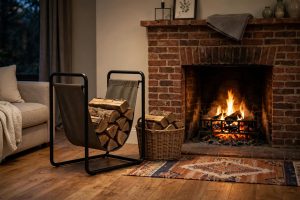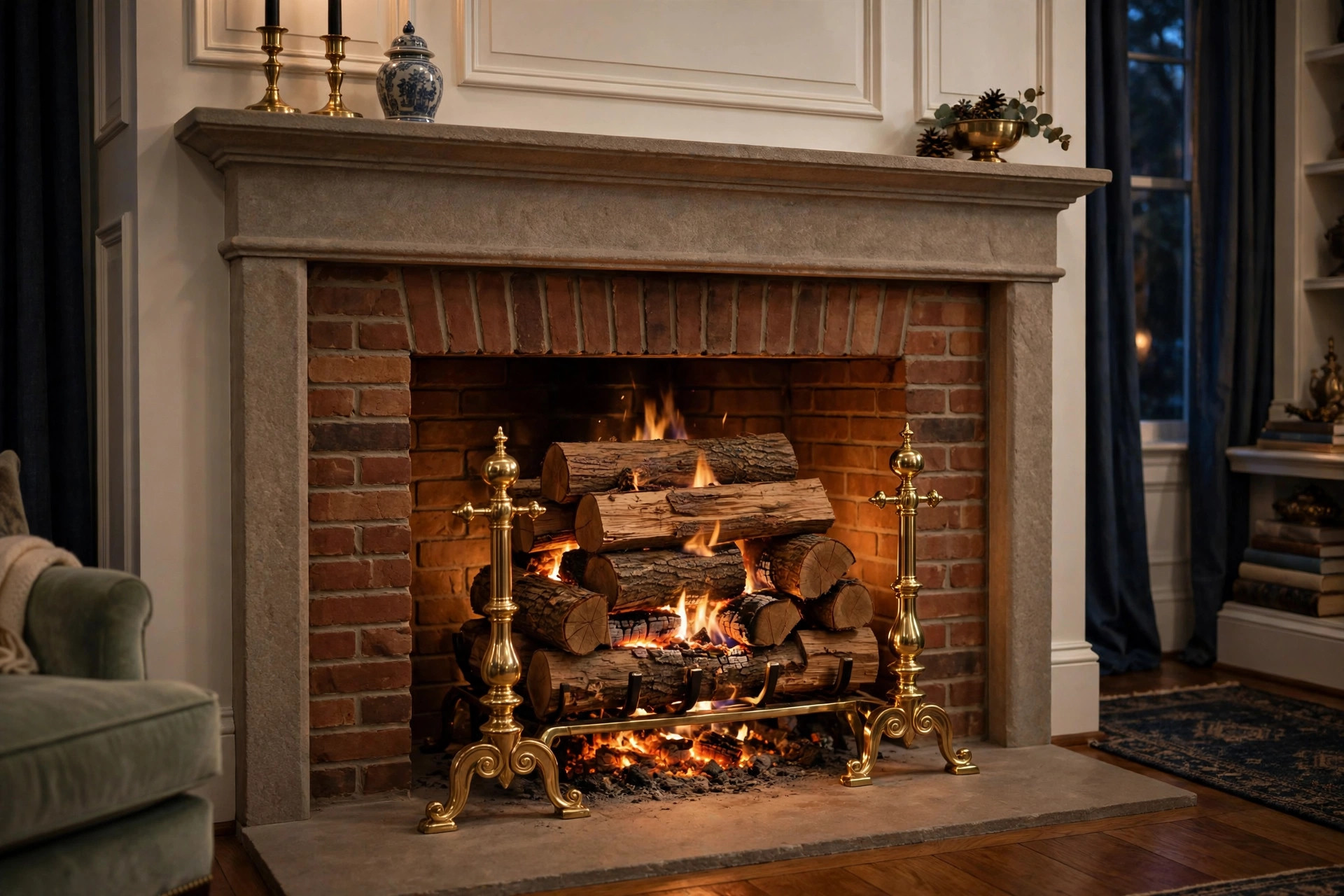

If you are shopping for luxury andirons for fireplaces for sale, you are looking at one of the oldest fireplace accessories known to man. Andirons, also called firedogs, sit on the floor of a fireplace and hold the logs up off the hearth. This lets air flow under the wood. The result is a cleaner, steadier fire. In luxury homes, andirons do a second job. They act as a centerpiece. A fine pair in brass, bronze, or polished steel can frame a firebox like jewelry.
This guide explains what luxury andirons are, why they matter, and what to check before you buy a pair. It covers styles, materials, sizes, price ranges, care, and safety. Read it through and you will know exactly what to look for the next time you see luxury andirons for fireplaces for sale.
Why Luxury Andirons Matter
A fireplace has a simple job: hold a safe fire and give heat. But a good fireplace also shapes a room. The eye is drawn to the firebox. What sits inside it matters as much as the mantel above it.
Luxury andirons serve the fire and the room at the same time. On the practical side, they lift logs off the hearth floor. Air moves under and around the wood. A fire with good air flow burns hotter and makes less smoke. It also needs less tending. On the decorative side, they give the firebox a finished look. A plain grate can look bare. A pair of hand-forged or cast andirons fills the space with presence.
For many owners, this is also about tradition. Andirons have been used for centuries. In old manor houses they were often the most ornate object in the room. That history is part of what you buy when you look at luxury andirons for fireplaces for sale. You buy craft that goes back generations.
The Practical Benefits
A good pair of andirons will:
– Hold logs steady so they do not roll toward the screen. – Raise wood off the floor so air feeds the flame from below. – Make it easier to add new logs during a long evening fire. – Protect the firebox floor from direct heat damage. – Reduce soot and smoke because the fire burns more fully.
These points seem small. Added up over a winter, they mean less mess, less work, and more heat from the same wood. The U.S. Environmental Protection Agency publishes guidance on burning wood cleanly at home, and proper air flow is a core part of that advice.
What to Look for When You Buy: Luxury Andirons for Fireplaces for Sale
Not all andirons sold as “luxury” earn the name. Use the points below to judge any pair you consider.
Material
Material decides both looks and life. Cast iron is the classic choice. It is heavy, tough, and takes heat well. Wrought iron is lighter and can be shaped into finer designs by hand. Brass is prized for shine and warmth. Polished steel and nickel give a modern, mirror-like finish. Bronze sits between iron and brass in tone and cost.
Ask one question about any pair: is the metal solid or plated? Solid cast or forged metal lasts for decades. Thin plating over cheap steel can flake when heated again and again. True luxury andirons for fireplaces for sale are made from solid metal, with finishes like polished brass, antique bronze, or blackened steel applied to the whole piece.
Size and Weight
Andirons must fit the firebox and stay put. Measure your firebox before you shop. Standard andirons run about 16 to 24 inches tall. Larger fireboxes need taller pieces. The logs should rest on the horizontal shanks with room to spare.
Weight is a safety point. A pair of solid brass or cast iron andirons can weigh 30 to 50 pounds together. That weight keeps them stable when logs shift. Light, hollow pieces can tip. Lift them in the store if you can. Heft tells the truth.
Craftsmanship
Look at the details. On fine pieces, joins are welded or riveted cleanly. Cast patterns are crisp, not blurred. Finials, the decorative tops, sit straight and match each other. On hand-forged work, small marks from the hammer are normal and even welcome. They show human hands at work.
Finish matters too. A good finish is even across every surface, including the back and underside. Cheap pieces look fine from the front and rough from behind. Turn the piece over. What you see there tells you about the maker.
Height of the Log Bed
The shanks, the horizontal arms that hold the logs, should sit a few inches above the hearth floor. This gap feeds air to the coals. If the log bed is too low, the fire smothers. If it is too high, the fire sits too close to the flue and loses efficiency. For most home fireplaces, a log bed three to five inches high works well.
Types and Styles of Luxury Andirons
Luxury andirons come in many forms. Knowing the main styles helps you match them to your room.
Classic Brass
The most common luxury style. Turned or cast brass with round ball finials. This suits colonial, traditional, and formal rooms. Brass needs polishing to stay bright, or it takes on a soft antique tone that many owners prefer. You will find many examples of this style at large retailers like The Home Depot and Lowe’s.
Hand-Forged Wrought Iron
Blacksmith-made pieces with scrolls, leaves, or simple tapered posts. Each pair is slightly different. This style fits country, rustic, and craftsman homes. Good forged iron lasts longer than almost anything else in the firebox.
Modern and Minimalist
Clean lines in polished nickel, chrome, or matte black steel. Finials are often simple cubes or spheres. This style works in contemporary rooms where the fireplace is part of a plain, uncluttered wall. When you compare modern fireplace accessories, you may also want to read our guide to fireplace glass doors reviews and buying guide for a matching look.
Ornamental Cast Bronze
Heavy cast pieces with figures, animals, or floral designs. These are statement pieces. They suit large rooms and grand mantels. Because they are heavy and costly, buyers usually see them in specialty showrooms rather than big-box stores.
Antique and Reproduction
True antiques can be two hundred years old. Reproductions copy those designs with new metal. Antiques carry history and patina. Reproductions cost less and can be used hard without guilt. Either way, buy from a seller who states clearly which one you are getting.
Cost and Price Ranges
Prices for luxury andirons vary widely. What you pay depends on metal, craft, and name.
– $150 to $300: Entry-level luxury. Solid brass or iron pairs with good finish, machine-made. Fine for most homes. – $300 to $600: Mid-range. Heavier castings, better detail, sometimes hand-finished. This is where most buyers land. – $600 to $1,200: High end. Hand-forged iron or hand-cast bronze, often from named makers. Finishes are flawless. – $1,200 and up: Bespoke or antique. Made to order or one of a kind. Prices have no ceiling.
Shipping matters with heavy pieces. A 40-pound pair can cost a lot to ship across the country. Some sellers include freight in the price. Ask before you pay. Returns on heavy items can also be costly, so measure twice and read the return terms.
Keep in mind that andirons are only one part of a dressed fireplace. Many owners pair them with a matching tool set. If that interests you, see our EPA certified fireplace tool sets for sale guide for sets that meet strict emissions standards.
Where to Shop
Luxury andirons are sold through several channels. Each has its strengths.
Specialty hearth shops offer the best advice. Staff know fireboxes, clearances, and codes. They often carry makers you will not find online. Fireplace showrooms also let you see and lift the pieces.
Online retailers give you range and price comparison. Large sites carry many styles in one place. Read the reviews and check the listed weight and dimensions. Small numbers hide light construction.
Antique dealers and estate sales are worth a look if you want true old pieces. Bring a tape measure and know your firebox size. Prices are often negotiable.
Auction sites list both bargains and fakes. Study the maker marks and ask for clear photos of every side before bidding.
For general background on fireplace design and upkeep, the guides at This Old House and Family Handyman are solid starting points. The home advice section at The Spruce also covers andiron styles in plain terms.
Care and Upkeep
Fine metal lasts, but it needs some care. A few habits will keep your andirons looking their best.
Brass: Polish once or twice a year with a gentle brass polish. Wipe with a soft cloth. If you like the aged look, simply dust it and let the patina grow. Never use harsh abrasives, which cut through the finish.
Cast iron and wrought iron: Brush off soot with a dry brush. A light coat of stove black or heat-safe wax keeps rust away. Keep the hearth dry. Damp ash left on iron will stain it.
Polished steel and nickel: Wipe with a soft dry cloth after the fire is fully cold. Fingerprints show on mirror finishes, so handle with a cloth when polishing.
All finishes: Let the fire go fully out and the metal cool before cleaning. Empty ash often. Ash holds moisture, and moisture harms every metal.
Storage matters little, since andirons stay in place year round. If you remove them for summer, wrap them in soft cloth and keep them in a dry room.
Safety Tips
Andirons are safety equipment as much as decor. Treat them that way.
– Size them to the firebox. Andirons that are too small can shift. Andirons that are too large can push logs against the walls. – Check stability. On a flat floor, neither piece should rock. Rocking means an uneven base or a warped shank. – Use a screen. Andirons hold logs, but they do not stop sparks. A good screen is still needed. Our best chimney caps and covers buying guide covers the other end of the flue, which matters just as much. – Mind clearances. Keep rugs, furniture, and curtains at the distance your local code requires. Heat radiates farther than people think. – Inspect yearly. Look for cracks, loose finials, and warped shanks before each burning season. Replace damaged pieces. – Burn dry wood. Wet wood smokes, smolders, and leaves more creosote. Dry, seasoned wood burns cleaner and hotter.
Manufacturers like Napoleon and Heatilator publish safety and clearance guidance for their fireplace products, and much of it applies to any wood-burning setup.
Frequently Asked Questions
What is the difference between andirons and a fireplace grate?
A grate is a single basket-like frame that holds the whole log pile. Andirons are two separate uprights with shanks. The logs rest across both. Andirons give a more open, traditional look and make it easier to adjust single logs. Grates hold more wood at once. Some owners use both together in large fireboxes.
Do andirons work in gas fireplaces?
Yes, in many cases. Decorative andirons are often placed in gas fireplaces for looks, with the gas logs arranged around them. Check with the fireplace maker first. Some vented and vent-free units have rules about what can sit inside the firebox. Never block the burner ports.
How do I know what size andirons fit my fireplace?
Measure the firebox width and depth. The pair should sit with a few inches of space on each side. The shank length should cover most of the firebox depth without touching the back wall. For height, the finials should sit below the lintel with clear space above them. When in doubt, ask a hearth shop to check your numbers.
Are brass andirons safe for real wood fires?
Yes, if they are solid brass and made for the purpose. Solid cast brass handles fireplace heat without trouble. Thin brass-plated steel is the risk. Under repeated heat, plating can bubble or flake. Buy solid metal from a maker who states the material clearly.
How much should I expect to pay for a good pair?
Most buyers spend between $200 and $600 for a solid, well-made pair. Hand-forged or hand-cast pieces from named makers run $600 to $1,200 or more. True antiques and custom work cost more still. Price tracks with weight and craft, so heavy pieces with crisp detail are worth the money.
Can I use luxury andirons outdoors?
Only if they are made for it. Fine brass and polished finishes suffer in rain and frost. If you want the look outside, buy pieces rated for outdoor use, usually in powder-coated steel or marine-grade bronze, and cover them in bad weather.
A Final Word
Luxury andirons for fireplaces for sale are easy to buy badly and a pleasure to buy well. The rules are simple. Buy solid metal, not plated. Buy the right size for your firebox. Buy from a seller who names the maker and the material. Do those three things and your andirons will hold a thousand fires and still look fine.
Take your time with the choice. Measure the firebox. Lift the pieces. Turn them over. A good pair will be in your home for decades, outlasting the rug, the paint, and probably the sofa. Few purchases give that kind of return.
References
Family Handyman. (n.d.). DIY home repair and maintenance. https://www.familyhandyman.com Heatilator. (n.d.). Fireplaces and fireplace products. https://www.heatilator.com Lowe’s. (n.d.). Home improvement products. https://www.lowes.com Napoleon. (n.d.). Fireplaces, grills, and heating products. https://www.napoleon.com The Home Depot. (n.d.). Home improvement products. https://www.homedepot.com The Spruce. (n.d.). Home and garden advice. https://www.thespruce.com This Old House. (n.d.). Home renovation guidance. https://www.thisoldhouse.com U.S. Environmental Protection Agency. (n.d.). Protecting human health and the environment. https://www.epa.gov
Was this guide helpful?

About Emily Rodriguez
The My Garden US editorial team writes practical, in-depth home and garden guides for American homeowners — tested advice, no fluff.
You May Also Like
Top Rated Childproof Fireplace Screens for Humid Climates
July 29, 2026 0 views
Top Rated Infrared Outdoor Heaters for Small Apartments: A Buying Guide
June 25, 2026 0 views
Fire Pit Tables Price Comparison USA: What Each Type Really Costs
May 15, 2026 0 views