
A Short Start
Choosing the best watercolor paper pad for painting art is one of the first real choices a painter faces. Brushes get much of the talk. Paints get the praise. But paper decides how a wash moves, how a color keeps its light, and how long a finished piece will last. Good paper forgives a heavy hand. Cheap paper warps, pills, and tears under the brush.
This guide walks through the whole choice in plain words. It covers why paper matters, what to look for in a pad, the main types on store shelves, what you should expect to pay, how to care for your pads, and a few safety notes. By the end, you will know how to find the best watercolor paper pad for painting art for your own skill level and budget.
Why the Paper Matters: Best Watercolor Paper Pad for Painting Art
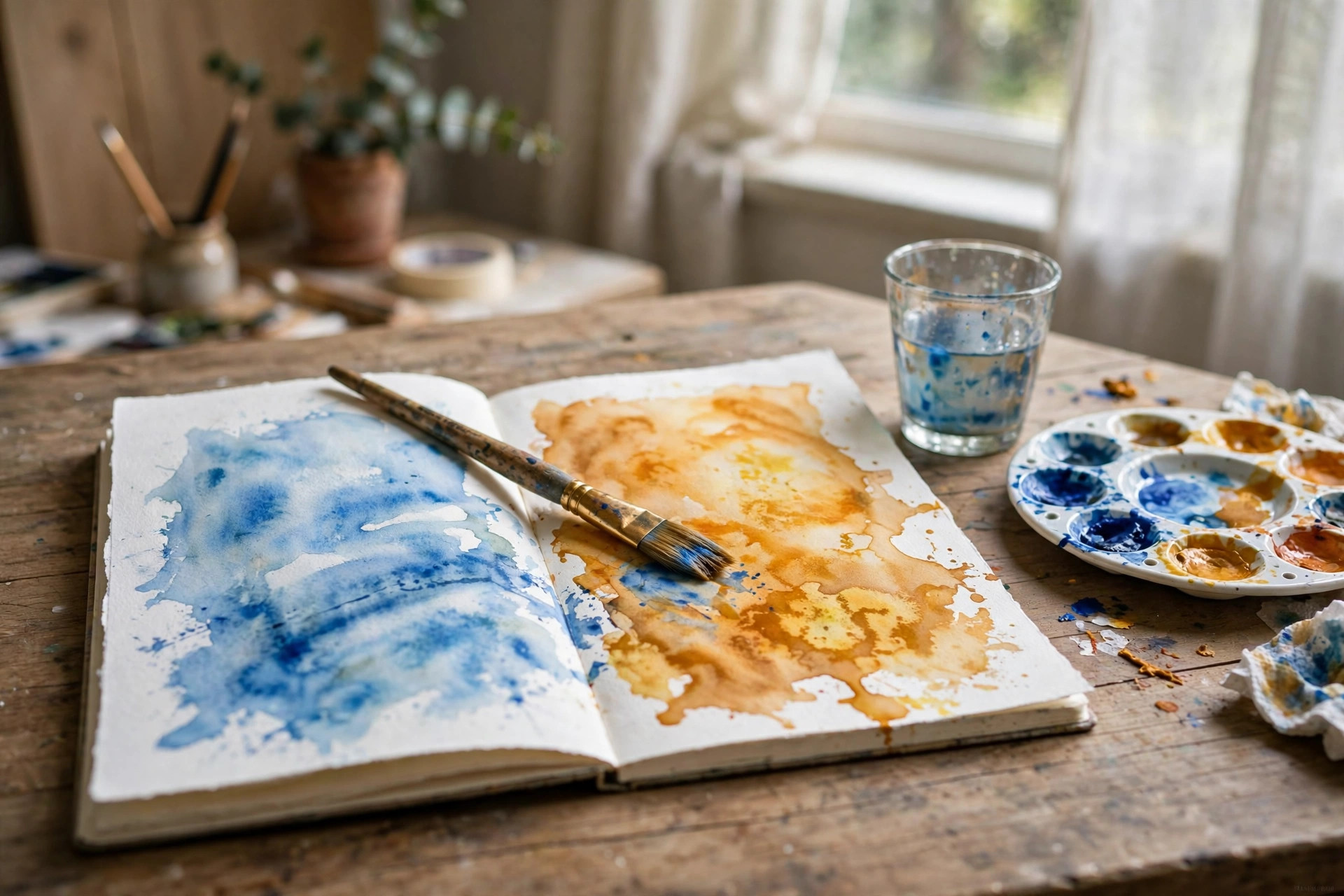
Watercolor is a thin paint. It sits on top of the sheet rather than sinking in like oil. That makes the sheet itself a working partner. The paper must hold water without buckling. It must take brush lifts without tearing. It must keep colors bright rather than dull and muddy.
Cheap sketch paper fails all three tests. It was never made for wet work. A painter who practices on copy paper or thin notebook stock learns bad habits fast. The water pools. The fibers lift. Frustration follows. Many beginners blame their skill when the paper is the true cause.
A true watercolor pad solves this. Its sheets are made from cotton or wood fiber treated to take water. The best watercolor paper pad for painting art gives a painter a fair surface. Technique can then be judged on its own merits. A flat wash will look flat. A lifted highlight will lift clean.
Paper also decides how long art survives. Acid-free, archival pads resist yellowing for decades. A birthday card or a framed gift painted on good stock will look fresh years later. One painted on cheap stock may fade and brown within a few seasons. If you plan to gift or sell your work, this point matters greatly.
What to Look For: How to Choose
Paper shopping can feel confusing. Numbers, terms, and price gaps fill every aisle. The points below cut through the noise. Use them as a checklist before you buy.
Paper Weight
Weight is measured in pounds or in grams per square meter. The higher the number, the thicker the sheet. Common watercolor weights are 90 lb (190 gsm), 140 lb (300 gsm), and 300 lb (640 gsm).
A 140 lb pad suits most painters. It takes medium washes without severe warping. A 90 lb sheet is light and fine for studies, but it will buckle with heavy water. A 300 lb sheet is heavy and costly; it stays flat under almost any amount of water. Beginners should start at 140 lb and move up only if their style demands it.
Sizing
Sizing is a glue or gel treatment added to the fibers. It controls how water soaks in. Well-sized paper lets water sit on the surface a while, so colors flow and blend. Poorly sized paper drinks water fast, and colors look dull.
You cannot read the sizing on a label, but trusted brands size their paper well. If a pad costs very little and bears no brand name, its sizing may be poor. Reviews from other painters often mention this. A craft supply retailer listing with painter reviews can be a useful check before you buy.
Texture: Cold Press, Hot Press, and Rough
Cold press is the most common texture. It has a light tooth that grabs pigment and suits most subjects. Hot press is smooth, made for fine detail and portrait work. Rough has deep texture, made for bold landscapes and loose skies.
Most painters learning the craft start with cold press. It forgives errors and works with many techniques. As your style settles, you can test the other two. Many pads are sold in all three textures, so you can keep the brand and change the feel.
Cotton Content
The finest watercolor paper is made from cotton. It handles water with grace, lifts clean, and lasts for generations. Paper made from wood pulp or mixed fiber costs less but performs less well. It tears sooner and fades faster.
A pad labeled 100 percent cotton is the top tier. Many mid-range pads use a cotton-wood blend. For practice, a blend is fine. For finished work you plan to keep, choose full cotton if the budget allows. This one trait shapes the feel of painting more than almost any other.
Pad Format and Sheet Count
Pads come glued on one edge, taped on four edges, or spiral bound. Glue-bound pads are common and cheap. Taped pads stay flat during painting, which is a real help for heavy washes. Spiral pads open flat and suit sketchbook work.
Sheet counts run from 10 to 50 sheets per pad. A larger count lowers the price per sheet. If you paint daily, buy pads with more sheets. If you travel, choose a small, light pad with fewer sheets that fits a bag.
Types of Watercolor Paper Pads
The market offers several clear types. Each suits a different painter.
Student pads use wood-pulp or blended fiber, light sizing, and cold-press texture. They are cheap and good for drills, color charts, and rough drafts. A child or a first-week beginner can learn freely on these without fear of waste.
Artist-grade pads use full cotton, careful sizing, and your choice of texture. They cost more but perform far better. A painter moving from practice to finished pieces should step up to this tier. Many professionals buy nothing else.
Mixed-media pads claim to handle watercolor plus ink, pencil, and gouache. They work for light washes, but they are not true watercolor paper. Heavy water will warp them. Use them only for dry-mixed studies, not for full watercolor pieces.
Travel pads are small, often pocket sized, with light sheets and a stiff back. They suit plein air sketching and daily journal work. If you paint outdoors or on trips, one of these belongs in your kit. Pair it with a small brush set and you have a studio in a pocket.
Cost and Price
Prices vary widely. A 9 by 12 inch student pad of 30 sheets may cost as little as five dollars at a fabric and craft store sale. An artist-grade 100 percent cotton pad of the same size may cost twenty to forty dollars. Large 300 lb cotton pads can pass fifty dollars.
The price per sheet tells the true story. Divide the pad price by the sheet count. A forty-dollar pad with fifty sheets costs eighty cents a sheet. That is cheap for the hours of painting each sheet can hold.
Buy in a way that fits your stage. Beginners should buy mid-range student pads and paint a lot. Painters moving to finished work should buy fewer, better pads. Buying the best watercolor paper pad for painting art does not mean buying the most costly one. It means buying the pad that fits your work.
Online shops can beat local prices, especially during sale events. Many painters check a few sources before a big restock, from local stores to online shops. Watch for multi-pack deals on pads you already trust.
Care and Upkeep
Good pads last longer with simple care. Keep these habits.
Store flat and dry. Stand pads upright or lay them flat in a dry room. Damp air curls sheets and can spot them with mildew. A simple shelf or flat drawer does the job.
Keep hands clean. Skin oils show on white paper. Wash and dry your hands before you touch a fresh sheet. Handle sheets by the edges.
Protect unused sheets. Keep the pad cover on between sessions. Dust settles fast in a studio. A cover keeps sheets clean and ready.
Test before committing. Before a large piece, paint a small test wash on a corner or a loose sheet from the same pad. Check how colors lift and blend. This small habit saves large sheets from surprises.
Flatten warped sheets. A slightly buckled sheet can be flattened by light misting on the back and pressing it under clean books overnight. Heavily warped sheets are best saved for practice.
Organize your craft space. A tidy painting area protects supplies. Simple shelving and a flat work table keep pads safe and within reach. General home improvement guidance and DIY project advice can help you set up a small studio corner, and a home improvement store stocks the basic shelves and tables most painters use. If painting shares the room with other crafts, give paper its own clean shelf away from glue and paint dust.
Crafters who enjoy many hobbies often pair painting with other pastimes. A paint by numbers kit for adults relaxation can be a gentle warm-up before free painting, and crafters who make gifts sometimes add a diy soap dispenser kit for bathroom crafts to the same handmade gift basket.
Safety
Watercolor paper itself is safe. The concerns lie in the craft room around it.
Dust from cutting. Some painters trim sheets to odd sizes. A sharp blade and a straight edge give clean cuts. Cut away from your body, keep blades covered when stored, and keep cutters out of reach of small children. General workshop safety tips apply here as well.
Mold in damp storage. Paper stored in a damp basement or garage can grow mold. This harms the paper and can irritate lungs. Store pads in dry rooms only. If a pad smells musty, air it out and check for spots before use.
Child safety. Keep heavy pad stacks, blades, and large books used for pressing out of reach of small children. A stack of large pads is heavier than it looks and can topple.
Frequently Asked Questions
What is the best watercolor paper pad for painting art for a total beginner? A mid-range student pad at 140 lb, cold press, with 25 to 30 sheets. It is cheap enough to waste and good enough to teach real technique. Move to cotton pads once your washes look steady.
Does the brand matter more than the paper type? Type matters more. A no-name 100 percent cotton pad will outpaint a famous brand’s student line. Check the fiber content, weight, and texture first, then compare brands within that tier.
Can I use both sides of a sheet? Yes, for practice. The back side often has a slightly different texture, but it works fine for drills and studies. For finished pieces, use the front side only.
Why does my paper buckle even though it says watercolor? Light sheets buckle under heavy water. Move up to 140 lb or heavier, use less water in your washes, or tape the sheet down on all four edges before you paint. Taped pads resist buckling better than glued pads.
How many sheets should I buy at once? Painters who paint daily often buy two or three pads at a time. Sheets do not spoil if stored dry, so stocking up during a sale is smart. Beginners should start with one pad and replace it when empty.
Is expensive paper worth it for a hobby painter? It is worth it when you paint finished pieces you want to keep, frame, or gift. For daily drills and experiments, student paper is the right call. Many painters keep both on hand and choose per session.
A Final Word
The best watercolor paper pad for painting art is the one that lets you paint with trust. Trust that the wash will behave. Trust that a lift will lift. Trust that the finished piece will keep its light. Start with a solid 140 lb cold-press pad, learn its ways, and grow into cotton when your work asks for it. Paper is a quiet tool, but it shapes every painting you make.
Craft hobbies grow with time. Some painters later branch into heat transfer vinyl for shirts or other crafts once their painting habit is strong. Whatever path you take, a good pad is a fine place to begin.
See Blick Art Materials for more detail.
References
Amazon. (n.d.). Online shopping. https://www.amazon.com Blick Art Materials. (n.d.). Art and craft supplies. https://www.dickblick.com Bob Vila. (n.d.). Home improvement advice. https://www.bobvila.com Family Handyman. (n.d.). DIY home repair and maintenance. https://www.familyhandyman.com JOANN. (n.d.). Fabric and craft supplies. https://www.joann.com Michaels. (n.d.). Arts and crafts supplies. https://www.michaels.com The Home Depot. (n.d.). Home improvement products. https://www.homedepot.com This Old House. (n.d.). Home renovation guidance. https://www.thisoldhouse.com
Was this guide helpful?

About Jennifer Lee
The My Garden US editorial team writes practical, in-depth home and garden guides for American homeowners — tested advice, no fluff.
You May Also Like
DIY String Art Kit for Wall Decor Beginners: A Complete Guide
June 1, 2026 0 views
Best Heat Transfer Vinyl for Shirts Cricut: A Plain Guide to Choosing the Right Cut
February 7, 2026 0 views
Best Wood Stain for DIY Furniture Refinishing
July 10, 2026 0 views