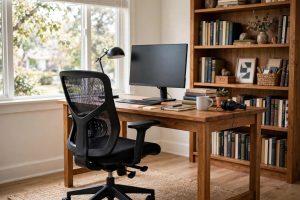

Why a Compact Bookshelf for Home Office Closet Setup Makes Sense
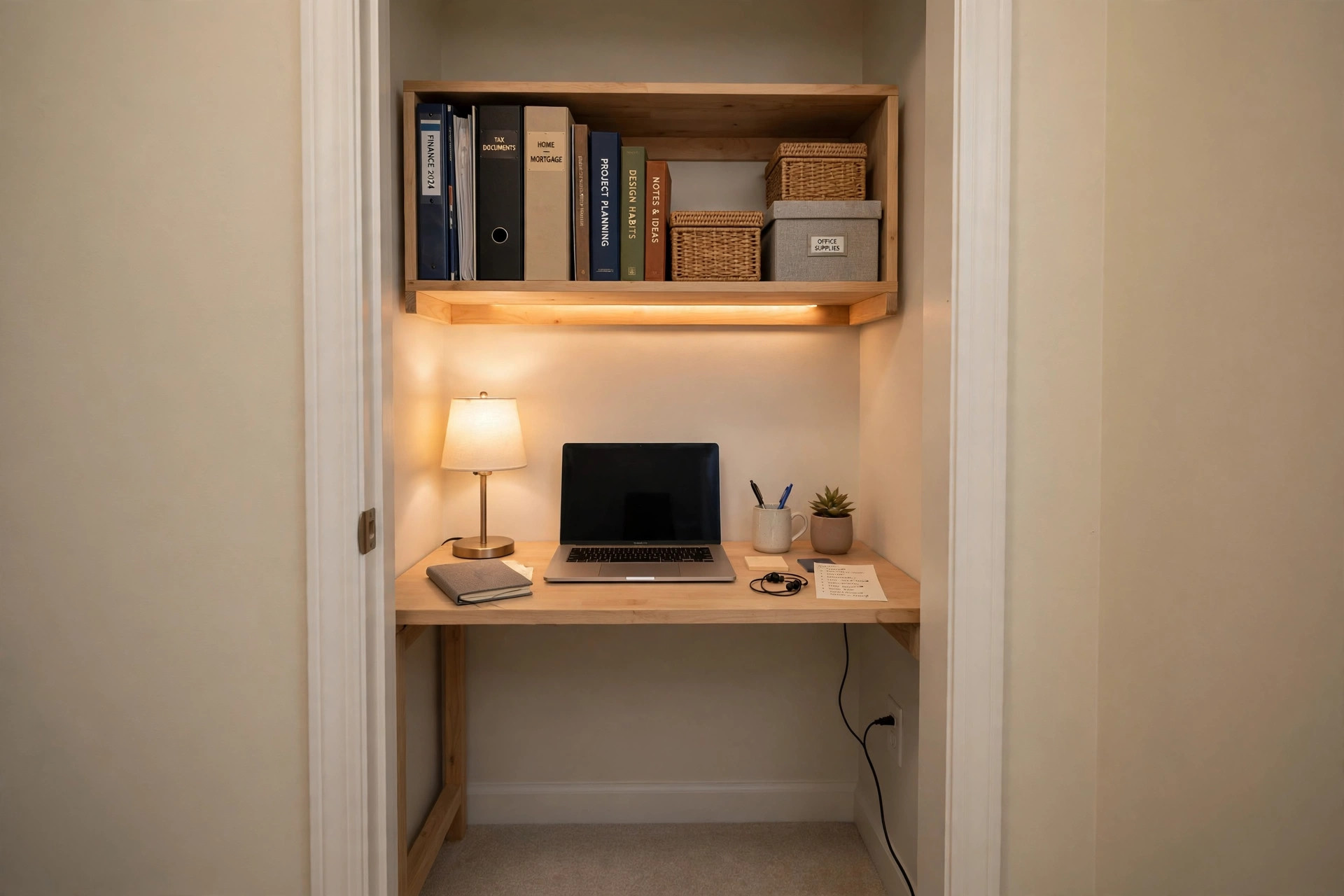
A spare closet can hold more than coats. With care, it can hold a desk, a chair, and a compact bookshelf for home office closet setup. This small change turns dead space into a real place to work.
Many homes have a closet that sees little use. The spare room closet. The hallway closet. The guest room closet. When the door comes off, light goes in. A narrow desk fits the floor. A compact bookshelf for home office closet setup fits the wall above or beside it.
Space is the main reason. A full room office takes a whole room. A closet office takes a corner. Renters gain a work zone without giving up a bedroom. Homeowners keep the spare room free for guests.
Order is the second reason. Books, binders, and boxes land on the shelves. The desk stays clear. A clear desk makes work feel calm. Studies of home workers show again and again that a tidy space aids focus. The shelf is the engine of that tidy space.
Cost is the third reason. A compact bookshelf costs far less than a remodel. A few hours of work and a small shelf turn an unused closet into a working office. No permits. No carpenters. Just measure, place, and fill.
What to Look for When You Choose One: Compact Bookshelf for Home Office Closet Setup
Not every shelf fits a closet. The space is narrow and deep. The light is dim. The air can be still. Keep these points in mind when you pick a compact bookshelf for home office closet setup.
Measure First, Buy Second
Measure the width of the closet opening. Measure the inside depth. Measure the height to the rod. Most reach-in closets run 48 to 72 inches wide and 24 inches deep. Write these numbers down before you shop.
Leave room for the door. If the closet has sliding doors, the shelf must clear them. If you remove the doors, you gain a few inches. Many closet offices drop the doors for this reason. Hinges come off in minutes.
Leave room for your chair. The chair pulls out from the desk. The shelf should sit high enough that it does not block your head or your back. Sit at the desk and have a friend mark the wall at a safe height.
Pick the Right Depth
A compact bookshelf for home office closet setup should run 8 to 12 inches deep. That depth holds most books, binders, and small boxes. A deeper shelf eats into the knee room in front of the desk.
Watch the desk depth too. A desk of 20 inches plus a shelf of 12 inches fills a 24-inch closet. That works when the shelf mounts above the desk. It does not work when the shelf stands on the floor beside the desk.
Check the Weight Rating
Books are heavy. A shelf of paperback books can weigh 30 pounds per foot. Pressboard shelves sag under that load. Look for a stated weight rating per shelf. Solid wood and metal hold more than thin particle board.
Wall anchors matter. Closet walls may be drywall with studs behind. Find the studs with a stud finder. Fasten the shelf brackets to the studs. If no stud lines up, use toggle bolts rated for the load.
Think About Light and Air
Closets are dark. Place the shelf so it does not block the light. A lamp or LED strip on the shelf underside can light the desk below. This trick turns the shelf into a light source.
Air flow matters for books. A closed closet grows damp in some homes. Leave a small gap behind books so air can move. Do not pack the shelves tight against the back wall in a damp climate.
Types and Options That Fit a Closet
Many kinds of compact bookshelf suit a home office closet setup. Each has its strengths. Pick the one that fits your space and your budget.
Wall-Mounted Floating Shelves
Floating shelves fix to the wall with hidden brackets. They look clean. They leave the floor free. In a closet, two or three floating shelves above the desk hold books and small boxes. They cost little and install in an hour. Their weak point is load. Keep heavy sets on the lower shelf, near the brackets.
Narrow Tower Bookcases
A tower bookcase stands on the floor and rises tall. A unit 24 inches wide and 72 inches tall fits most closet sides. It holds many books in a small footprint. Look for one with a low depth, near 10 inches. A home office storage cabinet with locking doors pairs well with a tower shelf when you need to hide supplies.
Adjustable Track Shelving
Track shelving mounts vertical rails to the wall. Brackets clip in at any height. This system suits a closet because you can set shelf heights around your desk, lamp, and monitor. Stores sell kits with rails, brackets, and boards. You cut boards to the closet width. The result looks built in.
Cube and Cubby Units
Cube units divide the space into square holes. Each cube holds a fabric bin, a stack of books, or a printer. A two-by-four cube unit turns on its side to make a low, wide shelf. Cubby units suit people who like hidden storage. A home office bookshelf with closed storage bins works on the same idea and keeps clutter out of sight.
Corner and L-Shaped Shelves
Some closets wrap around a corner. A small L-shaped shelf fills that corner. These units are less common in stores. You may need to build one from two short shelves. The gain is real: corners often waste space, and a corner shelf reclaims it.
Freestanding Mini Bookcases
A small freestanding case, two or three shelves high, sits beside the desk inside the closet. It moves when you rearrange. It needs no wall holes, which renters like. Its height stays below the desk lamp line so light still reaches your work.
If your closet desk is small, plan the whole corner at once. A small corner desk with drawers for apartment office shows how desk and shelf can share tight quarters.
Cost and Price: What to Expect
Prices for a compact bookshelf for home office closet setup range wide. Simple units cost little. Built-in looks cost more. Here is a plain view of what buyers in the United States tend to pay.
Under 40 dollars. Basic particle-board tower shelves and short floating shelves sit in this band. They work for light loads: paperbacks, small boxes, decor. Expect some sag under heavy books.
40 to 120 dollars. This is the sweet spot for most closet offices. Sturdy wood-look shelves, track kits, and cube units with bins live here. Weight ratings run higher. Finishes look neat enough for video calls.
120 to 300 dollars. Solid wood shelves, metal industrial units, and larger track systems fall here. These hold full rows of binders and heavy reference books. They last for years.
Over 300 dollars. Custom-cut built-ins and designer wall systems. You pay for exact fit and fine finish. Few closet offices need this, but a long-term home office may justify it.
Extra costs add up. Wall anchors and brackets run 10 to 20 dollars. A small LED strip for under-shelf light costs 15 to 30 dollars. Fabric bins for cube units cost 5 to 12 dollars each. A stud finder, if you lack one, costs about 20 dollars.
Watch for sales. Late summer and January bring clearances on office furniture. Big-box stores and online sellers both cut prices then. A patient buyer can save a third.
Setting Up: A Simple Order of Work
A clear order keeps the job easy. Follow these steps over a weekend.
1. Empty the closet. Take everything out. Clean the walls and floor. Note the outlets and light switch. 2. Remove the doors if you wish. Take sliding doors off their tracks or unhinge swing doors. Store them flat in a garage or attic. 3. Paint if needed. A fresh coat of light paint brightens a dark closet. White or pale gray works best. 4. Run power. A power strip with a long cord feeds the desk gear. Mount it low on the side wall. 5. Mount the shelves. Mark heights while seated at the desk. Find studs. Fix brackets level. Set the boards. 6. Add light. Stick an LED strip under the lowest shelf. Aim it at the desk. 7. Fill the shelves. Heavy books low. Light boxes high. Daily items at arm reach.
Take your time with step five. Level shelves matter. A shelf that tilts drops books. A small bubble level costs little and saves trouble.
Care and Upkeep
A compact bookshelf for home office closet setup needs little care. A few habits keep it sound for years.
Dust monthly. Closets trap dust. A dry cloth or a duster on the shelves keeps books clean. Dust on books can stain pages over time.
Check brackets yearly. Tighten screws once a year. Wood shrinks and swells with the seasons. A loose bracket sags. Catch it early.
Watch for damp. If the closet shares a wall with a bath, check the back wall in humid months. A small dehumidifier or a box of moisture absorber guards the books.
Resist overload. Shelves fail when loads creep up. If you add books, move others out. Keep the rated load in mind.
Keep the floor clear. A closet office has no room for floor piles. When a box lands on the floor, find it a shelf home or move it out.
Safety Points Worth Heeding
Safety in a small office is easy to overlook. These points take minutes and prevent real harm.
Anchor tall units. A tower bookcase can tip when a child climbs it. Strap the top to the wall with the kit that comes in the box. This step is vital in homes with small children.
Mind the electrics. Do not run cords under the shelf where they pinch. Keep the power strip where you can reach its switch. Unplug heaters and high-draw gear when you leave.
Keep a clear exit. The chair must pull back freely. Do not block the closet opening with boxes. In a fire, seconds count.
Mind air quality. A closed closet with a printer can trap toner dust and heat. Crack the room door or add a small fan. If the printer sits on the shelf, leave space around it for air.
Check cord loads. One strip can feed a lamp, a laptop, and a monitor. It should not feed a space heater too. Read the strip rating and stay under it.
Frequently Asked Questions
How deep should a compact bookshelf for a home office closet setup be?
Eight to 12 inches suits most closets. That depth holds standard books and binders. It leaves knee room in front of a desk. Deeper shelves work only in walk-in closets with room to spare.
Can I put a bookshelf in a closet without drilling holes?
Yes. A freestanding mini bookcase needs no holes. A tension-rod shelf spans the closet width with pressure alone. These suit renters. They hold less weight than wall-fixed shelves, so keep loads light.
Will books get damp in a closet office?
They can in humid homes. Leave a finger of space behind the books for air. Avoid the back wall if it feels cool and damp. A small moisture absorber on the shelf helps. If damp persists, choose a different wall or add ventilation.
How high should shelves sit above a closet desk?
The lowest shelf should clear your seated head and your monitor. For most adults, 18 to 24 inches above the desk top works. Set the next shelves 12 to 15 inches apart. Tall books need the taller gaps.
What is the best shelf type for video call backdrops?
A tidy cube unit or a track shelf with neat rows of books reads well on camera. Keep the center of the frame calm. A plant or a small frame at the edge adds warmth. Avoid clutter at eye level.
How much weight can a floating shelf hold in a closet?
It depends on the bracket and the wall. Good brackets in studs hold 30 to 50 pounds per shelf. Brackets in drywall alone hold far less. Check the maker rating and stay under it. Heavy books belong low and near the studs.
A Short Final Word
A compact bookshelf for home office closet setup is a small buy with a large payoff. It gives your papers a home. It frees your desk. It turns a dark closet into a bright corner for work. Measure with care, anchor with sense, and keep the shelves tidy. The closet will repay you every workday.
For more background, see Steelcase, UPLIFT Desk, and The Spruce. For more background, see Wirecutter, PCMag, and IKEA. Buying guides are also published by Wayfair and Herman Miller.
References
Herman Miller. (n.d.). Office furniture and ergonomic seating. https://www.hermanmiller.com IKEA. (n.d.). Home furnishings. https://www.ikea.com PCMag. (n.d.). Technology product reviews. https://www.pcmag.com Steelcase. (n.d.). Office furniture and workplace research. https://www.steelcase.com The Spruce. (n.d.). Home and garden advice. https://www.thespruce.com UPLIFT Desk. (n.d.). Standing desks and ergonomic office furniture. https://www.uplift-desk.com Wayfair. (n.d.). Furniture and home goods. https://www.wayfair.com Wirecutter. (n.d.). Product reviews from The New York Times. https://www.nytimes.com/wirecutter
Was this guide helpful?

About Jennifer Lee
The My Garden US editorial team writes practical, in-depth home and garden guides for American homeowners — tested advice, no fluff.
You May Also Like
Best Standing Desk for Gaming and Work Combo: A Complete Guide
June 21, 2026 0 views
Home Office Wall Clock With Silent Movement
May 7, 2026 0 views
Compact Desk With Keyboard Tray for Small Room
April 9, 2026 0 views