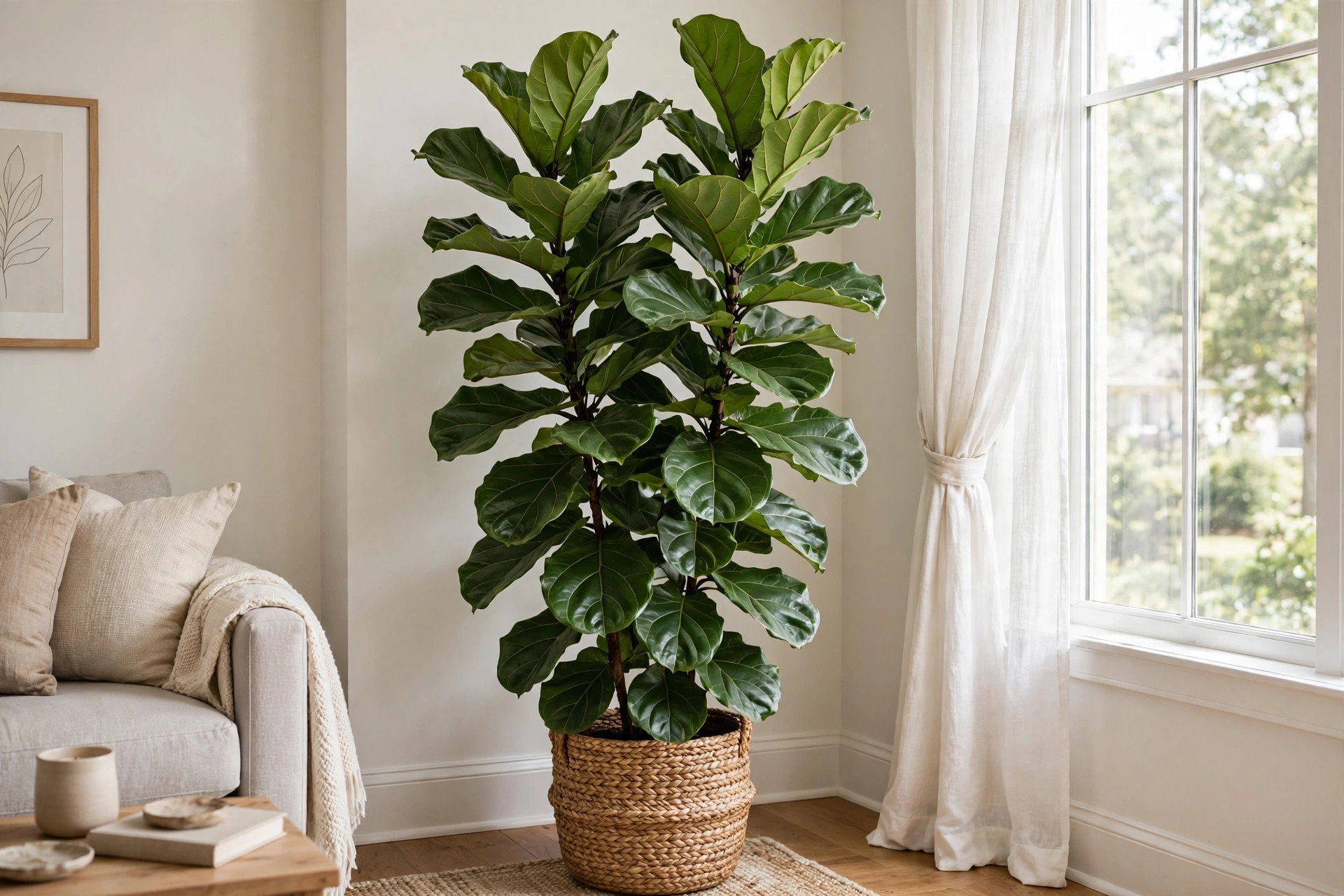
The fiddle leaf fig has become one of the most loved indoor plants in the United States. Its broad green leaves and tall shape make it a natural fit for living rooms and offices. If you are searching for fiddle leaf figs for sale usa, you have many good choices. Nurseries, garden centers, and online stores across the country carry this plant. This guide will help you find a healthy tree, pay a fair price, and keep it alive for years.
Why It Matters
A fiddle leaf fig is more than a decoration. Studies of indoor plants show that green life in a room can lift mood and make a space feel calm. The fiddle leaf fig, known as Ficus lyrata, does this work better than most plants. Its large leaves draw the eye. Its height fills empty corners.
Buying from a trusted seller matters because this plant can be fussy. A weak or sick plant will drop its leaves within weeks. A strong one will settle in and grow. When you shop for fiddle leaf figs for sale in the USA, you want a seller who knows plants and ships them with care. Good growers, such as the team at Costa Farms, raise thousands of healthy indoor plants each year and pack them so they arrive safe.
A good purchase also saves money in the long run. A cheap, poor-quality tree may need to be replaced in a few months. A healthy tree from a good source can live for decades with basic care. Many owners keep the same fiddle leaf fig for ten years or more, moving it from room to room as their home changes.
What to Look for When You Buy: Fiddle Leaf Figs for Sale Usa
Leaves
Look at the leaves first. They should be broad, green, and firm. A few small brown spots are common and not a big worry. But pass on any plant with many yellow leaves or leaves that feel dry and papery. Lift a leaf gently. It should feel thick and smooth.
New growth is a good sign. Look at the top of the plant for a fresh leaf or a tight green bud. This tells you the plant is active and healthy.
Trunk and Roots
The trunk should stand straight and feel firm. If the trunk bends too easily or feels soft, the plant may have root trouble. Ask the seller about the root ball. Healthy roots are white or light tan. Dark, mushy roots point to rot.
Size
Fiddle leaf figs come in many sizes. Small starter plants may be one foot tall. Floor plants can reach six feet or more. Think about your space before you buy. A small plant costs less and adapts to a new home faster. A tall plant makes a bigger statement but costs more to ship.
Seller Reputation
Read reviews before you order. A good seller answers questions about light, water, and shipping. Nurseries with long histories, like the growers listed by White Flower Farm, often give the best advice. Avoid sellers who cannot tell you where the plant was grown.
Types and Options
The Standard Tree
The classic fiddle leaf fig is Ficus lyrata. It has large, fiddle-shaped leaves on a woody trunk. Most trees sold in the USA are this type. It grows well indoors and can reach the ceiling in a few years.
The Bambino or Dwarf Form
The dwarf form, often called Bambino, has smaller leaves and a more compact shape. It suits small rooms and apartments. It grows more slowly, which many buyers prefer.
Bush Form vs. Tree Form
Some sellers offer a bush form with several stems. Others sell a single-trunk tree form. The bush form looks full right away. The tree form looks more formal and classic. Both grow the same way over time.
Potted vs. Bare Root
Most fiddle leaf figs for sale in the USA come in nursery pots, ready to place in a decorative cover pot. Bare root plants are rare for this species and harder for beginners. Choose a potted plant unless you have experience with bare root stock. Reputable suppliers such as Burpee and Park Seed ship plants in pots with soil intact.
Where to Find Fiddle Leaf Figs for Sale in the USA
Local Garden Centers
Your local garden center is a fine place to start. You can see the plant before you buy it. You can check the leaves, the trunk, and the soil. Staff can answer questions on the spot. Many centers carry both small and large sizes.
Big Box Stores
Large home and garden stores often stock fiddle leaf figs in the indoor plant section. Prices can be low. But stock moves fast, and care may be uneven. Check each plant closely. Look for pests under the leaves.
Online Nurseries
Online shopping gives you the widest choice. You can compare sizes and prices from your chair. Many online nurseries grow their own stock in American greenhouses. Shipping usually takes a few days. Plants are boxed with heat packs in winter. Read the shipping policy before you order. In cold months, good sellers add heat packs to the box. In summer, they ship early in the week so the plant does not sit in a hot warehouse over the weekend. Ask how long the plant will be in transit. Two to four days is normal.
When you buy online, look for sellers who share real photos of the exact plant or at least of the size you will get. Growing guides from sites like Gardening Know How can help you judge whether a plant looks right when it arrives.
Plant Shops and Boutiques
Small plant shops often carry hand-picked fiddle leaf figs. The staff tends to know each plant well. Prices run higher, but the quality is often excellent. These shops are also good places to buy pots, soil, and tools in one trip. For pots and plant supplies, stores like Gardener’s Supply Company carry a wide range.
Cost and Price
Prices for fiddle leaf figs for sale in the USA vary with size and seller.
– Small starter plants (1 to 2 feet): often 20 to 50 dollars. – Medium plants (3 to 4 feet): often 60 to 150 dollars. – Large floor plants (5 feet and up): often 150 to 400 dollars or more. – Rare or extra-full specimens: can cost more.
Shipping adds to the cost for online orders. Expect 15 to 40 dollars for shipping, depending on size and distance. Some sellers offer free shipping over a set amount.
Do not judge by price alone. A 25-dollar plant that dies in a month costs more than a 90-dollar plant that thrives for years. Pay for health first. Seasonal sales in spring and fall can bring good prices on quality stock.
Care and Upkeep
Light
Fiddle leaf figs need bright, indirect light. A spot near an east or south window works well. Too little light slows growth and causes leaf drop. Too much direct sun can burn the leaves. The Old Farmer’s Almanac offers simple guidance on reading light levels in your home through the seasons.
Water
Water when the top two inches of soil feel dry. Water deeply until it drains from the bottom. Then let the soil dry again. Overwatering is the most common cause of death. It leads to root rot. Underwatering causes brown, crispy leaf edges.
Soil and Potting
Use a well-draining potting mix made for indoor plants. A mix with bark and perlite works well. Repot every one to two years, or when roots fill the pot. Move up only one pot size at a time.
Feeding
Feed with a balanced houseplant fertilizer during spring and summer. Follow the label rate. Do not feed in winter when growth slows. Too much fertilizer burns roots and spots leaves.
Cleaning and Pruning
Wipe leaves with a damp cloth every few weeks. Dust blocks light and slows growth. Care guides like those at The Spruce show this simple cleaning step in detail. Prune in spring to shape the tree. Cut just above a leaf node to encourage branching. You can root cuttings in water to grow new plants.
Rotate the pot a quarter turn every few weeks so all sides get light. This keeps the trunk straight and the growth even. Stake young trees if they lean, but remove the stake once the trunk firms up.
Common Problems
– Leaf drop: often caused by a sudden move, cold drafts, or a big change in light. Give the plant time to adjust. – Brown spots: may come from overwatering, sunburn, or fungal issues. Check your watering first. – Pests: spider mites and scale can attack fiddle leaf figs. Wipe leaves and treat with insecticidal soap if you see them.
Research-based growing advice from NIFA, the federal agency that funds plant science in the USA, supports these basic care steps for indoor figs.
Safety
Fiddle leaf figs are toxic to cats and dogs if chewed. The sap can irritate skin. Keep the plant out of reach of pets and small children. If a pet eats part of the plant, call your vet. Wash your hands after pruning.
The plant is also sensitive to cold. Keep it away from drafty doors and heating vents. Temperatures below 50 degrees Fahrenheit can damage leaves. When your plant arrives in winter, open the box indoors right away.
Related Plants You May Like
If you like the bold look of the fiddle leaf fig, you may also enjoy other statement houseplants. Many shoppers compare notes on monstera plants sale buying guide usa before they decide. The fiddle leaf figs buying guide usa covers general buying tips in more depth. And if you want something easier to keep, the snake plants indoor buying guide usa is a good next read.
Plant breeders keep improving indoor varieties. New compact forms appear each year. Trial programs run by groups like Proven Winners test how new plants perform in real homes. Heritage nurseries such as Gurney’s also carry a rotating stock of indoor plants worth a look.
FAQ
How much should I pay for a fiddle leaf fig in the USA?
A healthy small plant often costs 20 to 50 dollars. A medium plant runs 60 to 150 dollars. Large floor plants can cost 150 to 400 dollars or more. Shipping may add 15 to 40 dollars for online orders.
Is it better to buy a fiddle leaf fig online or in a store?
Both work. Stores let you inspect the plant in person. Online sellers offer more sizes and often grow in dedicated greenhouses. Choose a seller with strong reviews either way.
How can I tell if a fiddle leaf fig is healthy before I buy?
Look for firm green leaves, a straight firm trunk, and signs of new growth at the top. Avoid plants with many yellow leaves, soft trunks, or visible pests.
How fast do fiddle leaf figs grow indoors?
In good light, a fiddle leaf fig can grow one to two feet per year. Growth slows in winter and in low light.
Why are the leaves falling off my new fiddle leaf fig?
Leaf drop after a move is common. The plant is adjusting to new light and air. Keep conditions steady, avoid drafts, and give it a few weeks.
Are fiddle leaf figs safe for pets?
No. They are toxic to cats and dogs if eaten. Keep them where pets cannot reach, and call your vet if your pet chews the leaves.
A Short Final Word
Finding fiddle leaf figs for sale in the USA is easy. Finding a healthy one takes a little care. Check the leaves, the trunk, and the seller. Give the plant bright light and steady water. With patience, your fiddle leaf fig will grow into a fine, long-lived part of your home.
References
Burpee. (n.d.). Seeds, plants, and gardening supplies. https://www.burpee.com Costa Farms. (n.d.). Indoor plants. https://www.costafarms.com Gardener’s Supply Company. (n.d.). Gardening tools and supplies. https://www.gardeners.com Gardening Know How. (n.d.). Gardening guides and plant care. https://www.gardeningknowhow.com Gurney’s Seed & Nursery Co. (n.d.). Seeds, plants, and garden supplies. https://www.gurneys.com National Institute of Food and Agriculture. (n.d.). Agricultural research and extension. https://www.nifa.usda.gov Park Seed. (n.d.). Seeds, plants, and gardening supplies. https://www.parkseed.com Proven Winners. (n.d.). Plants and gardening inspiration. https://www.provenwinners.com The Old Farmer’s Almanac. (n.d.). Gardening calendars and advice. https://www.almanac.com The Spruce. (n.d.). Home and garden advice. https://www.thespruce.com White Flower Farm. (n.d.). Plants, bulbs, and garden supplies. https://www.whiteflowerfarm.com
Was this guide helpful?

About Lisa Anderson
The My Garden US editorial team writes practical, in-depth home and garden guides for American homeowners — tested advice, no fluff.