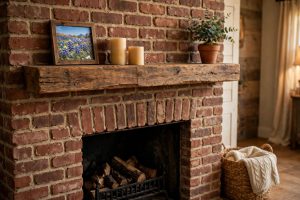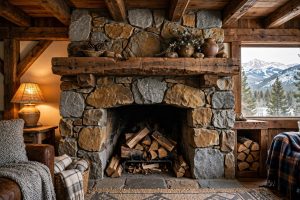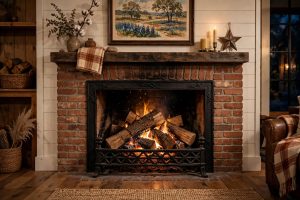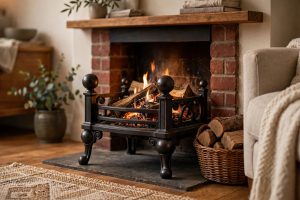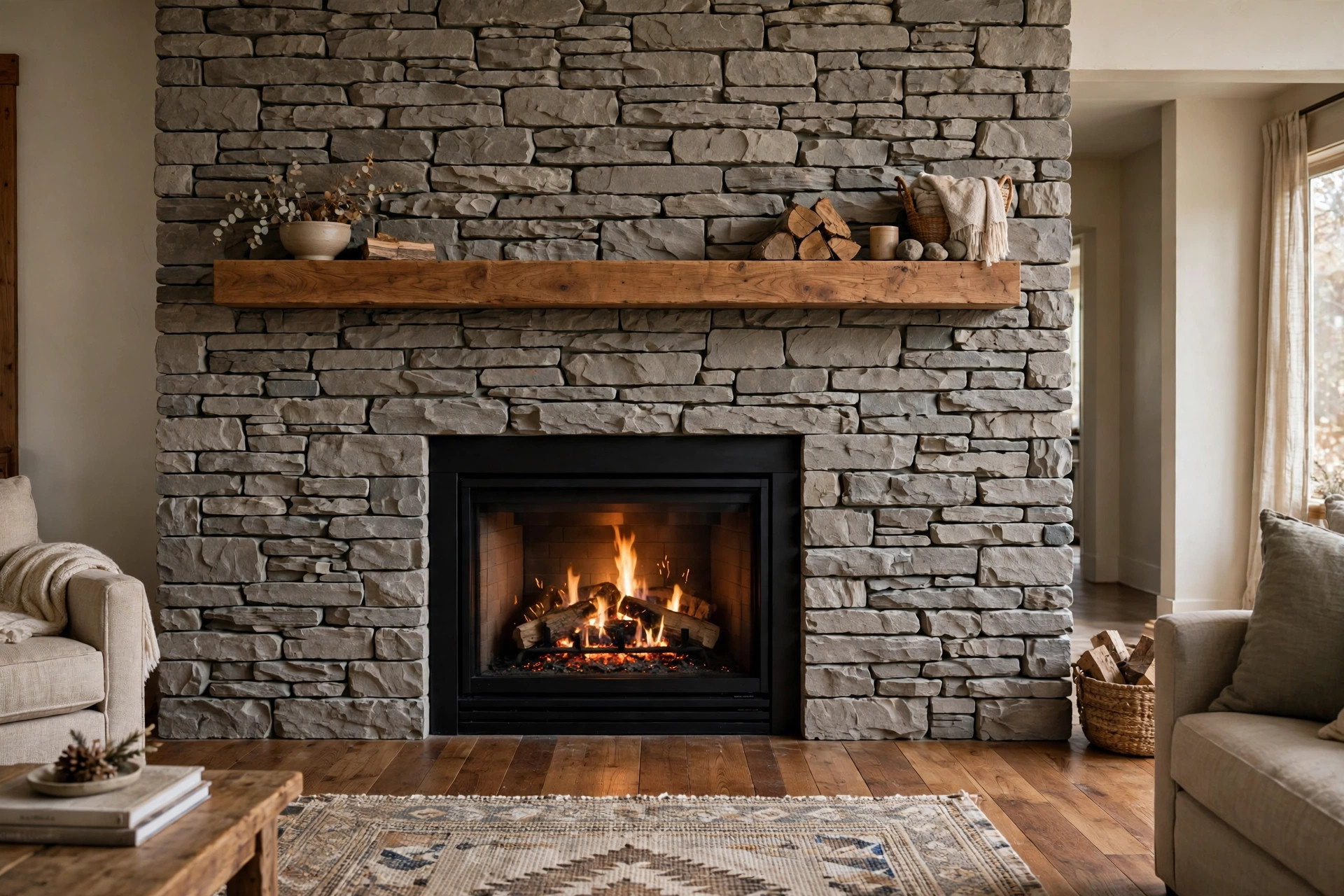
A fireplace sits at the heart of many midwest homes. Winter lasts long in this part of the country. Nights turn cold by late fall. A good hearth becomes the place where a family gathers. This is why top rated stone fireplace surrounds for midwest homes earn such steady interest. Stone holds up to heat. It suits the plain, sturdy style of the region. And it raises the worth of a house when the owner decides to sell.
This guide explains what makes a stone surround a top rated choice. It covers the best stone types for cold climates. It looks at cost. It walks through care and upkeep. It also covers safety, since a surround must handle real heat from a real fire. By the end, you will know how to pick a surround that fits your home and your budget.
Why a Stone Surround Matters in the Midwest
The midwest has a long heating season. In states like Minnesota, Wisconsin, Iowa, and Illinois, a fireplace may burn from October through April. A surround takes the full force of that heat, year after year. Thin or weak material can crack, stain, or pull away from the wall. Stone stands firm through season after season.
Stone also fits the look of midwest houses. Many homes here use brick, timber, and natural wood. A stone surround carries the same honest feel. It does not look fussy. It ages well. A limestone or granite face that looks good on day one still looks good ten years later.
There is a plain money reason as well. Buyers like fireplaces. A clean stone surround helps a home photograph well and show well. Real estate agents in the region often point to a strong hearth as a selling point. A top rated stone fireplace surrounds for midwest homes project is not just about looks. It is a sound use of money.
Stone also pairs well with the fuels used here. Many midwest homes burn wood from local trees. Others run natural gas or propane. Stone facing works with all three. It does not warp, melt, or give off fumes. That makes it a safe pick no matter which fuel your home uses.
What to Look for in a Top Rated Surround: Top Rated Stone Fireplace Surrounds for Midwest Homes
Not every stone surround deserves a high mark. The best ones share a few traits. First, the stone must be heat rated for its spot. The firebox opening needs noncombustible material. Most building codes spell out how far noncombustible facing must reach from the opening. Check your local code before you buy.
Second, the backing must be solid. Stone is heavy. A good surround uses proper lath, mortar, and support. If the wall behind it is weak, the stone can slip over time. Many top makers now ship panel systems. These panels cut the weight while keeping the look of real stone. They are a sound pick for older homes with light framing.
Third, think about freeze and thaw. In the midwest, a fireplace on an outside wall faces cold from both sides. Stone that soaks up water can crack in a freeze. Denser stone with a low absorption rate lasts longer. Sealers help too, but the stone itself should be right for the climate.
Fourth, look at the finish. Honed, tumbled, or natural cleft finishes hide soot and wear better than high polish. In a home with kids or pets, a forgiving finish saves work. The Family Handyman site carries plain advice on hearth projects that hold up to daily life.
Stone Types That Do Well in Cold Climates
Several stones lead the field for midwest homes. Each has its own strengths.
Granite. Granite is dense and hard. It takes heat well and resists stains. It comes in many colors, from pale gray to deep black. It costs more than most stone, but it lasts for decades with little care.
Limestone. Limestone gives a soft, warm look. It suits farmhouse and colonial style homes. It is softer than granite, so it can mark if struck hard. Many midwest owners still pick it for its gentle color.
Slate. Slate is a layered stone with deep color. It works well for a full wall surround. It is less common than granite, but it handles heat and cold with ease.
Fieldstone and river rock. These stones carry a rustic look. They suit cabins, lodges, and country homes across the upper midwest. Each stone differs in shape, so the mason must set them by hand. The labor adds cost, but the result is one of a kind.
Stacked stone veneer. This is thin cut stone set in rows. It is lighter than full depth stone. It fits over most wall types. For many buyers, a stacked ledger panel gives the top rated look at a fair price.
Cast stone. Cast stone is made, not quarried. Good cast stone copies the look of cut limestone. It costs less and weighs less. For a clean, formal mantel look, it is worth a look.
When you shop, ask the seller for the stone’s heat rating and water absorption rate. A trusted shop should answer both with ease. The guides at This Old House explain how to judge hearth material for older homes.
Measuring and Planning Your Surround
Start with the firebox. Measure the opening width and height. Note the depth of the hearth. Then measure the wall space you plan to cover. Many midwest rooms run a surround from floor to ceiling. Others stop at the mantel shelf.
Keep clearance in mind. Wood mantels and trim must sit a set distance from the firebox opening. The exact distance depends on your code and your firebox type. Gas units and wood units do not follow the same rules. If you plan to add a mantel shelf, read a mantel shelf buying guide before you cut anything.
Plan for the hearth extension too. The floor in front of the firebox must carry noncombustible material out a set distance. Stone tile or slab works well here. A clean hearth line makes the whole job look finished.
If your home has a metal chimney or a prefab firebox, buy a surround made for that unit. Some makers, like Napoleon and Heatilator, list which facing kits fit their boxes. The wrong facing can void a warranty.
Cost and Price Ranges
Cost depends on stone type, size, and labor. Here is a plain range for midwest projects.
A small stone veneer kit for a standard opening can run from $600 to $1,500 for material alone. These kits suit a do-it-yourself owner with some skill.
A mid size job with stacked stone veneer, set by a mason, often runs $2,500 to $6,000. This covers a wall from floor to mantel height.
A full floor to ceiling wall in natural stone, set by hand, can run $8,000 to $15,000 or more. Fieldstone and river rock sit at the high end because of the labor.
Cast stone mantel systems often fall between $1,200 and $4,000. They ship as a kit and set faster than loose stone. Compare kit prices at Lowe’s as well, since seasonal sales can cut material cost by a good margin.
Shop around. Prices move with stone type and with the season. Masons in the midwest book up in fall, when everyone wants the job done before the cold sets in. Spring work often costs less. Get three written bids before you sign. A clear bid should list the stone type, the square footage, the labor, and the time frame. A fireplace glass doors buying guide can help you plan the full hearth budget at once.
Care and Upkeep
Stone asks for little care, but it does ask for some. Dust the face with a soft brush or cloth each month. Soot marks near the opening can be lifted with a mild soap and water mix. Stay away from harsh acid cleaners. They can etch limestone and some slate.
Seal the stone every two to three years if your mason suggests it. A breathable sealer keeps water out while letting vapor pass. This matters on outside walls in freeze zones. Do not seal a surround that the maker says should stay unsealed.
Check the mortar joints once a year. Small cracks can be patched with matching mortar. Large cracks may mean the wall moved. If you see wide gaps, call a mason before the next burning season.
Wood burning leaves more soot than gas. If you burn wood, sweep the chimney each year and wipe the stone face in spring. The EPA Burn Wise program gives plain tips for clean, safe wood burning that keeps soot down.
Safety First
A surround is part of a fire system. Treat it that way. Keep the clearance rules from your local code. Do not hang stockings, garlands, or wood trim inside the clearance zone.
If you burn wood, use a screen or glass doors. Sparks can land on a rug or a wood floor in a second. If your living room is small, top rated stone fireplace surrounds for small apartments shows how a stone hearth can fit a tight space while keeping safe clearances.
Have the chimney swept and checked each year by a certified sweep. Creosote buildup is the main cause of chimney fires in the midwest. A clean flue also cuts the soot that stains stone.
For gas units, have the burner and vent checked each fall. A yellow, lazy flame can mean a problem. Call a pro rather than guessing.
The advice at Bob Vila and The Spruce covers hearth safety in plain terms. HGTV also shows safe design ideas for family rooms with fireplaces.
Frequently Asked Questions
What is the best stone for a fireplace surround in a cold climate? Granite and slate lead for cold climates. Both are dense and take freeze and thaw well. Stacked stone veneer in quartzite also holds up. Ask for the stone’s water absorption rate before you buy.
How much does a stone fireplace surround cost in the midwest? A small kit starts near $600 for material. A mason-set veneer wall often runs $2,500 to $6,000. A full natural stone wall can pass $10,000. Labor rates and stone choice drive the final price.
Can I install a stone surround myself? Light veneer panels suit a skilled do-it-yourselfer. Full depth stone needs a mason. The weight and the mortar work leave little room for error. If you doubt your skill, hire the work out.
Does a stone surround raise home value? It can. Buyers in the midwest like strong, clean hearths. A stone surround photographs well and shows well. It will not double your money, but it often returns a fair share of its cost.
How do I clean soot off a stone surround? Use mild soap and warm water with a soft brush. Rinse well. For deep stains, a poultice made for stone can help. Stay away from bleach and strong acids on limestone and marble.
Do I need a permit to change my fireplace surround? Many towns say yes when you change the firebox facing or the mantel clearance. Call your local building office before you start. The job is simple once you know the rules.
A Short Final Word
A stone surround is a long term choice. It will outlast paint, carpet, and most furniture in the room. Pick a stone that suits your climate and your style. Plan the clearances with care. Hire good labor if the job needs it. Do these things, and your hearth will serve your family through many long midwest winters.
References
Bob Vila. (n.d.). Home improvement advice. https://www.bobvila.com Family Handyman. (n.d.). DIY home repair and maintenance. https://www.familyhandyman.com Heatilator. (n.d.). Fireplaces and fireplace products. https://www.heatilator.com HGTV. (n.d.). Home and garden ideas. https://www.hgtv.com Lowe’s. (n.d.). Home improvement products. https://www.lowes.com Napoleon. (n.d.). Fireplaces, grills, and heating products. https://www.napoleon.com The Home Depot. (n.d.). Home improvement products. https://www.homedepot.com The Spruce. (n.d.). Home and garden advice. https://www.thespruce.com This Old House. (n.d.). Home renovation guidance. https://www.thisoldhouse.com U.S. Environmental Protection Agency. (n.d.). Protecting human health and the environment. https://www.epa.gov
Was this guide helpful?

About Emily Rodriguez
The My Garden US editorial team writes practical, in-depth home and garden guides for American homeowners — tested advice, no fluff.