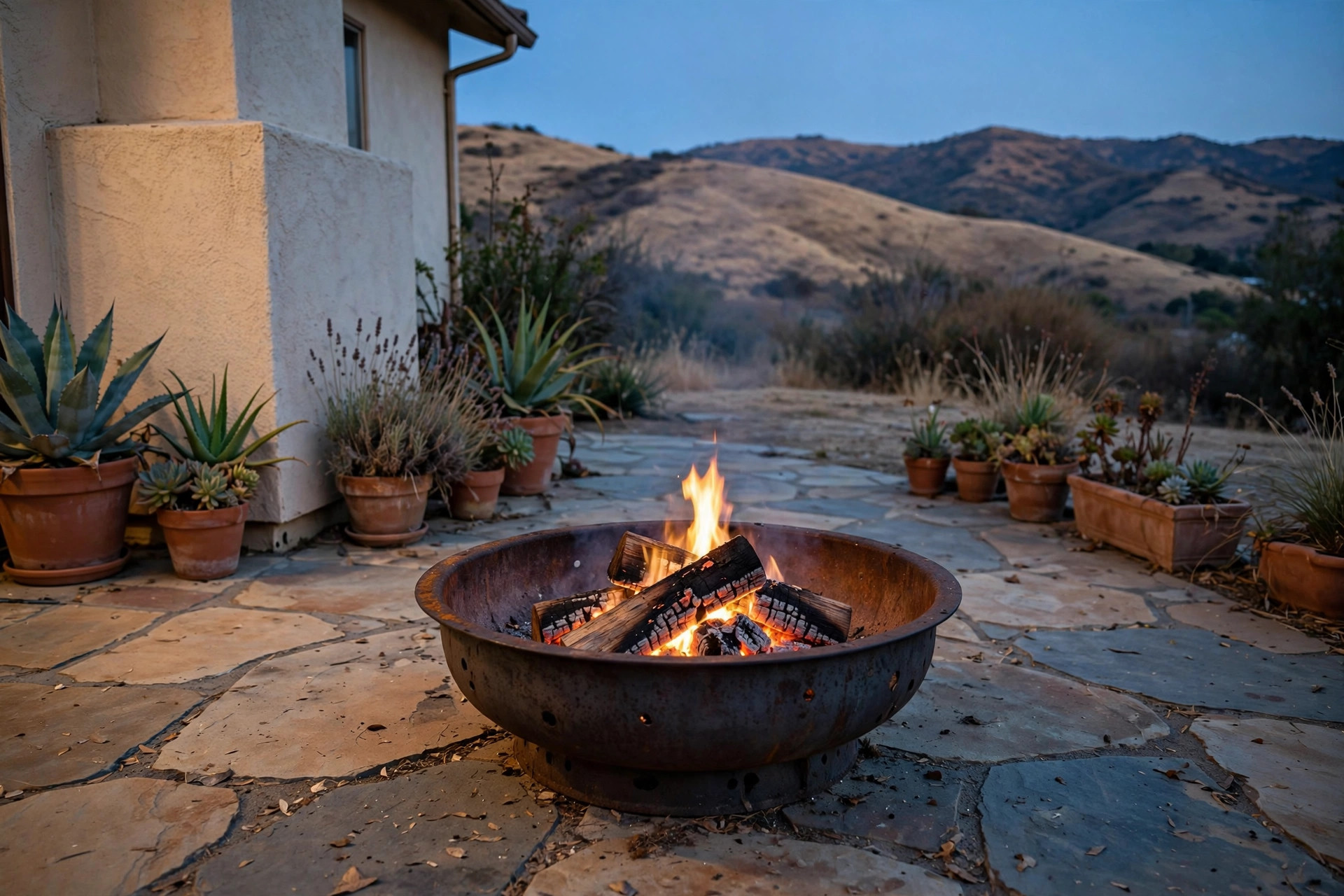

If you want to buy outdoor fire pits online in California, you have more choice now than ever before. Online stores carry hundreds of models, from small steel bowls to large gas fire tables. The pictures look inviting, and the prices often beat the local showroom. But a fire pit is not like a garden chair. It burns fuel, it makes heat, and in California it sits under some of the strictest air and fire rules in the country. A smart buyer learns those rules before clicking the buy button.
This guide walks through the whole process. It covers why California needs special care, what to look for in a fire pit, the main fuel types, typical costs, upkeep, and safety. By the end, you will know how to choose a model that fits your yard, your budget, and the law.
Why an Outdoor Fire Pit Needs Extra Thought in California
California evenings are mild for most of the year. That makes an outdoor fire pit a natural fit for a patio or a backyard. Families gather around the flame in spring and fall, and even winter nights rarely grow too cold to sit outside.
But California also faces long dry seasons and strict rules about smoke and open flames. Many air quality districts limit wood burning on certain days. Some cities ban open wood fires in yards altogether. During high fire danger periods, local authorities may forbid all open burning.
When you buy outdoor fire pits online in California, the seller ships to every state. The seller does not check your local rules. That job falls on you. A quick check with your city or county fire department takes a few minutes and can save you from buying a fire pit you are not allowed to light.
What to Look for Before You Buy: Buy Outdoor Fire Pits Online in California
Fuel Type
Fuel is the first decision. It shapes everything else: cost, ease of use, smoke, and whether local rules allow the pit at all. Buying guides such as those on The Spruce compare fuel types side by side and help new buyers sort out the trade offs.
Wood burning pits give the classic campfire feel. They crackle and throw strong heat. But they also make smoke, and smoke is the main reason many California air districts restrict them. In areas with burn rules, a wood pit may sit unused on the very nights you want it most.
Propane pits burn clean with no smoke and almost no ash. You turn a knob and you have flame. A standard tank hides under or beside the unit. Propane costs more per hour than wood, but the convenience is hard to beat.
Natural gas pits connect to your home gas line. They give endless burn time with no tank to refill. They need professional installation, so they suit buyers who plan a permanent patio feature.
For a clear breakdown of wood models, see this wood burning fire pits reviews and buying guide for help weighing the pros and cons of each style.
Size and Shape
Fire pits range from 24 inches across to more than 60 inches. A small bowl suits two or four people. A larger ring or table serves a crowd.
Measure your patio before you shop. Keep at least three feet of clear space around the pit on all sides. Chairs take room too. A pit that looks right on a wide web page can crowd a small yard. Round pits let people sit close together. Square and rectangular fire tables double as a surface for drinks and snacks.
Material and Build
Steel is the most common material. It is strong and affordable, though plain steel can rust in coastal air. Look for high heat paint or a powder coat finish.
Copper ages into a handsome dark patina and resists rust well. Cast iron holds heat for a long time after the fire dies down. Stone and concrete pits are heavy and stay where you put them, which suits a permanent setup.
Check the wall thickness in the product specs. Thicker metal lasts longer under heat. A good spark screen, a sturdy base, and solid welds matter more than fancy styling. Established makers such as Napoleon and Heatilator publish full specs for their units, which makes side by side comparison easier.
Types of Outdoor Fire Pits
Wood Burning Fire Pits
The wood burning pit is the classic choice. It burns logs or firewood and gives off strong radiant heat. Many buyers love the smell and the sound of a real wood fire.
Drawbacks are real in California. Wood pits make the most smoke. Ash and embers need regular cleanup. Many air districts issue no burn days during fall and winter when wood smoke builds up. The U.S. Environmental Protection Agency explains how wood smoke affects health, which is why districts set these rules. Check your district before you buy, since a wood pit you cannot light is wasted money.
Propane Fire Pits
Propane pits are the clean option. A gas burner under lava rock, glass beads, or ceramic logs gives a steady flame. You control the heat with a knob. There is no smoke, no sparks, and no ash.
The main cost is the fuel. A 20 pound tank lasts roughly eight to ten hours on a medium setting. Tanks are easy to swap at any home improvement store. Because propane burns clean, these pits face fewer restrictions than wood models.
If clean fuel appeals to you, an energy efficient propane fire pit may be the best fit for your patio.
Natural Gas Fire Pits
Natural gas pits run from your home gas line. You never refill a tank and never haul wood. A plumber or gas fitter makes the connection, and most local codes require a permit for the work.
These pits suit permanent patio builds. The upfront cost is higher because of the installation. But the running cost is low, and the flame starts at the turn of a valve.
Fire Bowls and Fire Tables
Fire bowls are shallow, open bowls on a short stand. They suit small patios and renters who may move the unit. Fire tables are taller units with a broad top around the burner. They serve as both a heat source and a side table.
Both styles come in wood, propane, and gas versions. Tables tend to cost more but add the most use to a patio.
In warm regions, designs built for outdoor fire pits for humid climates offer useful lessons on rust proofing and drainage that apply to coastal California too.
Cost and Price
Prices for outdoor fire pits span a wide range. A simple steel bowl can cost as little as 60 to 120 dollars. A mid range propane pit with a cover often runs 250 to 500 dollars. Large fire tables and natural gas units can reach 800 to 2,000 dollars or more.
Watch the shipping cost when you buy online. Fire pits are heavy, and freight charges add up fast. Many large home improvement retailers offer free shipping above a set order total. Compare the total delivered price, not just the listed price.
Fuel costs add up over time. Firewood in California often costs 300 to 400 dollars per cord, and a cord lasts a steady user through one season. Propane runs about 20 to 25 dollars per tank refill. Natural gas is cheapest per hour but carries the upfront installation cost.
Accessories also add cost. A fitted cover protects the pit from rain and sun and costs 30 to 80 dollars. A spark screen for a wood pit runs 40 to 100 dollars. A log rack, fire tools, and a fire extinguisher are sensible extras.
Care and Upkeep
A little care keeps a fire pit safe and handsome for years. After each use, let the pit cool fully before you touch it. Ash from a wood pit should be scooped out once it is cold. Wet ash left in steel speeds up rust.
Keep a cover on the pit between uses. California sun fades paint and breaks down plastic parts. Coastal salt air eats bare metal. A cover is the cheapest protection you can buy.
Check gas connections once or twice a season. Mix a little dish soap with water and brush it on the joints. If you see bubbles when the gas is on, there is a leak. Tighten the fitting or replace the hose before you light the pit again. If you are new to gas fittings, the step by step guides on This Old House and Family Handyman show how to check connections safely.
Burners clog over time. Clear lava rock or glass beads and brush out dust and spider webs. For wood pits, check the welds and the base each season. A wobbling base or a cracked bowl is a sign the pit should be retired.
Store propane tanks upright and outdoors, never in a garage or shed. Keep spare tanks away from the house and from heat sources.
Safety Rules in California
Safety matters everywhere, but California adds legal weight to it. Follow these rules and you will stay on good terms with your neighbors and your fire district.
First, check local rules before you light anything. City and county codes set the distance a fire pit must sit from buildings, fences, and trees. Common minimums run ten to fifteen feet. Some cities require a permit for any open flame in a yard.
Second, respect air quality burn rules. Many districts ban wood burning on days when air quality is poor. Sign up for burn day alerts from your local air district. A gas pit avoids this issue since it makes no smoke.
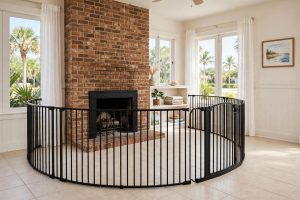
Third, never leave a fire burning alone. Keep a hose or a bucket of water close by. Keep children and pets at least three feet from the pit. Adults should sit upwind when smoke drifts.
Fourth, watch wind and fire danger. Do not light a wood fire on windy days or during red flag warnings. Embers travel farther than most people expect. Gas pits are safer in wind but still need care.
Fifth, place the pit on a fire safe surface. Stone, brick, concrete, or gravel work well. Never set a fire pit on a wooden deck unless the maker states it is safe for that use and you use a heat shield.
For official safety guidance, the U.S. Consumer Product Safety Commission publishes clear rules for outdoor fire products and recalls.
Frequently Asked Questions
Can I burn wood in a fire pit in California? It depends on where you live. Many areas allow wood burning on most days, but air districts can ban it when air quality is poor. Some cities ban open wood fires outright. Check with your city fire department and your air district before you buy a wood pit.
Is a gas fire pit better for California? For many buyers, yes. Gas pits make no smoke, so they avoid most burn day bans. They light fast and shut off fast. The running cost is higher than wood, but the convenience and the fewer restrictions make them popular across the state.
How far must a fire pit be from my house? Rules vary by city and county. Ten to fifteen feet from buildings, fences, and overhangs is common. Wood burning pits usually need more distance than gas pits. Your local fire code sets the exact number.
Do I need a permit to install a natural gas fire pit? In most California cities, yes. Running a gas line and installing a permanent gas appliance requires a permit and an inspection. A licensed plumber or gas fitter can handle the paperwork as part of the job.
Can I use a fire pit on a wooden deck? Most makers say no for wood burning pits. Some gas fire tables are rated for deck use with a heat shield. Read the manual for your exact model and never guess. When in doubt, move the pit to stone or concrete.
How do I keep my fire pit from rusting? Buy a model with a rust resistant finish, keep it covered, and empty wet ash after each use. In coastal areas, wipe the pit down a few times a year and touch up any chips in the paint. Copper and stainless steel resist rust best.
A Short Final Word
To buy outdoor fire pits online in California is easy. To buy the right one takes a little homework. Start with your local rules. Choose a fuel that fits both your habits and your air district. Size the pit to your patio. Compare delivered prices, not just list prices. And set the pit up with safety first, on a sound surface with clear space all around.
Do that work up front, and the evenings take care of themselves. A good fire pit turns a plain patio into the place where people gather. In a state with as many mild nights as California, that is an investment that pays off all year long.
References
Family Handyman. (n.d.). DIY home repair and maintenance. https://www.familyhandyman.com Heatilator. (n.d.). Fireplaces and fireplace products. https://www.heatilator.com Lowe’s. (n.d.). Home improvement products. https://www.lowes.com Napoleon. (n.d.). Fireplaces, grills, and heating products. https://www.napoleon.com The Home Depot. (n.d.). Home improvement products. https://www.homedepot.com The Spruce. (n.d.). Home and garden advice. https://www.thespruce.com This Old House. (n.d.). Home renovation guidance. https://www.thisoldhouse.com U.S. Consumer Product Safety Commission. (n.d.). Product safety information. https://www.cpsc.gov U.S. Environmental Protection Agency. (n.d.). Protecting human health and the environment. https://www.epa.gov
Was this guide helpful?

About James Carter
The My Garden US editorial team writes practical, in-depth home and garden guides for American homeowners — tested advice, no fluff.
You May Also Like
Fireplace Glass Doors Reviews and Buying Guide
May 22, 2026 0 views
Buying a Wood Burning Stove Online in Florida: A Complete Guide
May 7, 2026 0 views
Affordable Fireplace Mantel Shelves for Sale: A Plain Buyer’s Guide
February 6, 2026 0 views