
A house painting estimate free near me is the first step in any painting job. It is a written quote from a local painter. It tells the homeowner what the job will cost. Most painters give this quote at no charge. The painter visits the home. The painter looks at the walls. The painter measures the rooms or the siding. Then the painter writes down a price. The homeowner pays nothing for this visit. A good estimate protects both sides. The homeowner learns the full cost before agreeing. The painter knows exactly what the customer expects. This guide explains how a free estimate works. It shows what a good one includes. It shows how to compare quotes. It also gives typical price ranges in the United States.
Why a Free Estimate Matters
Paint is not cheap. Labor is not cheap either. A full house can cost several thousand dollars to paint. An estimate tells the homeowner the real number. Without it, the price is only a guess. Guesses lead to fights. Fights lead to unfinished work. A written estimate stops that. It puts the price on paper. It lists what is included. It lists what is not included. Both sides sign it. Then there is no doubt. Studies of home repair show that written quotes cut disputes in half. A free estimate also lets the homeowner shop around. Two or three quotes show the fair market price. One quote alone shows nothing. A painter who charges for a visit may still be fair. But most good painters offer the visit free. They see it as part of their business. If a painter wants a fee just to look, ask why. Many trusted painters never charge for the first visit.
What a Good Estimate Includes: House Painting Estimate Free near Me
A free estimate should be more than a number on a scrap of paper. It should read like a small contract. The details matter. Below are the parts every good estimate holds.
Room-by-Room Details for Interior Work
For inside work, the estimate should name each room. It should state the square feet of wall and ceiling. It should say if the ceiling is included. It should say if the trim is included. Trim means baseboards, door frames, and window frames. It should state the number of coats. One coat is rarely enough. Two coats give full color. It should name the paint brand and grade. It should note the sheen. Sheen means flat, eggshell, satin, or gloss. Bathrooms need mold-resistant paint. Kitchens need paint that wipes clean. The estimate should also cover repairs. Holes in drywall need patching. Cracks need filling. Water stains need sealing. Each repair should be listed. It should say if moving furniture is included. Most painters ask the homeowner to clear small items. Large items get moved to the center of the room. The painter covers them with drop cloths.
Surface and Square Footage for Exterior Work
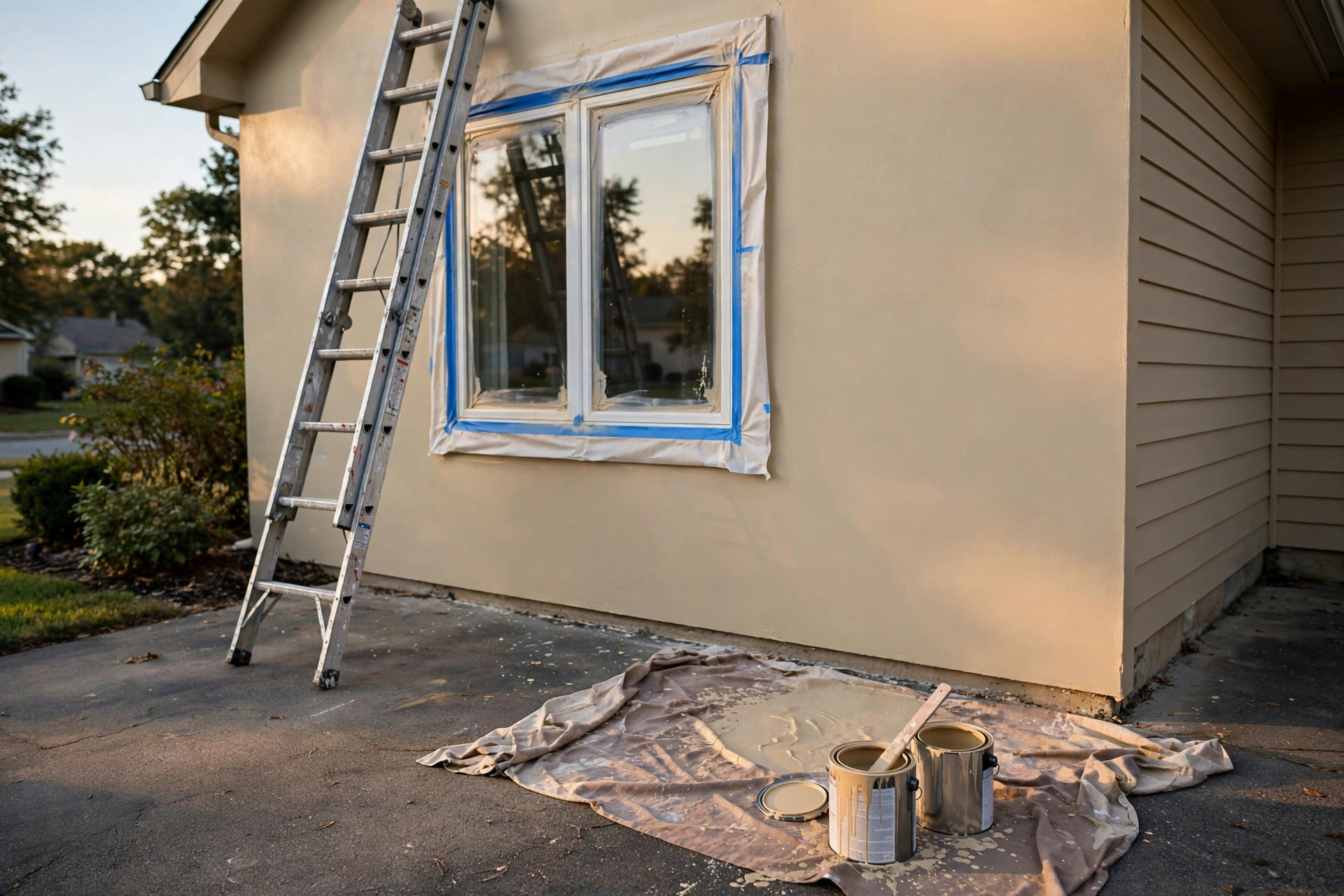
For outside work, the estimate should list the siding type. Wood, stucco, brick, and vinyl each need a different method. It should state the total square feet. It should say if the estimate counts the garage. It should say if the trim, shutters, and doors are extra. Power washing should be listed. A house must be clean before paint goes on. Scraping and sanding should be listed. Old loose paint must come off. Priming should be listed. Bare wood needs primer. Stucco cracks need patching. The estimate should state how many coats will be applied. It should name the paint line. Exterior paint must stand up to sun and rain. A cheap paint peels in two years. A good paint lasts seven to ten years. Guides on exterior paint durability from major paint makers help homeowners judge the grade offered.
How to Ask for a Free Estimate
Asking is simple. Call the painter or fill out the online form. Most painters ask for the address. They ask if the work is inside or outside. They ask how many rooms. They ask the age of the house. Houses built before 1978 need a lead paint check. Then they set a time to visit. The visit takes thirty to sixty minutes. The homeowner should be present. Walk the painter through the home. Point out every spot that needs work. Ask questions. A good painter answers plainly. After the visit, the estimate comes in one to three days. Some arrive the same day. Read it fully before signing anything.
What to Have Ready Before the Painter Visits
A little preparation makes the estimate accurate. Write down the rooms or areas to paint. Note the ceiling height. Standard rooms have eight-foot ceilings. Some have nine or ten. Note the condition of the walls. Mark stains, cracks, and holes. Decide on colors before the visit if possible. Painters can help pick colors, and color tools from The Spruce offer free online help with palettes. Note the date the work should be done. Painters book up in spring and summer. Fall and winter visits are easier to schedule. Take photos of problem spots. Photos help the painter plan. Also check local review pages for interior house painters near me reviews to see which companies neighbors trust.
How to Compare Two or Three Estimates
Never hire from one quote alone. Get two or three free estimates. Lay them side by side. Look at the same items in each. Are the square feet the same? Is the paint brand the same grade? Is the number of coats the same? A low quote may use cheap paint. A high quote may include extra repairs. Check what each leaves out. One painter may skip the garage. Another may include it. Look at the warranty. A one-year warranty is standard. A two-year warranty is better. Check the start date and the end date. A painter who can start tomorrow may be desperate. A painter booked six weeks out may be in demand. Check the payment plan. Never pay the full price up front. A deposit of ten to thirty percent is normal. The rest comes when the work is done. Ask each painter for references. Call at least two. Ask if the crew cleaned up. Ask if the job finished on time. Advice on hiring home pros from This Old House gives a solid checklist for this step.
Cost and Price
Price depends on size, condition, and region. Small towns cost less. Big cities cost more. Bad walls cost more. Good walls cost less. The paint grade also changes the price. The labor rate is the biggest part of the bill. Paint itself is about fifteen to twenty percent of the total.
Typical Price Ranges in the United States
The numbers below are common ranges for professional work. They are not quotes. They help the homeowner judge if an estimate is fair. An interior room of about three hundred square feet runs three hundred to eight hundred dollars. A whole house interior of two thousand square feet runs three thousand to seven thousand dollars. An exterior job on a two-story house of twenty-five hundred square feet runs four thousand to ten thousand dollars. Brick homes cost more because brick needs special paint and primer. Readers can compare with a best exterior house painting cost estimator usa guide to check their quote. A exterior brick painting service near me cost page helps with masonry prices. Cabinets cost two thousand to five thousand dollars to refinish. A fence of two hundred feet costs one thousand to three thousand dollars to stain. These ranges shift with the market. Always confirm with local quotes. Price data on Home Depot and Lowe’s shows current paint and supply costs, which explains part of the labor price.
Warning Signs in a Low Estimate
A very low estimate feels good. It often hides trouble. Watch for these signs. The estimate has no company letterhead. The painter has no license or insurance. The estimate lists no paint brand. The painter asks for full payment in cash before starting. The painter will not give references. The painter pressures the homeowner to sign today. The estimate is only a verbal promise with no paper. Any one of these is a reason to walk away. A paint job gone wrong costs more to fix than a fair job costs in the first place. Insurance matters most. If a worker falls from a ladder, the homeowner can be liable. Ask to see proof of insurance. A real company shows it at once.
Care and Upkeep After the Paint Job
Fresh paint needs care in the first month. Keep hands off interior walls for two weeks. Paint feels dry in hours. It takes weeks to cure fully. Clean walls with a soft damp cloth. Do not scrub. Use mild soap only. Touch up small marks with leftover paint. Good painters leave a small can of each color. Store the cans in a cool dry place. Write the room name on each lid. Outside, keep sprinklers off the siding for a week. Trim bushes back six inches from the walls. Leaves and branches hold moisture against paint. Wash the siding once a year with a garden hose. Do not use a harsh power washer. High pressure strips paint. Check the caulk around windows each spring. Cracked caulk lets water in. Water ruins paint fast. Upkeep tips from Bob Vila walk homeowners through yearly care step by step.
Safety
Painting is safer than many home jobs. It still has risks. Old paint may hold lead. Federal rules require a lead test in homes built before 1978. The test is simple. The painter uses a swab or sends a chip to a lab. If lead is found, only a certified crew may remove it. Ladders are the next risk. The painter should use a ladder rated for the height. The ladder feet should sit on firm ground. Never let a crew lean a ladder on gutters. Paint fumes matter indoors. Open windows while the crew works. Low-VOC paint cuts fumes. VOC means volatile organic compounds. These are the chemicals that smell strong. Low-VOC lines from Behr and Benjamin Moore meet strict indoor air rules. Pregnant women and small children should stay out of freshly painted rooms for two days. Safety guides on HGTV remind homeowners to keep pets away from wet paint too.
Frequently Asked Questions
Is a house painting estimate really free? Most are free. The painter visits, measures, and writes a quote at no charge. Some painters charge for a detailed written plan on very large jobs. They usually credit the fee back if hired. Always ask before the visit.
How long does a free estimate take? The visit takes thirty to sixty minutes. The written quote arrives in one to three days. Simple jobs get same-day quotes. Big exterior jobs take longer to price.
Should I be home during the estimate visit? Yes. Walk the painter through the home. Point out every area to paint. Mention problems like stains and cracks. Ask questions. The estimate will be more accurate when the homeowner is present.
How many estimates should I get? Three is the rule of thumb. Two is fine for a small job. Three quotes show the fair price range. More than four wastes time. The quotes will start to repeat each other.
What makes one estimate higher than another? Paint grade, prep work, and crew size drive the difference. A quote with full prep and two coats of premium paint costs more. A quote with no prep and one coat of cheap paint costs less. Compare the line items, not just the total.
Do estimates include the cost of paint? Good ones do. The estimate should name the brand, line, and number of gallons. Some painters quote labor only. That should be stated clearly. Labor-only quotes look cheaper but leave the homeowner buying paint.
A Final Word
A house painting estimate free near me is a smart first move. It costs nothing. It takes less than an hour. It turns a vague idea into a real plan. The homeowner learns the price. The homeowner learns what the price covers. The homeowner learns how long the job will take. With two or three quotes in hand, hiring becomes easy. Pick the painter with a clear written quote. Pick the one with insurance and references. Pick the one who answers questions plainly. Good paint lasts for years. A good estimate is how it starts.
References
Behr. (n.d.). Paints, primers, and stains. https://www.behr.com Benjamin Moore. (n.d.). Paints and stains. https://www.benjaminmoore.com Bob Vila. (n.d.). Home improvement advice. https://www.bobvila.com HGTV. (n.d.). Home and garden ideas. https://www.hgtv.com Lowe’s. (n.d.). Home improvement products. https://www.lowes.com Sherwin-Williams. (n.d.). Paints and coatings. https://www.sherwin-williams.com The Home Depot. (n.d.). Home improvement products. https://www.homedepot.com The Spruce. (n.d.). Home and garden advice. https://www.thespruce.com This Old House. (n.d.). Home renovation guidance. https://www.thisoldhouse.com
Was this guide helpful?

About Emily Rodriguez
The My Garden US editorial team writes practical, in-depth home and garden guides for American homeowners — tested advice, no fluff.
You May Also Like
Best Primer for Drywall Patches: What USA Homeowners Need to Know
July 1, 2026 0 views
Best Paint for Shutters Reviews USA: How to Choose a Lasting Finish
March 14, 2026 0 views
Garage Wall Paint Ideas for Workshops USA: Colors That Work Hard
April 26, 2026 0 views