
An Honest Introduction to Fiberglass Entry Doors
The front door of a house does more work than most owners realize. It keeps out cold wind in winter and hot air in summer. It blocks noise from the street. It is also the first thing guests see. An energy efficient fiberglass entry doors buying guide helps a buyer sort through the choices before spending money on a door that must last for decades.
A fiberglass entry door is made of a skin of fiberglass over a core. The core is usually polyurethane foam, which slows the movement of heat. The door hangs in a frame, often made of wood or composite material, and closes against weatherstripping that seals the gaps. When built well, such a door loses far less heat than an old wooden door. That is the heart of its value.
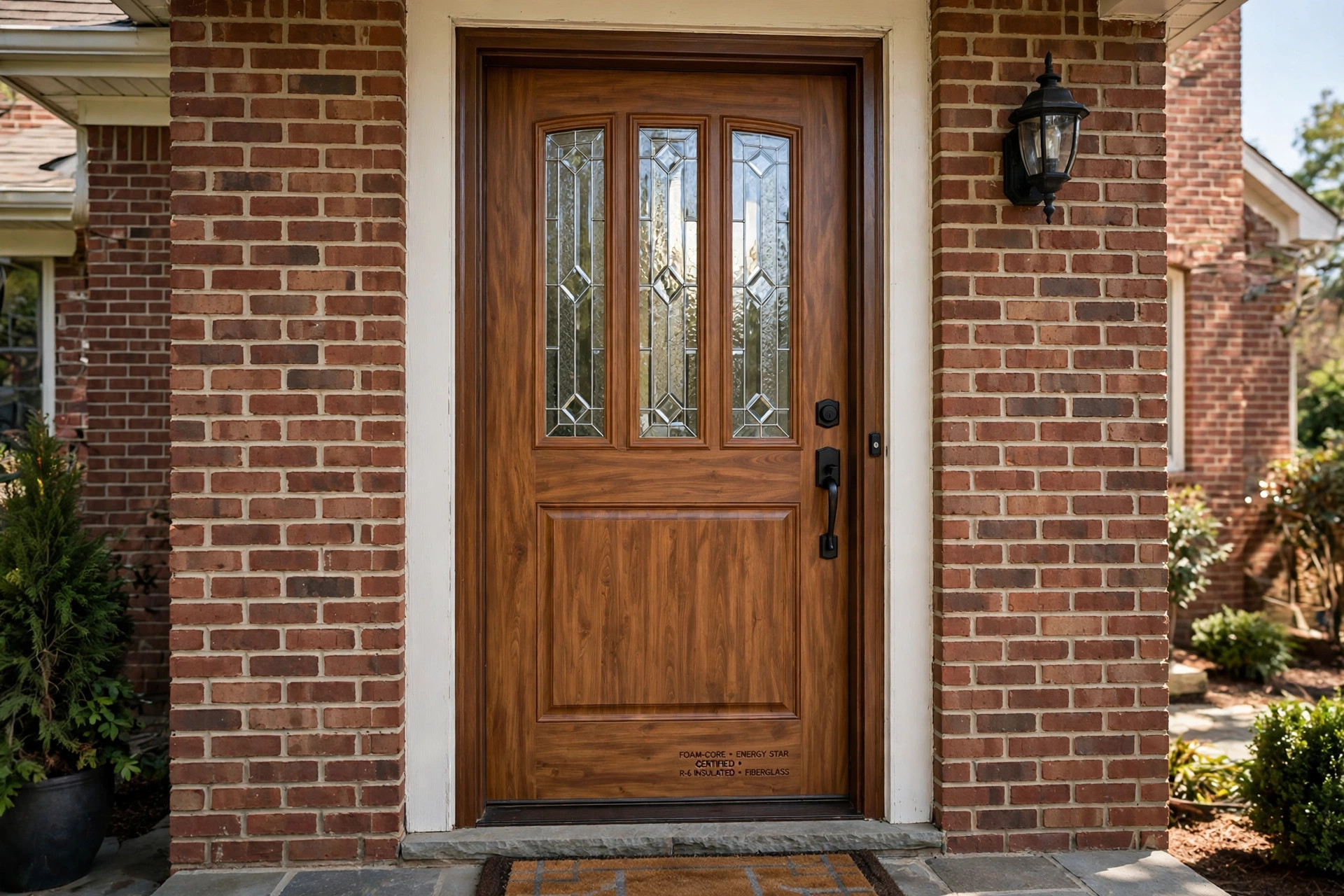
Many owners confuse fiberglass with steel or wood. Steel doors dent and can feel cold to the touch. Wood doors swell in rain and shrink in dry heat. Fiberglass stays stable through the seasons. It can be painted or stained to look like wood, and most people cannot tell the difference from the street. The buyer who wants the look of wood with the steadiness of a modern material often ends with fiberglass.
This guide walks through each part of the purchase. It covers why efficiency matters, what parts to study, the main types, the cost, the upkeep, and safety. At the end there is a short list of common questions. Every section uses plain words, so a first-time buyer can read it without a trade background.
Why an Efficient Entry Door Matters: Energy Efficient Fiberglass Entry Doors Buying Guide
Heat Loss Through the Front Door
A house loses heat in winter through every surface, and the front door is one of the weakest points. An old door, thin and poorly sealed, can leak as much warm air as a small open window. The furnace then runs longer to make up the loss. The gas or electric bill rises month after month. An insulated fiberglass door with a foam core resists that flow of heat. The saving on each bill is small, but over ten years it becomes real money.
Comfort Inside the House
Efficiency is not only about money. It is about how the rooms feel. A leaky door lets cold air pool in the entry hall. Drafts make the nearby rooms hard to warm. Family members avoid sitting near the front of the house in January. A well-sealed fiberglass door keeps the inside temperature even. The entry hall feels part of the home instead of a cold pocket.
Noise and Weather
A dense fiberglass door with foam filling also dulls sound. Traffic, barking dogs, and lawn mowers fade into the background. The door also stands up to rain and sun without warping. Wood doors can swell until they stick. Fiberglass keeps its shape, so the weatherstripping keeps sealing year after year. For a good primer on how builders judge exterior products, This Old House offers steady, practical guidance.
What to Look for When You Shop
The Core
Open any sales sheet and the first number to find is the insulation value. The core of the door should be filled with polyurethane foam, not hollow space. Foam cores slow heat better than the honeycomb paper found in cheap interior doors. Some makers add a solid wood lock block around the handle area for strength. Ask the dealer what sits inside the door. If the answer is vague, move on to another maker.
The Skin and Finish
The fiberglass skin gives the door its face. Better skins carry a deep wood grain that holds stain well. Cheaper skins look flat under paint. Run a hand across the sample in the store. A good grain feels like real wood. Check that the maker offers a finish warranty, since the sun beats hardest on south-facing doors. The big home centers, such as Home Depot and Lowe’s, stock many samples side by side, which makes comparison easy.
Glass Inserts
Many buyers want glass in the door for light. Glass is the weak point of any door, because it passes heat faster than foam. If you want glass, choose double or triple panes with a low-emissivity coating. The coating is a thin, clear layer that reflects heat back to its source. It keeps summer heat out and winter heat in. Look for a warm-edge spacer between the panes, which cuts the cold ring around the glass edge. Decorative glass with caming costs more and insulates a little less than plain glass, so weigh beauty against performance.
Weatherstripping and the Frame
The door slab is only half the seal. The frame must close tight on all four sides. Look for adjustable weatherstripping that can be tuned as the house settles. A good sill at the bottom keeps rain and wind from pushing under the door. Composite frames resist rot better than plain wood frames in wet climates. When you compare doors, ask whether the frame and weatherstripping are included in the price, because some quotes list only the slab.
Ratings and Labels
Two labels matter most. The first is the ENERGY STAR mark, which shows the door meets national efficiency targets for your climate zone. The second is the rating from the National Fenestration Rating Council, which lists U-factor and solar heat gain numbers. A lower U-factor means less heat escapes. These labels let you compare doors from different makers on equal terms. The Energy Star site explains which zones require which ratings, and the Department of Energy publishes plain guides on tightening up a home’s shell.
Types of Fiberglass Entry Doors
Full Slab Doors
A full slab door has no glass. It is the most efficient choice, because foam fills the whole panel. It suits owners who care most about insulation and privacy. The face can still carry panels and molding that give it style from the street.
Doors With Glass Lites
A lite is the industry word for a glass opening. Doors come with one large lite, two or three smaller lites, or a row of small windows near the top. Each added lite trims the efficiency a little, but good triple-pane glass keeps the loss small. If the entry hall is dark, a door with a top lite brings in daylight without giving up much heat.
Doors With Sidelites and Transoms
Sidelites are narrow windows on one or both sides of the door. A transom is a window above it. Together they frame the entry and flood it with light. They also add cost and add more glass area to manage. In cold climates, keep the glass area modest unless you choose top-grade insulated units.
Smooth Versus Wood Grain
Smooth doors take paint and look modern. Wood-grain doors take stain and look traditional. The grain adds a small cost at the factory. Both types perform the same if the core and glass match. Choose by the style of the house, not by fear that one insulates better.
For ideas on matching the door to the rest of the exterior, Bob Vila and The Spruce both keep large libraries of entryway articles.
Cost and Price
What the Door Costs
A fiberglass entry door slab with basic finish runs from a few hundred dollars to about one thousand dollars. A prehung unit, which includes the frame and weatherstripping, costs more. Add decorative glass, sidelites, or a custom size, and the price can pass two thousand dollars. High-end units with triple-pane glass and smart locks can reach three thousand dollars or more.
What the Installation Costs
Labor is a separate line. A simple swap of a prehung door in a sound opening may cost a few hundred dollars. If the opening needs repair, if rot must be cut out, or if the size changes, labor rises. Always get the installation price in writing before work starts. A cheap door set badly will leak more air than a good door set well.
Where the Money Goes
Think of the purchase in three parts: the slab, the glass and hardware, and the labor. The slab is the fixed core cost. Glass and hardware are the choices that move the price up or down. Labor is the part most buyers undervalue. Paying a skilled installer protects the efficiency you paid for in the door itself.
Payback Over Time
No honest guide can promise an exact payback date, because fuel prices and climates differ. In a cold state, replacing a leaky old door can trim heating bills enough to repay the added cost of an efficient model within several years. In a mild state, the payback takes longer, but the comfort gain is immediate. Treat efficiency as one benefit among several, along with looks, security, and quiet.
If you are weighing other exterior projects at the same time, a metal roofing installation cost guide and weather resistant soffit and fascia repair for homeowners can help you plan the whole budget. Window buyers may also want a budget friendly vinyl replacement windows buying guide.
Care and Upkeep
Cleaning
Fiberglass needs little care. Wash the door once or twice a year with mild soap and water. Rinse well and dry with a soft cloth. Avoid harsh solvents, which can dull the finish. Clean the glass with standard glass cleaner.
Paint and Stain
A painted fiberglass door may need a fresh coat every five to eight years, sooner on the sunny side of the house. Stained doors need fresh clear coat more often, about every three to five years, to keep the grain rich. Light sanding before recoating helps the new finish grip. Follow the maker’s directions on which products to use.
Weatherstripping Checks
Once a year, close the door on a dollar bill at several points around the frame. If the bill slides out easily, the weatherstripping is worn and needs adjusting or replacing. This small test takes five minutes and guards the efficiency you bought. The Family Handyman site shows simple step-by-step checks like this for many home parts.
Hardware Care
Hinges and locks last longer with a drop of oil now and then. Tighten loose screws before they wallow out the holes. If the door starts to stick, check the hinges first; a small adjustment often fixes what looks like a warped door.
Safety
Locks and Strike Plates
An entry door is a security device as well as an energy device. Choose a deadbolt with a one-inch throw. The strike plate on the frame should be held by long screws that reach into the wall stud, not just the thin frame wood. These two details make forced entry much harder.
Glass Security
Glass near the handle can be a weak point if a thief breaks it and reaches inside. Place the deadbolt away from the glass, or use laminated glass that holds together when struck. A door viewer or a small camera covers the need to see who is outside without opening the door.
Fire and Codes
Some local codes require a fire-rated door between the house and an attached garage. A standard fiberglass entry door is not a fire door. Check local rules before buying, and buy a rated unit where the code demands it.
Installation Safety
Removing an old door can expose lead paint in older homes. Test before sanding or cutting. Wear eye protection when handling glass units. If the old frame shows rot, wear a dust mask while cutting it out.
Frequently Asked Questions
How long does a fiberglass entry door last?
A well-made fiberglass door often lasts thirty years or more. The skin does not rot, rust, or warp. The finish needs renewal on schedule, and weatherstripping needs replacement every decade or so, but the door itself keeps serving.
Is fiberglass better than steel for efficiency?
Fiberglass usually wins on efficiency. Steel conducts heat, so a steel door can feel cold on its inner face in winter unless it has a thermal break. Fiberglass does not conduct heat the same way. Both beat an old hollow wood door by a wide margin.
Can I paint a fiberglass door any color?
Yes. Use exterior paint made for the material, and follow the maker’s prep steps. Dark colors absorb more sun and may need recoating sooner on south-facing doors. Some makers limit dark colors in their finish warranty, so read the fine print.
Do fiberglass doors dent?
They resist dents far better than steel. A hard blow can still crack the skin, but everyday bumps from bags and bikes leave no mark. Small scratches can be filled and touched up with paint.
Should I buy prehung or slab only?
Buy prehung unless you have real carpentry skill. A prehung unit arrives with the door already fitted to its frame and weatherstripping. That factory fit is hard to match on site, and the seal is where efficiency lives.
Does the door need a storm door too?
Usually not. A quality insulated fiberglass door seals well on its own. A storm door can add a small buffer of air, but it can also trap heat against the entry door and harm some finishes. Check the door warranty before adding one.
A Short Final Word
Buying an energy efficient fiberglass entry door is a plain decision once the parts are clear. Choose a foam core, good glass, tight weatherstripping, and honest ratings. Pay for skilled installation. Keep up with small maintenance. The door will then do its quiet work for decades: holding heat in, holding weather out, and greeting the street with a face that looks like fine wood.
Makers such as James Hardie and CertainTeed are known for exterior products built to last, and their sites show how serious builders judge quality.
References
Bob Vila. (n.d.). Home improvement advice. https://www.bobvila.com CertainTeed. (n.d.). Building materials and exterior products. https://www.certainteed.com ENERGY STAR. (n.d.). Energy efficient products. https://www.energystar.gov Family Handyman. (n.d.). DIY home repair and maintenance. https://www.familyhandyman.com James Hardie. (n.d.). Fiber cement siding and exterior products. https://www.jameshardie.com Lowe’s. (n.d.). Home improvement products. https://www.lowes.com The Home Depot. (n.d.). Home improvement products. https://www.homedepot.com The Spruce. (n.d.). Home and garden advice. https://www.thespruce.com This Old House. (n.d.). Home renovation guidance. https://www.thisoldhouse.com U.S. Department of Energy. (n.d.). Energy efficiency and renewable energy. https://www.energy.gov
Was this guide helpful?

About Michael Thompson
The My Garden US editorial team writes practical, in-depth home and garden guides for American homeowners — tested advice, no fluff.
You May Also Like

Asphalt Driveway Sealing Cost Guide USA: What You Will Pay and How to Save
February 8, 2026 0 views
Buy Siding Color Visualizer Tools Online in Florida: A Practical Homeowner Guide
July 25, 2026 0 views
Low Maintenance Seamless Gutter Guards Buying Guide
January 26, 2026 0 views