
When you need the best grill for cooking for crowds, size comes first. A small grill can serve a family of four. It cannot serve twenty guests. Large parties call for wide cooking grates, steady heat, and a design that keeps food moving. The right grill lets you cook in large batches. It keeps hot food hot and cold food cold. It turns a long day into a smooth one. This guide walks through what matters when you shop for a grill that feeds a crowd. It covers size, fuel, types, cost, care, and safety. It answers common questions. By the end, you will know how to pick a grill that fits your yard and your guest list.
Why Size Matters More Than Ever
A crowd changes everything about grilling. Four burgers fit on any grill. Forty burgers do not. When you cook for a crowd, you work in rounds. Each round takes time. Guests wait. Food cools. The host spends the whole party at the grill instead of with friends.
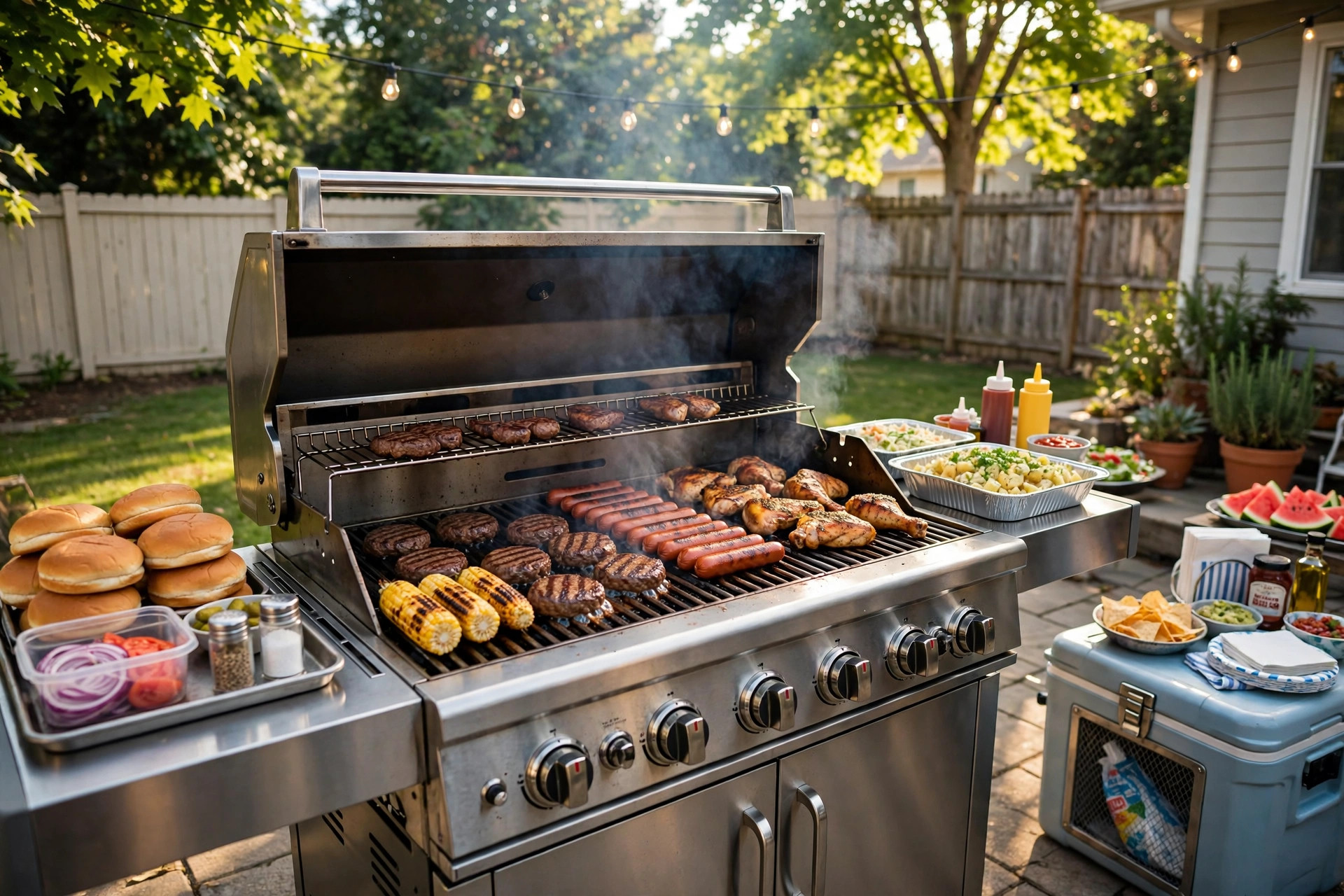
The best grill for cooking for crowds gives you at least 700 square inches of cooking space. That number handles about twenty guests in a fair time. Some large models reach 900 square inches or more. That space lets you grill, warm, and hold food all at once. Warming racks keep finished food hot while new food cooks. Side burners let you warm sauce or boil corn at the same time. These extras matter most when the guest list grows.
Large groups also bring mixed tastes. Some guests want burgers. Others want chicken or vegetables. A wide grill with two or three zones solves this. You can run one zone hot and one zone mild. Food cooks at its own pace. Nothing burns while the rest finishes.
What to Look for When You Shop: Best Grill for Cooking for Crowds
Start with the cooking area. Measure the main grates. Look for grates that give you room to spread food in a single layer. Crowded grates steam food instead of searing it. Leave small gaps between pieces. This takes more space than most buyers expect.
Check the heat controls. A grill that feeds many people needs steady, even heat across the whole surface. Burners should light on the first try. Knobs should give fine control. On a charcoal grill for a backyard party, look for adjustable vents and a hinged grate so you can add coals mid-cook.
Think about heat zones. Two or three burners let you set up direct and indirect heat. Direct heat sears. Indirect heat roasts gently. A zone system is the single most useful feature for crowd cooking. You can move food from hot to warm zones. You can hold trays of finished food without drying them out.
Look at the build. Heavy steel lids hold heat well. Sturdy grates resist warping. Porcelain coated cast iron grates give strong sear marks and last for years. Stainless steel grates cost less and still work well. Avoid thin grates that bend under a heavy load of meat.
Check the extras. A good grill for crowds has wide side shelves for trays. It has hooks for tools. It has a closed cabinet or open cart for supplies. Wheels help you move it to where the party stands. A lid thermometer tells you the true heat inside.
Types of Grills That Feed a Crowd
Gas grills rule the crowd scene. They light fast. They hold steady heat. They let you turn a dial and change the heat in seconds. Large gas models often run three, four, five, or even six burners. That gives you true zones. A six burner grill can handle a full block party. Learn the basics of size and heat in a guide to outdoor grills for a patio party and you will see why gas leads for big groups.
Charcoal grills bring flavor that gas cannot match. Smoke and drippings give food a deep, rich taste. Large charcoal models exist. Kettle grills in 26 inch sizes serve more than the common 22 inch models. Some barrel and ranch style charcoal grills stretch past 1,000 square inches. The trade is work. Charcoal needs more time to light. It needs more care during a long cook. It needs more cleanup after. If you love the taste, it can be worth it.
Pellet grills cook with wood pellets and a fan. They hold a set temperature like an oven. They are strong for slow cooking ribs, brisket, and pork for a crowd. Some owners call them set and forget grills. They cost more than gas or charcoal. They need power and pellets on hand. For a slow party day, they shine.
Kamado grills use thick ceramic walls. They hold heat for hours on little fuel. A large kamado can roast a whole turkey or bake bread for many guests. The cooking area is smaller than a big gas grill. But the heat control is superb.
Electric grills fit small spaces where gas or charcoal are banned. They heat up fine. They lack the high sear heat of gas and charcoal. For a crowd, they are a last choice unless rules demand them.
Hybrid carts pair a gas grill with a charcoal side box or a smoker box. They cost the most. They give the most options. A serious party host might use one for years.
How Much Should You Pay?
Cost rises with size and features. A solid three burner gas grill with 500 square inches starts near 300 dollars. It serves a small family. It strains under a crowd.
The best grill for cooking for crowds sits one step up. A four or five burner gas grill with 700 to 900 square inches runs from 500 to 1,200 dollars. This range holds the sweet spot for most hosts. You get zones, sturdy carts, and long warranties.
Top end models pass 2,000 dollars. You get six burners, built in lights, rotisserie kits, and heavy gauge steel. Kamado and pellet models in crowd size also sit in this range. Brands like Weber and Napoleon sell strong grills in the mid and high ranges. Char-Broil sells crowd size grills at fair prices.
Charcoal models cost less. A large kettle runs 200 to 500 dollars. A ranch size barrel grill runs 500 to 1,000 dollars. Pellet grills run 700 to 2,000 dollars. Kamado grills run 800 to 2,500 dollars. Makers such as Traeger and Big Green Egg are known for pellet and kamado designs. Broil King builds strong gas grills for heavy use.
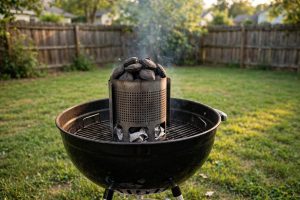
Do not forget the extras in your budget. A cover costs 40 to 100 dollars. Tools, a chimney starter, and a good thermometer add 60 to 150 dollars. Fuel adds up over a season. A party season of ten large cooks can burn through several tanks of propane or many bags of charcoal.
Planning the Cook for a Big Group
A big grill is only half the plan. The other half is order. Plan the menu by cook time. Slow foods go on first. Fast foods go on last. Brisket and ribs start hours ahead. Chicken goes on next. Burgers and hot dogs finish at the end. This rhythm keeps food fresh and hot.
Use the zones. Keep one zone at high heat for searing. Keep one zone at low heat for holding. When a batch finishes, move it to the low zone or a warming rack. Cover trays with foil. This holds heat and keeps meat moist.
Prep before the fire starts. Cut, season, and tray all food in the kitchen. Set up a raw tray station and a cooked tray station. Never mix raw and cooked food. Use separate tongs for raw and cooked meat. A clean plan cuts stress when guests arrive.
Count on one third of a pound of meat per guest. For twenty guests, buy about seven pounds of meat. Add buns, sides, and drinks. Grilled vegetables stretch the menu. Corn, peppers, and zucchini feed many people at low cost. Guides like The Spruce Eats share simple crowd recipes that scale up well.
If you plan a holiday cookout, read a fourth of july party bbq guide for menu timing tips. Holiday crowds bring kids, long days, and big appetites. A calm plan beats a fast grill.
Care and Upkeep
A crowd grill works hard. It needs care after each use. Brush the grates while they are still hot. A stiff wire brush takes off stuck food fast. Then oil the grates lightly to stop rust. Empty the drip pan. Grease builds up fast when you cook for many. A full drip pan can catch fire on the next cook.
Deep clean four times a year. Take out the grates and burners. Scrub with warm soapy water. Check burner ports for clogs. A clogged burner heats unevenly. That ruins a crowd cook. Check gas hoses for cracks. Spray soapy water on joints and watch for bubbles. Bubbles mean a leak. Fix leaks before you light the grill.
Cover the grill when not in use. Rain and sun wear out carts and lids. A good cover adds years to a grill. Store charcoal in a dry place. Keep pellets sealed so they do not swell with damp air. Sharpen your tools once a year. A sharp knife makes prep for twenty guests twice as fast.
Long cook sites like AmazingRibs teach grate and smoke care in depth. Consumer Reports tests grill durability and scores long term value. Retailers such as Home Depot stock covers, brushes, and parts for most brands.
Safety Rules for Big Cooks
Crowd cooking brings more risk. More food, more heat, more people near the fire. Set the grill at least ten feet from the house, deck rails, and low branches. Never grill in a garage or under a covered roof. Keep a clear path behind the grill. You need room to step back with hot trays.
Keep children and pets three feet away from the grill. Mark the zone with chairs or a rope if needed. Kids run. Pets jump. A hot lid or a dropped tray can cause real harm.
Watch the grease. Fat drips cause flare ups. Flare ups are normal in small bursts. Large flames mean too much grease or a drip pan fire. Move food off the flames. Close the lid to starve the fire of air. Never pour water on a grease fire. Keep a fire extinguisher near the grill. Know how to use it before the party starts.
Check gas before you cook. Turn off the burners, open the tank valve, and listen for hissing. Smell for gas. If you smell gas and the grill is off, turn off the tank and move away. Call for help. Do not try to find the leak with a lit match.
Let coals cool fully before you dump them. Charcoal stays hot for hours. Place ash in a metal can with a tight lid. Keep the can away from the house for a full day. For full safety rules, the safety pages on grill maker sites such as Napoleon are a good start.
FAQ
How big a grill do I need for 20 people?
Look for at least 700 square inches of cooking space. That size lets you cook in two or three rounds without long waits. Warming racks add useful holding space. For 30 or more guests, aim for 800 to 900 square inches.
Is gas or charcoal better for cooking for crowds?
Gas is easier for crowds. It lights fast and holds steady heat. Charcoal gives better flavor but needs more work. Many hosts use gas for the main cook and add a small smoker box for flavor. Pick gas if ease matters most. Pick charcoal if taste matters most.
Can one grill handle 50 guests?
A single home grill will strain at 50 guests. You will cook for hours. A better plan pairs a large grill with a helper grill or a slow cooker. Cook slow meats ahead. Grill fast meats fresh. Or rent a second large grill for the day.
What is the best grill for cooking for crowds on a budget?
A four burner gas grill with 650 to 700 square inches in the 500 to 700 dollar range serves most parties well. Large charcoal kettles cost less and feed many. Watch for spring sales. Last year models often sell at deep discounts.
How do I keep food warm for a large party?
Use the low heat zone or a warming rack. Tent trays with foil. Keep the lid closed between batches. A clean cooler lined with towels holds trays hot for an hour. Do not hold food at low heat for more than two hours.
How much propane does a crowd cook use?
A large gas grill burns about one pound of propane per hour at full heat. A long party day of six hours may use most of a 20 pound tank. Keep a spare tank on hand. Running out mid cook is a common party problem.
Final Word
The best grill for cooking for crowds is the one that fits your space, your budget, and your guest list. Size it right. Choose steady heat. Learn the zones. Plan the cook. A good grill and a calm plan turn a big party into a good memory. Buy once, care for it well, and it will serve your crowd for many summers.
References
AmazingRibs.com. (n.d.). Barbecue and grilling science. https://www.amazingribs.com Big Green Egg. (n.d.). Kamado grills and outdoor cooking. https://www.biggreenegg.com Broil King. (n.d.). Gas and charcoal grills. https://www.broilkingbbq.com Char-Broil. (n.d.). Gas and charcoal grills. https://www.charbroil.com Consumer Reports. (n.d.). Product reviews and ratings. https://www.consumerreports.org Napoleon. (n.d.). Fireplaces, grills, and heating products. https://www.napoleon.com The Home Depot. (n.d.). Home improvement products. https://www.homedepot.com The Spruce Eats. (n.d.). Recipes and cooking guides. https://www.thespruceeats.com Traeger. (n.d.). Wood pellet grills. https://www.traeger.com Weber. (n.d.). Grills and outdoor cooking. https://www.weber.com
Was this guide helpful?

About David Wilson
The My Garden US editorial team writes practical, in-depth home and garden guides for American homeowners — tested advice, no fluff.
You May Also Like
Best BBQ Mop Sauce Recipe for Ribs: A Simple Guide
June 6, 2026 0 views
Best Outdoor Spice Rack for Grill Station: What to Know Before You Buy
February 3, 2026 0 views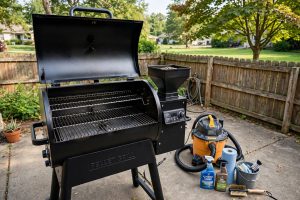
How to Clean a Pellet Grill After Use: A Simple Step-by-Step Guide
March 23, 2026 0 views