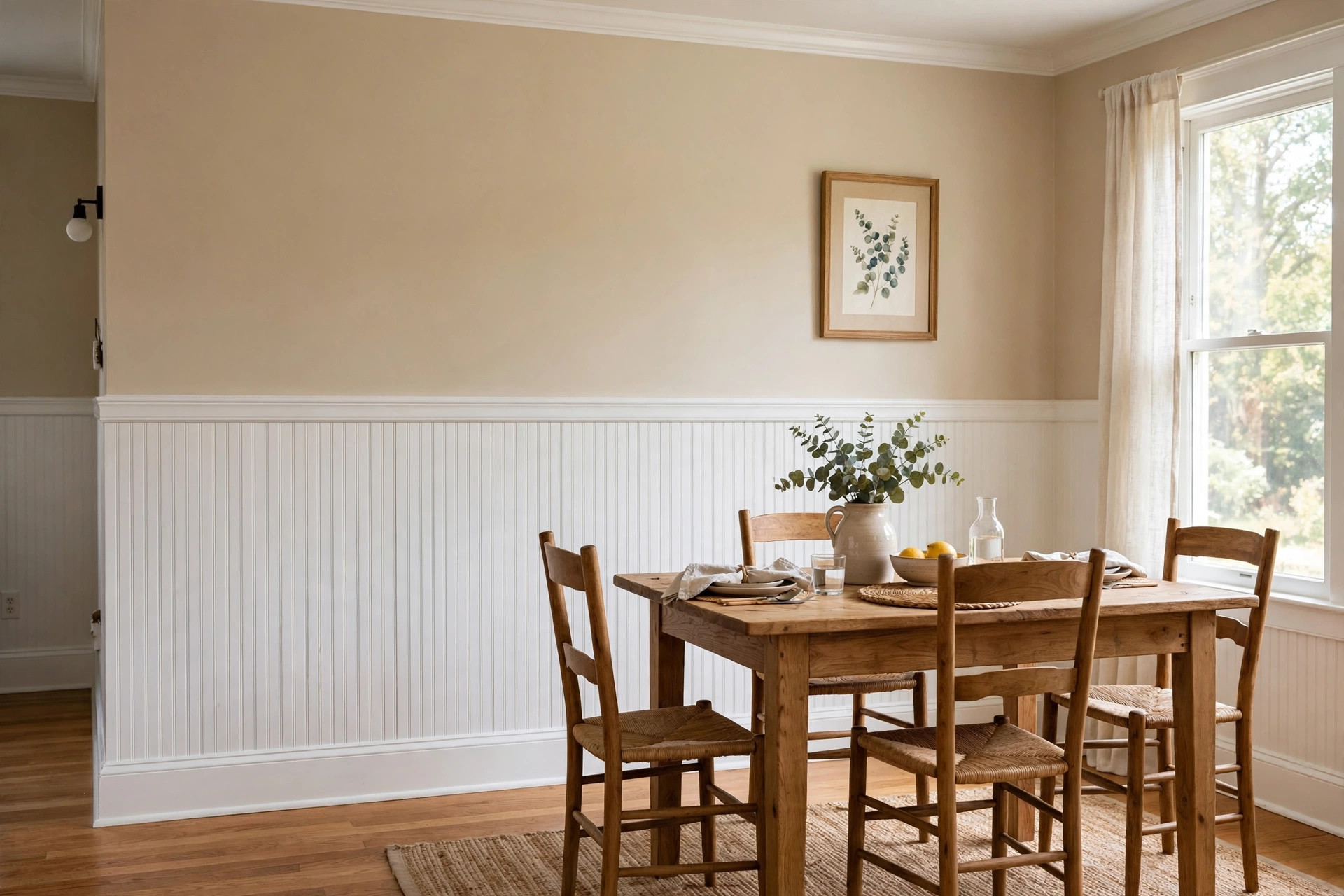

Beadboard gives a room instant charm. Those narrow vertical grooves make walls feel warm, old, and full of care. Many homeowners ask the same first question: what is the beadboard installation cost per square foot? The honest answer is that it depends on the material, the room, and who does the work. Most projects fall between five and fifteen dollars per square foot for a professional job. A simple do-it-yourself panel may cost only two or three dollars per square foot in materials. A custom job in real wood can climb past twenty dollars per square foot. This guide walks through every part of the price so you can plan with confidence.
Why Homeowners Choose Beadboard
Beadboard has a long history in American homes. It first appeared in the 1800s as a simple way to cover rough wall boards. The tongue-and-groove strips hid cracks and drafts. They also gave plain rooms a finished look. That history is part of the appeal. Beadboard still suits Www.hgtv.com, yet it works in modern baths too.
There are practical reasons for its return. Beadboard hides flaws. Old plaster walls often carry dents, hairline cracks, and uneven patches. A sheet of beadboard panels covers them in one move. The surface is tough as well. Wainscoting height beadboard protects the lower part of a wall from chairs, boots, and toys. In a Www.thisoldhouse.com, that protection pays for itself over time.
Beadboard also paints well. Most panels accept Www.behr.com without trouble. Homeowners repaint it every five to ten years and it looks new again. That low long-term upkeep keeps the lifetime cost down, which is one reason buyers ask about beadboard installation cost per square foot before they price shiplap wall installation cost per square foot or board and batten installation cost usa for the same room.
What Shapes the Beadboard Installation Cost Per Square Foot
Several factors push the price up or down. When you understand them, the quotes you receive make far more sense.
The Material
The panel material is the single biggest factor. MDF beadboard panels are the cheapest common choice. Real wood costs more. PVC or vinyl panels cost the most per sheet but resist water. The table below shows typical material-only ranges:
– MDF beadboard panels: $1 to $3 per square foot – Real wood beadboard boards: $3 to $7 per square foot – PVC or vinyl beadboard: $4 to $9 per square foot – Peel-and-stick beadboard wallpaper: $1 to $2 per square foot
Labor usually doubles or triples the material price. That is how most jobs land in the five to fifteen dollar range.
The Height of the Install
Beadboard wainscoting on the lower third of a wall costs less per room than full-height beadboard on the whole wall. More height means more panels, more cuts, and more trim. A full wall also needs a steady line at the top edge. Installers charge for that extra care.
The Room
Bathrooms and kitchens cost more. Moisture forces the use of Www.lowes.com or sealed wood. Outlets, pipes, and small corners add cutting time. A plain rectangular bedroom wall is the cheapest case. A stairwell with angles is the dearest.
The Finish Work
Raw panels need Www.sherwin-williams.com. Some installers quote painting as part of the job. Others leave it to a painter or to you. Always ask what the quote covers. Paint and finish can add two to four dollars per square foot.
Where You Live
Labor rates differ by state and city. Coastal metro areas often run thirty to fifty percent above rural rates. Get three local quotes. That remains the best advice in any The Home Depot.
Types of Beadboard and Their Prices
Not all beadboard is alike. Each type suits a different room and a different budget.
MDF Beadboard Panels
MDF stands for medium density fiberboard. These sheets are smooth, flat, and cheap. They cut clean and paint well. MDF is the best choice for dry rooms such as bedrooms, dining rooms, and living rooms. Material cost runs one to three dollars per square foot. With professional install and paint, expect seven to twelve dollars per square foot. Keep MDF away from water. It swells when it stays wet.
Real Wood Beadboard
Pine and cedar boards give the richest look. Individual tongue-and-groove boards feel solid under the hand. They take stain as well as paint. Real wood costs three to seven dollars per square foot in materials. Installed and finished, the total often lands between twelve and twenty dollars per square foot. Wood moves with the seasons. Small gaps may open in winter and close in summer. A good installer leaves room for that movement.
PVC and Vinyl Beadboard
Plastic beadboard shines in wet rooms. It does not rot, swell, or feed mold. It suits baths, laundry rooms, and Www.bobvila.com. The panels cost four to nine dollars per square foot. Installed totals run twelve to eighteen dollars per square foot. The finish is slightly less warm than painted wood. Many homeowners accept that trade for zero water worry.
Peel-and-Stick Beadboard Wallpaper
This is wallpaper with a printed beadboard pattern. It costs one to two dollars per square foot. A careful homeowner can hang it in an afternoon. It looks fine from a few feet away. It does not give the depth of real grooves. For a rental or a quick refresh, it serves well. For a lasting wainscoting installation service near me reviews search, real panels remain the standard.
Professional Installation Versus Doing It Yourself
The beadboard installation cost per square foot changes a great deal with who does the work. A do-it-yourself job needs only materials and basic tools. MDF sheets, adhesive, nails, caulk, primer, and paint for a small room may total two hundred to four hundred dollars. That often works out to two to four dollars per square foot. You need a Family Handyman. The cuts around outlets and corners take the most time.
A professional brings speed and a clean finish. Pros handle uneven walls, which almost every old house has. They shim panels plumb and hide the shims behind trim. They also carry Bob Vila. For a full room or a stairwell, hire the work. The extra five to ten dollars per square foot buys a result that looks straight for decades.
A middle path exists. Some homeowners hang the panels themselves and hire a painter for the finish. Paint shows every flaw, so a skilled painter lifts the whole job. This split can cut the total by twenty to thirty percent.
What to Ask Before You Hire
Choosing an installer matters as much as choosing the panel. Use these questions to sort good pros from bad ones.
First, ask how they price the job. Some quote per square foot. Others quote per linear foot of wall or per room. Make sure each quote covers the same scope. Ask whether removal of old trim, patching, caulk, primer, and paint are included. A quote that skips the paint can mislead you by several hundred dollars.
Second, ask about the material they plan to use. A pro should name the panel brand and thickness. Four-by-eight sheets install fast. Individual boards look finer but cost more in labor. For a bath, ask about Www.thespruce.com and back them with a written note in the contract.
Third, ask for photos of past beadboard work. Look at the corners and the top trim. Clean corners show a careful hand. Ask for two references and call them. Good installers welcome the check.
Fourth, ask about the schedule and the mess. A bedroom wall may take one to two days. A whole room may take three to five. Sawdust and paint fumes are part of the job. Ask how the crew protects floors and vents. Plans from This Old House suggest sealing the work area with plastic sheeting to keep dust out of the rest of the house.
Finally, get everything in writing. The contract should state the material, the square footage, the finish, the price, and the start date. Never pay the full amount up front. A deposit of one third is the common and fair practice.
Care and Upkeep
Beadboard asks little of its owner. Dust it with a soft cloth or a vacuum brush now and then. Wash kitchen and bath beadboard with warm water and mild soap. Dry it after washing. MDF panels hate standing water, so fix leaks fast.
Inspect the caulk lines once a year. Caulk shrinks and cracks with time. A thin new bead of Lowe’s keeps the edges tight. Touch up chips with leftover paint. Keep that paint can after the job. A labeled can saves you a color-match trip years later.
Plan to repaint every five to ten years. High-traffic halls need it sooner. Quiet bedrooms can go longer. Scuff sand lightly, prime bare spots, and roll on two coats of a quality Www.benjaminmoore.com. The grooves need a brush or a small roller to reach the bottom of each bead. The repaint cost runs far below the first install, which is one more reason the beadboard installation cost per square foot should be weighed over the life of the room.
Safety Notes
Wall work carries small but real risks. Older homes may hold lead paint under old trim. Homes built before 1978 need a lead-safe approach when paint is disturbed. Federal guidance from U.S. Environmental Protection Agency is not in the paint aisle lists above, but the rule stands: test first, then work. A simple swab test kit costs little.
Dust is the next concern. Cutting MDF makes fine dust. Wear a dust mask and safety glasses. Cut outside when you can. Sweep the room and change the furnace filter after the job.
Adhesives and paints give off fumes. Work with windows open and a fan moving air. Keep children and pets out of the room until the finish cures. Water-based products cure faster and smell less than oil-based ones. For most beadboard jobs, a Behr is the right and safe pick.
Electrical boxes need care too. Power off the circuit before you cut around outlets and switches. Use box extenders so the outlet sits flush with the new panel face. This keeps the install to code and safe.
Frequently Asked Questions
How is the beadboard installation cost per square foot measured?
Installers measure the wall area the panels will cover, in square feet. Trim, paint, and finish work are sometimes priced separately. Always ask if the per-square-foot price is all-in or materials plus labor only.
What is the cheapest way to get the beadboard look?
Peel-and-stick beadboard wallpaper costs one to two dollars per square foot. Painted MDF sheets installed by the homeowner run two to four dollars per square foot. Both beat the five to fifteen dollar professional range, but neither lasts like real panels.
Does beadboard add value to a home?
It can. Buyers like classic details in dining rooms, baths, and entries. Appraisers rarely add a line item for beadboard. The value shows in faster sales and stronger offers, not in a fixed dollar amount. Keep the style in line with the house. A colonial home carries beadboard well. A sleek modern condo may not.
Can beadboard go in a bathroom?
Yes, with the right panel. Use PVC or fully sealed wood. Paint all six sides of wood boards before install, including the backs and the cut ends. Leave a small gap at the tub edge and seal it with silicone. These steps keep moisture out of the panel.
How long does beadboard last?
Real wood beadboard can last fifty years or more with paint upkeep. MDF lasts twenty to thirty years in dry rooms. PVC lasts as long as the house in most cases. Peel-and-stick wallpaper lasts three to seven years. The install quality matters as much as the panel.
Should I paint beadboard before or after install?
Pros often prime panels before install and paint after. Pre-priming seals the backs and edges. Final coats after install hide nail holes and caulk lines. For small rooms, painting fully before install can work, with touch-ups after.
The Final Word
The beadboard installation cost per square foot runs about two to four dollars for a simple do-it-yourself panel job and five to fifteen dollars for professional work. Material choice, room moisture, wall height, and finish work set the final number. MDF keeps dry rooms cheap. PVC protects wet rooms. Real wood gives the finest look at the highest price. Get three written quotes, ask what each one covers, and check past work before you hire. Beadboard is one of the few upgrades that adds charm, hides flaws, and protects walls all at once. Planned well, it pays you back every day you look at it.
References
Behr. (n.d.). Paints, primers, and stains. https://www.behr.com Benjamin Moore. (n.d.). Paints and stains. https://www.benjaminmoore.com Bob Vila. (n.d.). Home improvement advice. https://www.bobvila.com Family Handyman. (n.d.). DIY home repair and maintenance. https://www.familyhandyman.com HGTV. (n.d.). Home and garden ideas. https://www.hgtv.com Lowe’s. (n.d.). Home improvement products. https://www.lowes.com Sherwin-Williams. (n.d.). Paints and coatings. https://www.sherwin-williams.com The Home Depot. (n.d.). Home improvement products. https://www.homedepot.com The Spruce. (n.d.). Home and garden advice. https://www.thespruce.com This Old House. (n.d.). Home renovation guidance. https://www.thisoldhouse.com U.S. Environmental Protection Agency. (n.d.). Protecting human health and the environment. https://www.epa.gov Www. (n.d.). Home and garden information. https://www
Was this guide helpful?

About James Carter
The My Garden US editorial team writes practical, in-depth home and garden guides for American homeowners — tested advice, no fluff.
You May Also Like
What House Painting Cost in Texas Reviews Can Tell You Before You Hire
May 7, 2026 0 views
Best Paint for Brick Fireplace Makeover in the USA
February 12, 2026 0 views
Best Paint for Concrete Block Walls USA Homeowners Trust
March 26, 2026 0 views