
Replacing a toilet is one of the most common home plumbing jobs. When homeowners search for toilet installation cost near me 2026, they want a clear answer before they call a plumber. This guide gives that answer. It explains typical labor prices, what the job includes, what raises or lowers the bill, and how to find a fair quote in your own town. Every figure here reflects common United States prices seen in 2026.
Why Toilet Installation Cost Matters
A toilet is used every day. When one cracks, leaks, or stops flushing well, the whole house feels it. Delay can turn a small repair into water damage. A leaking base can rot the subfloor. A running tank can waste thousands of gallons of water a year. Knowing the cost ahead of time removes the guesswork and lets a homeowner act fast.
The price of a new toilet itself is only part of the story. Labor, old-toilet removal, new parts, and possible floor repair all add up. A homeowner who understands these parts can read a quote with care and ask smart questions. That is what saves money. It is not about finding the cheapest plumber. It is about knowing what the job should cost in your area in 2026.
What the Job Includes: Toilet Installation Cost near Me 2026
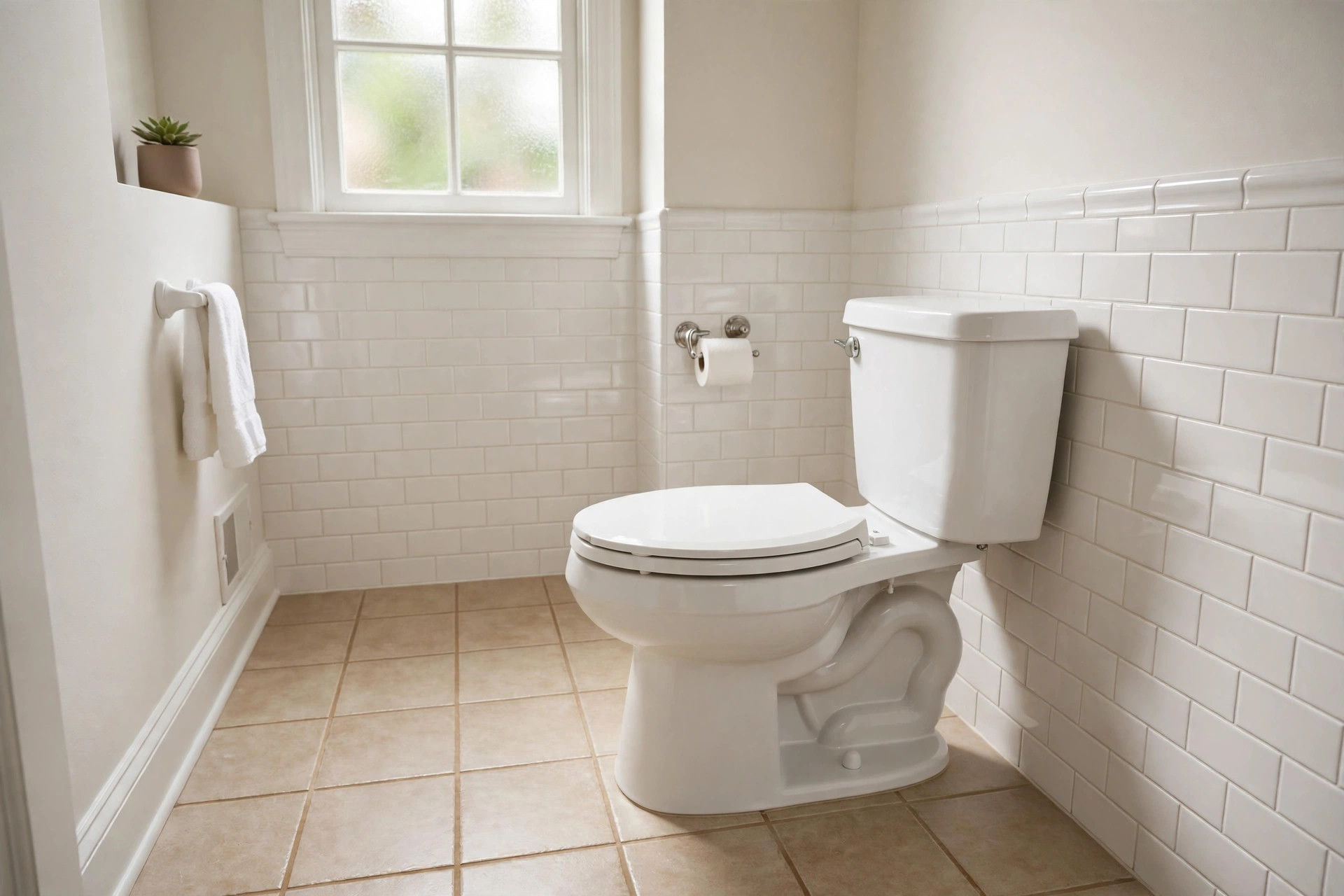
A standard toilet installation has several clear steps. First, the plumber shuts off the water and drains the old tank and bowl. Then the old toilet is removed and set aside for disposal. The old wax ring is scraped away. The flange, which is the pipe fitting under the toilet, is checked for cracks or rust.
Next, a new wax ring or silicone seal is set. The new bowl is lowered onto the flange bolts and pressed down evenly. The tank is bolted to the bowl if it is a two-piece model. A new supply line connects the shut-off valve to the tank. The plumber then caulks the base, tests for leaks, and flushes the toilet several times. A good installer also checks that the seat is tight and the handle works well.
Most quotes for toilet installation cost near me 2026 searches cover these steps. Homeowners should ask each plumber to list what is included. If one quote leaves out removal of the old toilet and another includes it, the prices cannot be compared fairly.
Types of Toilets and How They Affect Cost
Not every toilet costs the same to install. The type a homeowner picks has a direct effect on the labor bill.
Two-piece toilets are the most common. The tank and bowl come apart, which makes them easier to carry and set. They are the least costly to install. If you are comparing choices, our article on one piece vs two piece toilets explains the differences in detail.
One-piece toilets are molded as a single unit. They look sleek and are easier to clean, but they are heavy. Two workers may be needed to lift one. That can raise the labor charge.
Wall-hung toilets mount to a bracket inside the wall. They save floor space and look modern. The installation is far more complex. It often needs framing work and a special carrier. Expect the labor cost to run much higher than a standard floor-mounted unit.
Smart toilets and bidet seats add another layer. A bidet toilet seat may need an electrical outlet nearby. If no outlet exists, an electrician must be called. That adds a separate cost beyond the plumbing bill.
Average Toilet Installation Cost Near Me 2026
Across the United States, professional toilet installation labor in 2026 usually runs from about 150 dollars to 400 dollars. This is the labor charge only. It does not include the price of the toilet itself.
A simple like-for-like swap is at the low end. The plumber removes one floor-mounted two-piece toilet and sets a new one in its place. The flange is sound. No extra parts are needed. Jobs like this often take one to two hours.
Mid-range jobs fall between 250 and 400 dollars. The plumber may need to replace the shut-off valve, the supply line, or the flange bolts. A new flange may be needed if the old one is cracked. Old-toilet haul-away can add 30 to 75 dollars.
High-end jobs can reach 500 to 800 dollars or more. This happens when the floor is damaged, the rough-in size is unusual, or a wall-hung unit is installed. Relocating a toilet to a new spot in the bathroom is the most costly case. It needs new drain and water lines. That work can run well past one thousand dollars.
The toilet itself adds 100 to 600 dollars for most models. Basic two-piece models from big-box stores sit at the low end. Comfort-height models, which are easier on the knees, sit a bit higher. See our guide to comfort height toilets for buying advice. Designer and smart models can cost 800 dollars or more.
City prices run higher than small-town prices. A plumber in New York or San Francisco may charge twice what a plumber in a rural county charges. That is why the “near me” part of the search matters. Local quotes are the only true measure.
What Raises or Lowers the Price
Several factors move the final bill up or down. A homeowner who knows them can plan better.
The flange condition is the biggest unknown. If the flange is broken or set too low, the plumber must repair or replace it. A flange repair can add 100 to 250 dollars. There is no way to see the flange until the old toilet is lifted. Good plumbers warn about this before they start.
Floor damage is another common surprise. A long-term leak can rot wood under the toilet. The subfloor may need patching. Tile may need to be reset. This work adds both time and materials.
Access to the shut-off valve matters too. If the valve is old and frozen, it must be replaced. That is a small part cost and a short extra task. If the valve is missing or buried in the wall, the job takes longer.
The choice of seal affects cost very little but matters for results. Wax rings cost little and have worked for decades. Silicone seals cost more but allow repositioning. Either is fine when set by a skilled hand. You can read practical how-to guidance at This Old House before your plumber arrives.
Haul-away of the old toilet is often a separate line item. Some plumbers include it. Others charge extra. Some towns let homeowners set the old toilet at the curb on bulk pickup day at no cost. Asking ahead can save a small fee.
Permit rules vary by town. Most simple toilet swaps need no permit. Moving a toilet or changing drain lines usually does. Permit fees are small, but the inspection adds time to the job.
How to Get Fair Quotes in Your Area
Getting three quotes is the oldest advice in home repair, and it still works. Each quote should be in writing. Each should list the same details: labor, parts, old-toilet removal, and any possible extras.
Ask each plumber the same questions. How long will the job take? What happens if the flange is broken? Is the wax ring and supply line included? Is there a service call fee on top of labor? Do you guarantee the work? A plumber who answers clearly is usually a plumber who works carefully.
Online reviews help, but they are only a start. Ask neighbors and local friends who they used. A plumber with a long local record has a reason to do good work. Local hardware store staff often know who does solid work too.
Watch for red flags. A quote that is far below the others may leave out key steps. A demand for full payment up front is a warning sign. A plumber who will not put the price in writing should be avoided. Home improvement experts at Family Handyman share more tips on hiring tradespeople.
For product research before you buy, manufacturer sites are a sound starting point. Kohler and Moen list current models with full specs. Delta Faucet offers care guides for its fixtures. Retailers such as Home Depot and Lowe’s show local prices and stock for toilets and parts.
Care and Upkeep After Installation
A new toilet needs little care, but a few habits keep it working for years. Check the base for water after the first week. A small leak at the base means the seal may need attention. Call the installer back while the work is still under warranty.
Clean the bowl with a soft brush and mild cleaner. Harsh chemicals can wear the finish over time. Avoid drop-in tank tablets that contain bleach. They can damage the rubber flapper and fill valve inside the tank. Replacing a flapper is a small job, but it is one that can be avoided.
Listen for a running tank. If the toilet runs long after a flush, the flapper or fill valve may be worn. Parts are cheap and widely sold. Fixing a running toilet saves a large amount of water. The EPA notes that household leaks waste a striking share of indoor water use each year.
Tighten the seat bolts once a year. Seats loosen with daily use. A loose seat can crack the bowl over time if it rocks hard. The fix takes a screwdriver and two minutes.
For water quality concerns that can shorten the life of plumbing parts, Aquasana provides background on home filtration. Practical repair walkthroughs for common toilet problems appear on The Spruce, and contractor-tested advice is posted at Bob Vila.
Safety During the Job
Toilet installation is not a dangerous job, but it has real risks. An old toilet is heavy and made of porcelain. It can break into sharp pieces if dropped. Gloves and eye protection are wise when handling it.
The water must be fully shut off before work starts. A supply line under pressure can spray a room in seconds. The plumber should test the shut-off valve before disconnecting anything.
Sewer gas is another concern. Once the old toilet is lifted, the open drain lets gas rise into the room. A good installer plugs the pipe with a rag or cap while working. The room should be aired out during the job.
Homeowners with septic systems should take extra care. Only septic-safe paper should go down the drain. Harsh drain cleaners can harm the bacteria that a septic tank needs. The CPSC site covers general home product safety, and local health departments often publish septic care sheets.
Frequently Asked Questions
How long does a toilet installation take? A standard swap takes one to two hours. The time grows if the flange needs repair, the floor is damaged, or a wall-hung unit is installed. A full relocation can take a full day or more.
Can I install a toilet myself to save money? A handy homeowner can do a simple swap. The parts cost is low. But mistakes are costly. A bad seal causes hidden leaks and floor rot. If the flange is damaged or the rough-in is odd, a professional is the safer choice.
Does the quoted price usually include the new toilet? Often it does not. Many plumbers quote labor only and let the homeowner buy the toilet. Some offer supply-and-install packages. Always ask which parts are included before you agree.
What is a rough-in, and why does it matter? The rough-in is the distance from the wall to the center of the drain pipe. Most American homes use a 12-inch rough-in. If a new toilet does not match the rough-in, it will not fit. Measure before you buy.
Should I replace the supply line and valve at the same time? Yes, in most cases. A new braided steel supply line is cheap and lasts longer than an old plastic one. If the shut-off valve is old or stiff, replacing it during the same visit saves a future service call.
How often should a toilet be replaced? A well-made toilet can last 25 to 50 years. Replace it when the porcelain cracks, the base leaks, or repairs cost more than a new unit. Many homeowners also upgrade to save water, since new models use far less per flush than old ones.
A Final Word
Toilet installation cost near me 2026 comes down to a few clear parts: labor, the toilet, and any hidden repairs. Most standard jobs land between 150 and 400 dollars for labor, plus the price of the fixture. Getting three written quotes, asking about the flange, and confirming what is included will keep the project fair and simple. A well-installed toilet serves a home for decades, which makes this one of the most sensible repairs a homeowner can plan.
References
Aquasana. (n.d.). Water filtration systems. https://www.aquasana.com Bob Vila. (n.d.). Home improvement advice. https://www.bobvila.com Delta Faucet. (n.d.). Kitchen and bathroom faucets. https://www.deltafaucet.com Family Handyman. (n.d.). DIY home repair and maintenance. https://www.familyhandyman.com Kohler. (n.d.). Bathroom and kitchen fixtures. https://www.kohler.com Lowe’s. (n.d.). Home improvement products. https://www.lowes.com Moen. (n.d.). Faucets and plumbing fixtures. https://www.moen.com The Home Depot. (n.d.). Home improvement products. https://www.homedepot.com The Spruce. (n.d.). Home and garden advice. https://www.thespruce.com This Old House. (n.d.). Home renovation guidance. https://www.thisoldhouse.com U.S. Consumer Product Safety Commission. (n.d.). Product safety information. https://www.cpsc.gov U.S. Environmental Protection Agency. (n.d.). Protecting human health and the environment. https://www.epa.gov
Was this guide helpful?

About Robert Taylor
The My Garden US editorial team writes practical, in-depth home and garden guides for American homeowners — tested advice, no fluff.
You May Also Like

Jetted Tub vs Soaking Tub Comparison USA: A Simple Guide for Homeowners
May 27, 2026 0 views
Best 50 Gallon Gas Water Heater Reviews USA: A Complete Buying Guide
April 8, 2026 0 views
Best Septic Tank Treatment Reviews USA
June 29, 2026 0 views