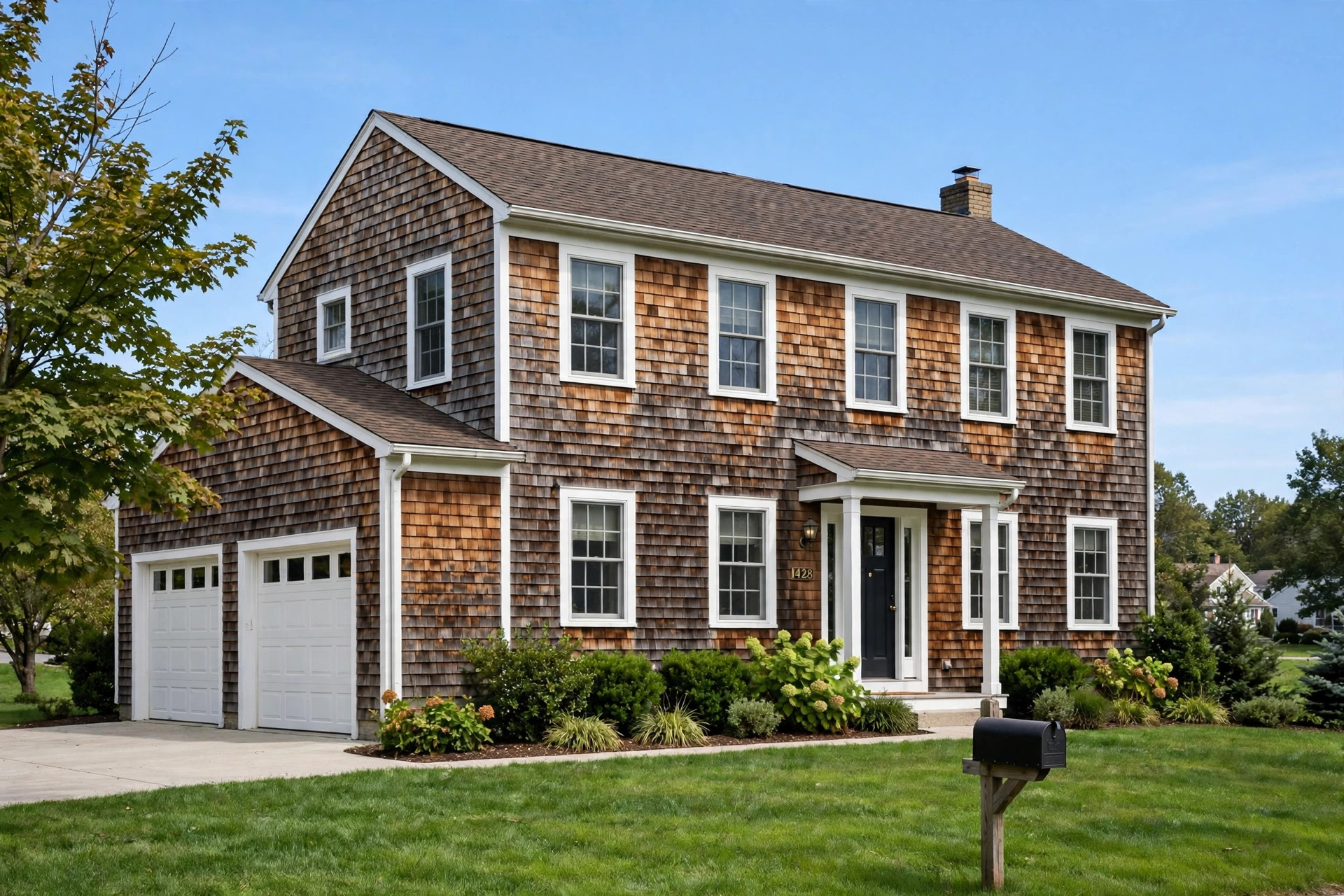

Homeowners who shop for energy efficient cedar shake siding with free shipping often have two goals at once. They want the warm, natural look of real wood. They also want lower heating and cooling bills. Cedar shakes can help with both. Wood holds heat poorly, which means it slows heat loss better than many thin sidings. When a supplier ships the shakes for free, the savings grow even more.
Cedar shake siding has covered American houses for more than a century. It fits farmhouses, cottages, and modern homes alike. Today, makers grade it, kiln-dry it, and treat it to last longer than the shakes of the past. Buyers can order bundles online and have them delivered to the job site without paying freight. This guide explains how to buy, what it costs, and how to keep it in good shape for decades.
Why It Matters
A house loses a large share of its heat through its walls. Thin vinyl or aluminum siding does little to stop this loss. Cedar is a natural insulator. A standard cedar shake wall, installed over sheathing and a weather barrier, can add real thermal resistance. Studies cited by The Spruce note that wood siding performs better than metal siding in cold weather because wood does not conduct heat quickly.
Energy costs keep rising. Sealing the walls is one of the cheapest ways to cut them. New insulation behind the siding helps, but the siding itself matters too. Cedar shakes are thick. They trap small pockets of air between the overlapping pieces. This slows the flow of heat in winter and keeps hot air out in summer.
Appearance matters as well. Many neighborhoods value the look of natural wood. Cedar weathers to a soft silver-gray if left alone, or it holds stain for years if finished. Homeowners who read top rated wood siding replacement reviews often report that cedar adds more curb appeal than any other siding choice.
Free shipping matters because cedar is heavy. A full house may need several thousand pounds of shakes. Freight charges can add hundreds of dollars. A supplier who offers free shipping removes that cost. The buyer pays only for the material itself. That can make a premium product fit a normal budget.
What to Look for When You Buy: Energy Efficient Cedar Shake Siding with Free Shipping
Not all cedar shakes are equal. Grade makes the biggest difference. Number 1 grade shakes, often called blue label, come from clear heartwood with no knots or defects. Number 2 grade shakes allow some knots. They cost less but may not last as long. For most homes, Number 1 grade is worth the extra money. Guides on Bob Vila suggest buying the best grade the budget allows.
Check the cut of the shake. Hand-split shakes have a rough, rustic face. Tapersawn shakes have a smooth, even surface. Resawn shakes split from the block and then sawn on the back, which gives a textured face and a flat back. The rough face sheds water well and takes stain evenly.
Ask about treatment. Factory-applied preservatives protect against rot, mold, and insects. Some shakes carry a fire-retardant treatment. In areas with wildfire risk, this treatment is worth seeking. The pressure-treated product still looks like natural cedar.
Confirm the wood species. Western red cedar is the standard for shake siding. It resists decay better than most softwoods. White cedar is also used, mostly in the Northeast. Either one works if the grade is high and the wood is dry.
Moisture content counts. Kiln-dried shakes shrink less after installation. Green or air-dried shakes may cup and split as they dry on the wall. Ask the supplier for the moisture reading. Good suppliers list it in the product details, as seen in buying guides from This Old House.
Finally, read the shipping terms before you order. Free shipping offers sometimes have minimums. Some apply only to the lower 48 states. Others exclude remote areas. Check the weight limit per pallet and the delivery schedule. A reliable seller will put these terms in writing.
Types and Options
Cedar shake siding comes in several forms. Each suits a different style and budget.
Hand-split shakes are the most traditional. Each piece is split by hand or by machine to follow the grain. The surface is rough and uneven. They give a cottage or mountain look. They cost more because the work is slow.
Tapersawn shakes are sawn on both faces. They look neat and uniform. They suit colonial and modern homes. They take paint and stain very well because the surface is smooth.
Resawn shakes are a middle choice. The face is textured like a hand-split shake. The back is flat. This makes them easier to install than true hand-splits.
Panelized shakes arrive as panels rather than single pieces. Each panel holds many short shakes on a backing board. Panels go up fast. They reduce labor cost. Some buyers feel they look less authentic up close. From the street, most people cannot tell the difference.
Lengths run from 16 inches to 24 inches or more. Longer shakes give a bolder shadow line. Shorter shakes give a finer pattern. Widths vary from 4 inches to 14 inches. A mix of widths looks more natural.
Buyers who compare siding types often weigh cedar against fiber cement. Makers like James Hardie and CertainTeed sell durable fiber cement products that mimic wood. These cost less to maintain. But they do not have the natural insulation value or the real wood texture of cedar. The choice depends on the budget and how much upkeep the owner accepts.
Cost and Price
Cedar shake siding costs more than vinyl but less than stone. As a rough guide, material alone runs from about six to twelve dollars per square foot. A square in siding terms covers one hundred square feet. So a 2,000-square-foot wall area needs material worth roughly twelve thousand to twenty-four thousand dollars before labor.
Labor adds to the bill. Professional installation runs from four to nine dollars per square foot in most regions. Cedar takes longer to install than vinyl. Each shake must be spaced and fastened by hand. A skilled crew can still finish a typical house in one to two weeks.
Free shipping can save five hundred to one thousand dollars on a full order. Retailers such as Home Depot and Lowe’s sometimes run free delivery promotions on siding. Specialty lumber yards may match the offer. Always compare the total price, not just the freight line. A seller with a higher price and free shipping may cost more than a seller with a lower price and paid freight.
Stain or paint adds cost up front. A good factory finish can add one to three dollars per square foot. It pays back by stretching the time between recoats. Raw shakes need a finish coat soon after installation to reach their full life.
Repairs are cheaper than full replacement. A bundle of shakes costs far less than a full re-side. Keep a spare bundle in the garage. If a storm breaks a few shakes, a carpenter can swap them in an afternoon.
Owners who plan a full exterior project sometimes bundle the work. A new driveway and new siding in the same season can share dumpster and crew costs. Those considering energy efficient concrete driveway resurfacing may find that one contractor can handle both jobs.
Care and Upkeep
Cedar lasts when it stays dry and clean. Water is the main enemy. Keep gutters clear so water does not run down the walls. Trim plants back at least six inches from the siding. Bushes that touch the wall hold moisture against the wood.
Wash the siding once a year. Use a garden hose and a soft brush. Add a mild soap made for wood. Rinse from the top down. Avoid pressure washers. High pressure drives water into the grain and can split thin shakes.
Restain or repaint on schedule. A transparent stain needs a fresh coat every three to five years. A solid stain lasts five to seven years. Paint lasts seven to ten years if the surface was primed well. Watch the south and west walls. Sun breaks down finishes faster there.
Check for damage each spring. Look for shakes that cup, split, or pull loose. Small splits can be sealed with exterior wood glue and a stainless nail. Replace any shake that is soft or crumbly. Soft wood means rot has started.
Keep vents and flashing in good shape. Water that gets behind cedar needs a way out. A rain screen gap behind the shakes helps them dry. If the house was built without this gap, keep the caulk around windows and doors fresh.
Moss and mildew grow on shaded, damp walls. A mix of oxygen bleach and water kills most growth. Scrub gently and rinse well. Do not use chlorine bleach. It harms the wood fibers and kills nearby plants.
Homeowners who want step-by-step upkeep plans can find seasonal checklists from Family Handyman. A small amount of work each year keeps cedar looking good for thirty years or more.
Safety
Cedar shake siding is safe when handled with care. The main risks come during installation and finishing.
Wear a dust mask when cutting shakes. Cedar dust can irritate the lungs and the nose. Saw outdoors or in a well-ventilated space. Clean up sawdust at the end of each day.
Use stainless steel or hot-dipped galvanized nails. Plain steel nails rust and stain the wood. They can also loosen as the wood moves. Two nails per shake is the standard rule. Place them high enough that the next course covers them.
Ladders and scaffolds need care. Shake installation means long hours at height. Set ladders on firm ground. Have a helper hold the ladder when reaching high spots. Wear shoes with good grip.
Stains and sealers give off fumes. Work on calm, dry days and wear a respirator rated for organic vapors. Keep the products away from open flame. Store rags soaked in oil stain in a metal can with water. Oil-soaked rags can catch fire on their own if left in a pile.
Fire rating matters in some regions. Untreated cedar carries a lower fire rating than many sidings. Factory fire-retardant treatment raises the rating. Check local codes before buying. Some towns near wild land require treated shakes or a different siding.
Electrical safety counts too. Many homeowners add reliable vinyl siding installation or new lights during a re-side. If new fixtures go on the wall, have a licensed electrician make the connections. Do not run wires behind siding yourself unless trained.
Frequently Asked Questions
How energy efficient is cedar shake siding really? Cedar adds modest insulation on its own. A cedar shake wall has a higher R-value than the same wall with thin metal or vinyl siding. The real gain comes from pairing the shakes with modern house wrap and cavity insulation. Together, they cut drafts and heat loss.
How long does cedar shake siding last? With care, it lasts twenty-five to forty years. Number 1 grade shakes with a good finish last the longest. Shaded, damp walls age faster. Regular washing and restaining add many years of life.
Is free shipping really free? Usually it means no freight charge on qualifying orders. Read the terms. There may be a minimum order size. Delivery may be curbside only, which means the buyer moves the pallets from the truck. Liftgate service may cost extra.
Can I install cedar shakes myself? A skilled homeowner can side a small wall or a shed. A full house is a big job. It takes time, scaffolding, and practice to get even courses. Most owners hire a crew for the main walls and do small repairs themselves.
Does cedar shake siding attract insects? Cedar oil repels many insects, but it is not a cure-all. Carpenter ants and woodpeckers can still cause damage. Keep woodpiles and mulch away from the walls. Seal gaps where pests could enter. Factory-treated shakes resist insects better than raw ones.
A Final Word
Energy efficient cedar shake siding with free shipping is a smart buy for owners who want beauty and lower energy bills. Choose a high grade. Check the shipping terms in writing. Plan for simple upkeep each year. Done right, cedar walls will protect the house and please the eye for decades.
References
Bob Vila. (n.d.). Home improvement advice. https://www.bobvila.com CertainTeed. (n.d.). Building materials and exterior products. https://www.certainteed.com Family Handyman. (n.d.). DIY home repair and maintenance. https://www.familyhandyman.com James Hardie. (n.d.). Fiber cement siding and exterior products. https://www.jameshardie.com Lowe’s. (n.d.). Home improvement products. https://www.lowes.com The Home Depot. (n.d.). Home improvement products. https://www.homedepot.com The Spruce. (n.d.). Home and garden advice. https://www.thespruce.com This Old House. (n.d.). Home renovation guidance. https://www.thisoldhouse.com
Was this guide helpful?

About Robert Taylor
The My Garden US editorial team writes practical, in-depth home and garden guides for American homeowners — tested advice, no fluff.
You May Also Like
Professional Grade Stucco Exterior Repair Near Me: A Complete Homeowner Guide
October 2, 2026 0 views
Best Sliding Patio Doors for Small Apartments: A Practical Guide
July 24, 2026 0 views
Best Retaining Wall Builders Near Me: A Complete Hiring Guide
February 8, 2026 0 views